

The Vanishing Dream of Middle-Class Wealth
For decades, reaching a six-figure salary was the ultimate financial milestone for young professionals. Earning one hundred thousand pounds or dollars a year meant you had arrived. It was the kind of income that promised a comfortable detached house in the suburbs, a dependable family car in the driveway, and enough savings left over for relaxing summer holidays. Today, young doctors, software engineers, and corporate accountants who cross that finish line are finding a sobering reality: even six figures barely buys a modest one-bedroom flat.
Read More


The gap between wages and property prices has widened into a chasm so vast that governments are being forced to rewrite the rules of mortgage lending. In major metropolitan centers like London, policymakers have had to lift the income cap on subsidized first-time buyer schemes to an astonishing one hundred and forty thousand pounds. When individuals earning nearly four times the national average wage need state-backed loans just to get a foot on the property ladder, something fundamental in the housing economy has broken.
It is easy to assume this crisis only affects young graduates working entry-level retail or hospitality jobs. But the arithmetic confronting today's high earners tells an alarming story about modern urban economics. Rent payments consume forty percent of take-home pay, student loans take another bite, and home prices have outpaced wage growth for thirty consecutive years. The result is an entire generation of affluent professionals who feel financially trapped in perpetual tenancy.

The Brutal Math of the Twenty Percent Deposit
To understand why a great paycheck no longer guarantees homeownership, you have to look past monthly earnings and examine accumulated capital. Commercial banks still expect buyers to put down a ten to twenty percent cash deposit before granting a competitive mortgage rate. In booming city neighborhoods where a standard starter apartment easily costs five hundred thousand pounds, saving a seventy-thousand-pound lump sum while paying record-high market rents feels like running upward on a speeding escalator.
Even for someone saving a disciplined fifteen hundred pounds every month, amassing that kind of deposit takes four to five years of relentless frugality. During that time, inflation erodes the value of bank savings, and local property prices frequently climb faster than the savings account can grow. If an unexpected medical expense, car repair, or period of job transition strikes, years of careful financial discipline can vanish in an afternoon.
Compounding the problem are higher borrowing costs. When central banks raised benchmark interest rates to combat inflation, mortgage rates surged from historic lows of two percent to over five percent. That shift radically altered mortgage affordability formulas. A mortgage payment that cost fifteen hundred pounds a month five years ago now costs more than twenty-four hundred pounds for the exact same four walls, cutting buyer purchasing power nearly in half overnight.
Government Equity Loans: Lifeline or Market Patch?
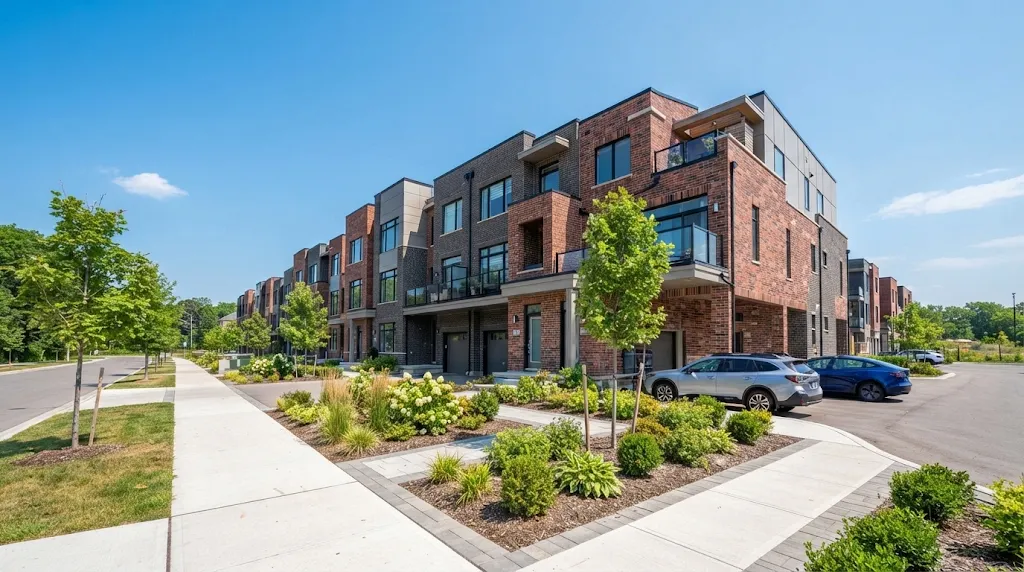
Recognizing that an entire cohort of productive tax-paying workers is being priced out of urban life, governments are introducing new assistance packages. Programs like the "Your First Home" scheme offer state-backed equity loans covering up to twenty percent of the cost of newly constructed properties, requiring buyers to provide just a tiny two-and-a-half percent cash deposit. By stepping in as an equity partner, the government lowers the monthly mortgage burden and allows buyers to bypass decades of deposit saving.
Yet housing economists are fiercely divided over whether these schemes cure the underlying disease or simply mask its symptoms. Skeptics argue that injecting government-subsidized purchasing power into an already starved housing market will simply encourage real estate developers to inflate listing prices further. If thousands of subsidized buyers compete for a limited pool of new-build homes, the financial benefit of the equity loan is quickly swallowed up by rising purchase costs.
The real root of the affordability crisis remains a chronic, systemic failure to build enough physical homes where people want to live. Stringent zoning regulations, lengthy planning permission battles with existing neighborhood associations, and high construction material costs have created a severe housing deficit across Western cities. Until cities modernize planning frameworks and permit dense, high-quality residential construction, financial patches will struggle to keep homeownership accessible.
Rethinking Wealth and Success for a New Generation
This persistent housing squeeze is quietly reshaping how an entire generation views wealth, careers, and personal life choices. Young professionals who once planned to stay within thirty minutes of downtown offices are increasingly relocating to regional towns, embracing remote work models, and directing their savings into diversified investment portfolios rather than brick and mortar.
Others are exploring co-ownership arrangements, buying shared properties with siblings or close friends to pool their borrowing power. The traditional life script—graduating college, getting a job, buying a home, and starting a family in neat chronological order—is giving way to a more flexible, creative approach to financial independence. Success is no longer measured solely by owning a garden with a picket fence, but by building financial freedom and career mobility on one's own terms.
For policymakers and city planners, the challenge ahead is urgent and undeniable. Vibrant, prosperous cities depend on attracting and retaining energetic teachers, nurses, engineers, and entrepreneurs. If the cost of shelter continues to lock out even the top ten percent of wage earners, our urban centers risk turning into exclusive enclaves for inherited wealth. Restoring the link between hard work and a place to call home is not just an economic priority—it is the foundational promise of a fair society.