
Imagine wanting to watch a major news event, a memorable concert, or even a funny moment from a television show, only to discover that there is nowhere online to watch it. Today, that sounds almost impossible. But in the early 2000s, finding a video on the internet could be surprisingly difficult.
There were search engines, email services, blogs, and websites of every kind. Yet sharing a video with friends was still a frustrating experience. Uploading a large file could take forever, streaming was unreliable, and many websites simply could not handle the technical demands of online video.
Then, three young engineers decided to change that.
Their idea was simple: create a website where anyone could upload a video and let other people watch it without complicated software or technical knowledge.
That idea became YouTube, a platform that would transform entertainment, education, music, business, and the way people communicate. But its journey from a small startup to a global internet giant was anything but straightforward.
The Problem That Inspired YouTube
In 2004, the internet was growing rapidly, but video had not yet become a natural part of everyday online life. Digital cameras were becoming more accessible, yet sharing the footage they captured remained difficult. Even when people managed to upload videos, watching them could be an exercise in patience.
Two experiences are frequently associated with the early inspiration behind YouTube.
One involved the devastating Indian Ocean tsunami of December 2004. Jawed Karim, one of YouTube's future co-founders, later described his frustration at trying to find online footage of major events. News websites offered written reports and photographs, but finding the specific videos he wanted was not easy.
Another story involved the widely discussed wardrobe malfunction during Janet Jackson and Justin Timberlake's Super Bowl halftime performance in February 2004. The incident attracted enormous public attention, but finding and sharing the relevant footage online was difficult.
These experiences highlighted a broader problem. People were increasingly interested in watching videos, but the internet had no universally convenient place where anyone could upload footage and share it with the world.
Rather than accepting that limitation, three former colleagues began exploring a solution.
Meet the Three Founders Behind YouTube
YouTube was founded by Chad Hurley, Steve Chen, and Jawed Karim, three engineers who had previously worked at PayPal.
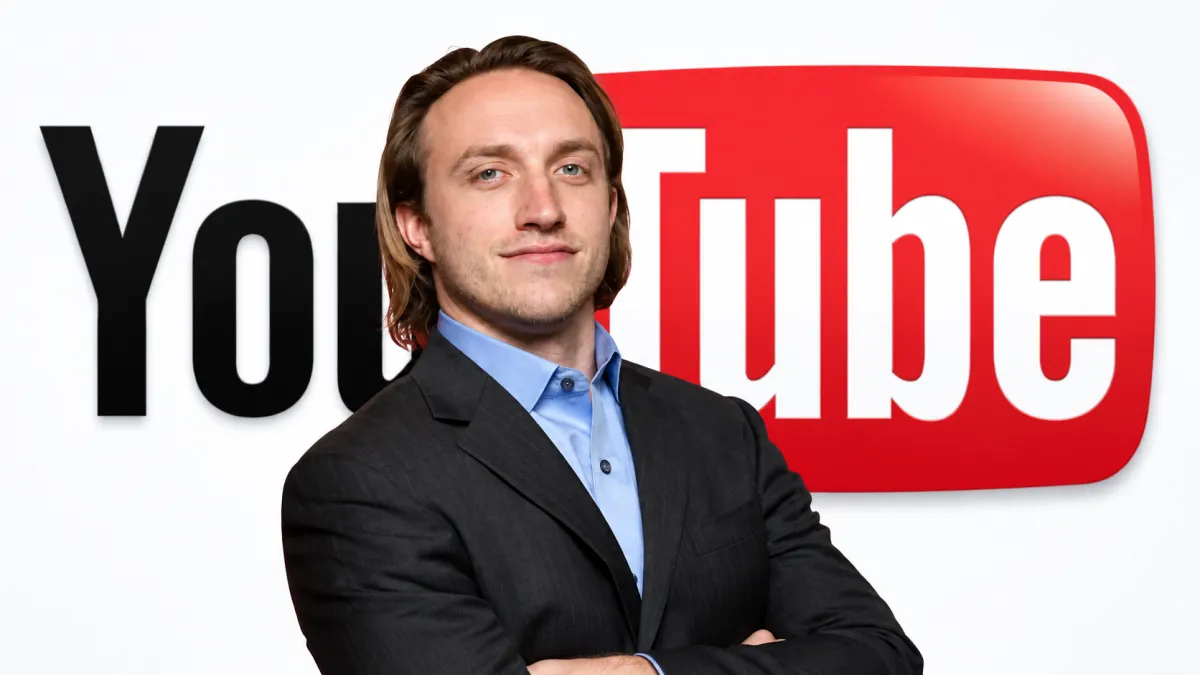
Chad Hurley brought design expertise to the team. He understood how a website should look and feel, and he helped shape the straightforward interface that made YouTube approachable.
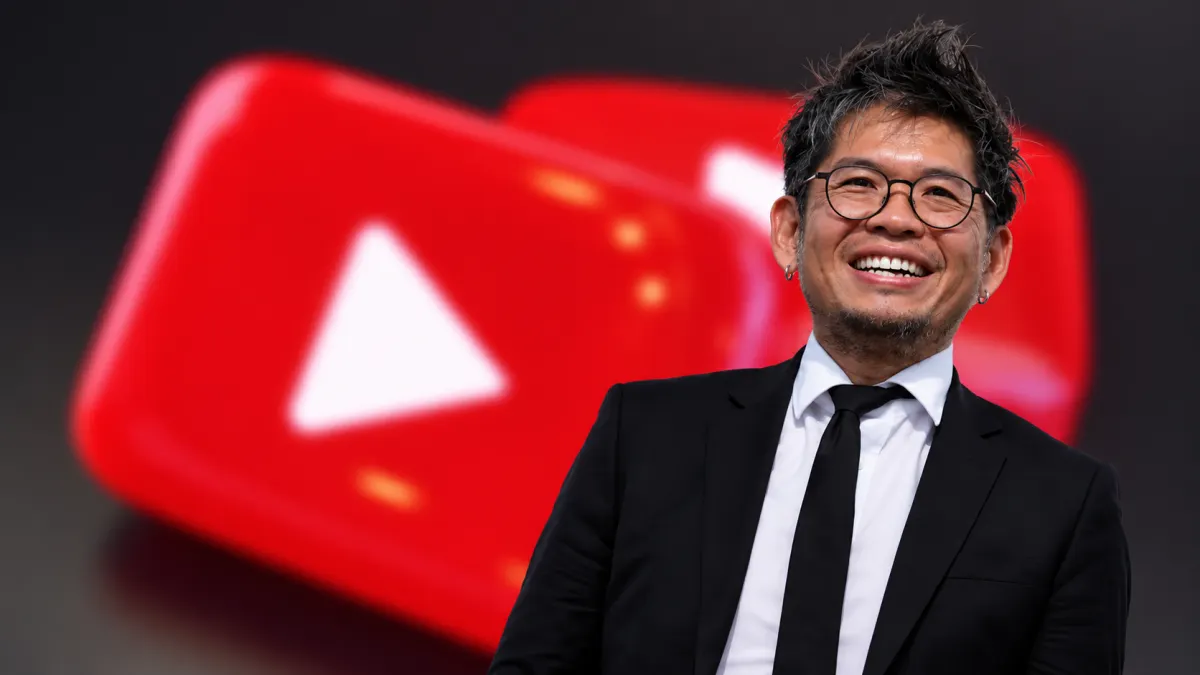
Steve Chen brought technical experience in software engineering. Building a video-sharing platform required more than an attractive website; it needed infrastructure capable of handling uploads, storing files, and delivering videos to viewers.
Jawed Karim was another technically minded member of the founding team. His interest in finding and sharing online videos helped inform the idea behind the service.
Their complementary skills gave them an advantage. Hurley could focus on the user experience, while Chen and Karim contributed to the technical thinking needed to make the concept work.
All three had seen how quickly internet businesses could grow. They also understood that the next big opportunity might not be another search engine or online payment service. It might be a new way for people to share their everyday experiences.
February 2005: YouTube Begins
On February 14, 2005, the YouTube domain was registered, marking an important step toward the launch of the service.
The name combined two familiar words: “you” and “tube,” a reference to television. The idea was that ordinary people could have their own space to broadcast videos, rather than relying exclusively on television networks and professional studios.

The ambition was not to build a traditional television channel. It was to give everyone the opportunity to publish something.
That distinction mattered. Before YouTube, sharing a video often meant sending a large file, burning a DVD, or finding a specialized website that could host it. YouTube aimed to make the process much simpler.
A user could upload a video, receive a link, and share it with friends. Those friends could watch it through their web browsers without needing the same file sent directly to them.
The concept seems obvious today. At the time, however, making it work reliably was a significant technical challenge.
The First YouTube Video Was Surprisingly Ordinary
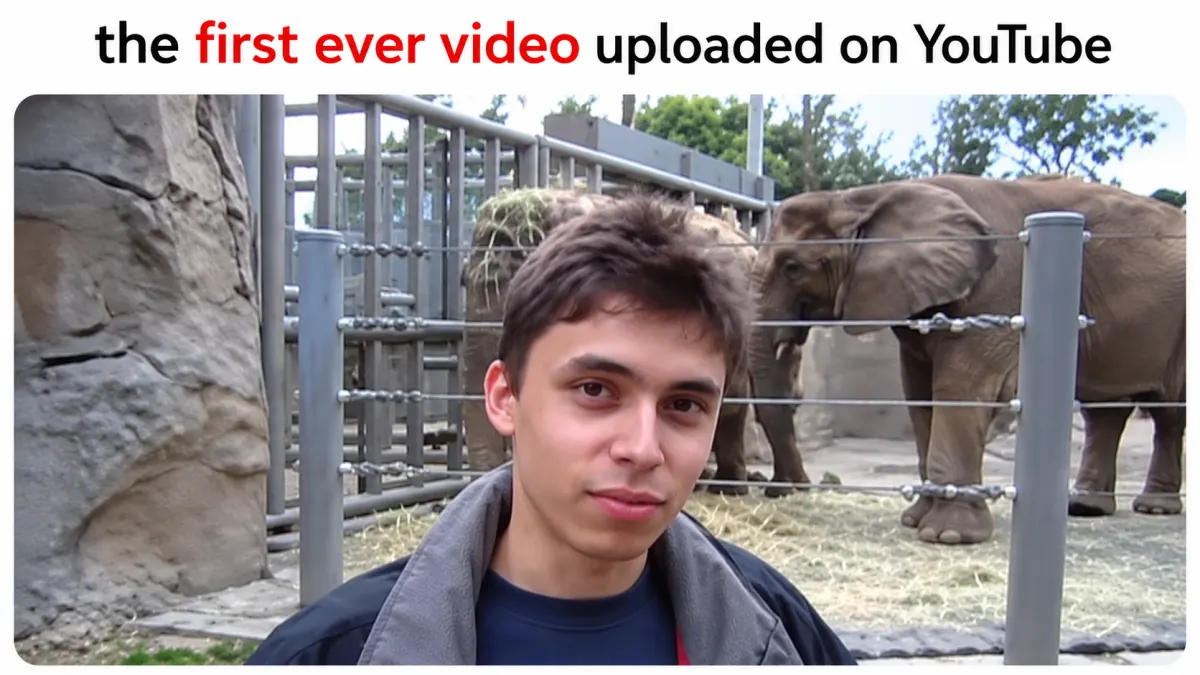
On April 23, 2005, Jawed Karim uploaded a short video titled Me at the zoo.
The clip featured Karim standing at the San Diego Zoo and talking casually about elephants and their trunks. It was not a professionally produced documentary, a music video, or an elaborate piece of entertainment. It was simply a person recording a moment and sharing it online.
That ordinariness was precisely what made the video so representative of YouTube's original idea.
You did not need a television studio, a production company, or a large budget. You just needed something to share.
The video became a historic milestone as the first video uploaded to YouTube. It would eventually attract hundreds of millions of views, turning an unremarkable visit to a zoo into a permanent piece of internet history.
In a way, the clip demonstrated what YouTube could become: a place where an ordinary moment could reach an extraordinary audience.
From Sharing With Friends to a Global Phenomenon
In its early days, YouTube was largely about personal videos. People uploaded clips of their friends, family gatherings, pets, jokes, and everyday adventures.
The appeal was immediate. Instead of describing an experience, users could show it. Instead of emailing a video file to several people, they could share one link.
But the platform soon attracted a much larger audience than its founders had initially imagined.
Music videos became particularly popular. Viewers could search for songs by artists such as Eminem and watch performances or music clips directly on their computers.
Previously, accessing particular music videos could mean buying a DVD or waiting for a television channel to broadcast them. YouTube offered a different experience: search for what you wanted and watch it when you wanted.
For viewers, this was a major shift in convenience. For the music industry, however, it created a serious problem.
Many videos uploaded to YouTube contained copyrighted music or footage without the permission of the people who owned the rights. The platform was growing quickly, but its legal and commercial foundations had not caught up with its popularity.
At the same time, every new upload created additional costs. Videos needed to be stored, processed, and delivered to viewers, often in enormous numbers. Servers and bandwidth were expensive, and a popular website could not survive indefinitely on enthusiasm alone.
YouTube had found an audience. Now it needed a sustainable business model.
The $1.65 Billion Deal That Changed Everything
Google was already one of the most powerful companies on the internet. Its search engine attracted enormous traffic, and its executives understood the commercial potential of online video.
YouTube was an especially attractive opportunity. Its audience was growing, its users were creating vast amounts of content, and its simple interface had helped it become a destination people returned to repeatedly.
On October 9, 2006, Google announced that it would acquire YouTube for $1.65 billion in Google stock.
The deal was completed the following month.
For a young company that had been founded only about a year and a half earlier, the acquisition was extraordinary. Three former PayPal employees had helped build a platform that one of the world's leading technology companies was willing to purchase for billions of dollars.
The agreement also gave YouTube access to resources it desperately needed: greater technical infrastructure, financial support, legal expertise, and Google's experience in online advertising.
Importantly, YouTube retained its identity rather than disappearing into Google's existing video service. The platform that users had come to recognize continued to grow under its familiar name.
The acquisition was more than a financial milestone. It gave YouTube a stronger foundation for its next stage of development.
How YouTube Turned Video Creators Into Entrepreneurs
At first, uploading videos to YouTube was not primarily a way to earn money. People posted content because they wanted to entertain others, share their interests, or reach an audience.
Google helped transform that situation.
Advertising became a central part of YouTube's business model, and the company gradually developed ways to share advertising revenue with eligible creators. In 2007, YouTube introduced its Partner Program, opening the door for participating creators to earn money from their content.
This changed the incentives surrounding online video.
Previously, someone who wanted to make a living producing videos generally needed access to a television network, a film studio, an advertising agency, or another established organization. Those routes could be expensive and difficult to enter.
YouTube created an alternative.
A person could record videos at home, publish them online, develop an audience, and potentially earn income from that audience. The most successful creators could turn a hobby into a full-time career.
Early YouTube personalities helped demonstrate the possibilities. Creators such as Ryan Higa, known as Nigahiga, built large audiences through comedy videos, while Ray William Johnson became widely known for his commentary and entertainment content.
Their success helped establish a new kind of media personality: someone who could become famous primarily through an online platform rather than traditional television.
Over time, this model developed into a much larger creator economy, encompassing independent educators, musicians, reviewers, comedians, gamers, and businesses.
YouTube had begun as a way to share videos. It was becoming a way to build a career.
The Copyright Problem YouTube Could Not Ignore
Growth brought another challenge: the question of who owned the videos being uploaded.
Music companies and film studios were concerned that their copyrighted material was being shared without authorization. As YouTube expanded, disputes over ownership and licensing became increasingly important.
Google had the financial and legal resources to help address these challenges, but there was no simple solution.
The company developed systems and agreements designed to identify copyrighted material, manage rights, and allow participating rights holders to monetize or restrict certain uses of their work.
One important development was Content ID, which enabled eligible copyright owners to identify matching material on the platform and apply policies to it.
These systems helped create a framework in which creators, advertisers, music publishers, and entertainment companies could participate in the same ecosystem, although disputes over copyright and fair use would continue.
The relationship between YouTube and the entertainment industry gradually evolved. Rather than simply treating the platform as a place where unauthorized copies appeared, many rights holders began using it to publish official music videos, trailers, performances, and promotional content.
For YouTube, solving the copyright problem was essential to building a long-term business.
How Smartphones Made YouTube Even Bigger
YouTube's growth received another major boost as smartphones became widespread.
In the early years, most people watched online videos on desktop or laptop computers. That meant watching often depended on being at home or near a computer with a reliable internet connection.
Smartphones changed the experience.
With mobile internet access and dedicated applications, people could watch videos while commuting, waiting in line, traveling, or relaxing away from home. They could also record footage and upload it without transferring files to a computer first.
The result was a more immediate relationship between people and video.
A memorable event could be recorded and shared while it was still happening. A small business could publish a demonstration of its products. An aspiring musician could upload a performance from a bedroom. A teacher could explain a difficult concept to viewers around the world.
Video was no longer tied to a television screen or a desktop computer. It became part of everyday life.
As mobile viewing grew, YouTube's role in the media landscape became increasingly difficult to ignore.
YouTube Became More Than an Entertainment Website
One of YouTube's most important developments was the expansion of the kinds of content people could find on the platform.
Entertainment remained central, but videos began serving many other purposes.
Historical footage that had once been difficult to access could be uploaded and watched by people around the world. Old advertisements, news recordings, documentaries, and personal archives found new audiences.
YouTube also became an enormous informal learning resource.
People could watch tutorials on repairing a car, learning a language, cooking a meal, playing an instrument, or understanding a complicated scientific idea. Someone who had never taken a formal class could learn from instructors, enthusiasts, and professionals who shared their knowledge online.
This accessibility changed how information traveled.
A practical skill that might once have required access to a specialist or a classroom could sometimes be learned through a carefully explained video. A student struggling with a lesson could find another explanation. A small business owner could learn how to use unfamiliar software.
The platform did not replace schools, professional training, or traditional media. Instead, it created another route through which knowledge and experience could be shared.
In this sense, YouTube gradually became something like a searchable audiovisual archive of human life: part entertainment library, part classroom, part public record, and part global conversation.
The Challenges of Becoming an Internet Giant
As YouTube grew, so did the difficulty of managing it.
The platform had to handle enormous volumes of uploads and viewing activity while making videos easy to discover. It also had to decide how to recommend content, moderate harmful material, address misleading claims, and enforce its rules across an increasingly diverse global audience.
Recommendations and algorithms became important to how viewers discovered videos. These systems could help people find useful material, but they also raised questions about the content people encountered and the incentives created by chasing views.
Some creators focused on educational videos, thoughtful documentaries, or original entertainment. Others experimented with sensational titles, misleading claims, or controversial content to attract attention.
Balancing openness with responsibility became one of YouTube's continuing challenges.
The original idea had been simple: let people upload videos and share them. Operating that idea at a global scale required far more than a website and a collection of servers.
It required an evolving combination of technology, advertising, copyright management, community rules, and decisions about what kinds of content should be allowed to spread.
What Happened to YouTube's Three Founders?
The success of YouTube also transformed the lives of the people who created it.
Chad Hurley, Steve Chen, and Jawed Karim became associated with one of the most influential technology acquisitions of the 2000s. Their work helped establish a platform that would shape the careers of millions of creators and change how billions of people accessed video.
After the acquisition, their professional paths diverged.
Hurley remained involved in technology and entrepreneurship, including later ventures outside YouTube. Chen also pursued other technology projects and investments. Karim became less publicly visible than many prominent technology founders, while maintaining a place in YouTube's history.
The acquisition gave the founders substantial financial opportunities, although their individual wealth and subsequent inves