 09 November 2026
India, also known as Bharat, Barat, or Hindustan, is the world's most populous country in 2026. This land is a giant not only in terms of population, but also in ethnic, linguistic, religious, and climatic diversity, ranking among the top nations in the world.
But one major question has occupied the minds of development experts:
Why has India, despite being the world's largest democracy, regressed instead of progressed?
To answer this question, we need to understand the dark side of India; the part that isn't seen in tourist reports and Bollywood promotions.
1. Wealth Inequality in India: Billionaires Among the World's Poorest People
According to reports from international organizations, India is one of the most unequal countries in the world in terms of wealth distribution. This country:

- Has more than 358 super-billionaires (one of the highest numbers in the world)
- Yet simultaneously hosts some of the poorest people on Earth
- The wealth of the Mukesh Ambani family alone is estimated at more than $116 billion
What Makes India Different?
In many poor African or South American countries, there is poverty but no billionaires. In India, the poor and billionaires live on the same street. A capitalist lives in the heart of Mumbai, and a large part of that same city works for him.
What's more interesting is that India's billionaires own dozens or hundreds of companies across various sectors; from technology to industries that some analysts call «anti-environmental industries»:
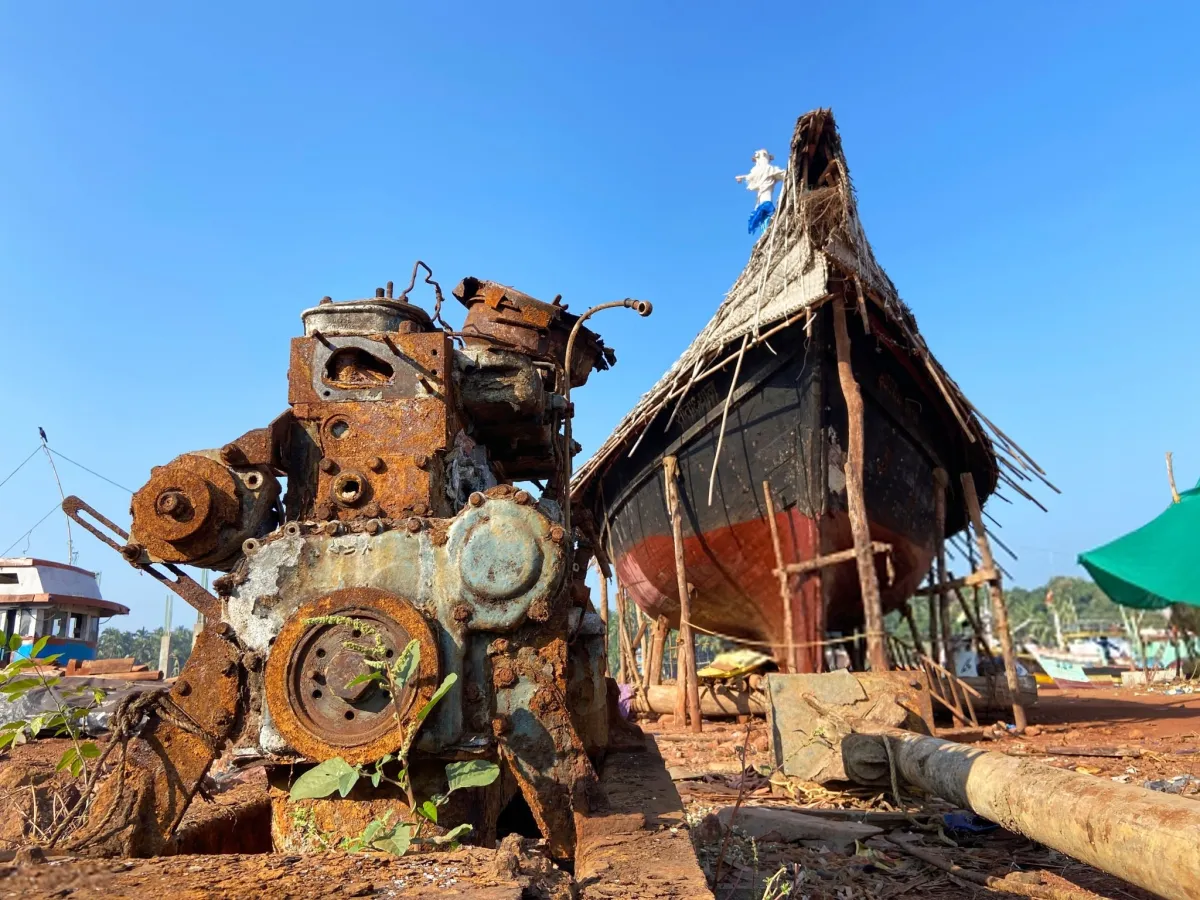
- Dismantling giant ships
- Importing waste from Western countries
- Importing worn-out tires and converting them into fuel
These activities create environmental disasters, and workers who labor in these environments have short lifespans.
2. Child Labor: The Gap Between Law and Reality
In India, there are laws banning child labor, but enforcement of these laws is almost zero. Children from very young ages, even four years old, are working:
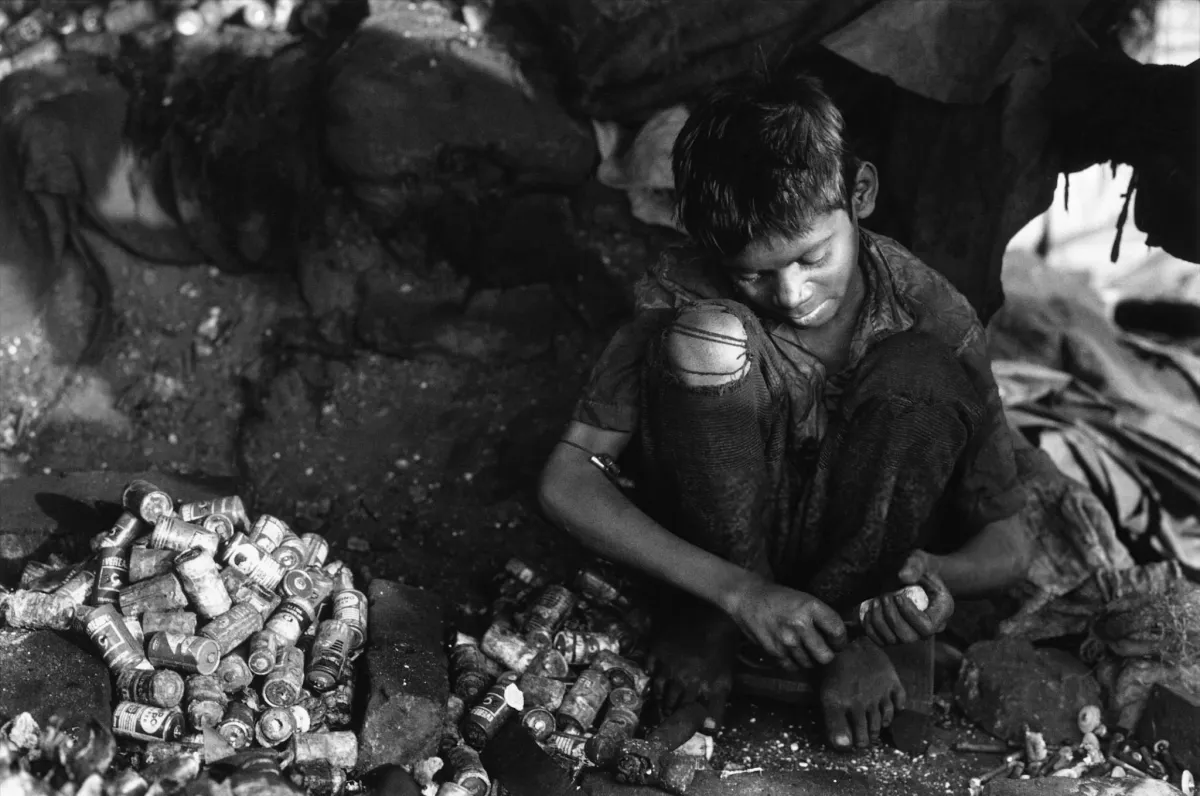
- Moving heavy loads in factories
- Working on construction projects
- Backbreaking work in agricultural fields
- Recycling hazardous waste
In addition to heavy labor, reports from human rights organizations show that these children are exposed to physical violence, psychological abuse, and sexual abuse. India's police and judicial system typically do not pay serious attention to these cases unless the victim belongs to the wealthy class.
3. The Women's Safety Crisis in India
India is one of the countries with a low ranking in global women's safety indicators. Statistics show:
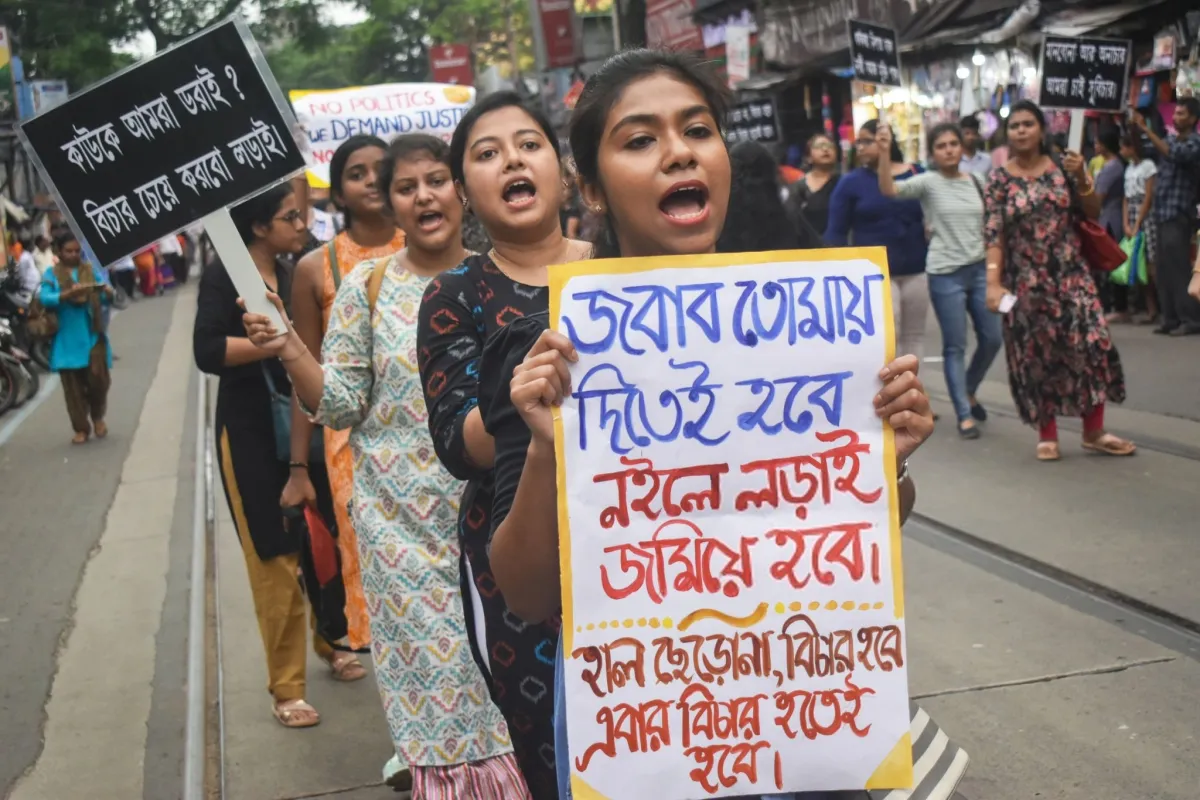
- Rape and sexual violence against women are at alarmingly high levels
- Elderly and lone women are also targets of these crimes
- In many cases, law enforcement does not seriously pursue cases
- Judicial follow-up only occurs when the victim is from the wealthy class
This situation is one of the reasons why female tourists consider solo travel to certain regions of India dangerous, and many international travel guides issue warnings.
4. The Caste System: The Thousand-Year-Old Root of India's Regression
Perhaps the biggest obstacle to India's progress is the caste system, which dates back thousands of years and continues today in its modern form.
The Indian Caste Hierarchy
| Caste | Social Position |
|---|---|
| Brahmin (First Class) | Clergy and the wealthy |
| Kshatriya (Second Class) | Leaders and warriors |
| Vaishya (Third Class) | Farmers and merchants |
| Shudra (Fourth Class) | Workers |
| Dalit or "Untouchables" | The lowest jobs (majority of the population) |
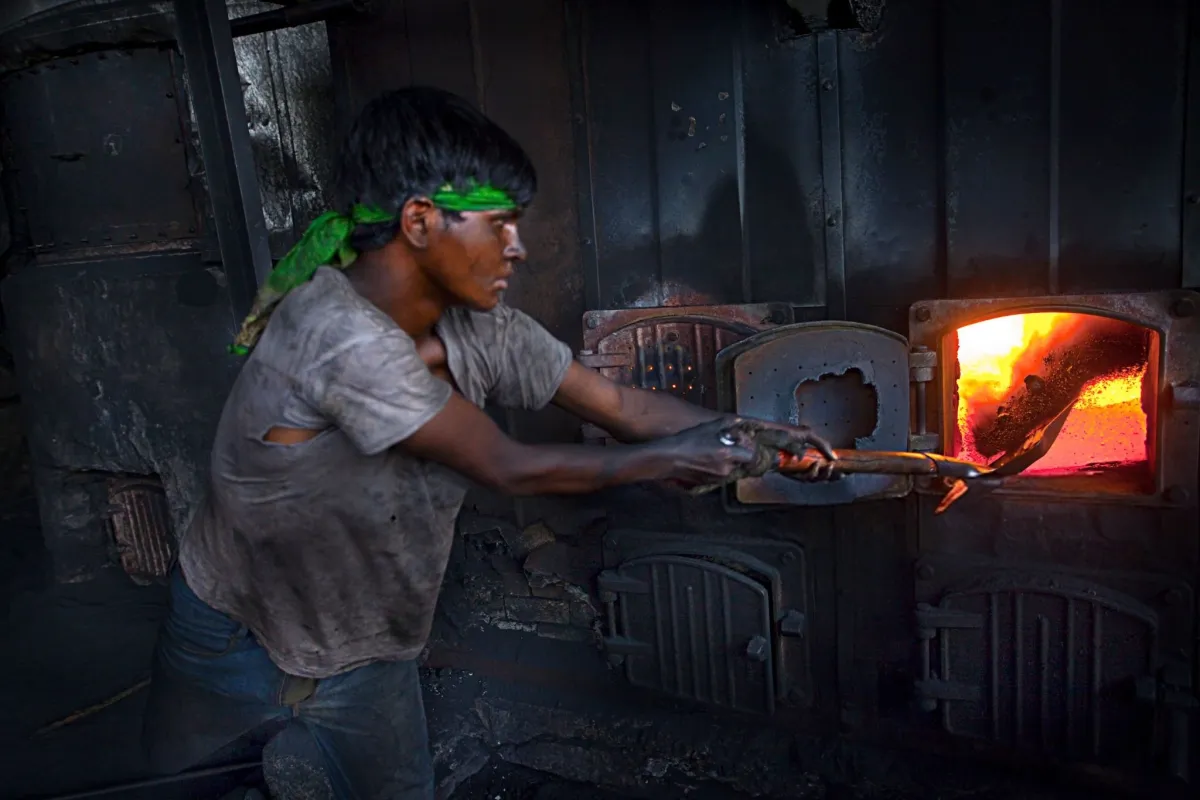
The Dalit caste, or «untouchables,» is responsible for jobs no one else wants to do:
- Collecting corpses from the streets
- Cleaning sewers by hand
- Working in dangerous cobalt and coal mines
- Searching through garbage for recycling
Why Is the Caste System Still Powerful?
Even marriage is governed by this system. If a boy wants to marry a girl from a different caste, families usually do not allow it. This means zero social mobility: someone born into a lower caste dies in that same caste, and so do their children.
5. India vs. China: An Instructive Comparison
Perhaps the best way to understand India's regression is to compare it with China:
But today, the two sides of the Himalayas are two different worlds:
| Indicator | China (Authoritarian) | India (Democratic) |
|---|---|---|
| Government Model | One-party communist | Parliamentary democracy |
| Economic Growth (Last 50 Years) | Very fast | Slow |
| Infrastructure | Advanced | Incomplete |
| Air Pollution | Severe (improving) | Very severe (worsening) |
| Absolute Poverty | Dramatically reduced | Still widespread |
The Big Lesson From This Comparison
This comparison shows that democracy alone is not enough. Democracy must begin from within homes, culture, and education. In a society where the caste structure still rules, democracy becomes a tool for maintaining the status quo, not a tool for change.
Of course, it should be noted that China's economic success has come at heavy human rights costs, and this model is not replicable for free countries.
6. India's Environmental Crisis
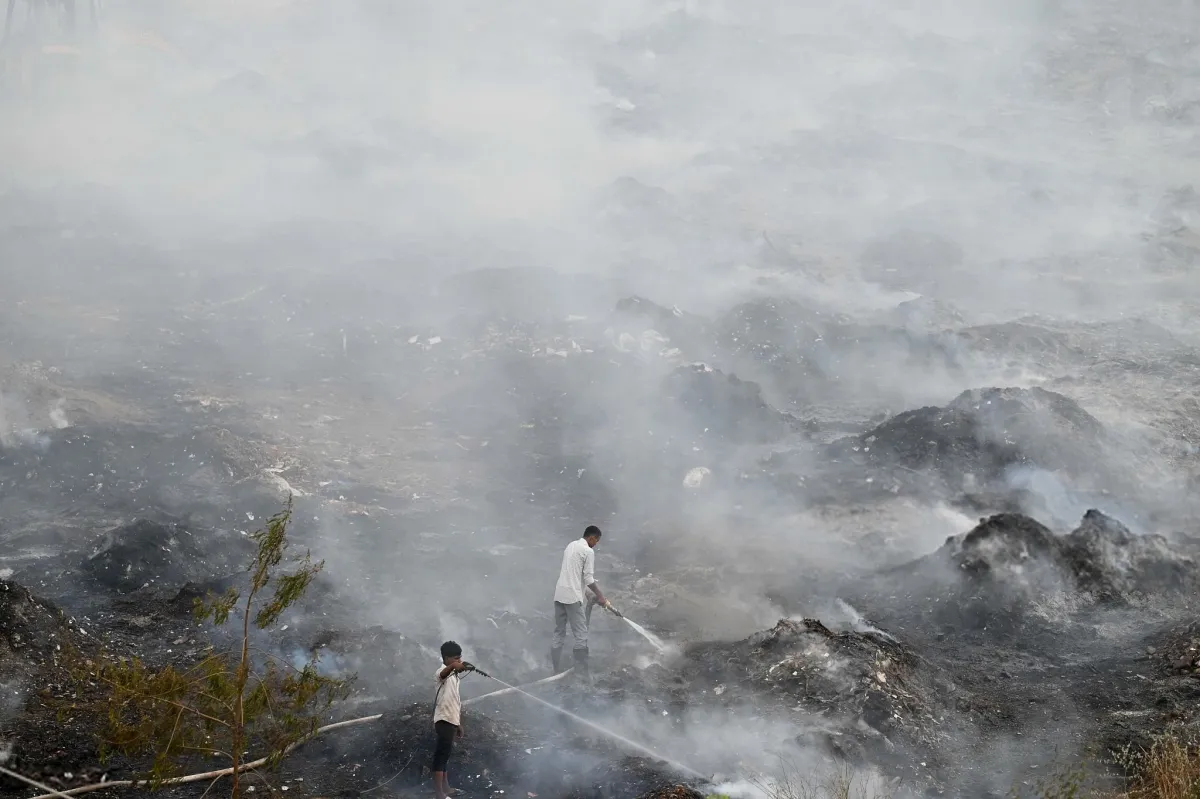
Despite the fact that 25 percent of India's land is covered by forests, and the country could have been one of the «lungs of the Earth,» international reports identify India as the most polluted country in the world.
Shocking Statistics
- 10 of the most polluted cities in the world are located in India
- 520 million people (about 30 percent of the population) lack toilets at home
- Most rivers have been contaminated with sewage
- Safe drinking water is scarce in many regions
Why Does This Crisis Continue?
The answer is simple: India is an industrial country, but without effective environmental laws. Polluting industries operate without oversight, and local people have no tools to fight back.
7. Is India the World's Garbage Center?
One of the darkest aspects of India's economy is the import of waste from Western countries. Anything wealthy countries don't want:
- Worn-out tires
- Old electronic parts
- Non-recyclable plastics
- Decommissioned ships
is shipped to India. This industry is profitable for billionaires, but deadly for poor workers, and its pollution comes back to the entire world.
8. Internal Racism and Ethnic Discrimination
You might think Indians are all one nation, but reality is more complex. In India:
- Hindus and Muslims have tensions with each other
- Sikhs have issues with both groups
- Buddhists are a minority and sometimes face discrimination
- Northerners and southerners do not accept each other
- Discrimination based on skin color also exists
With the spread of social media, these tensions have only increased. Many analysts trace the roots of this division to the policies of British colonialism, which used the rule of «divide and conquer.»
9. Daily Insecurity: The Story of Road Accidents
To understand the depth of the crisis, one statistic is enough:
This daily scene is a sign of the collapse of the social institution. Neither the government is accountable, nor do citizens feel responsible. Only at the end of the night, when the streets are empty, does the Dalit caste come and collect the bodies.
10. Is There Hope for India? Expert Opinions
Development experts' answer to this question is «yes, conditionally.» They say India can emerge from this swamp within 20 years, but only if:
✅ What the Indian Government Must Do
- Eradicate systematic corruption in government offices and institutions
- Seriously enforce laws, especially regarding safety, children's rights, and women's rights
- Invest in health infrastructure (toilets, clean water)
- Educational reforms to combat the class mentality
✅ What the Indian People Must Do
- Abandon the caste mentality in daily relationships
- Cooperate with the government rather than resist reforms
- Raise awareness about children's and women's rights
- Build a culture that replaces inheritance with meritocracy
A Lesson for the World
India's story is not just the story of one country. India is a mirror for the world, showing that:
- Democracy without social equality can become a tool for maintaining inequality
- Freedom without social responsibility can be devastating
- Economic development without distributive justice only enriches the top 10 percent of society
India still has the potential to become an economic, scientific, and cultural hub of the world. The human, natural, and cultural capacities of this country are unparalleled. But this path will be nothing more than a dream without fundamental reforms.
Why doesn't India progress despite being a democracy?
The main reasons include the caste system, widespread corruption, severe wealth inequality, lack of law enforcement, and a culture of discrimination. Democracy in India works mostly at the political level, but at the social and economic levels, structures thousands of years old still rule.
How many billionaires does India have?
According to the latest reports, India has about 358 super-billionaires, placing it among the top ranks worldwide, while millions of people live in absolute poverty.
Why is India's air so polluted?
The main reasons are: unregulated industries, burning of waste and tires, severe traffic, widespread use of fossil fuels, and the import of waste from Western countries. 10 of the most polluted cities in the world are located in India.
What is the main difference between India and China?
Both countries were at similar levels 70 years ago. China, with its authoritarian communist model and free market, experienced rapid growth. India, with democracy but trapped in a class structure, has had slower progress.
Can India progress?
Yes, experts believe India has full potential for progress, but this requires cooperation between government and people, eradicating corruption, enforcing laws, and abandoning the caste system. This process may take at least 20 years.
What is the caste system in India?
The caste system is a thousand-year-old class system that divides society into four main classes and one «untouchable» class (Dalits). Although this system has been legally abolished, in practice it still governs marriage, employment, and social relations.