
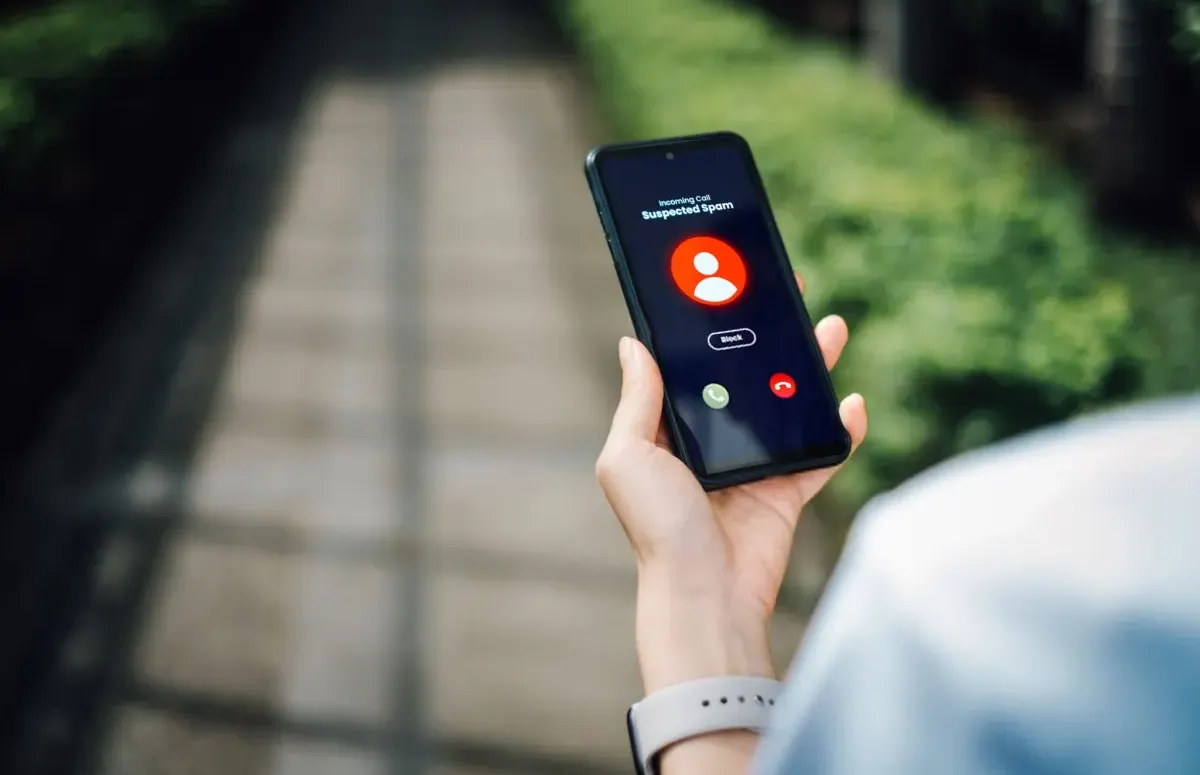
A common piece of advice whenever phone scams or spam calls are discussed is: “Just don’t answer calls from numbers you don’t recognize.” It sounds sensible, but in real life, it’s often impractical.
People have different jobs, responsibilities, and daily routines. Sometimes an important call comes from a number you've never seen before.
Here are some real-world examples.
Read More

Why Legitimate Calls Often Come from Unknown Numbers
There are more situations than you might think where an unfamiliar number is completely legitimate.
- Delivery drivers rarely call from a company phone number. Whether you're expecting a package from Amazon, FedEx, UPS, DoorDash, or Uber Eats, the call often comes from the driver's personal phone or a temporary routing number.
- Rideshare drivers may call directly if there is a problem locating you or if the app isn't updating properly.
- Medical offices, dental clinics, pharmacies, and other healthcare providers frequently call to confirm appointments or discuss scheduling. The call may come from a desk phone, a mobile device, or a number you don't recognize.
- If your vehicle is blocking access, has a light left on, or is involved in a parking issue, a neighbor, building manager, or maintenance worker may try to reach you from a personal number.
- Online marketplaces such as Facebook Marketplace, Craigslist, or OfferUp often involve direct phone contact between buyers and sellers.
- Local government offices, utility companies, schools, or community organizations may contact residents using standard office or mobile numbers rather than dedicated official lines.
- Friends, family members, and colleagues occasionally change phone numbers. Their first call from a new number will naturally appear unfamiliar.
Who Usually Doesn't Call This Way
Many scammers pretend to represent trusted organizations. Knowing how these organizations typically communicate can help you spot a fraud attempt.
- Government service portals generally do not call people unexpectedly about account issues. Most notifications are delivered through official websites, apps, email, or physical mail.
- Banks may occasionally call customers, but they will not ask for your online banking password, full card details, security codes, or one-time verification codes.
- Law enforcement agencies do not call citizens demanding immediate payments, threatening arrests, or claiming that bank accounts have been frozen due to an investigation. These are classic scam tactics.
- Tax authorities do not resolve legal matters through surprise phone calls requesting payment by gift cards, cryptocurrency, or wire transfer.

How to Reduce Your Risk
You can't completely eliminate spam and scam calls, but you can significantly reduce your risk.
Here are three simple steps:
- Stay informed about common scam tactics.
- Never rush into providing personal information during an unexpected call.
- Use a caller identification or spam detection app.
Caller ID apps compare incoming numbers against large databases and can often identify whether a call is from a delivery service, a business, a telemarketer, or a suspected scammer.
How to Reduce Risk
The advice to "never answer unknown numbers" would work if every unfamiliar caller had bad intentions. Unfortunately, that's not how the real world works.
Ignoring every unknown number could mean missing an important delivery, a medical appointment confirmation, a potential customer, or an urgent message from someone trying to reach you.
The smarter approach isn't to ignore every unfamiliar call—it's to answer cautiously and know how to recognize the warning signs of a scam.