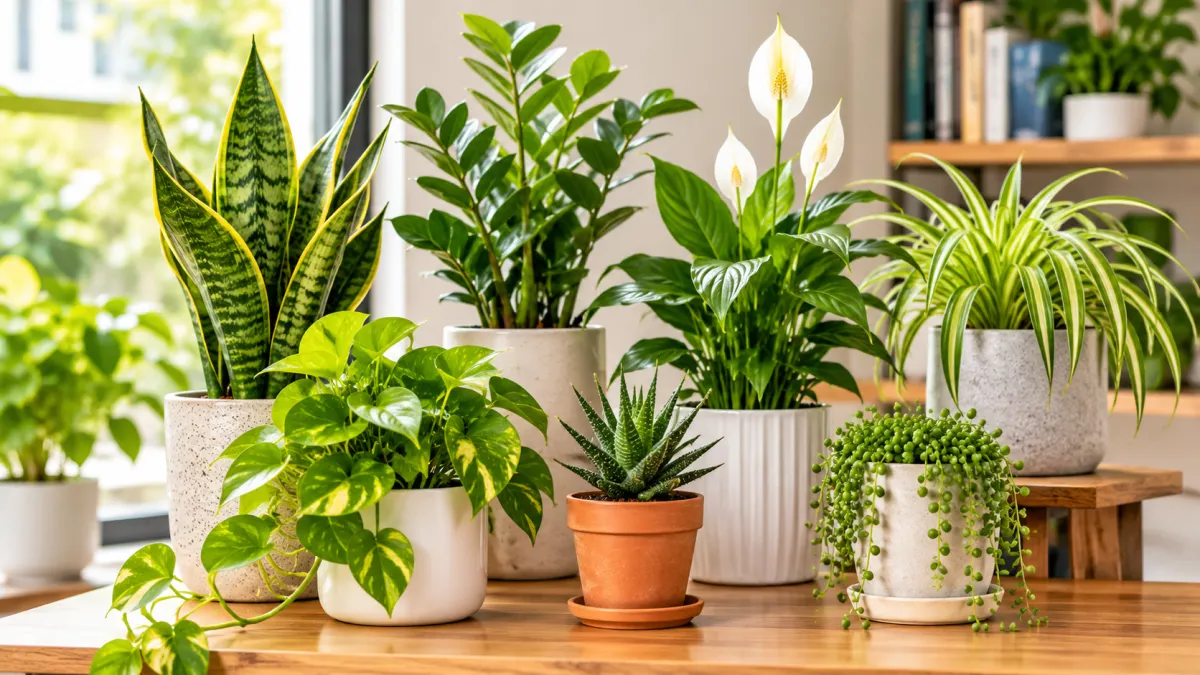

Indoor plants can make a room feel more welcoming, but choosing the wrong plant for a particular space can turn care into a chore. The easiest approach is to match a plant to the light, temperature, and watering routine your home can actually provide.
Indoor Plants That Don't Need Frequent Watering
The Royal Horticultural Society notes that easy-care houseplants are often more forgiving when conditions are not perfect, although no houseplant can live in complete darkness. These ten popular choices offer a range of leaf shapes and growing habits for beginners.
Detailed Reviews
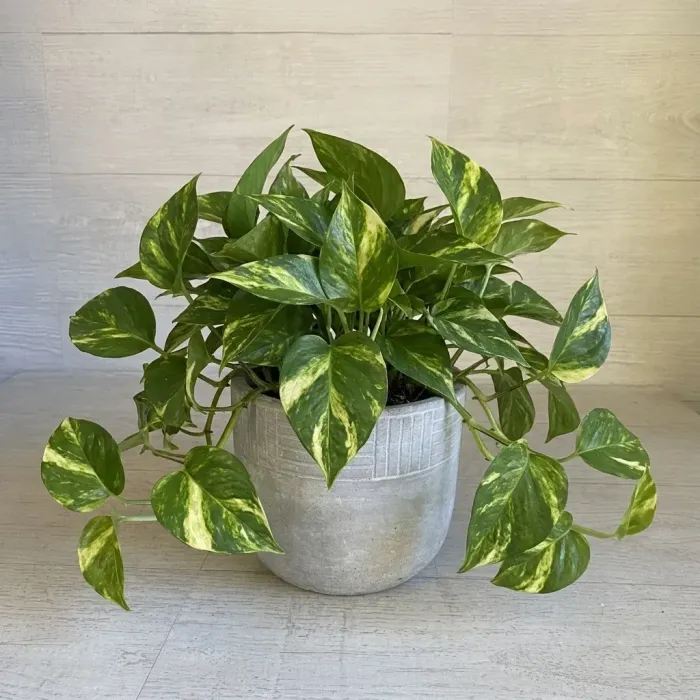
Pothos (Epipremnum aureum)
A Versatile Trailing Plant for Shelves and Small Spaces
Pothos is a trailing plant with glossy, heart-shaped leaves. It grows well in bright, indirect light and needs watering when the top layer of soil dries. Keep it away from children and pets because it is toxic if eaten.
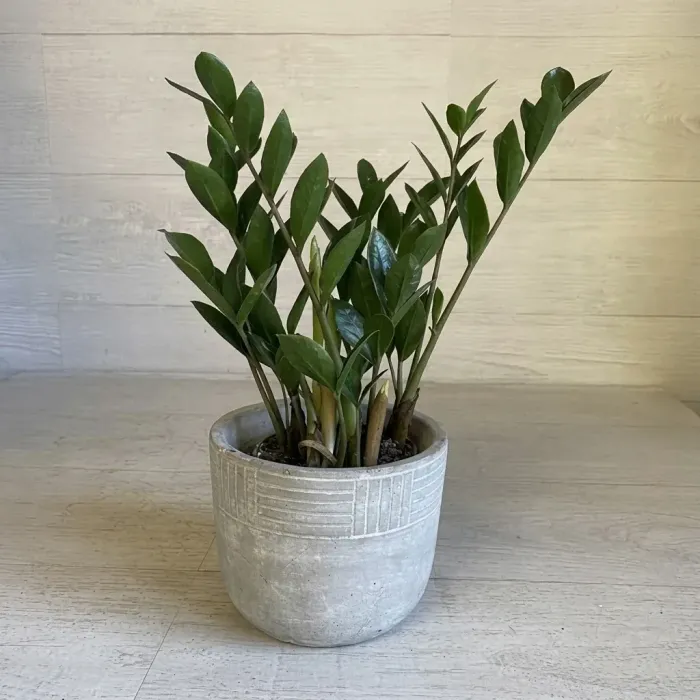
ZZ Plant (Zamioculcas zamiifolia)
A Glossy, Low-Water Plant for Busy Households
The ZZ plant features glossy leaves and upright stems. It tolerates low light and infrequent watering. Allow the soil to dry substantially between waterings and use a pot with drainage to prevent root problems.
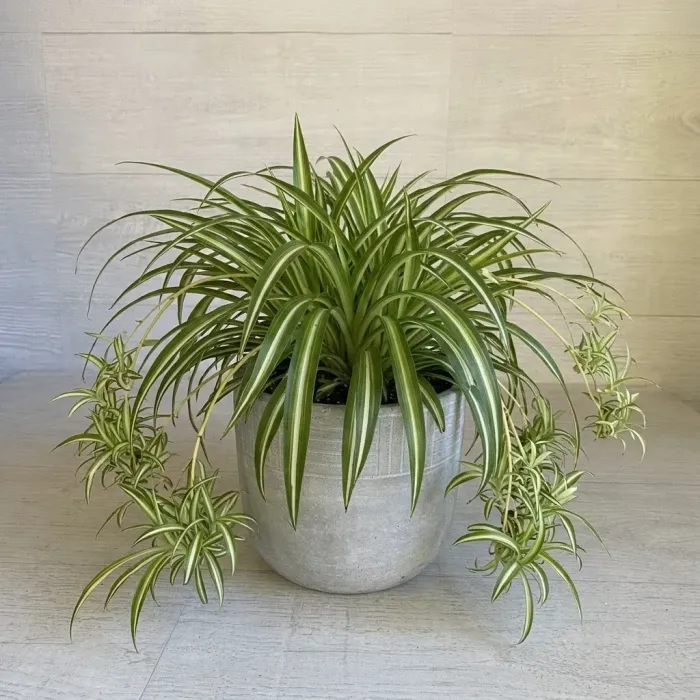
Spider Plant (Chlorophytum comosum)
An Easy-Growing Plant with Attractive Cascading Leaves
Spider plants have arching leaves and produce small plantlets on hanging stems. They grow best in bright, indirect light but can tolerate some shade. Avoid harsh direct sunlight and propagate new plants from rooted plantlets.
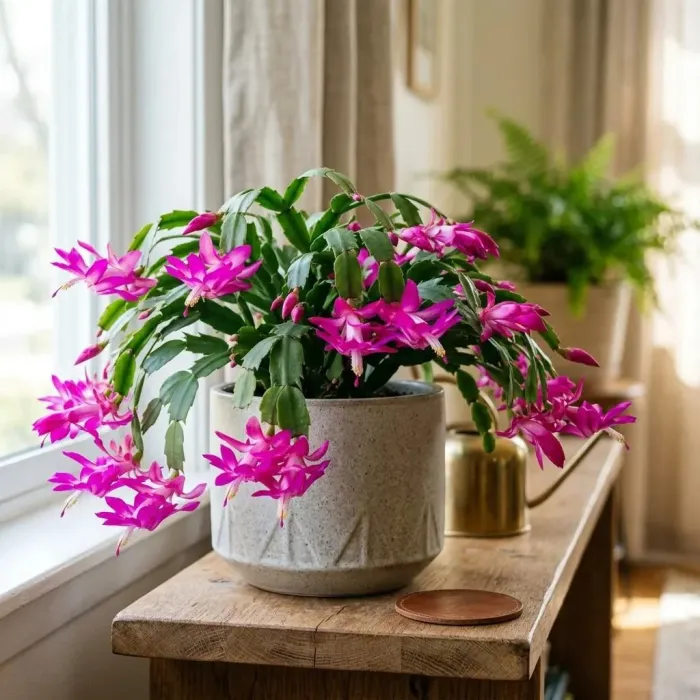
Christmas Cactus (Schlumbergera)
A Colorful, Long-Living Plant That Flowers Indoors
Christmas cactus has segmented, trailing stems and colorful winter flowers. It prefers bright, indirect light and regular watering without waterlogged soil. Avoid strong direct sunlight to keep the plant healthy.
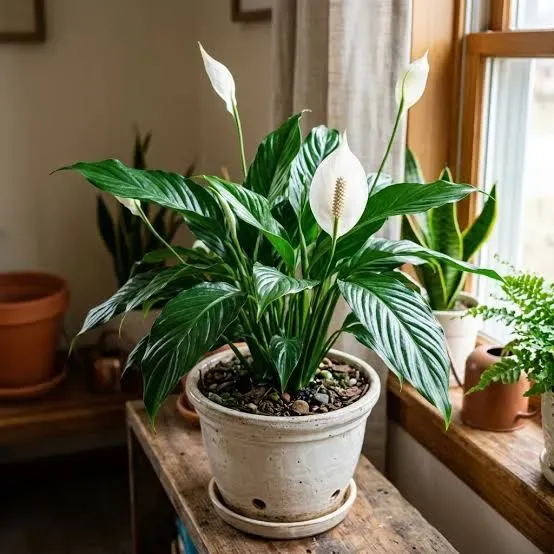
Peace Lily (Spathiphyllum)
An Elegant Flowering Plant with Lush Green Foliage
Peace lilies feature glossy leaves and elegant white flowers. They prefer bright, indirect light and regular watering. Their leaves may droop when thirsty. Keep them away from children and pets because they are poisonous if eaten.
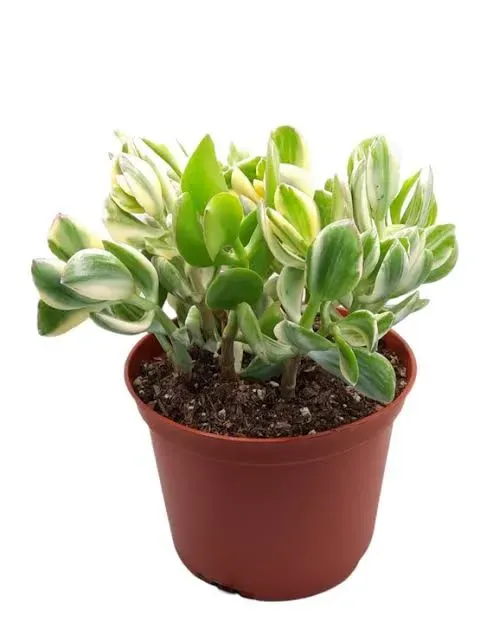
Jade Plant (Crassula ovata)
A Compact Succulent That Loves Sunny Windowsills
Jade plants are succulents with thick, water-storing leaves. They prefer bright light and well-draining soil. Water thoroughly, then let the soil dry before watering again. A sunny windowsill is often a suitable location.
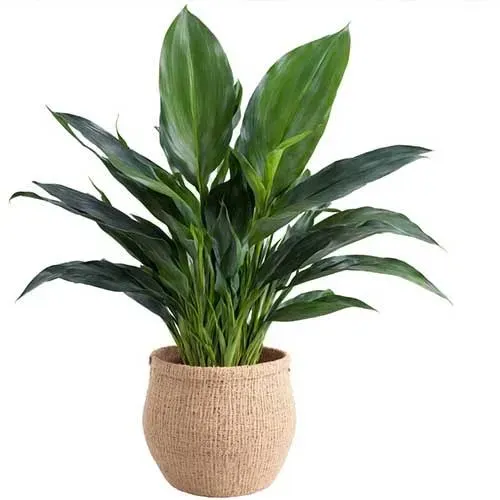
Cast-Iron Plant (Aspidistra elatior)
A Resilient Choice for Rooms with Limited Natural Light
The cast-iron plant is known for its broad, dark-green leaves and resilience. It tolerates low light, irregular watering, and typical indoor temperatures. It is a practical choice for shaded rooms, but still needs some natural light.
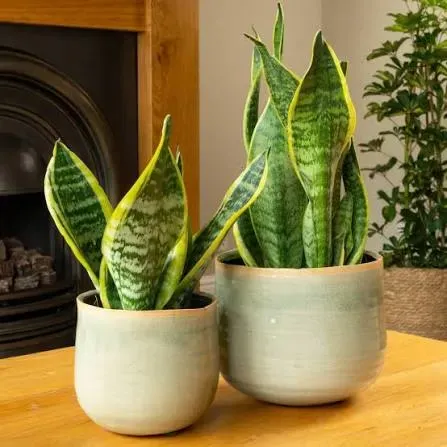
Snake Plant (Dracaena trifasciata)
A Hardy Houseplant That Thrives on Minimal Attention
Snake plants have upright, sword-shaped leaves and tolerate a range of indoor conditions. They prefer indirect light but can handle light shade. Let the soil dry before watering, as overwatering can damage the roots.
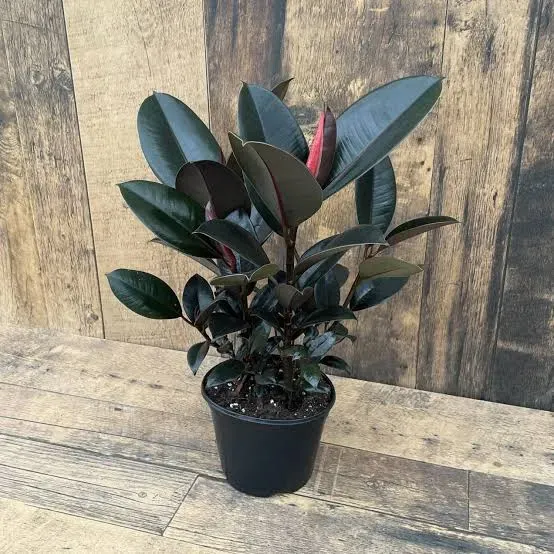
Rubber Plant (Ficus elastica)
A Bold Indoor Plant with Large, Glossy Leaves
Rubber plants have large, glossy leaves and an attractive upright shape. They grow best in bright, indirect light and stable temperatures. Let the upper soil layer dry between waterings and wipe the leaves to remove dust.
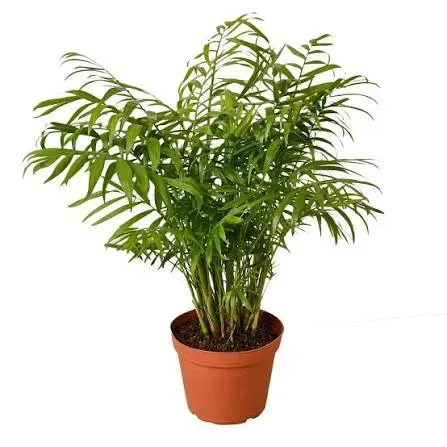
Parlor Palm (Chamaedorea elegans)
A Graceful Indoor Palm for Smaller Spaces
The parlor palm has delicate, arching fronds and adapts well to indoor conditions. Keep its soil lightly moist but never waterlogged. Avoid cold drafts and direct heat from radiators.