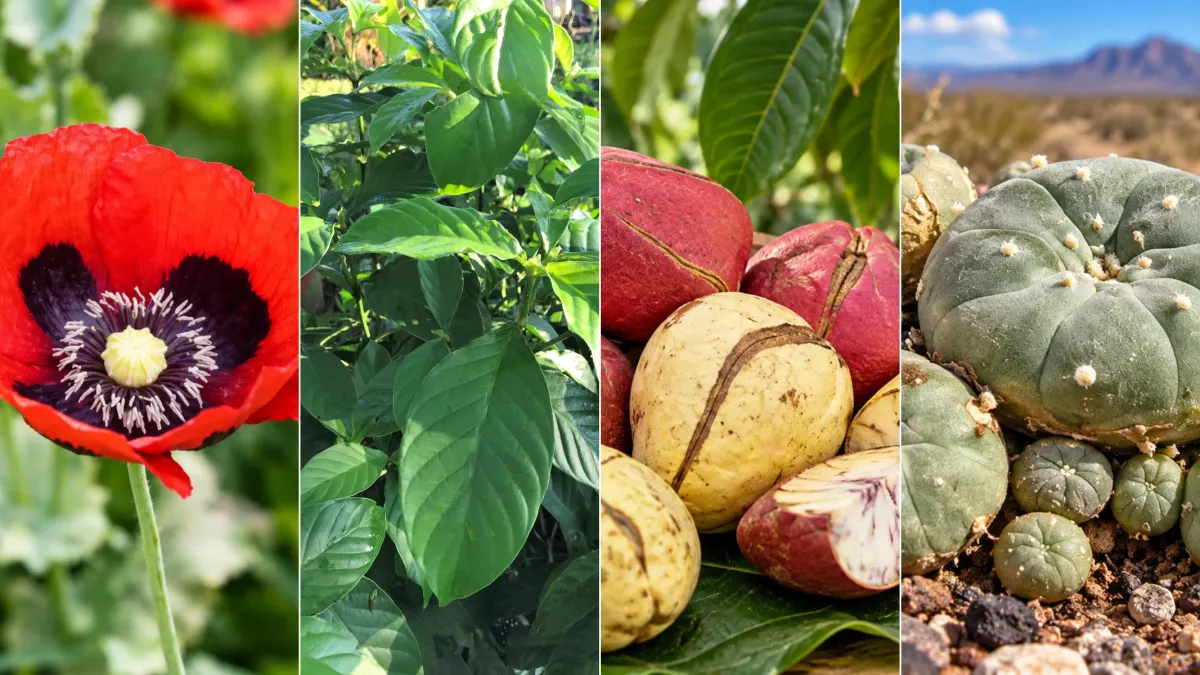

From the khat leaves chewed in Yemen to the coca leaves used in the Andes, many cultures have a long history of using plants for their stimulating, calming, or mind-altering effects. Some are part of everyday social life, while others are reserved for traditional ceremonies and spiritual practices.
These plants don't all work the same way. Some contain caffeine or nicotine, while others contain compounds that can cause significant changes in perception. Their cultural importance, health risks, and legal status also vary from country to country.
How Chewing Qat Took Over Yemen's Economy and Sucked an Ancient Country Dry
Here are 20 traditional plants from different parts of the world, along with the countries and cultures most closely associated with them.
1. Yemen, Ethiopia, Somalia, and Kenya — Khat
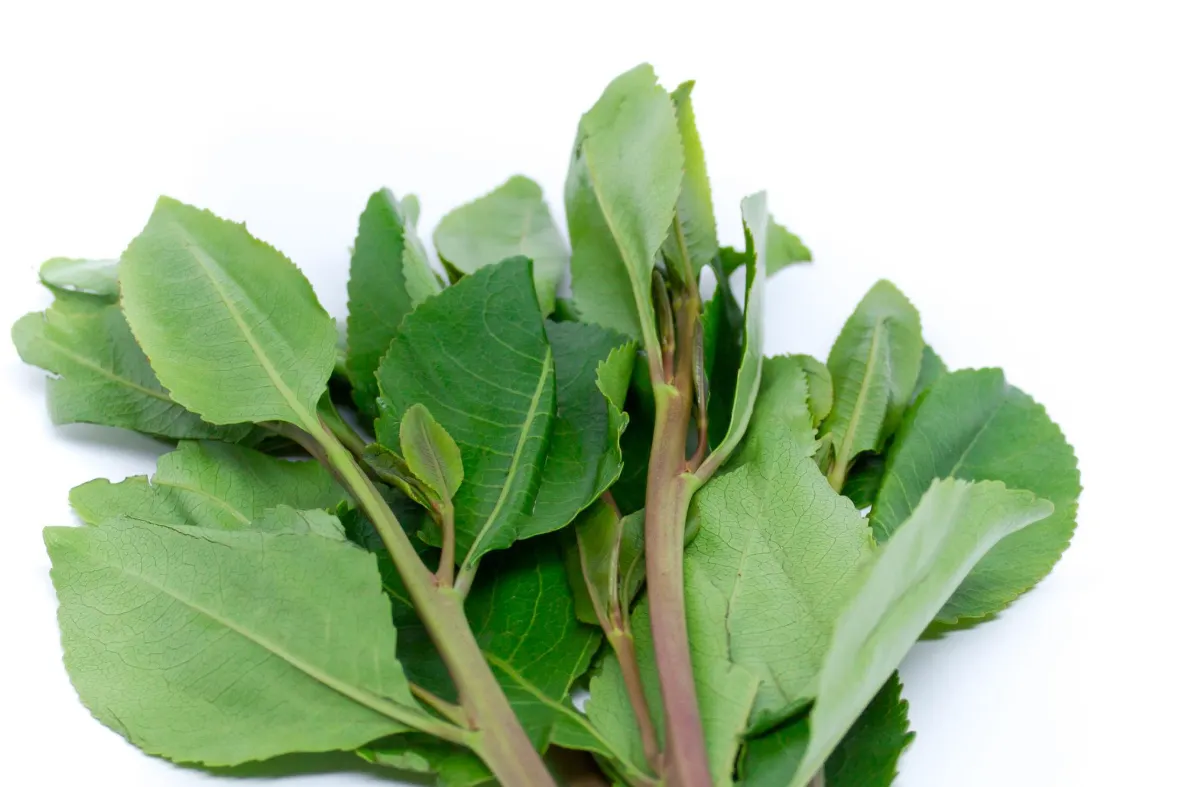
Scientific name: Catha edulis
Khat is an evergreen shrub native to the Horn of Africa and the Arabian Peninsula. In Yemen and parts of East Africa, chewing its fresh leaves has long been a social tradition. The plant contains cathinone and cathine, compounds that produce stimulant effects and can increase alertness. Khat is often associated with lengthy social gatherings, although its use can also carry health risks and may be restricted by law.
2. Bolivia and Peru — Coca
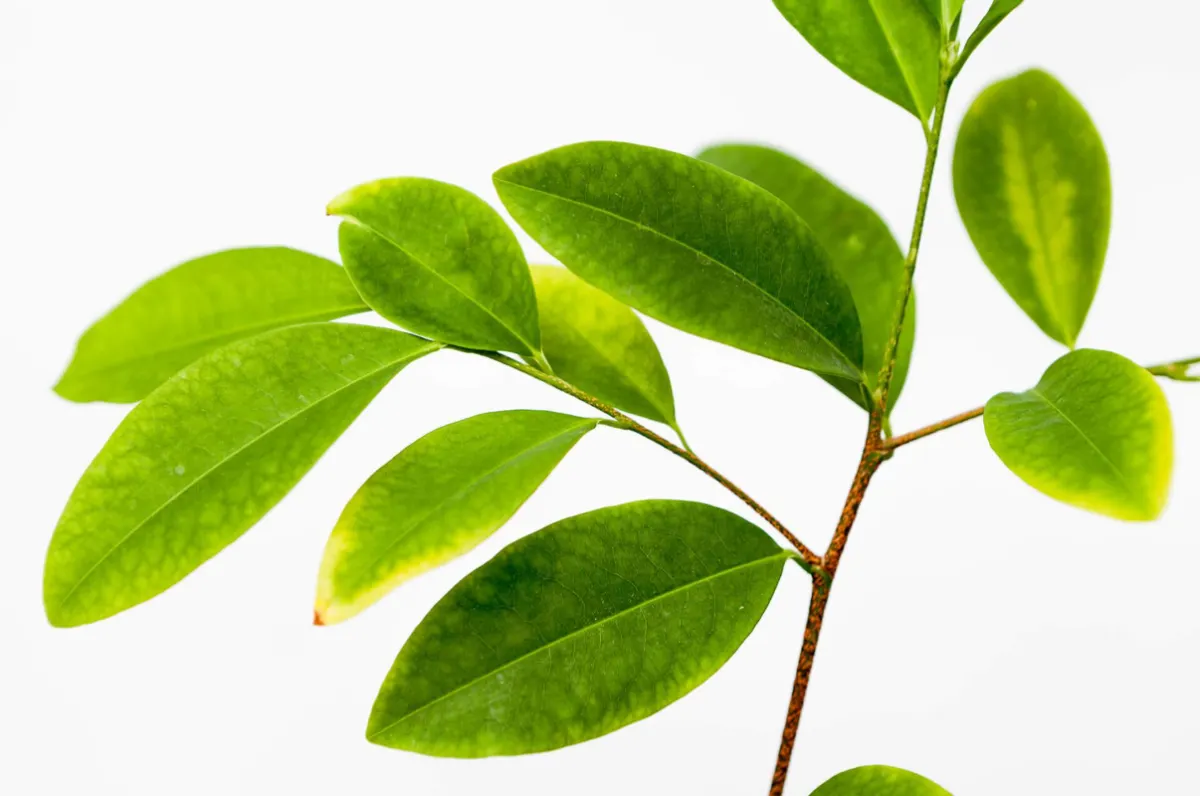
Scientific name: Erythroxylum coca
Coca leaves have been used for centuries by Indigenous communities in the Andes. Traditionally, they have been associated with coping with fatigue, hunger, and the physical demands of working at high altitudes. Coca leaves contain several alkaloids, including compounds from which cocaine can be produced through chemical processing. Traditional coca-leaf use and processed cocaine are not the same, although both are connected to the same plant.
3. India, Bangladesh, and Myanmar — Betel and Areca Nut
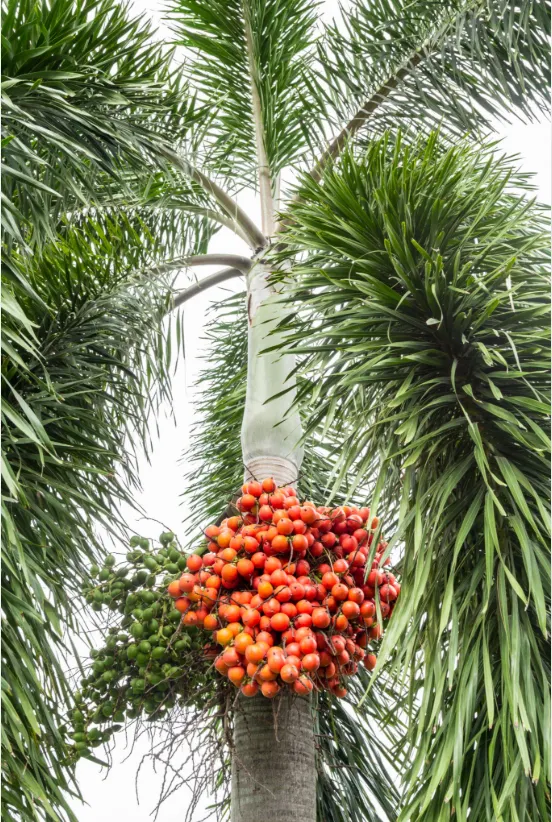
Scientific names: Piper betle and Areca catechu
Betel leaves and areca nuts are traditionally used together in parts of South and Southeast Asia. The combination has a long history in social gatherings, hospitality, and cultural ceremonies. Areca nut contains psychoactive compounds that can produce stimulating effects and may cause dependence. Regular use is also associated with a higher risk of oral cancer, especially when combined with tobacco.
4. Fiji, Vanuatu, Tonga, and Samoa — Kava
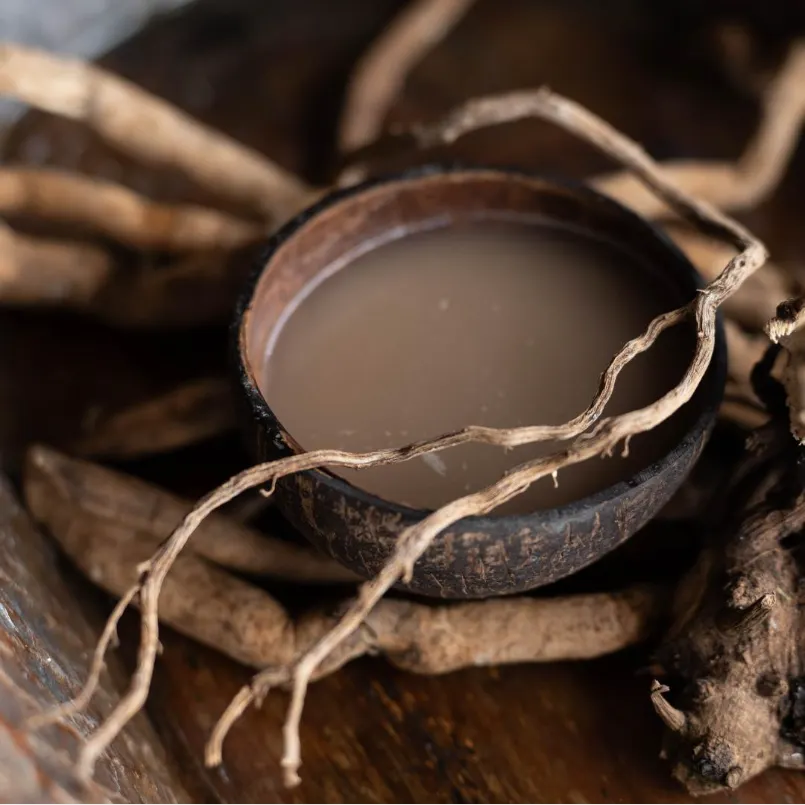
Scientific name: Piper methysticum
Kava is a tropical plant native to the Pacific Islands. Its roots are traditionally used to prepare a beverage served during community gatherings, welcoming ceremonies, and other social occasions. Unlike strongly stimulating plants such as khat, kava is mainly associated with calming and relaxing effects. However, it can cause adverse effects and has been linked to rare but serious liver problems.
5. Thailand and Malaysia — Kratom
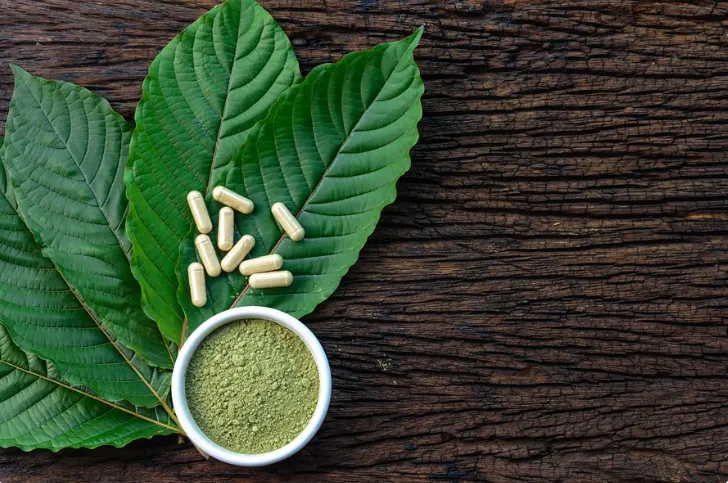
Scientific name: Mitragyna speciosa
Kratom is a tropical tree native to Southeast Asia, particularly associated with Thailand and parts of Malaysia and Indonesia. Its leaves have a history of traditional use in some local communities. Kratom contains alkaloids that interact with the body's opioid receptors, and its effects can vary depending on the product and amount consumed. Potential risks include dependence, withdrawal symptoms, and serious adverse reactions, particularly when combined with other substances.
6. Gabon and Equatorial Africa — Iboga
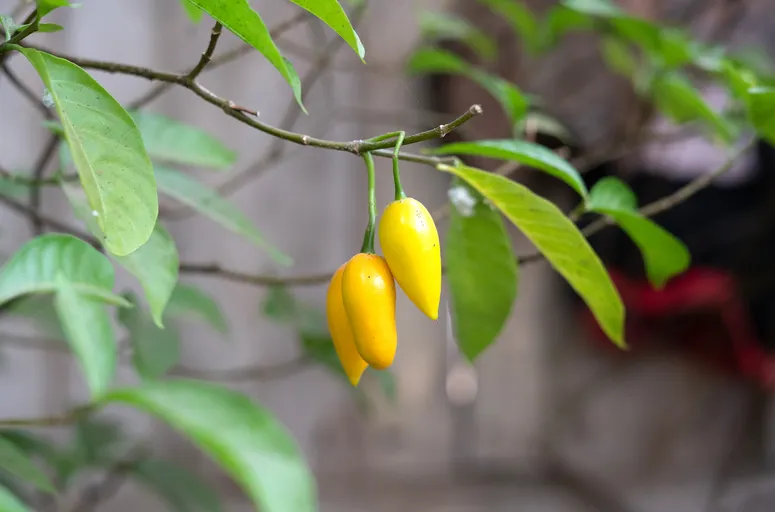
Scientific name: Tabernanthe iboga
Iboga is a shrub native to Central Africa, especially Gabon and neighboring areas. Its roots have a significant role in certain traditional spiritual practices, including ceremonies associated with the Bwiti tradition in Gabon. The plant contains ibogaine, a powerful psychoactive compound. Iboga can cause dangerous heart rhythm disturbances and other serious complications, making unsupervised use particularly hazardous.
7. Mexico — Salvia
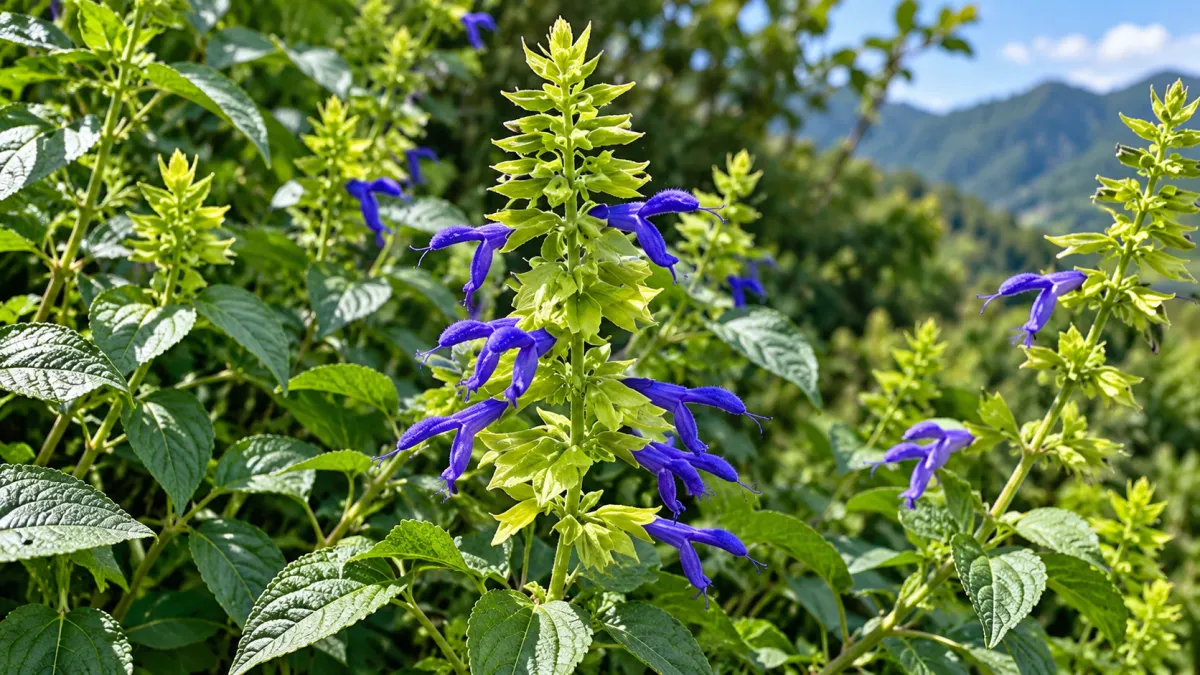
Scientific name: Salvia divinorum
Salvia is a plant native to the Oaxaca region of Mexico. It has traditionally been associated with certain Indigenous Mazatec healing and spiritual practices. Its active compound, salvinorin A, can produce intense changes in perception, awareness, and the sense of surroundings. Its effects can be unpredictable, and its legal status varies across countries and regions.
8. Mexico and the Southwestern United States — Peyote
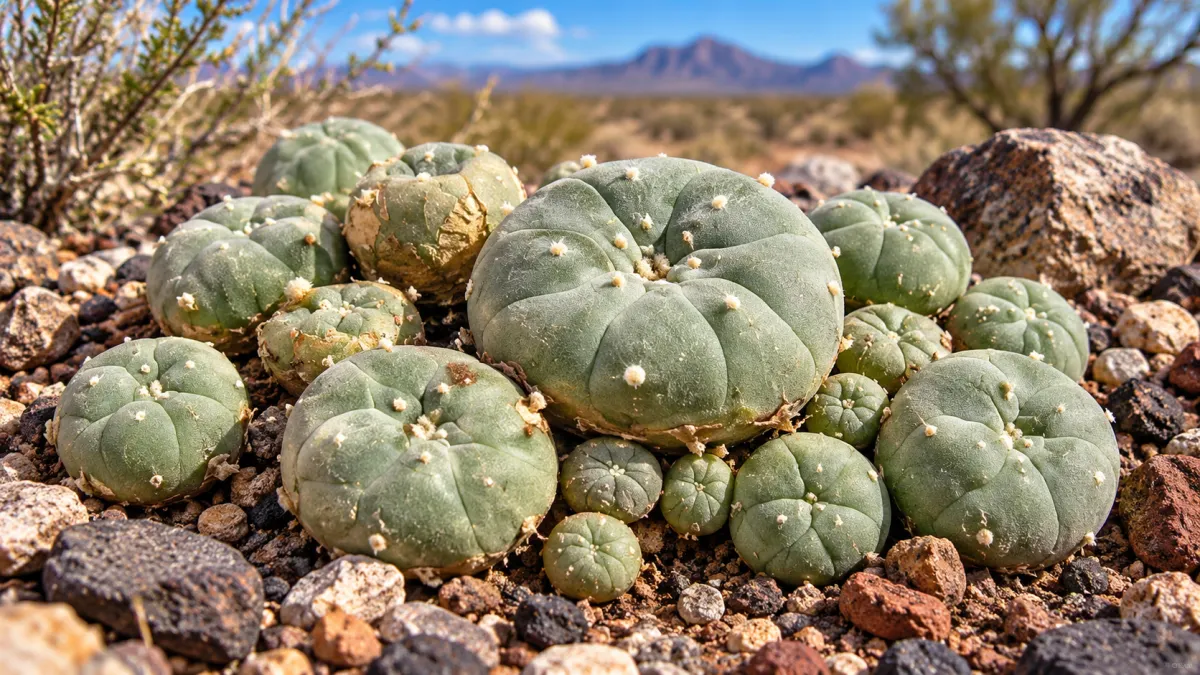
Scientific name: Lophophora williamsii
Peyote is a small cactus native to parts of Mexico and the southwestern United States. It contains mescaline, a psychedelic compound that can cause visual changes and profound alterations in perception. The cactus has ceremonial and spiritual importance in some Indigenous traditions, including the Native American Church. Peyote grows slowly in the wild, and its use and possession are subject to different legal protections and restrictions.
9. Peru, Brazil, Colombia, and the Amazon Basin — Ayahuasca
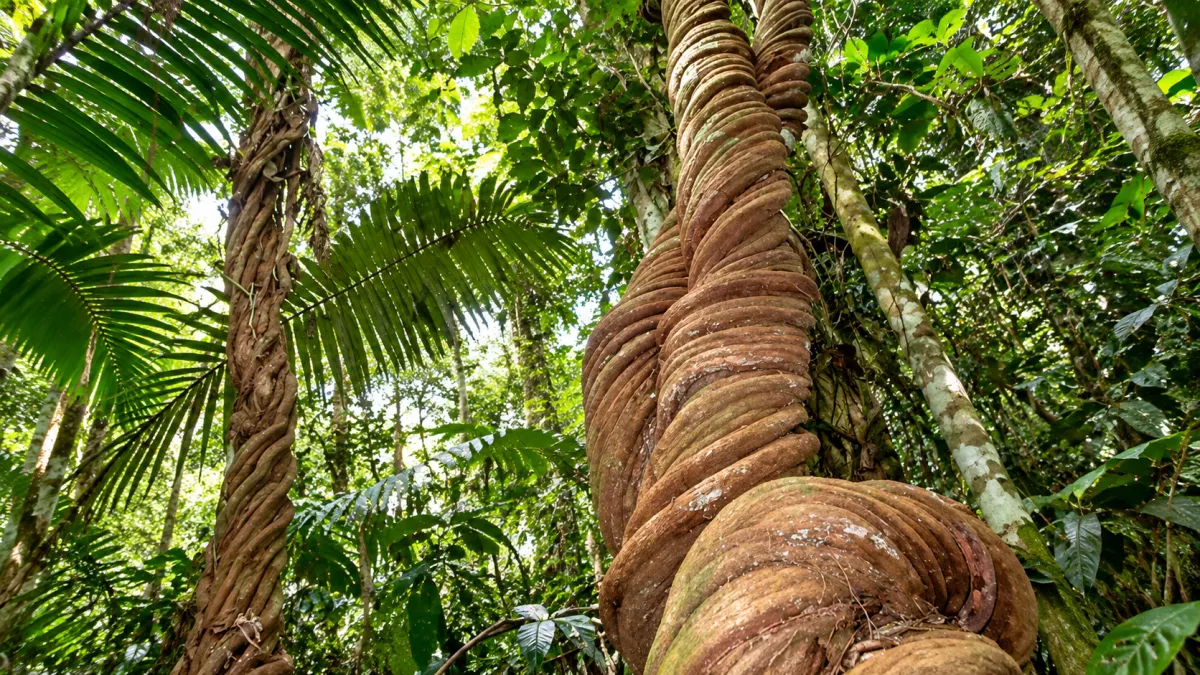
Main plant: Banisteriopsis caapi
Ayahuasca is a traditional psychoactive brew associated with several Indigenous and other communities across the Amazon region. It is commonly prepared using the ayahuasca vine alongside another plant, often Psychotria viridis. The resulting mixture can produce powerful psychological and perceptual effects. Ayahuasca ceremonies have spiritual and cultural significance in some communities, but the brew can also cause adverse reactions and dangerous interactions with certain medications.
10. Nigeria and Ghana — Kola Nut
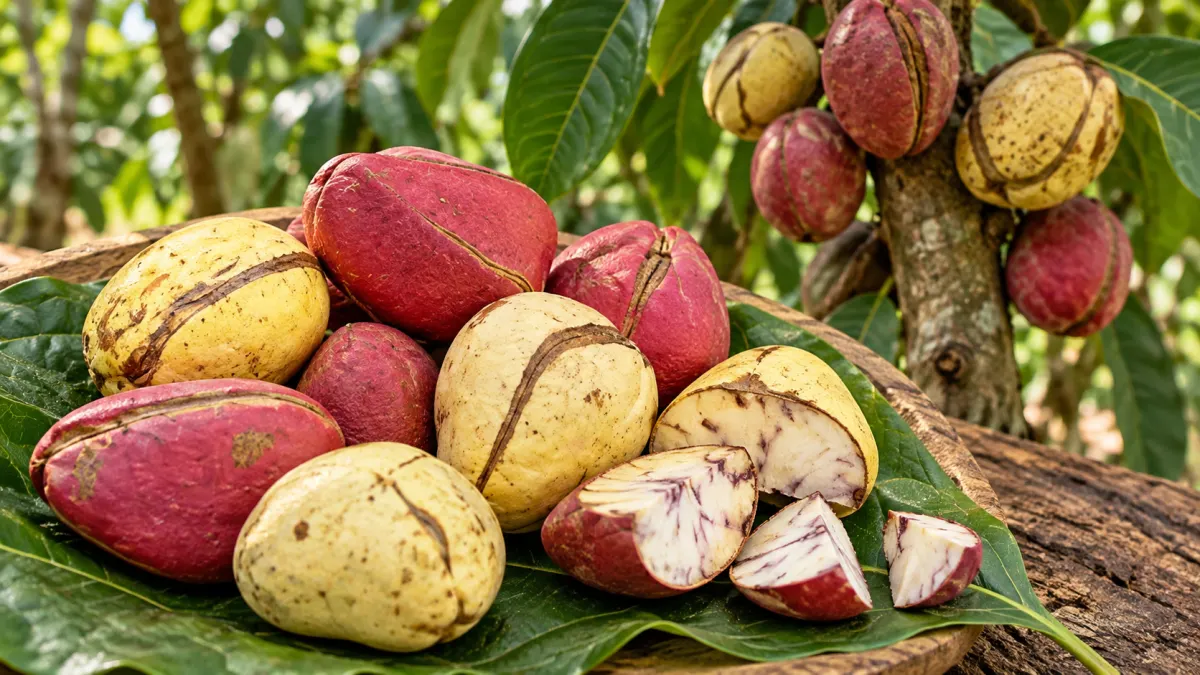
Scientific names: Cola nitida and Cola acuminata
Kola nuts are native to tropical Africa and have longstanding cultural importance in countries such as Nigeria and Ghana. They contain caffeine, which can temporarily increase alertness and reduce feelings of tiredness. Kola nuts have traditionally been offered to guests and used during ceremonies, meetings, and other social occasions. Their stimulant effects are generally milder than those of many strongly psychoactive plants.
11. Brazil and Venezuela — Guarana
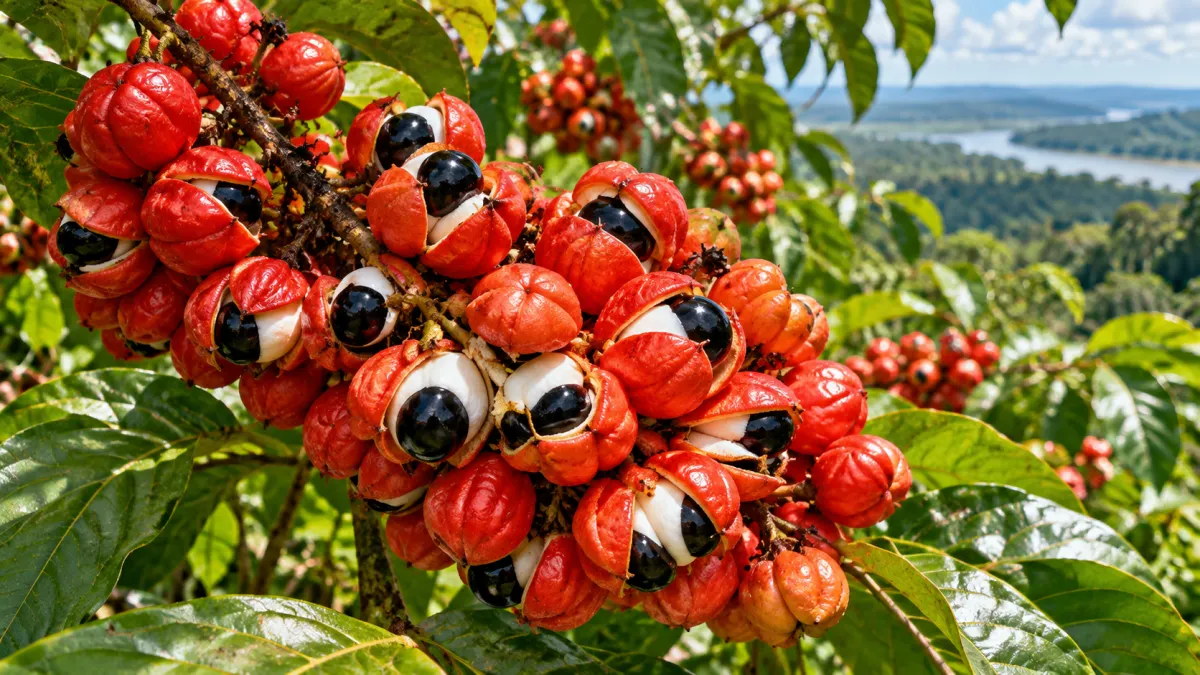
Scientific name: Paullinia cupana
Guarana is a climbing plant native to the Amazon Basin, particularly associated with Brazil. Its seeds contain caffeine and have traditionally been used by Indigenous communities in the region. Today, guarana is also widely used in energy drinks, supplements, and other commercial products. Its main effect is stimulation rather than hallucination, although excessive caffeine intake can cause anxiety, insomnia, and a rapid heartbeat.
12. Argentina, Uruguay, Paraguay, and Southern Brazil — Yerba Mate
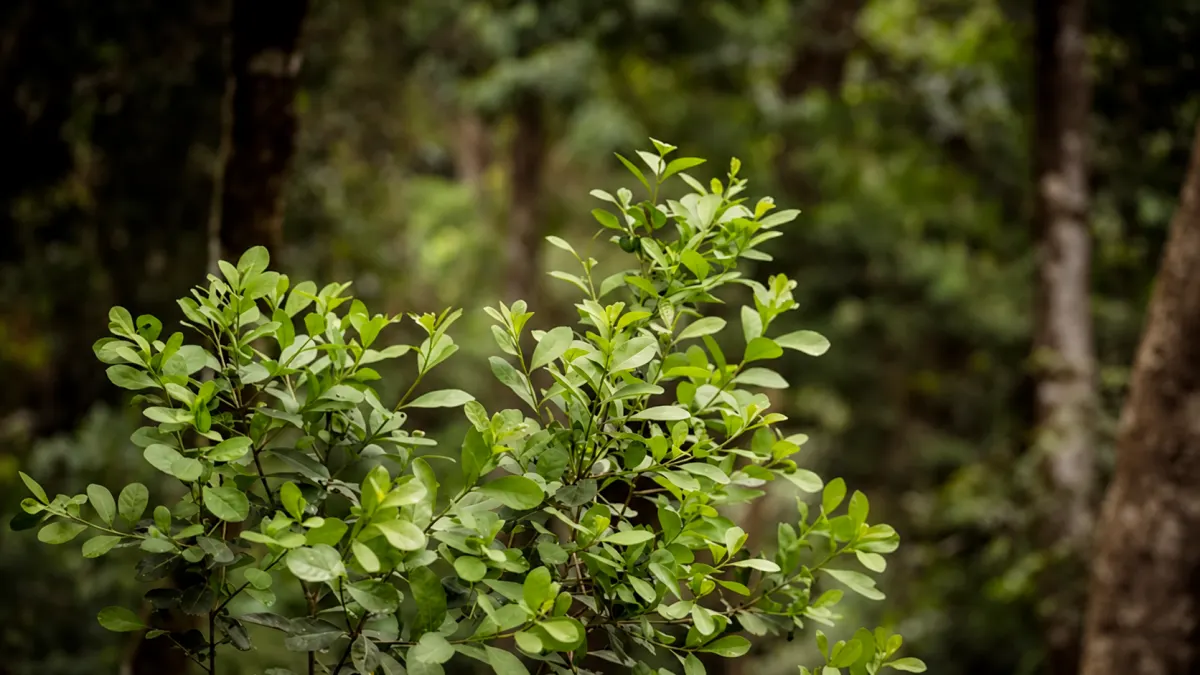
Scientific name: Ilex paraguariensis
Yerba mate is an evergreen tree native to South America. Its leaves are used to prepare a traditional caffeinated beverage that has become especially popular in Argentina, Uruguay, Paraguay, and southern Brazil. Mate drinking is closely linked to social customs, with people often sharing a prepared drink during conversations and gatherings. Its caffeine content can improve alertness, but drinking large amounts may interfere with sleep.
13. China, India, and Sri Lanka — Tea
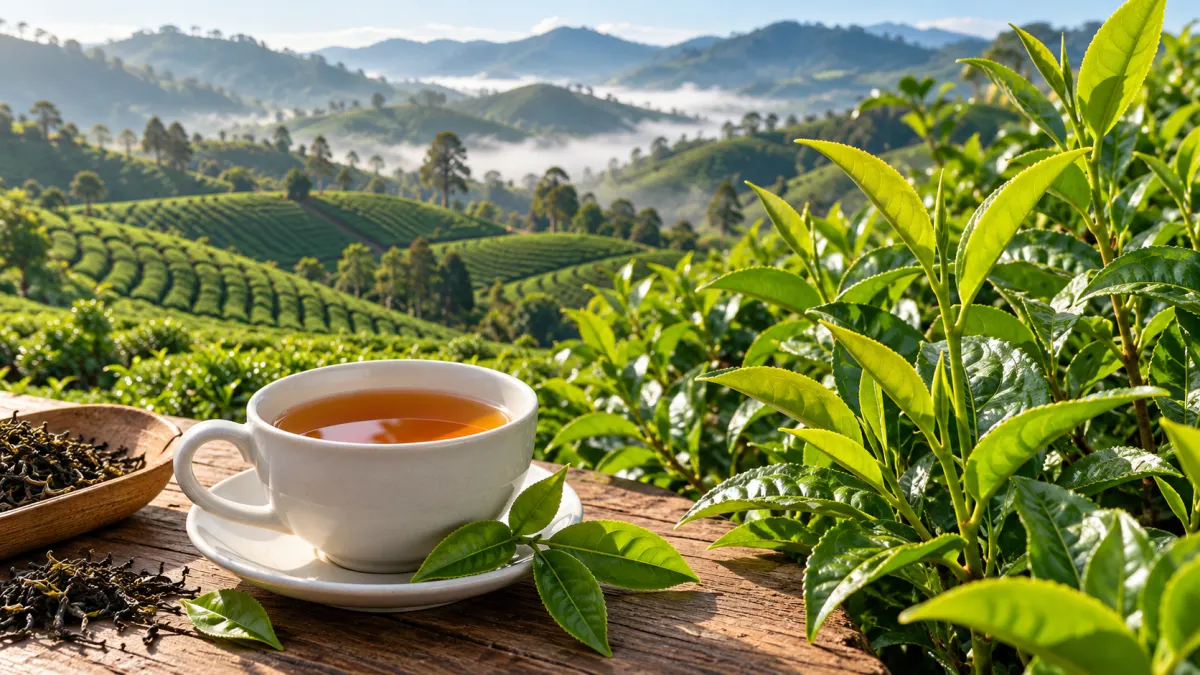
Scientific name: Camellia sinensis
Tea has a long history in China and later spread throughout much of Asia and the world. Its leaves contain caffeine, a natural stimulant that can help increase alertness, as well as other compounds such as L-theanine. Tea has developed into an important part of social life, hospitality, and ceremonial traditions in countries including China, Japan, and India. Unlike strongly psychoactive plants, tea is generally consumed as a mild everyday stimulant.
14. Ethiopia and Yemen — Coffee
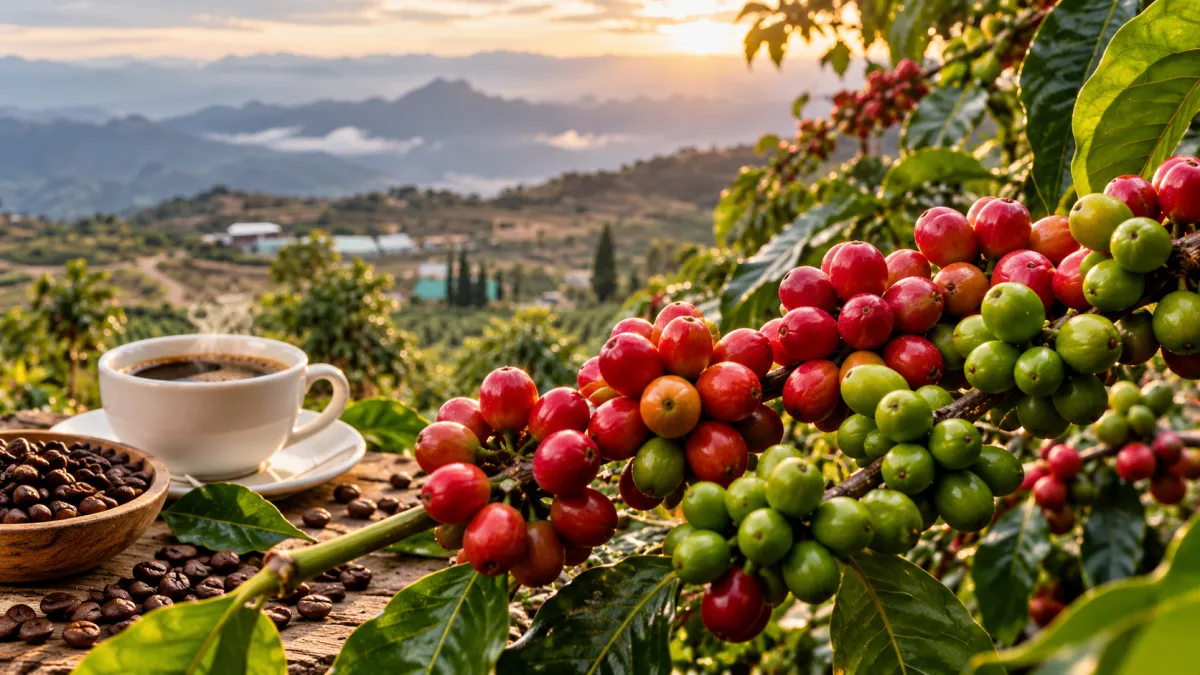
Scientific name: Coffea arabica
Coffee has deep historical connections to Ethiopia, where wild coffee plants originated, and Yemen, where coffee cultivation and trade became important in its early history. Coffee beans contain caffeine, which stimulates the central nervous system and can temporarily reduce tiredness. Coffeehouses later became important places for conversation, business, and cultural exchange in many parts of the world. Excessive consumption can cause restlessness, anxiety, and sleep problems.
15. Indigenous Communities Across the Americas — Tobacco
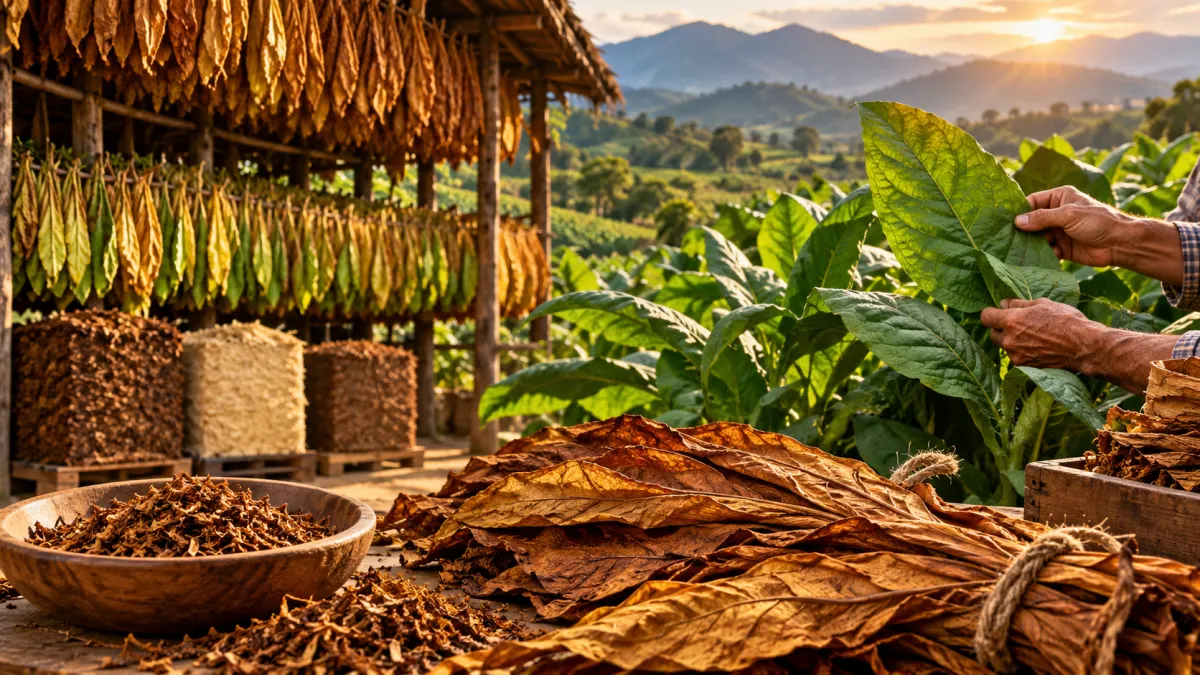
Scientific name: Nicotiana tabacum
Tobacco originated in the Americas and was used by Indigenous peoples long before it spread worldwide. In some communities, it held ceremonial, medicinal, and spiritual significance. Its active compound, nicotine, is highly addictive and affects the nervous system. Although tobacco became a global commercial product, smoking it is associated with serious health risks, including cancer, cardiovascular disease, and respiratory illness.
16. India and Other Parts of South Asia — Cannabis
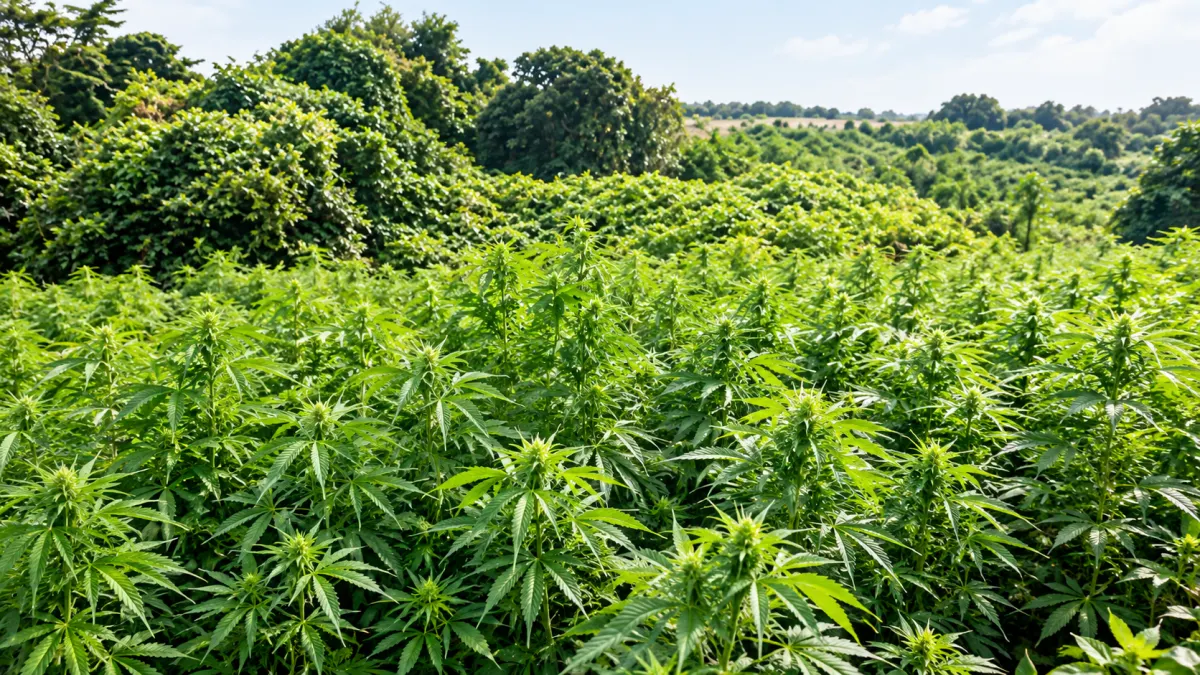
Scientific name: Cannabis sativa
Cannabis has a long history of use in parts of South Asia, where it has appeared in traditional, medicinal, religious, and social contexts. The plant contains cannabinoids, including THC, which can alter perception, mood, memory, and coordination. Cannabis use has taken many forms across different cultures, and its legal status varies considerably around the world. It can also cause adverse psychological effects and may lead to dependence in some users.
17. Central Asia and the Eastern Mediterranean — Opium Poppy
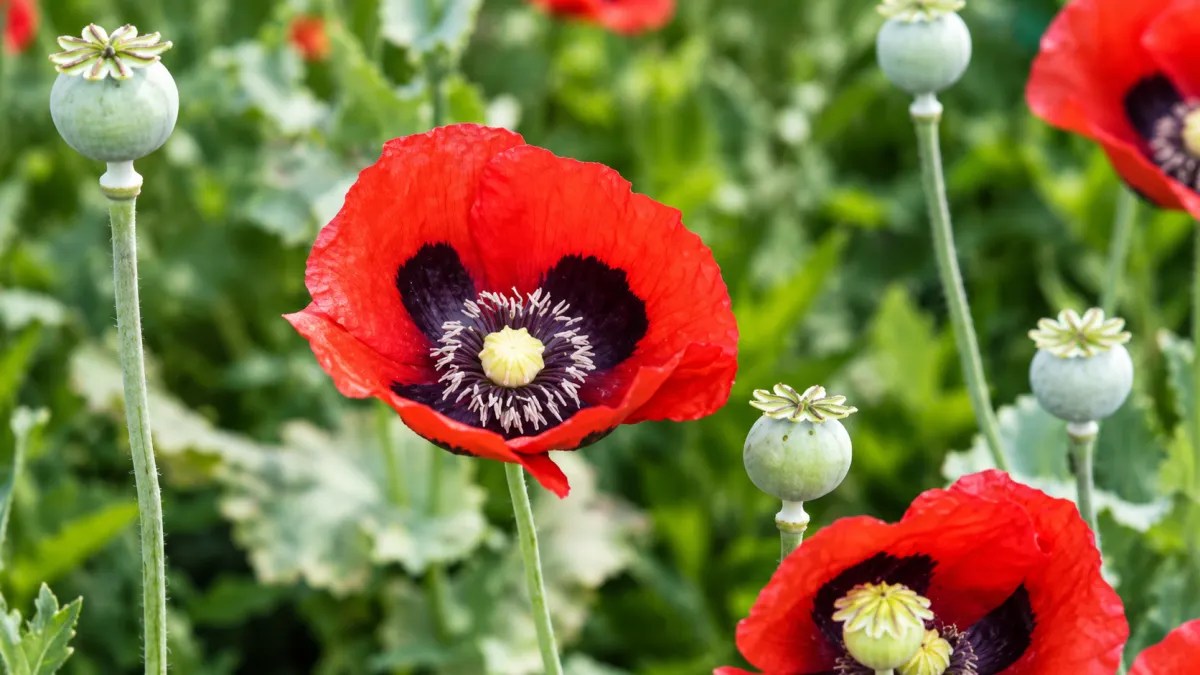
Scientific name: Papaver somniferum
The opium poppy has a long history of cultivation across parts of the Mediterranean and Asia. Its seed capsules contain a latex from which opium can be obtained, including alkaloids such as morphine and codeine. These compounds have played an important role in medicine, particularly in pain management, but they can also cause dependence and potentially fatal respiratory depression. The plant's medical uses and nonmedical use are subject to strict controls in many countries.
18. Mexico and Central America — Morning Glory
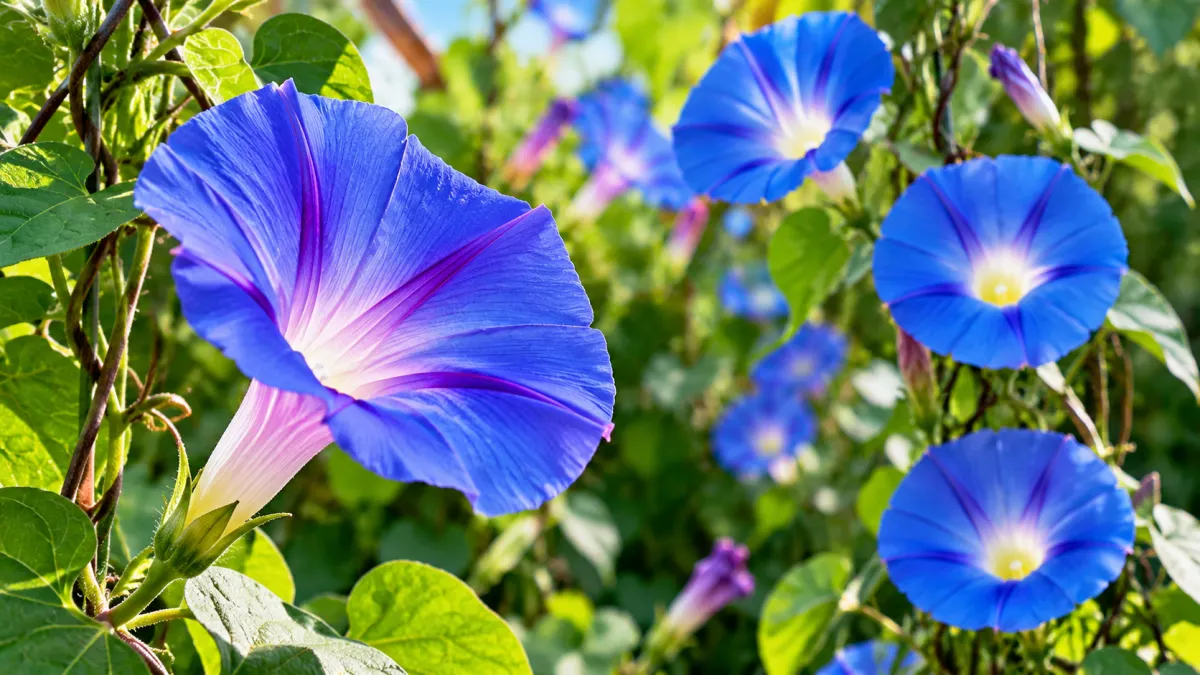
Scientific name: Ipomoea tricolor
Certain morning glory varieties have a history of ceremonial use among Indigenous communities in Mexico and Central America. Their seeds contain compounds related to lysergic acid, including ergine, which may produce psychoactive effects. However, the chemical composition and effects can vary, and the seeds may also contain substances that cause nausea and other adverse reactions. These plants should not be confused with the many ordinary ornamental morning glory varieties grown in gardens.
19. Northern Europe and Parts of Asia — Henbane
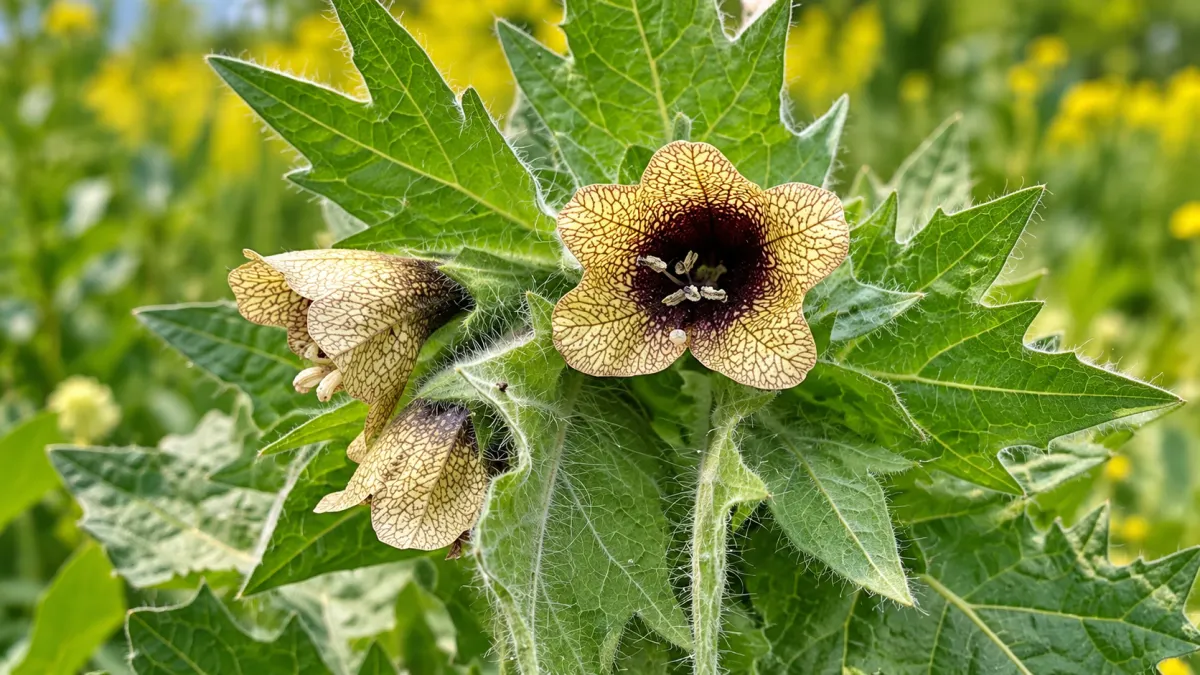
Scientific name: Hyoscyamus niger
Henbane is a poisonous plant native to parts of Europe, North Africa, and Asia. It appears in historical accounts of traditional medicine, folklore, and old European herbal practices. The plant contains tropane alkaloids, including hyoscyamine and scopolamine, which can affect the nervous system. Unlike relatively mild stimulants such as tea or coffee, henbane can cause severe poisoning, delirium, seizures, and potentially fatal complications. It is not safe for recreational experimentation.
20. The Amazon Region — Chacruna
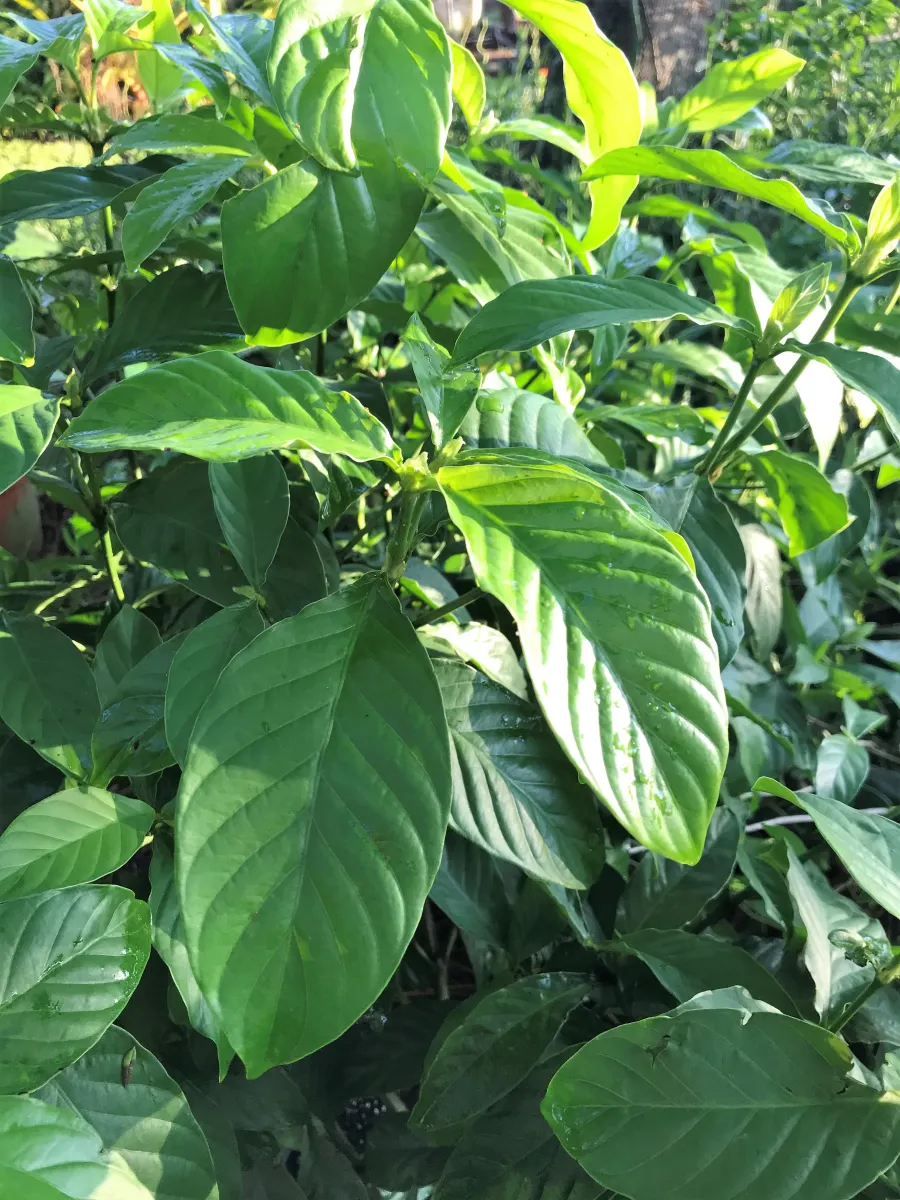
Scientific name: Psychotria viridis
Chacruna is a tropical shrub native to parts of South America, particularly the Amazon region. It is best known as one of the plants traditionally used in certain ayahuasca preparations. Its leaves contain DMT, a powerful psychedelic compound whose effects depend on how it is consumed and on the other ingredients involved. Chacruna has cultural and ceremonial significance in some Amazonian traditions, but preparations containing its active compounds can carry substantial risks, including dangerous interactions with medications.
Why Do Different Cultures Have Their Own Traditional Psychoactive Plants?
The use of these plants reflects the environments, histories, and customs of different societies. In some regions, people traditionally relied on local plants to stay alert during demanding work. Elsewhere, plants became associated with hospitality, shared meals, spiritual ceremonies, or traditional healing practices.
Geography also played an important role. Khat became established in parts of East Africa and the Arabian Peninsula, coca became associated with Andean cultures, and kava developed a central place in the social traditions of Pacific Island communities.
However, a plant's traditional status does not automatically make it safe. Natural substances can have powerful effects, cause dependence, interact with medicines, or lead to poisoning. Laws governing their possession and use also differ widely between countries.
Frequently Asked Questions
Which countries are most closely associated with khat?
Khat is particularly associated with Yemen, Ethiopia, Somalia, and Kenya, where its leaves have traditionally been used as a stimulant in certain communities.
Which traditional plants have stimulating effects?
Khat, coca, kola nut, guarana, yerba mate, coffee, tea, and tobacco contain compounds that can stimulate the nervous system. Their effects and risks vary considerably.
Which traditional plants can cause hallucinations?
Salvia, peyote, certain morning glory varieties, and plants used in ayahuasca preparations can produce changes in perception. Some, such as iboga and henbane, can also cause severe or dangerous reactions.
Are all traditional psychoactive plants illegal?
No. Legal status varies by plant, country, preparation, and intended use. Some are common foods or beverages, while others are controlled substances or are subject to specific restrictions.
Are natural psychoactive plants safe to use?
Not necessarily. Natural origin does not guarantee safety. Some plants can cause dependence, poisoning, severe psychological effects, or dangerous interactions with prescription medicines.