
You don't have to apply excessive force or reach for heavy-duty tools right away. With a few simple techniques, from using penetrating oil to applying controlled taps and choosing the right screwdriver, you can improve your chances of loosening a rusty screw without damaging it.
Inverter vs. Non-Inverter Air Conditioners: Which Uses Less Electricity?
Why Won't a Rusty Screw Come Loose?
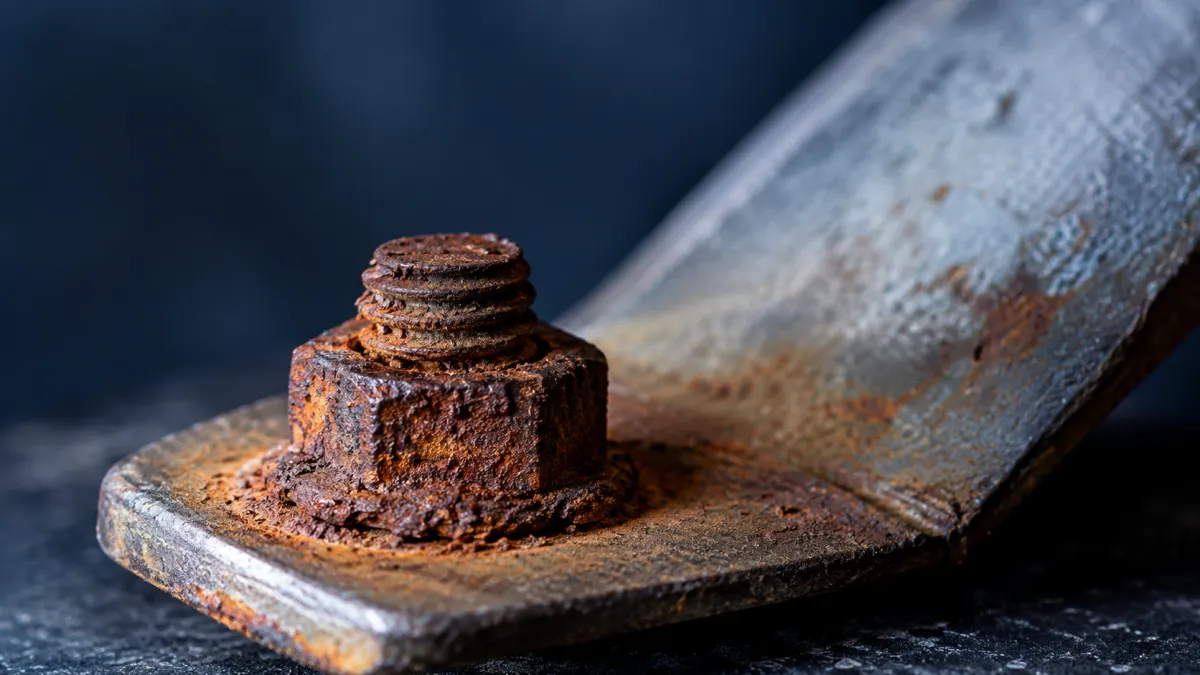
Rust forms when metal reacts with moisture and oxygen. Over time, corrosion can build up in the tiny spaces between the screw's threads and the surrounding material, making the screw difficult to turn. Paint, dust, and dried grease can make the problem even worse.
The most important rule is to avoid forcing a rusty screw to turn. Too much pressure can strip the screw head or even snap the screw. Instead, start by loosening the corrosion, then use the right tool to remove the screw slowly and carefully.
Trick #1: Use Penetrating Oil — The Best Place to Start
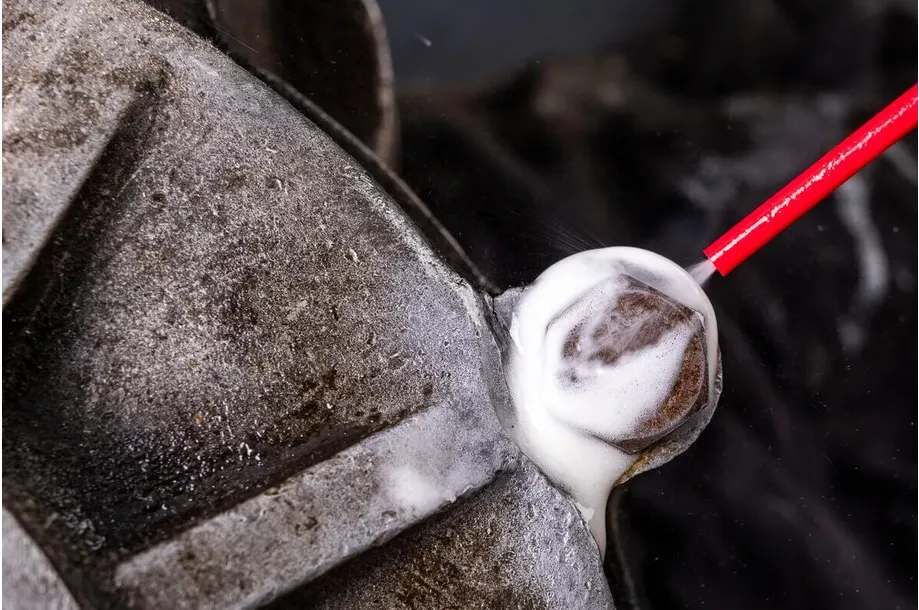
If you try just one method, start with a penetrating oil designed to loosen rusted screws, bolts, and nuts. These products are formulated to work their way into the narrow spaces between threads and help free stuck metal connections.
What you'll need:
- Penetrating oil spray
- A suitable screwdriver or wrench
- A small brush and a cloth
- Protective gloves and safety glasses
How to do it:
- Use a brush to remove loose rust and dust from around the screw.
- Apply a suitable amount of penetrating oil to the joint between the screw and the surrounding material.
- Wait several minutes or longer, following the product instructions. Severely rusted screws may need more time.
- Fit the correct screwdriver firmly into the screw head.
- Apply steady downward pressure and slowly turn the screw in the loosening direction.
If the screw still won't move, apply more penetrating oil and give it additional time to work. Increasing the force suddenly is rarely the best solution.
Trick #2: Use Gentle Taps to Break Up the Rust
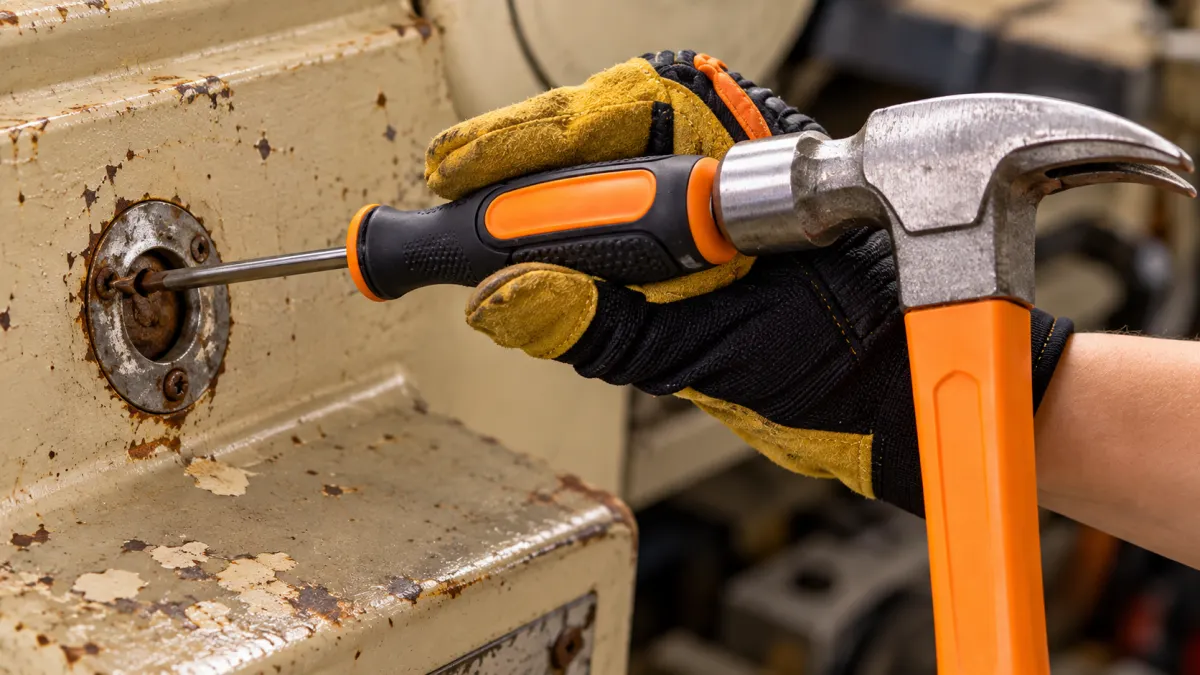
Sometimes, corrosion acts like glue between the screw and the surrounding material. A few light, controlled taps can help loosen the connection.
How to do it:
- Apply penetrating oil to the screw first.
- Use a small hammer to deliver a few gentle taps to the screw head. Avoid heavy blows.
- Skip this step if the screw is installed in a delicate, plastic, or brittle component.
- Try turning the screw again with the correct tool, without applying sudden force.
Important: Stop if the screw head starts to become damaged. Heavy impacts or an incorrectly sized screwdriver can make the screw even harder to remove.
Trick #3: Choose the Right Screwdriver — A Small Detail That Makes a Big Difference
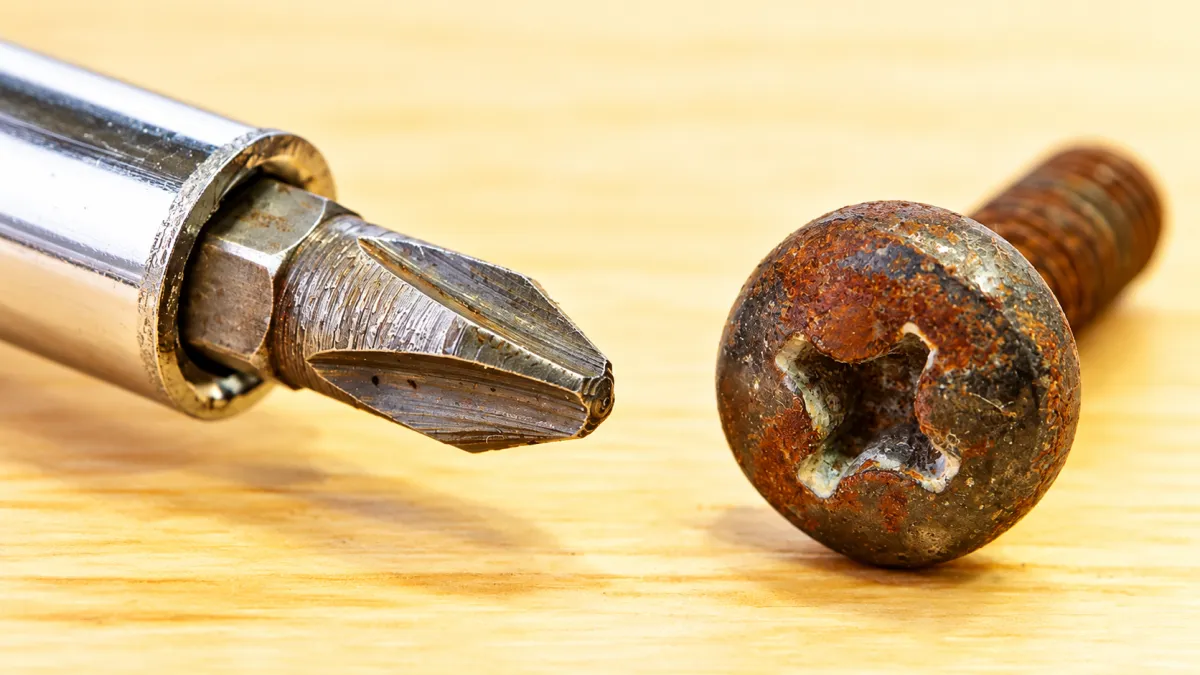
Sometimes, rust isn't the only problem. An unsuitable screwdriver can slip out of the screw head and damage the slot, making removal much more difficult.
To avoid this:
- Identify the screw head type. Is it flathead, Phillips, or another design?
- Choose a screwdriver bit that fits snugly without wobbling.
- Keep the screwdriver straight and apply consistent pressure while turning.
- If the screw is extremely tight, consider using a wrench or a specialized tool designed for that screw type.
If the screw head is rounded off or the slot is badly damaged, locking pliers may work for screws with exposed heads. A dedicated screw extractor is another option for damaged screw heads.
Trick #4: What If the Screw Still Won't Come Out?
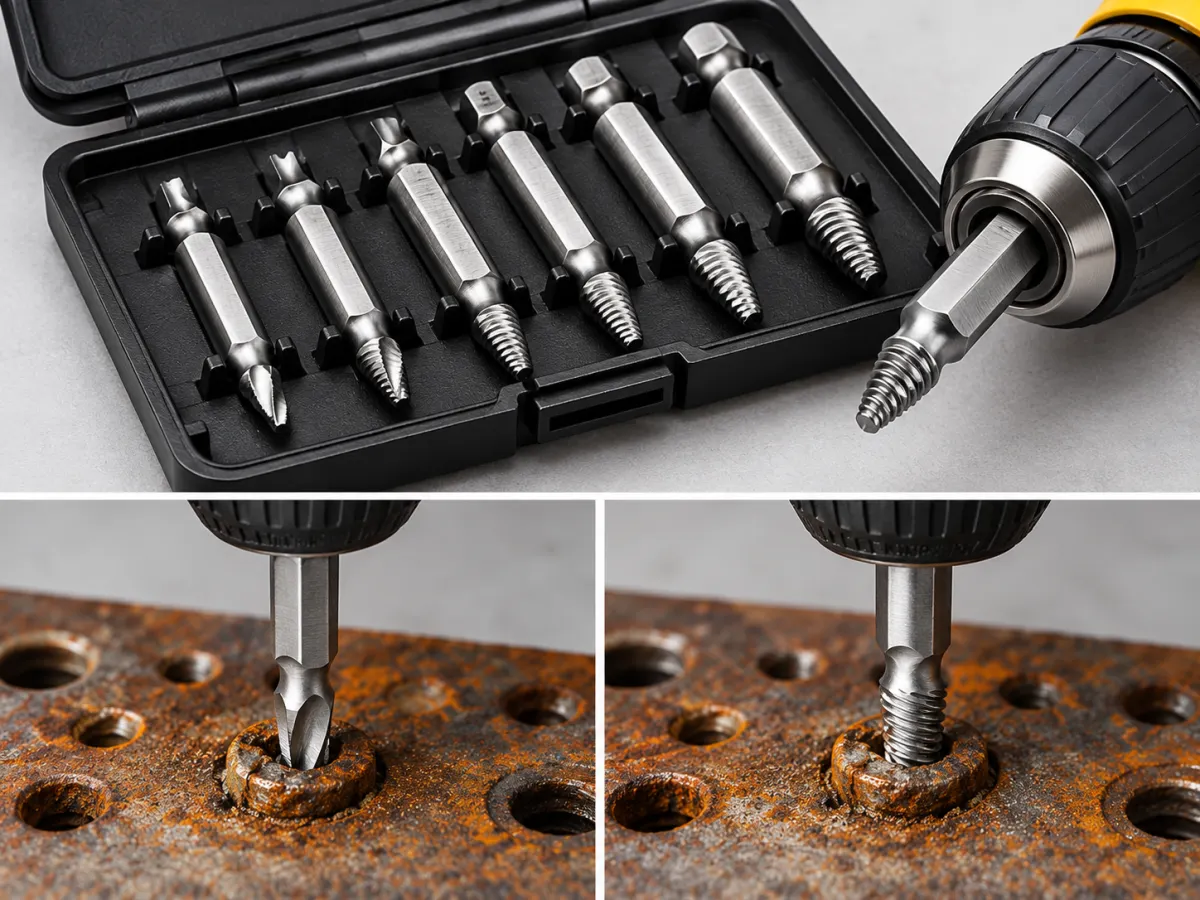
If the screw remains stuck after several applications of penetrating oil and careful attempts, change your approach instead of applying more force.
- Is the screw head sticking out? Grip it firmly with suitable locking pliers and turn it slowly.
- Is the screw head stripped? Use a screw extractor designed for damaged screws and follow the manufacturer's instructions.
- Is the screw broken or recessed into the material? Precise drilling and an extraction tool may be necessary. If you lack experience, consider asking a professional repair technician for help.
We don't recommend using an open flame as a quick household fix. Penetrating oils and sprays may be flammable, while heat can damage nearby plastic, paint, wiring, and other components.
Does Vinegar or Soda Help Remove a Rusty Screw?
Methods involving vinegar or soda are sometimes suggested for removing surface rust. However, they are generally less reliable than penetrating oil when the goal is to quickly loosen a seized screw.
Acidic liquids can also damage paint, metal coatings, or nearby components.
If the screw is attached to equipment connected to electricity, water, or gas, make sure the equipment is safe to work on first. Avoid spilling liquids onto electrical connections or sensitive components.
Mistakes to Avoid When Removing a Rusty Screw
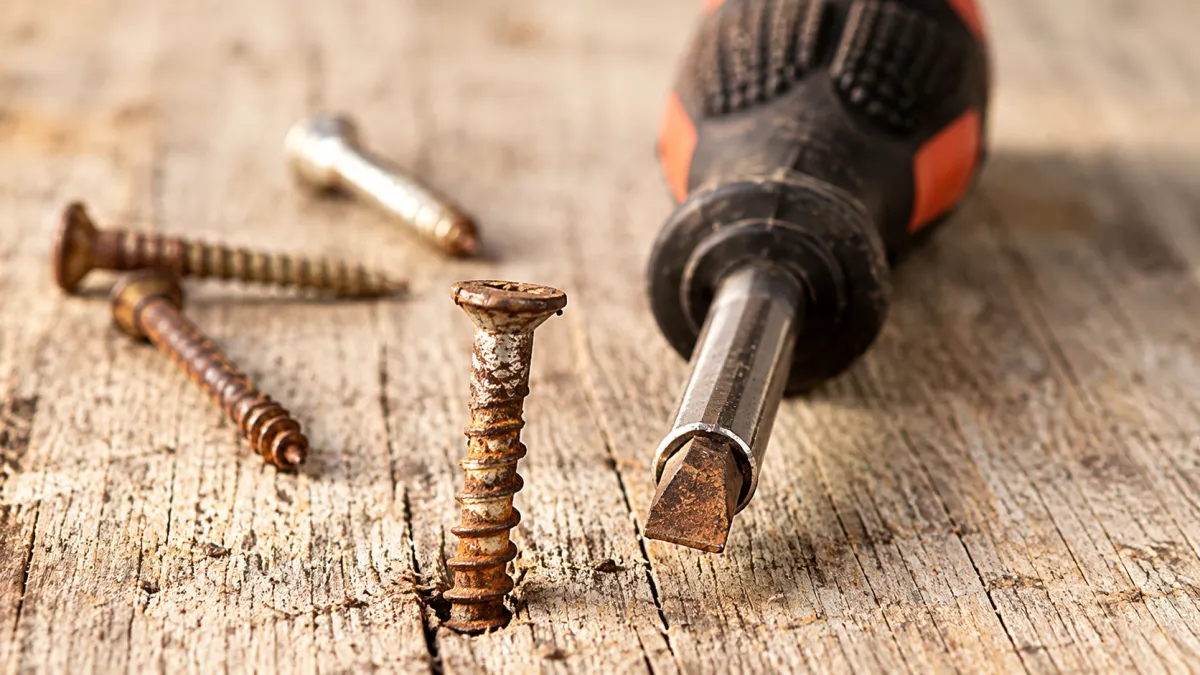
- Don't use excessive force: You could snap the screw or strip its head.
- Don't use a loose-fitting tool: The wrong screwdriver bit can damage the screw head.
- Don't wipe away the penetrating oil immediately: Give the product time to reach the stuck connection.
- Don't use an open flame near flammable materials: This creates a risk of fire and damage to nearby components.
- Don't skip safety glasses: Rust particles can fly off while brushing or tapping the screw.