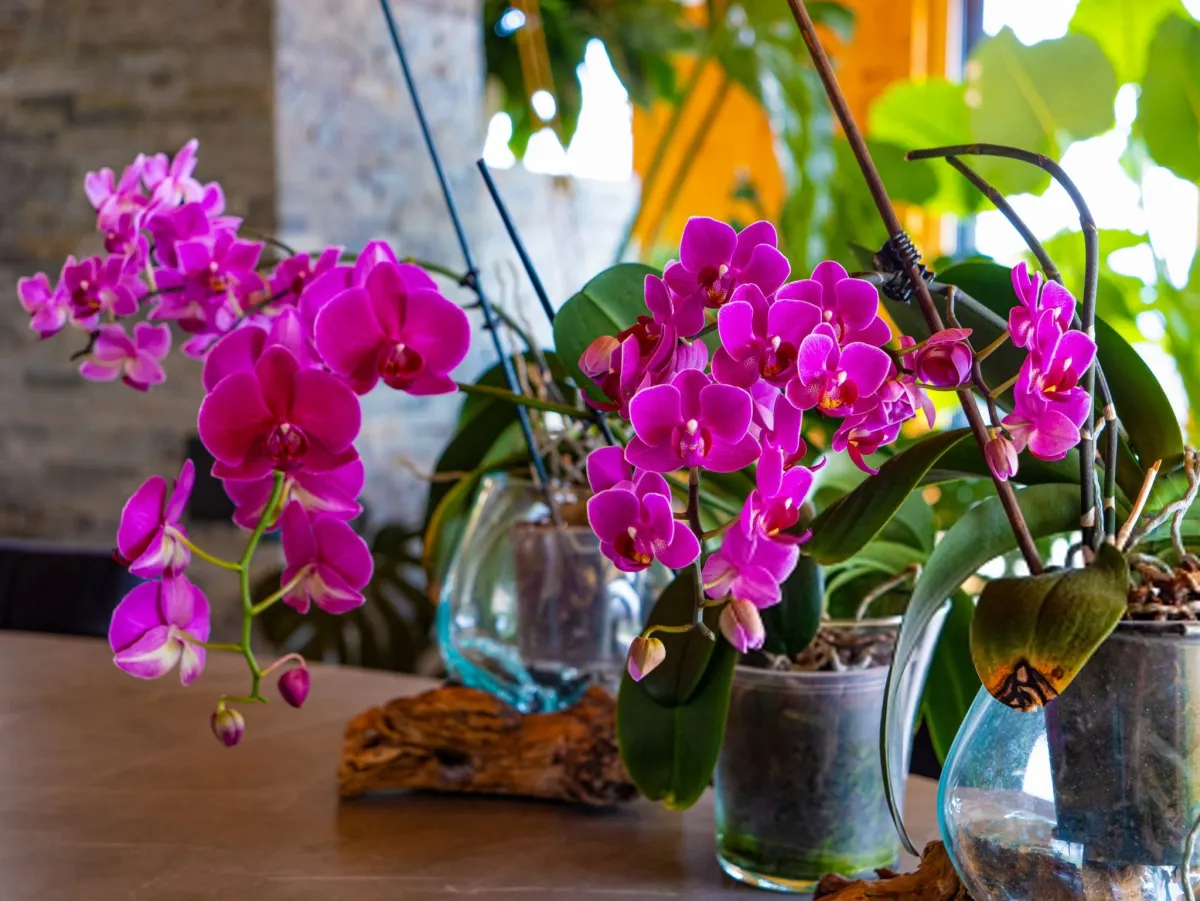

Orchids are among the most fascinating flowering plants in the world. Their unusual shapes, elegant blooms, and wide range of colors have made them popular both as houseplants and decorative flowers. From delicate white and pink blossoms to vivid purple, yellow, red, and orange varieties, orchids can add a sophisticated touch to almost any indoor space.
But orchids are more than beautiful flowers. They have unique growing requirements, and understanding their light, water, temperature, humidity, and potting needs is essential for keeping them healthy and encouraging them to bloom again.
Read More
What Is an Orchid?
Orchids belong to the Orchidaceae family, one of the largest families of flowering plants. They are perennial herbaceous plants, and depending on the variety and growing conditions, mature orchids can reach approximately 12 to 36 inches (30 to 91 cm) in height.
Orchids generally prefer bright light or partial shade rather than harsh, direct sunlight. Their flowers can appear in many colors, including white, pink, purple, red, yellow, orange, and green.
Many orchids are also considered safe to keep around pets.
Popular Types of Orchids
There are thousands of orchid species and a huge number of hybrids. Knowing which type of orchid you have can make caring for it much easier.
Phalaenopsis Orchid
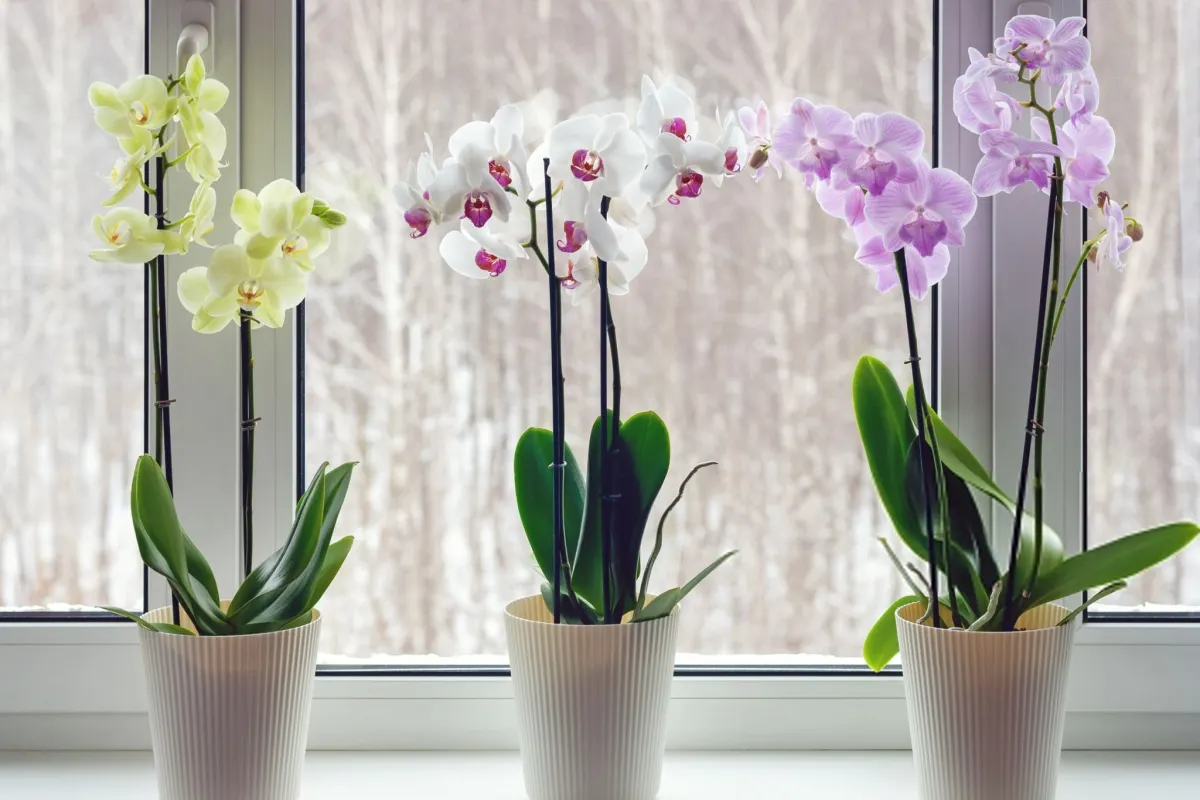
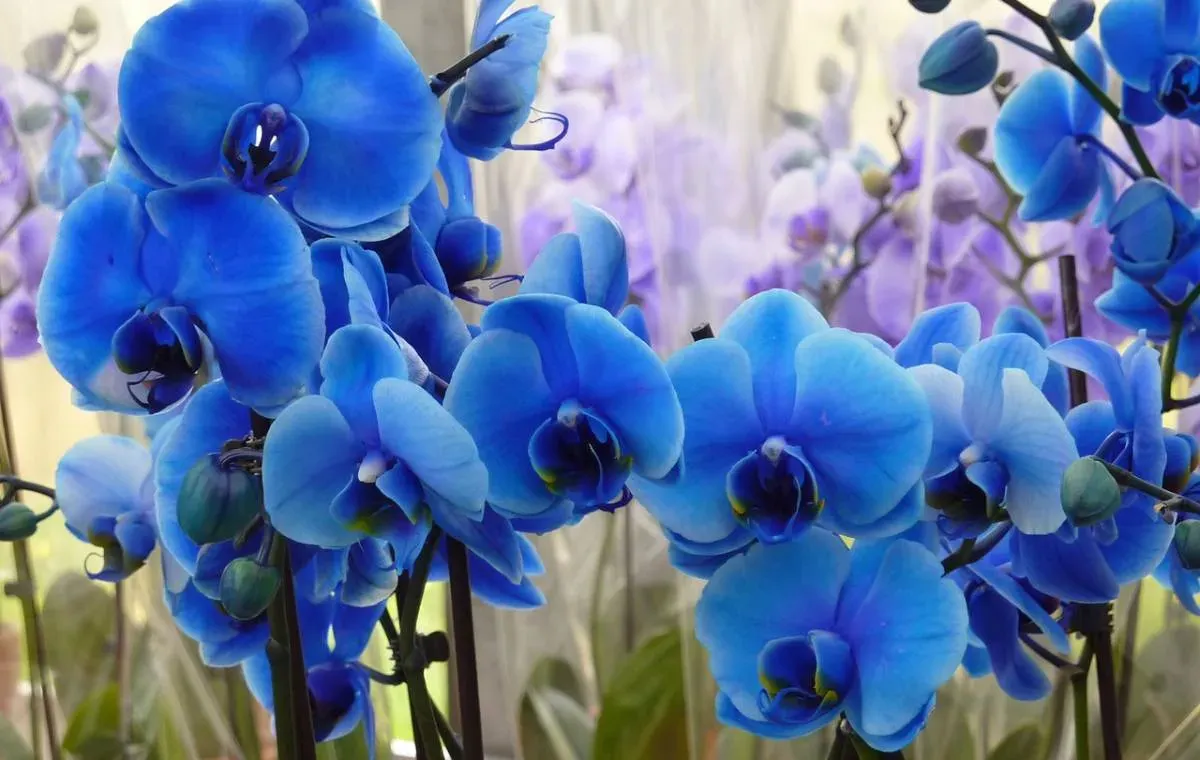
Often called the moth orchid, Phalaenopsis is one of the most popular orchids for indoor growing. Its rounded flowers develop along tall flower spikes rising from a cluster of thick, oval leaves.
The flowers are commonly white, pink, purple, or combinations of these colors.
Dendrobium Orchid
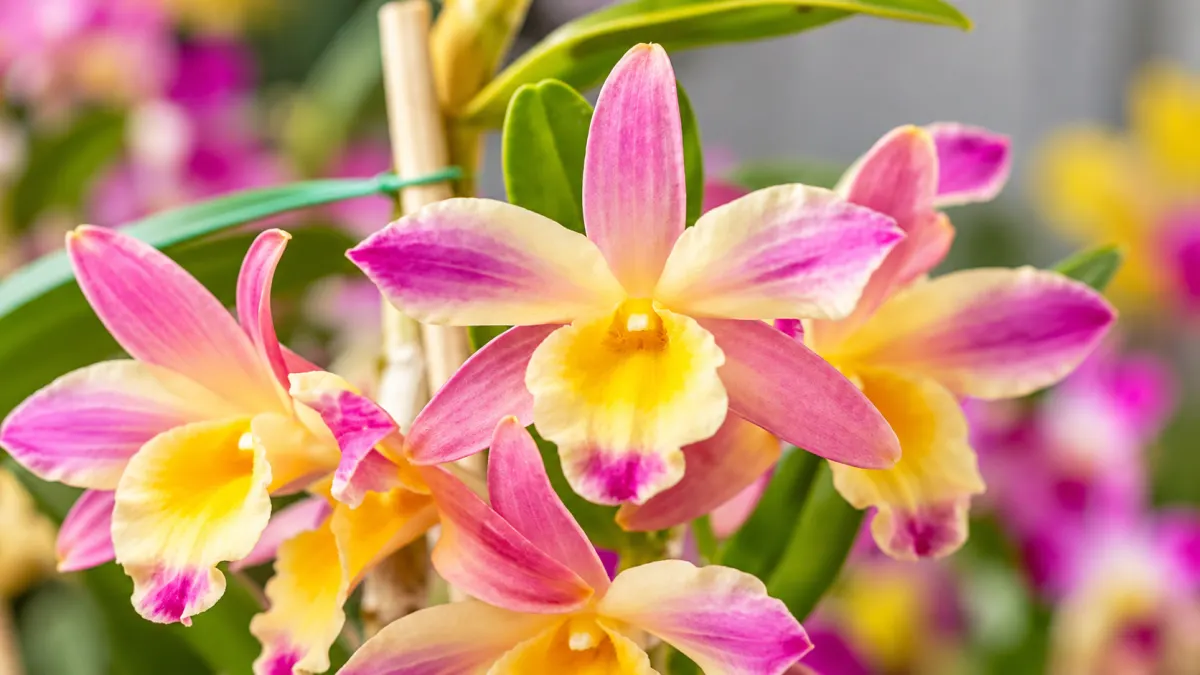
Dendrobium orchids produce smaller flowers along upright, thick stems. A single plant can develop several flower clusters, creating an impressive display.
Their leaves are generally narrow and grow along cane-like stems.
Cattleya Orchid
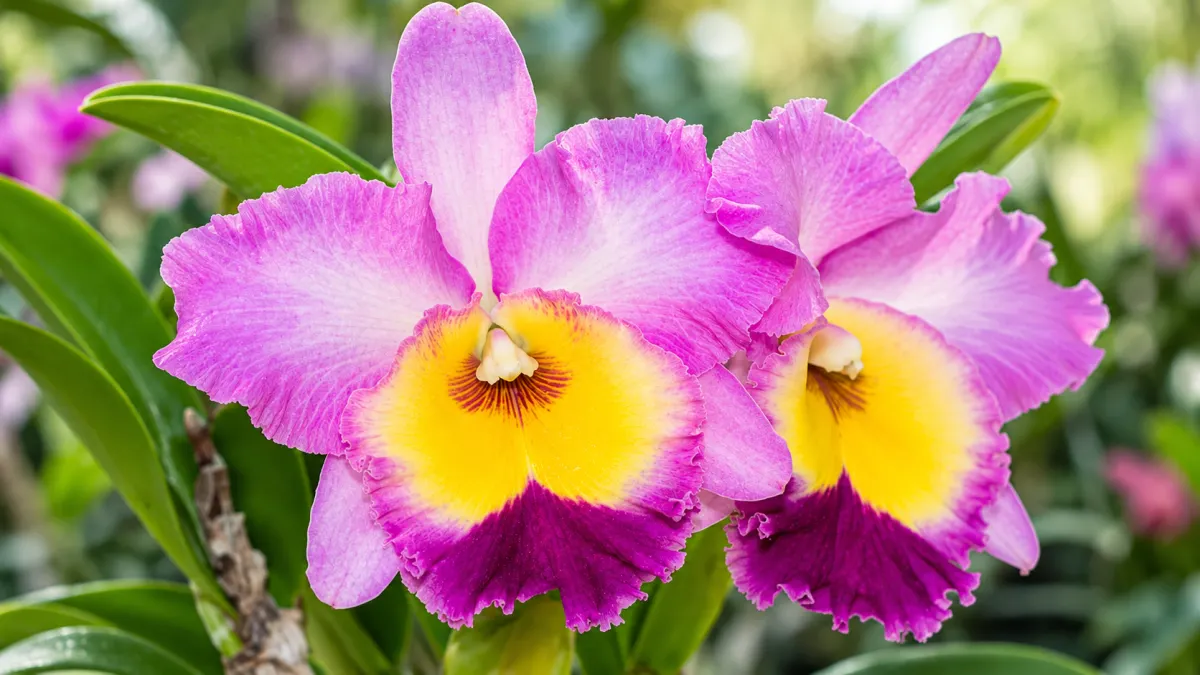
Cattleya orchids are widely used in floral arrangements and are known for their remarkable variety. Many hybrids feature unusual colors, patterns, stripes, spots, and two-tone flowers.
Some Cattleya varieties are also highly fragrant.
Cymbidium Orchid
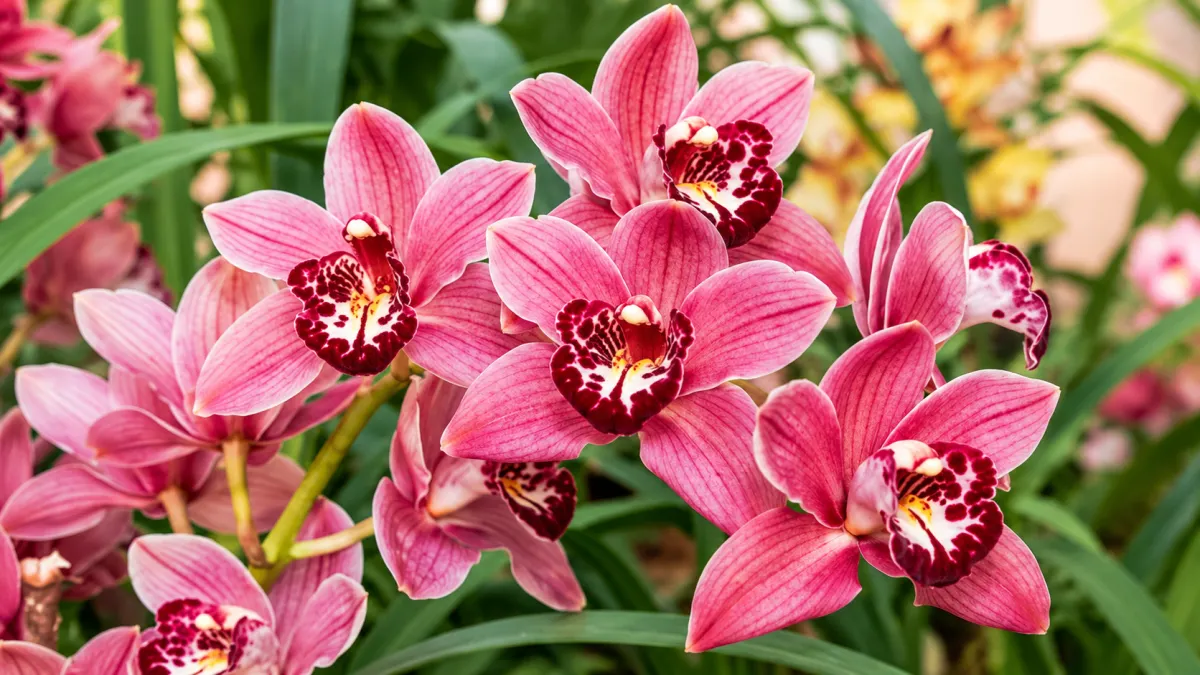
Cymbidium orchids produce multiple flower spikes and can create a particularly impressive floral display. Their flowers may appear in shades such as lime green, yellow, red, and light pink.
They can also be an interesting choice for people who are beginning to explore orchid care.
What Do Orchids Symbolize?
Orchids have carried different meanings across cultures. Their unusual beauty and delicate appearance have made them symbols of qualities such as beauty, love, refinement, strength, and elegance.
White Orchids
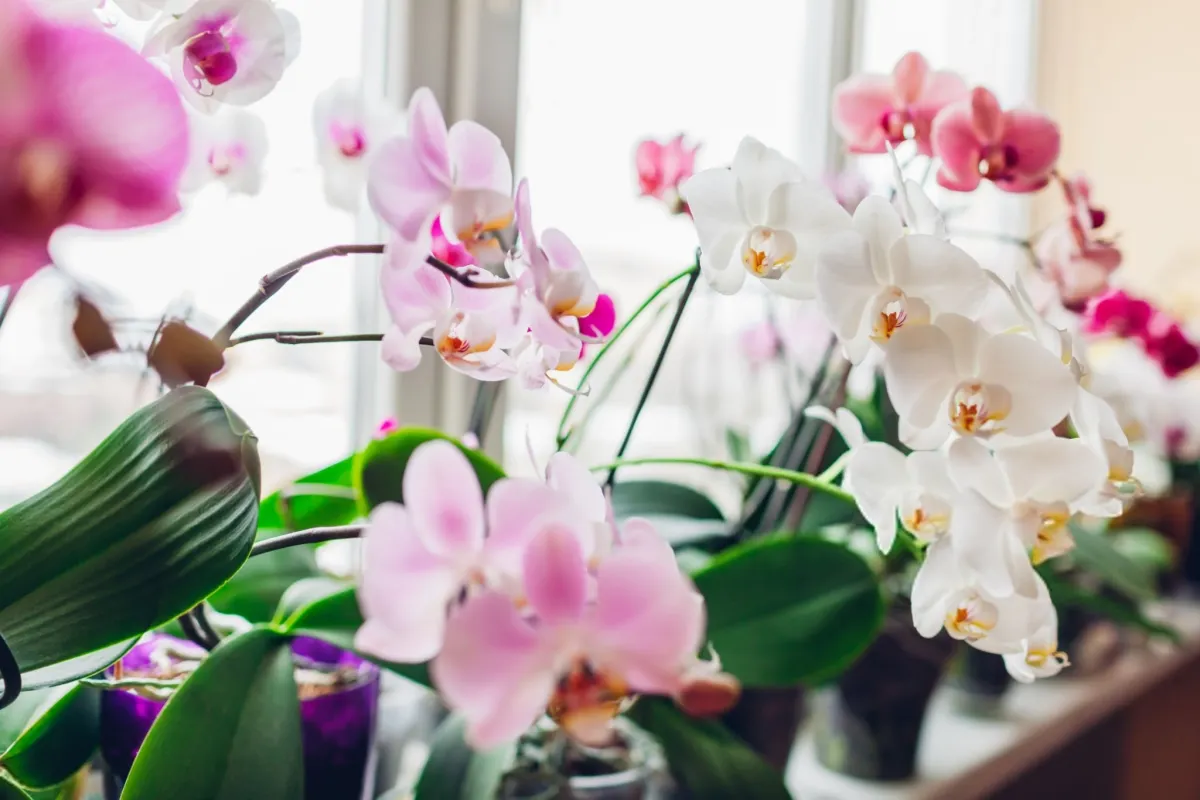
White orchids are often associated with purity, spiritual perfection, peace, and sincerity.
Purple Orchids
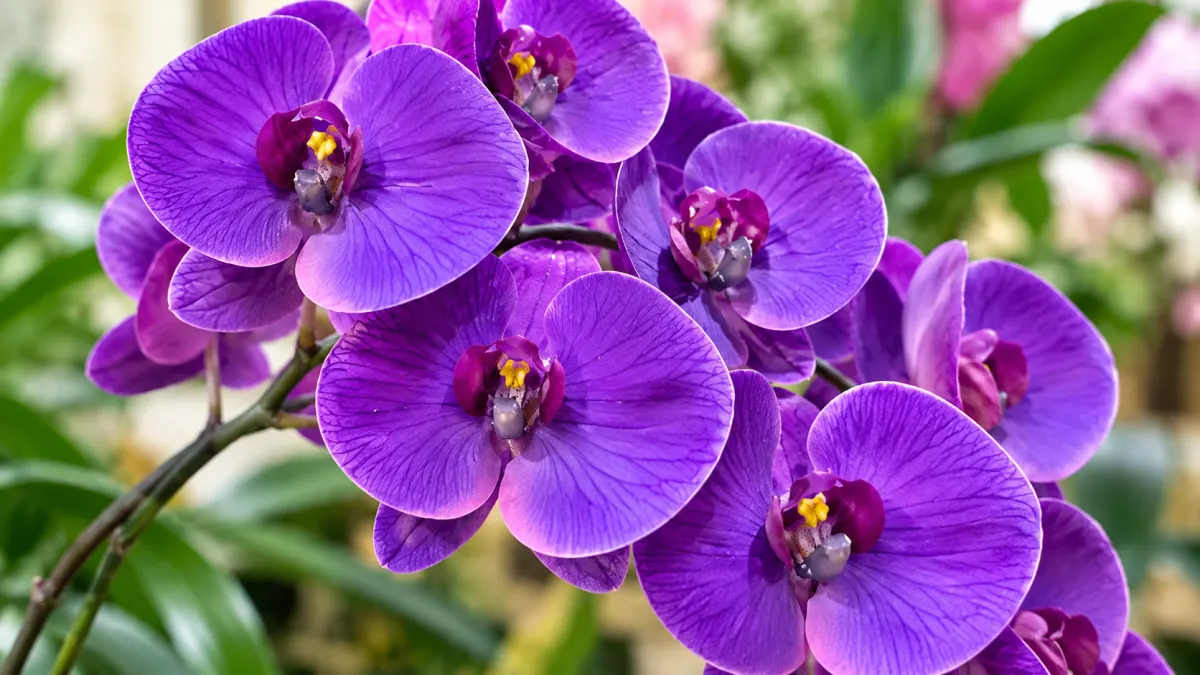
Purple orchids have traditionally been connected with royalty, dignity, respect, and wealth. They can also represent admiration for someone special.
Pink Orchids
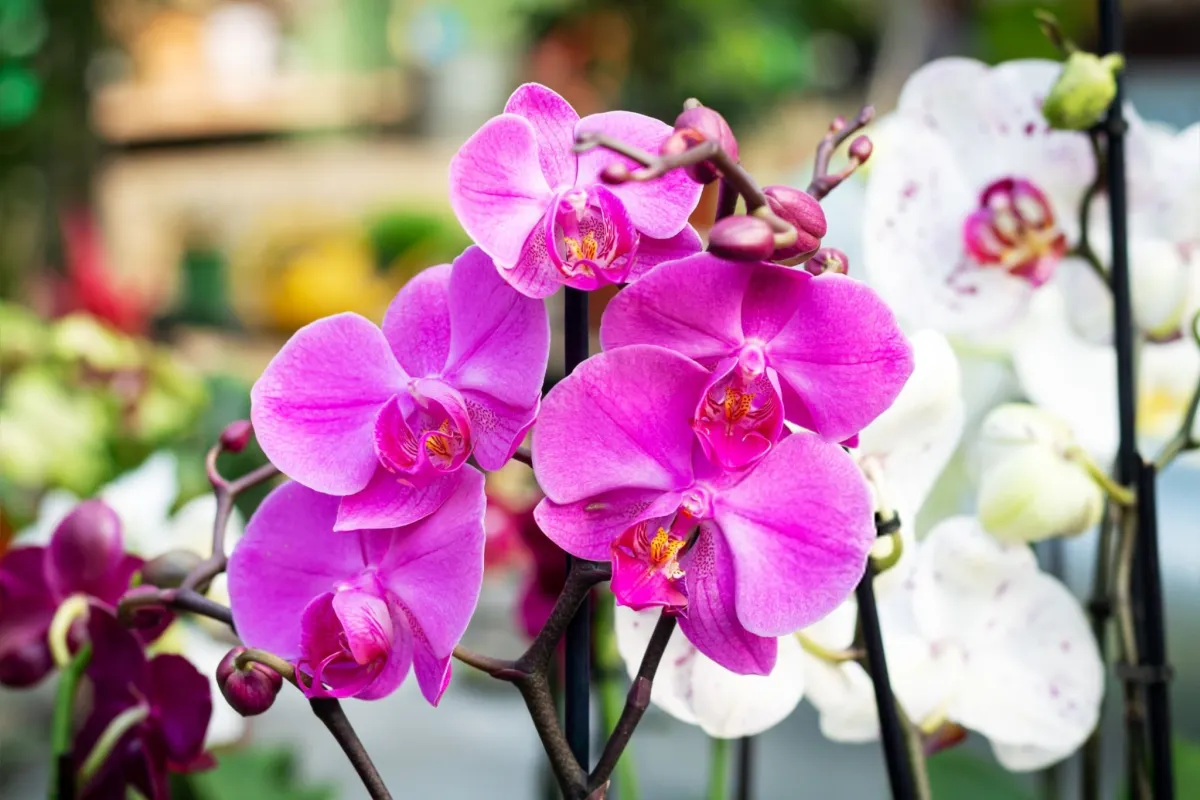
Pink orchids are associated with romantic love, femininity, affection, and fertility. Their soft color also makes them popular gifts for celebrations.
Yellow Orchids
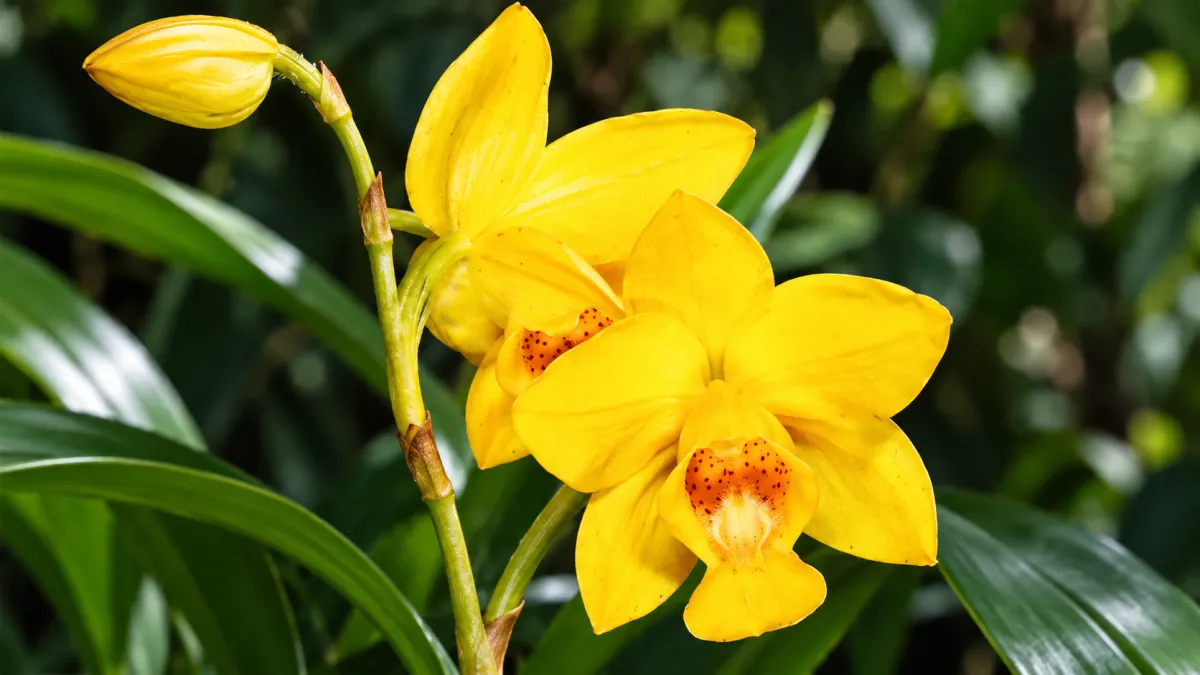
Yellow orchids can symbolize friendship, positive energy, excitement, and new beginnings.
Red Orchids
Red orchids are commonly associated with determination, strength, passion, and resilience.
Orange Orchids
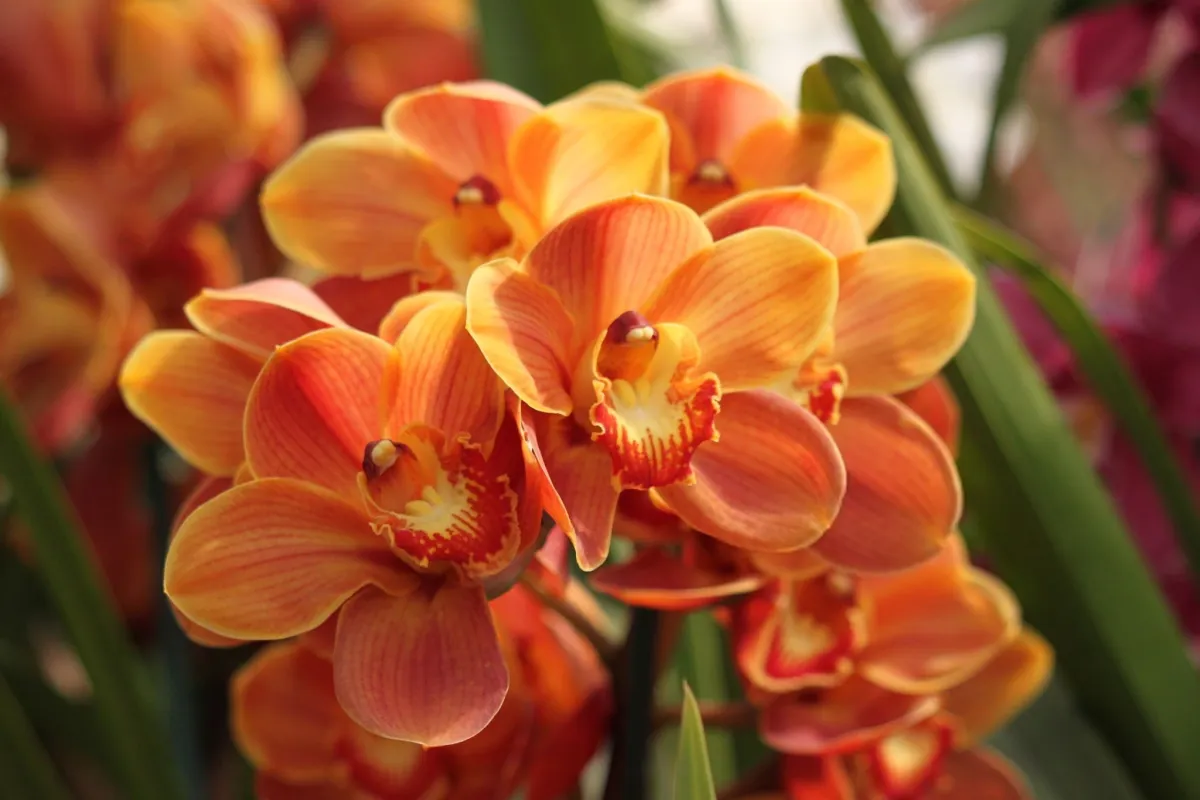
Orange orchids can represent creativity, enthusiasm, pride, and admiration.
Orchids in Different Cultures
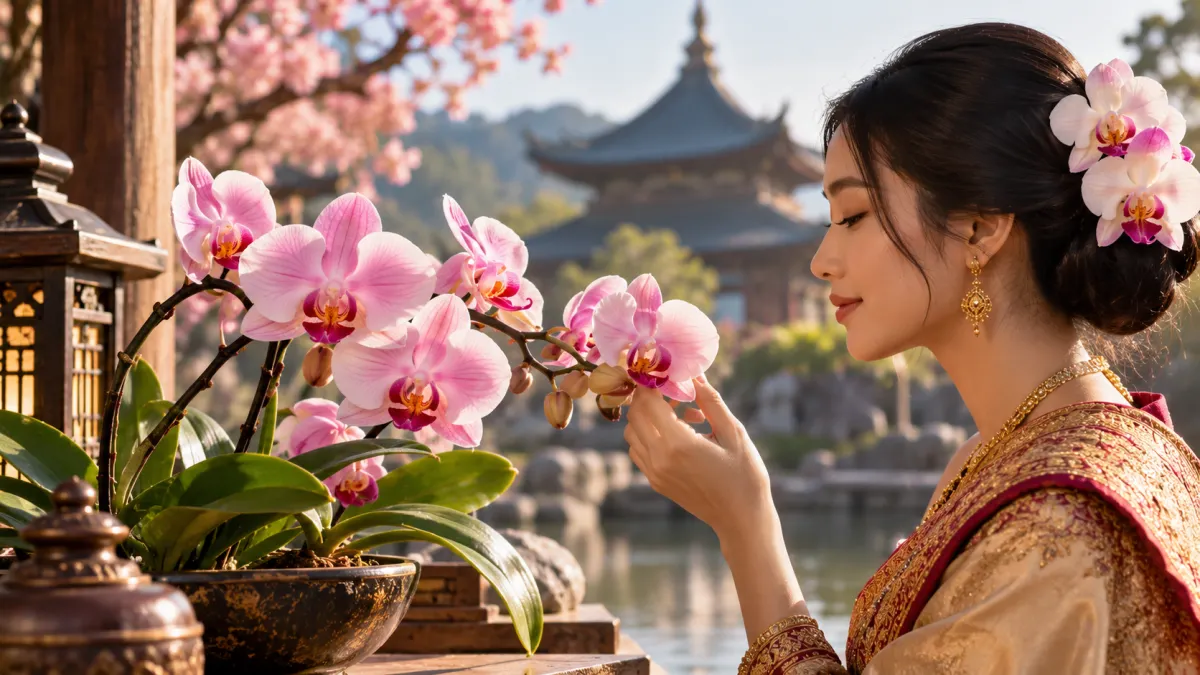
Orchids have a long history of cultural significance around the world.
In ancient Greece, myths connected orchids with a young man named Orchis. Ancient Greeks also associated orchid roots with beliefs about fertility and the sex of unborn children.
During the Victorian era in England, orchids became associated with wealth, luxury, and sophistication because of their unusual appearance and exotic origins.
In Chinese culture, orchids have traditionally been connected with refinement, childhood innocence, knowledge, peace, and good fortune.
In Hawaii, orchids have been associated with hospitality, kindness, affection, and welcoming guests. They have also played an important role in decorative arts.
In Thailand, orchids have long been associated with beauty, luxury, dignity, and elegance and are frequently used as decorative flowers.
Orchids also have special significance in Singapore, where hybrid orchids have become an important symbol of the country's multicultural heritage.
Where Do Orchids Grow Naturally?
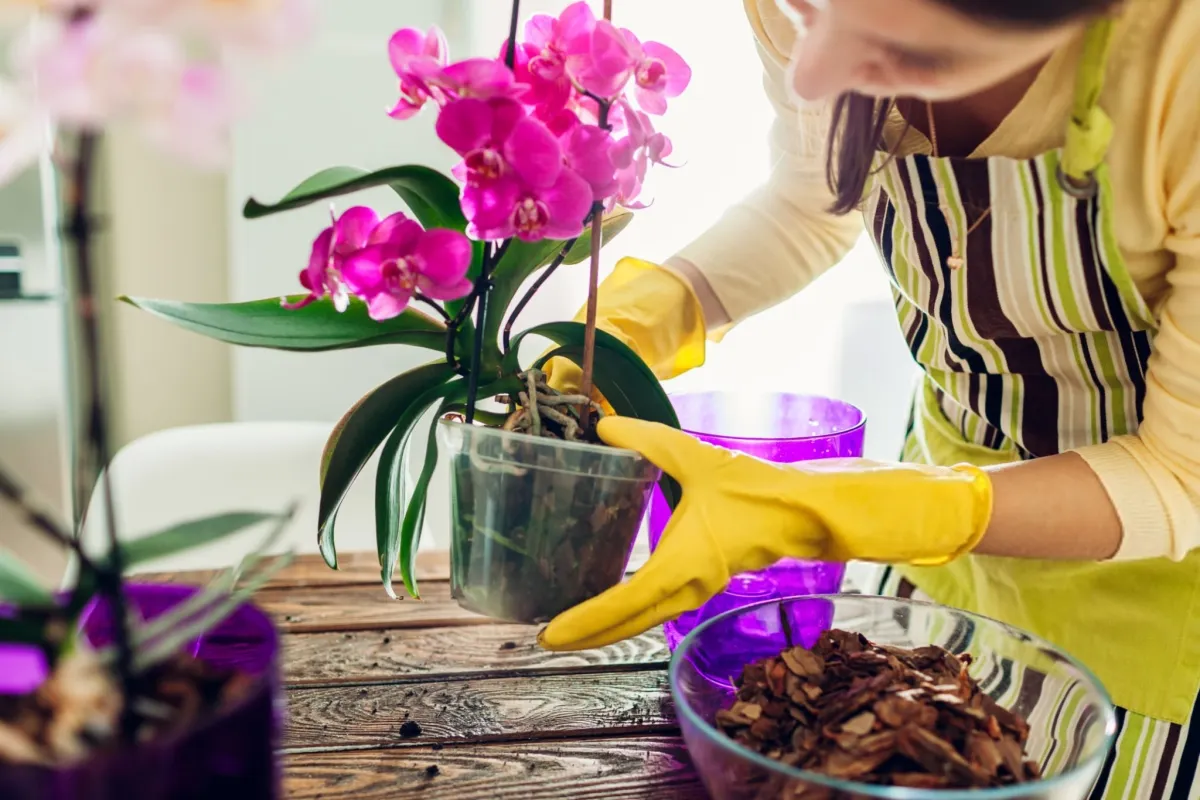
Understanding an orchid's natural habitat can help you recreate better growing conditions at home.
Wild orchids are found in many warm regions, particularly across parts of Asia and Central and South America. Depending on the species, orchids can grow as terrestrial plants with roots in soil or as epiphytes that attach themselves to trees.
Epiphytic orchids do not live like conventional soil plants. Their aerial roots are adapted to absorb moisture and nutrients from their surrounding environment.
What Temperature and Humidity Do Orchids Need?
The ideal conditions depend on the orchid variety, but many orchids grow well in temperatures ranging from approximately 50°F to 90°F (10°C to 32°C).
Many varieties prefer humidity levels of around 40% to 70%.
Avoid placing an orchid where it is exposed to:
- Cold drafts
- Harsh direct sunlight
- Very dry air
- Hot air from heating vents
- Sudden temperature changes
A warm environment with moderate humidity can help orchids remain healthy and support longer-lasting blooms.
What Soil Is Best for Orchids?
Regular potting soil is generally not suitable for most orchids.
Orchids need a light, well-draining growing medium that allows air to reach their roots while preventing excess moisture from accumulating.
Common orchid potting mixes may contain:
- Tree bark
- Sphagnum moss
- Perlite
- Peat-based materials
A slightly acidic growing medium is generally suitable for orchids.
How to Prune an Orchid
Pruning can help maintain an orchid's appearance and encourage healthy growth. Always use sharp, sterilized gardening tools when removing damaged or dead parts.
After flowering, remove spent blooms. Depending on the orchid variety, you may also be able to cut back an old flower spike.
However, some orchids can produce new flowers from the same spike. In that case, it may be better to remove only the faded flowers and leave the spike intact.
When Should You Repot an Orchid?
An orchid may need repotting when its roots have grown excessively outside the pot or when its growing medium has broken down.
It is generally better to repot after flowering has finished.
How to Repot an Orchid
- Carefully remove the orchid from its old pot. Slightly moistening the potting medium can make this easier.
- Inspect the roots and remove dead or damaged roots with sterilized pruning tools.
- Place the orchid in a slightly larger pot and add fresh orchid-growing medium around the roots.
- If necessary, support the plant until its roots become established in the new growing medium.
Avoid choosing a pot that is unnecessarily large, as excessive growing space can retain too much moisture.
When Is the Best Time to Grow Orchids?
Orchids generally respond well to moderate temperatures. Spring, particularly late winter through early spring, can be a suitable period for propagation and repotting.
Extreme cold and excessive heat can place stress on orchids, so stable environmental conditions are important.
How to Propagate Orchids
Growing orchids from seeds can be difficult because their tiny seeds require very specific conditions.
For many home growers, propagation through division is a more practical method.
Orchid Propagation by Division
- Moisten the growing medium so the plant can be removed more easily.
- Examine the roots and remove damaged or dead sections.
- Separate healthy sections of the plant using clean, sterilized pruning tools when necessary.
- Place each section into fresh orchid growing medium.
- Water appropriately and provide suitable light and humidity while the new plant becomes established.
How Often Should You Water an Orchid?
Watering is one of the most important parts of orchid care.
During active growth, some orchids may need watering around twice a week, while watering may be reduced during cooler periods. However, the exact schedule depends on the species, potting medium, temperature, humidity, and indoor environment.
Rather than following a fixed schedule, check the plant and its growing medium.
The orchid should be allowed to dry between waterings to reduce the risk of root rot.
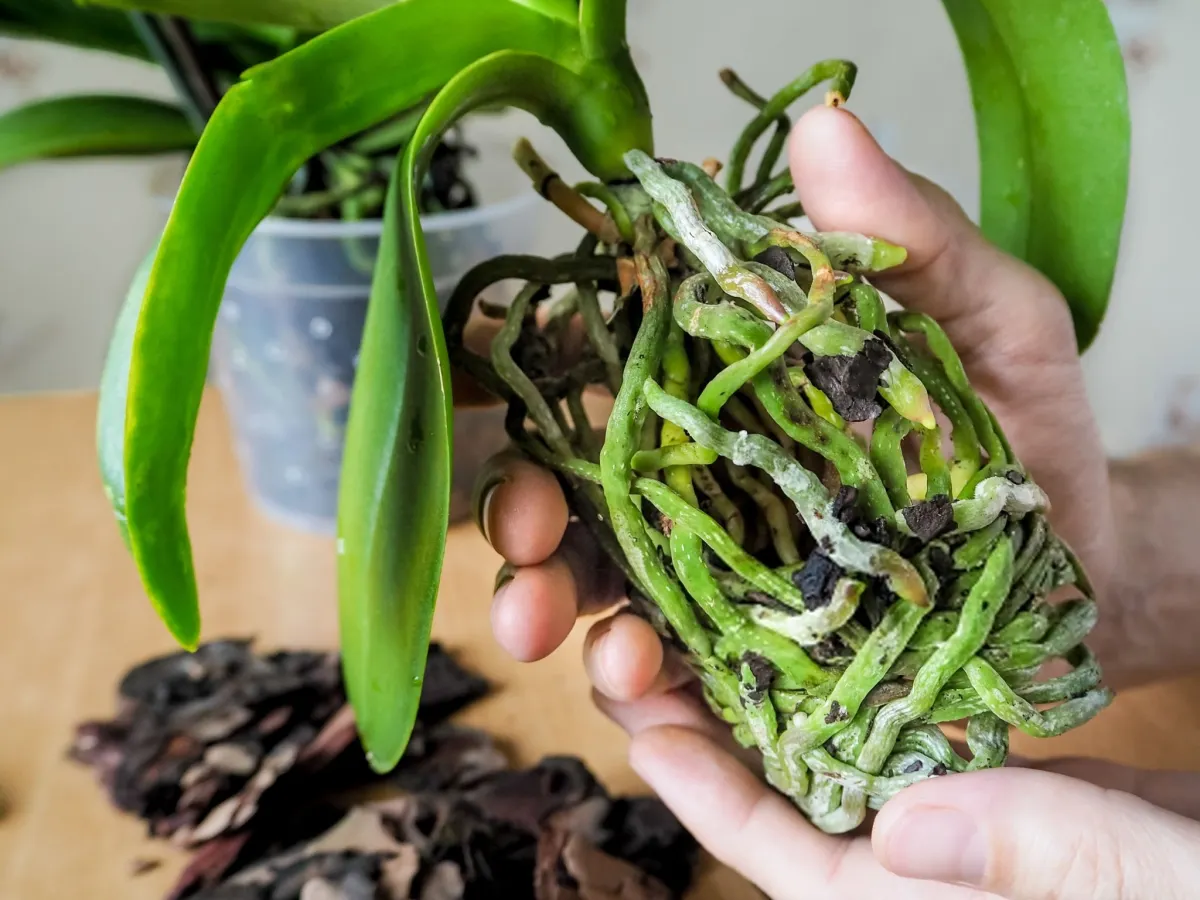
Healthy, well-hydrated roots may appear firm and white or green, depending on the orchid and root covering. Shriveled or gray roots can indicate that the plant needs water, while soft, dark brown or black roots may be a sign of root damage or rot.
Use room-temperature water and allow excess water to drain completely from the pot.
How Much Light Does an Orchid Need?
Orchids need bright light to produce flowers, but strong direct sunlight can damage their leaves.
A location with bright, indirect light is generally suitable. A window facing east or south can provide useful light, provided the plant is protected from intense direct sun.
If an orchid receives too little light, it may struggle to flower.
Best Pots for Orchids
Clear plastic pots with plenty of drainage holes can be particularly useful for orchids.
They allow excess water to escape and make it easier to monitor the condition of the roots.
Special orchid pots may also have ventilation openings around the sides, allowing air to circulate around the roots.
If you place a plastic orchid pot inside a decorative ceramic container, make sure excess water does not remain trapped at the bottom.
How Long Do Orchid Flowers Last?
The flowering cycle varies between orchid varieties, but orchid blooms can remain attractive for several weeks or even a few months when the plant receives suitable care.
If an orchid stops flowering, the most reliable approach is to review its growing conditions rather than simply forcing it to bloom.
Adequate light, appropriate watering, suitable temperature, humidity, nutrition, and a healthy growing medium all contribute to successful flowering.
Traditional Uses of Orchids
Orchids have been used in traditional practices for various purposes. Historical and traditional uses have included preparations associated with problems such as digestive discomfort, fever, and other health concerns.
Some orchid-derived ingredients have also been used in traditional foods and beverages.
One particularly famous connection is vanilla, which comes from the fruit of a specific orchid species, Vanilla planifolia.
Orchid tubers have also been used to make a powder traditionally known as salep, which has been used in drinks and desserts in parts of the Middle East and surrounding regions.
Traditional use should not be confused with scientifically established medical treatment.
Are Orchids Toxic to Pets?
Orchids are generally considered non-toxic to common household pets, making them a popular choice for homes with cats and dogs.
Even so, pets should not be encouraged to eat large amounts of any ornamental plant.
Common Orchid Problems and Diseases
Even with good care, orchids can sometimes develop problems related to watering, light, temperature, humidity, or pests.
Wrinkled or Drooping Leaves
Wrinkled leaves can indicate insufficient water or problems with the roots.
If the roots are black and soft, damaged roots may need to be removed using a clean, sterilized tool. If the roots appear healthy but the leaves remain wilted, review the watering method and growing conditions.
Yellow Orchid Leaves
Overwatering and root rot are common causes of yellowing leaves.
Allow the growing medium to dry appropriately between waterings. If the problem continues, inspect the roots and consider repotting the orchid into fresh growing medium.
Drooping Leaves
Drooping leaves can be related to inconsistent moisture or insufficient light.
Move the orchid to a location with bright, indirect light and check whether its roots and growing medium are receiving the appropriate amount of moisture.
Orchid Buds Falling Before Blooming
When orchid buds fall before opening, the plant may be experiencing environmental stress.
Possible causes include:
- Excessive watering
- Standing water in the saucer
- Sudden temperature changes
- Exposure to heating or cooling vents
- Chemical fumes
- Nearby fruits or plants producing ethylene gas
- Low humidity
Keeping the environment stable can help reduce stress during the budding period.
Yellow or Brown Flower Stems
Flowering stems can turn yellow or brown because of excessive watering, intense sunlight, nutritional problems, or fungal issues.
However, an older flower spike naturally turning brown after flowering is not necessarily a sign of disease.
Final Thoughts
Orchids combine unusual beauty with fascinating biology and a rich cultural history. Their flowers are associated with meanings ranging from love and friendship to elegance, strength, and refinement.
Although orchids have a reputation for being difficult to care for, understanding their basic needs can make a significant difference. With suitable light, careful watering, good air circulation, appropriate humidity, and a well-draining growing medium, many orchids can remain healthy and bloom repeatedly for years.
With proper care, some indoor orchids can live for 15 to 20 years or even longer, making them a rewarding choice for anyone who enjoys growing flowering houseplants.