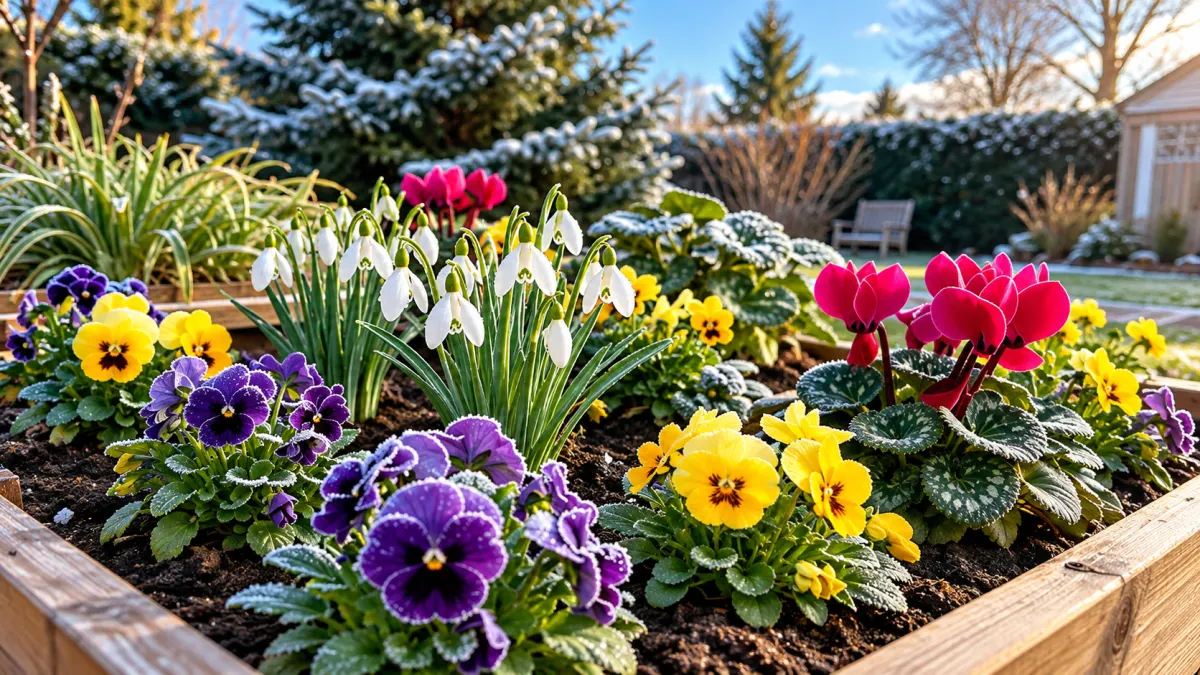

In this guide, we introduce 47 beautiful cold-hardy winter flowers and briefly explain their growing conditions.
What Makes Winter Flowers Special?
Cold-season flowers either bloom during winter or maintain their structure and appearance despite low temperatures. However, their cold tolerance varies. For example, hardy garden cyclamens are different from common potted cyclamens. Species such as Cyclamen coum are suitable for outdoor winter conditions, while some common potted varieties are more sensitive to hard frost.
Read More


47 Beautiful Cold-Hardy Winter Flowers
1. Hellebore (Helleborus spp.)
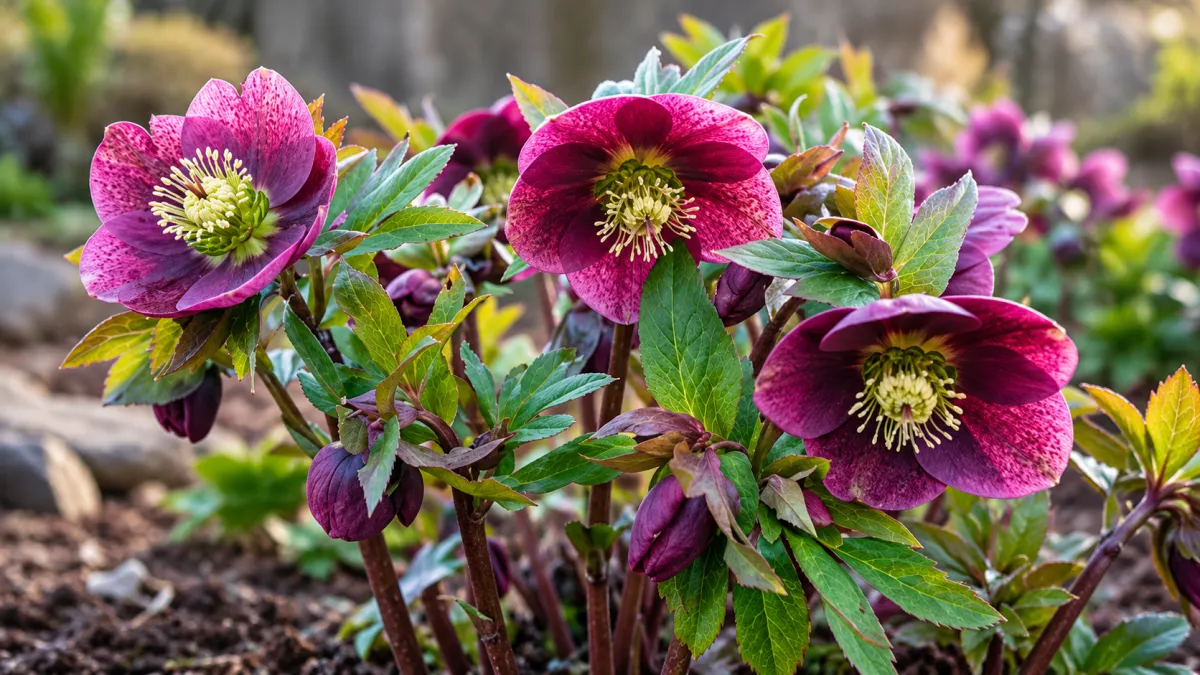
Hellebore is one of the most beautiful winter flowers. Its blooms can be white, pink, red, green, or even purple. Many varieties bloom in late winter and early spring and perform well in partial shade.
2. Snowdrop (Galanthus spp.)
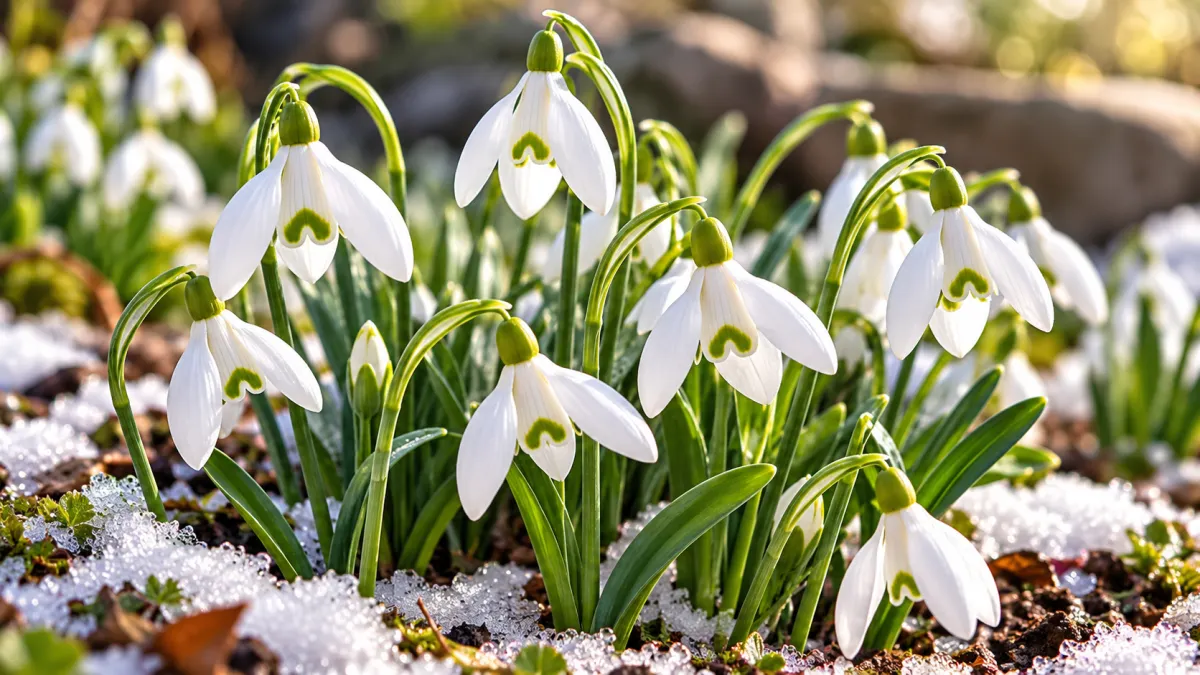
Snowdrops have white, bell-shaped flowers and are a classic sign that winter is coming to an end. These bulbs can emerge in cold weather, and their flowers may sometimes appear through the snow.
3. Hardy Cyclamen (Cyclamen coum)
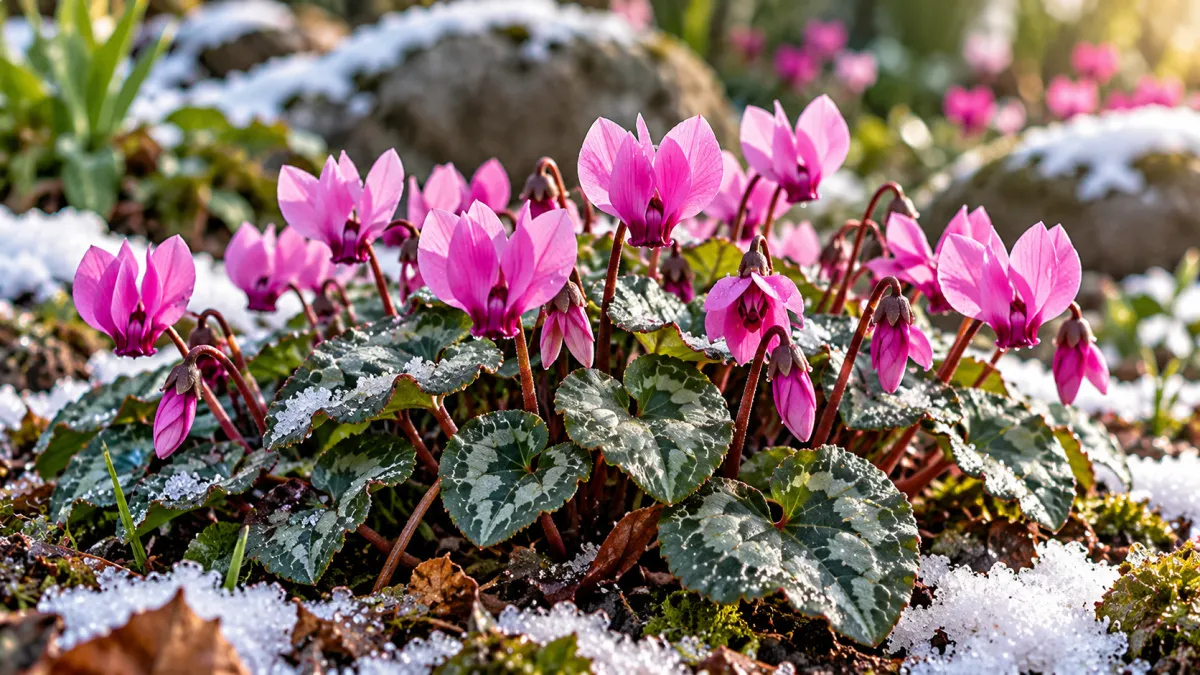
Hardy cyclamens are excellent choices for partially shaded gardens. Cyclamen coum produces pink or purple flowers in the middle of winter, while its patterned leaves add extra interest.
4. Pansy (Viola × wittrockiana)
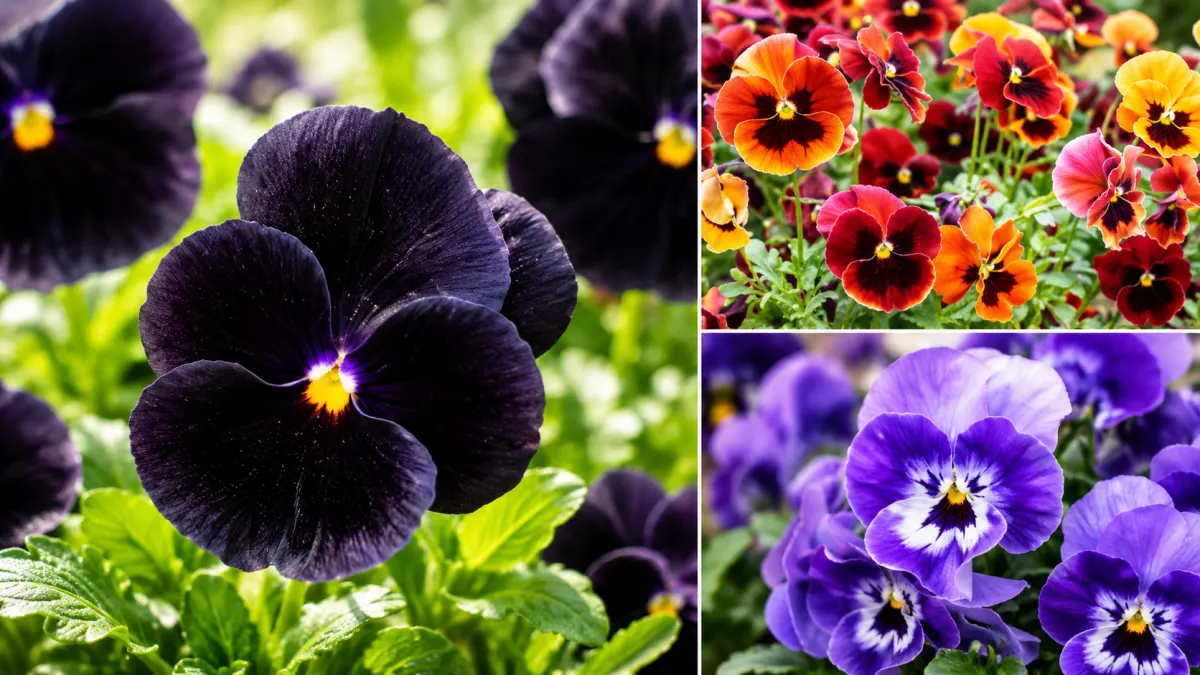
Pansies are among the most popular choices for winter pots and garden beds. Their flowers come in yellow, purple, blue, white, red, and multicolored combinations, bringing plenty of color to winter gardens.
5. Viola (Viola spp.)
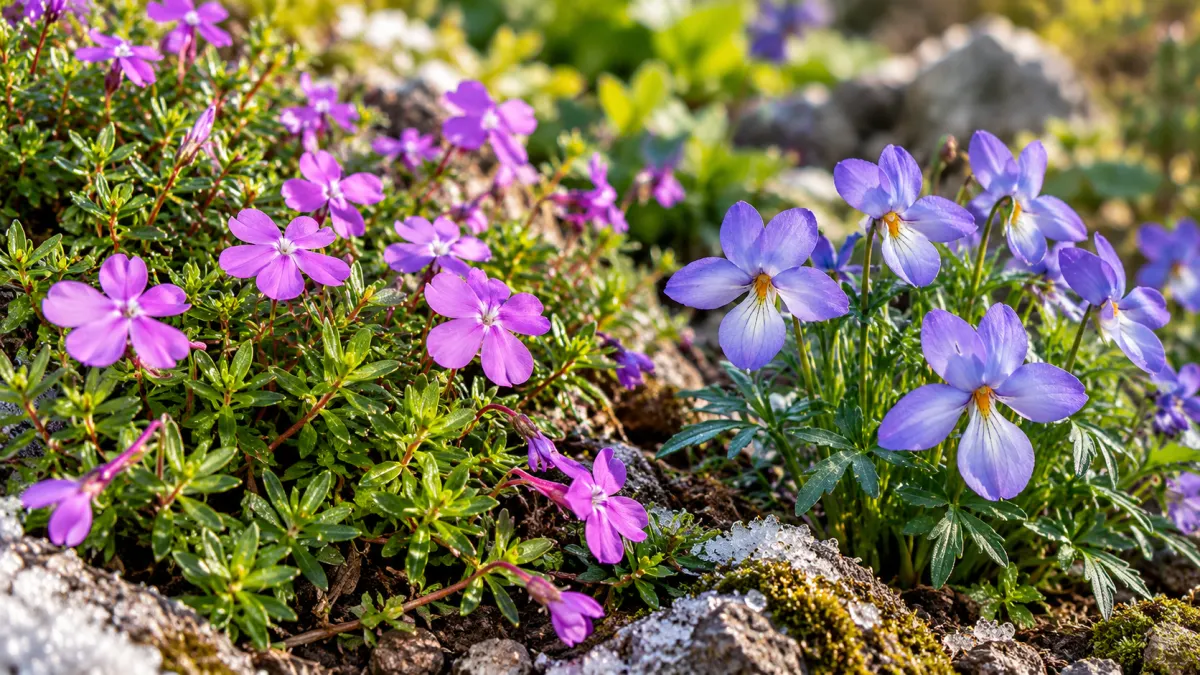
Violas have smaller flowers than many large-flowered pansies but perform very well in cool weather. They are suitable for garden borders, containers, and window boxes.
6. Primrose (Primula spp.)
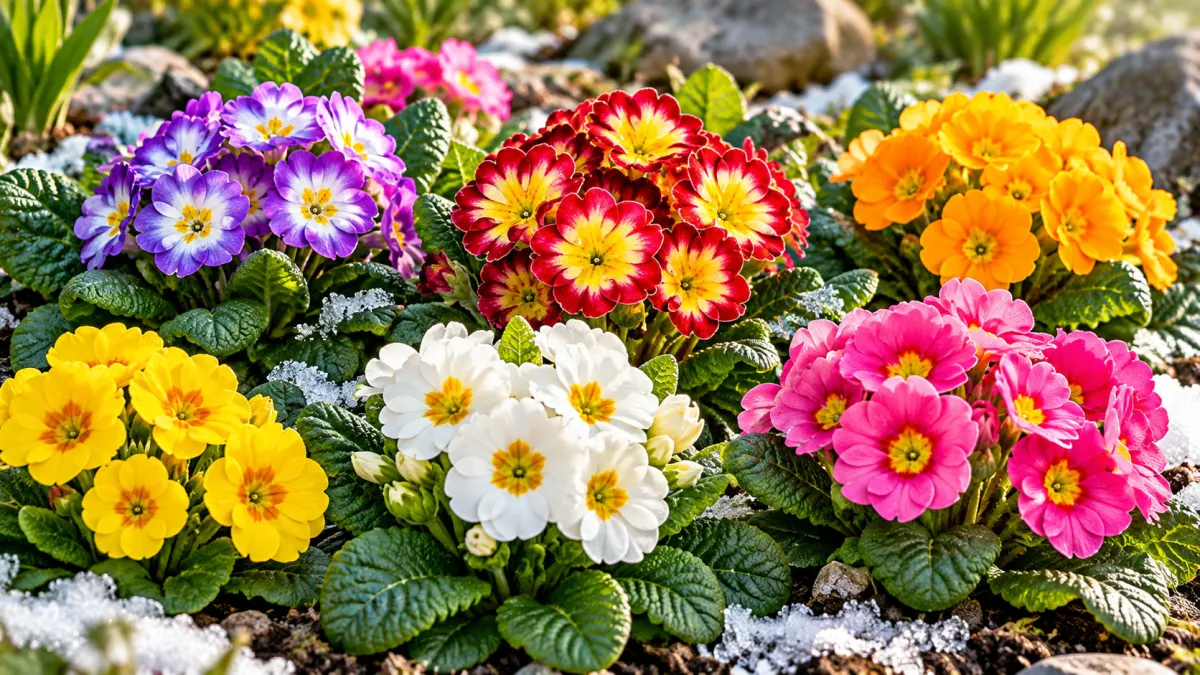
Primroses produce yellow, pink, red, white, and purple flowers. They are popular in cool seasons and early spring. Moist but well-drained soil and gentle light are ideal for them.
7. Winter Aconite (Eranthis hyemalis)
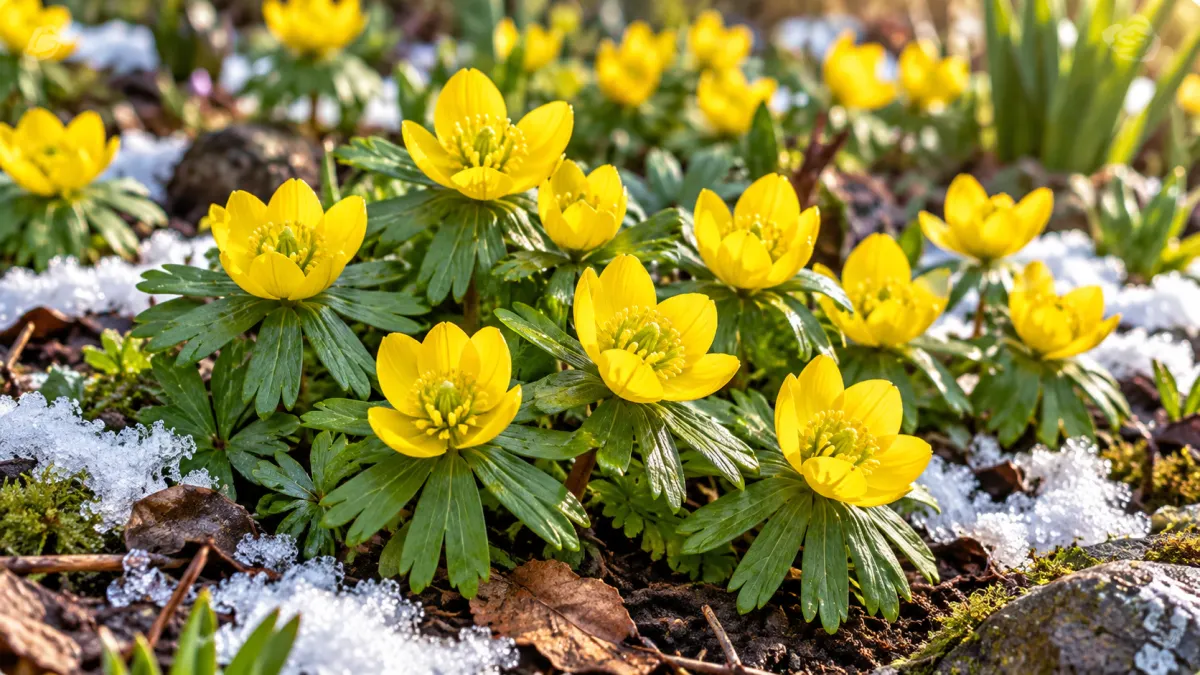
This small plant produces bright yellow flowers in late winter. Winter aconite looks especially attractive when planted alongside snowdrops and other early-blooming bulbs.
8. Crocus (Crocus spp.)
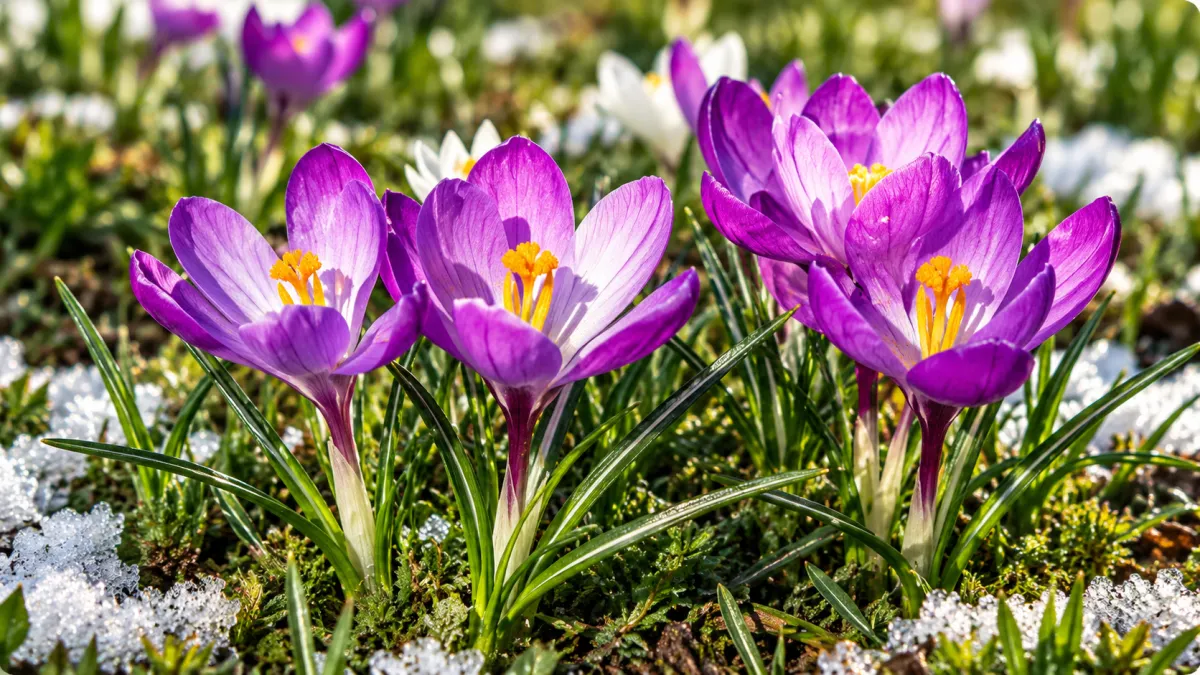
Crocuses produce purple, white, or yellow flowers and are among the first signs of the end of winter. Their bulbs are usually planted in autumn for winter or early-spring flowering.
9. Daffodil (Narcissus spp.)
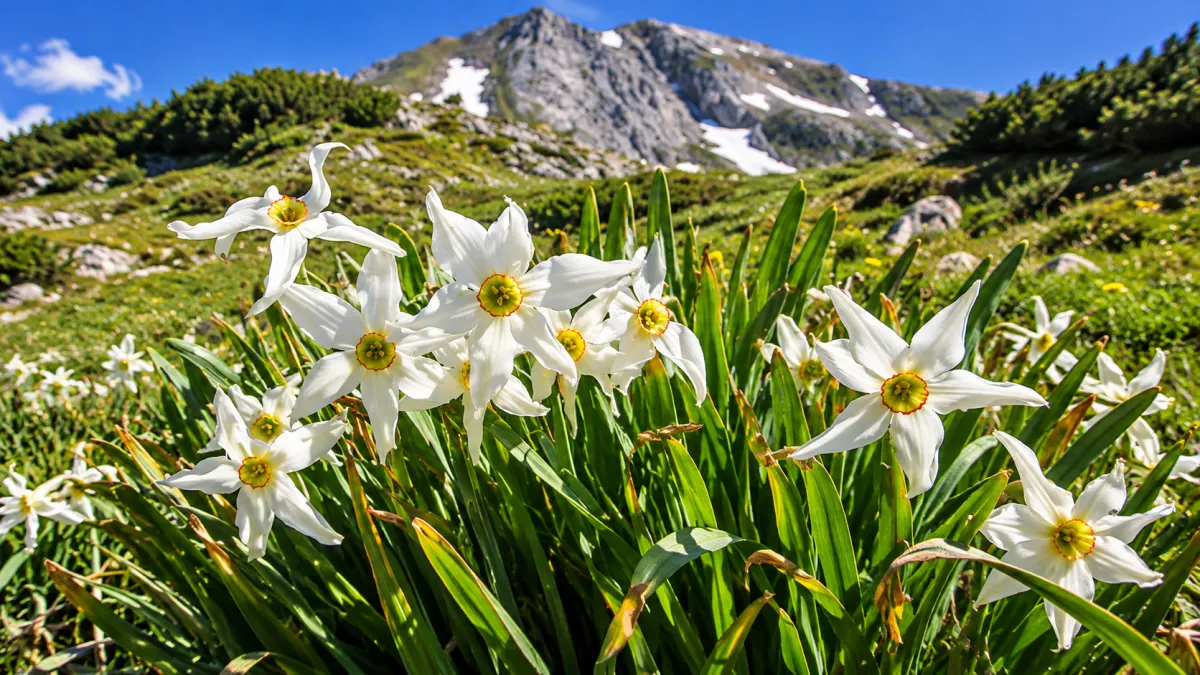
Some daffodil varieties bloom very early and can add color to gardens in areas with mild winters. Daffodils are also popular bulbs for autumn planting.
10. Winter Iris (Iris unguicularis)
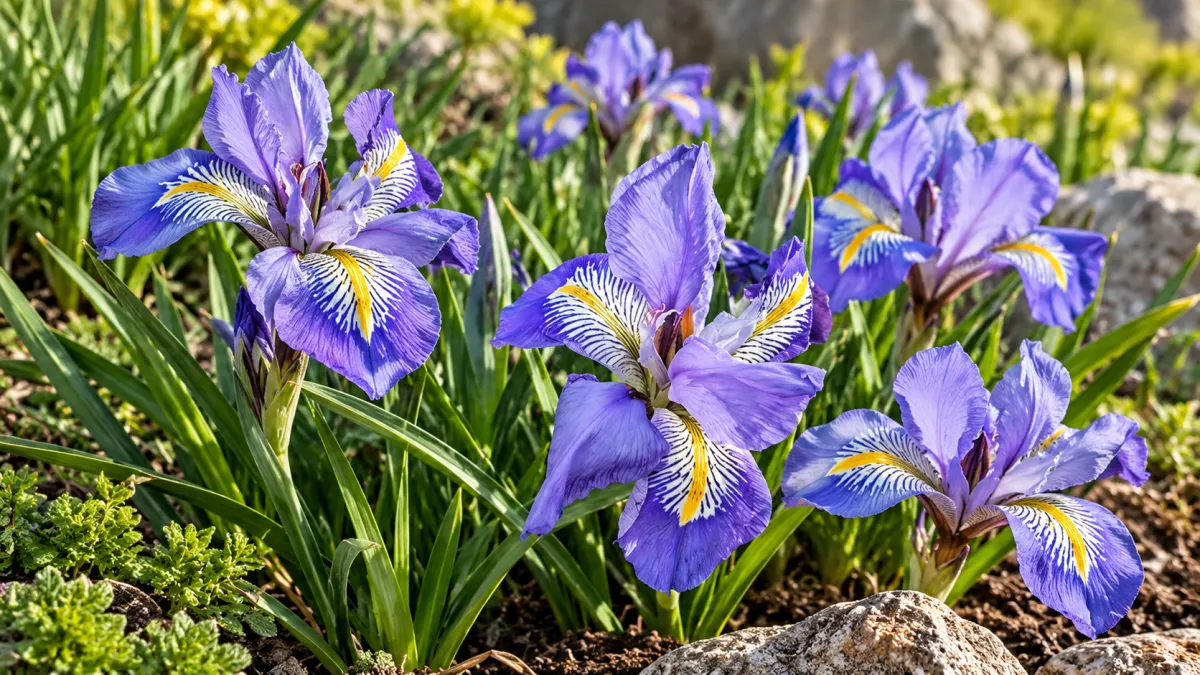
Iris unguicularis is one of the few irises that can bloom during the cold season. Its delicate purple or lilac flowers can brighten a winter garden.
11. Calendula (Calendula officinalis)
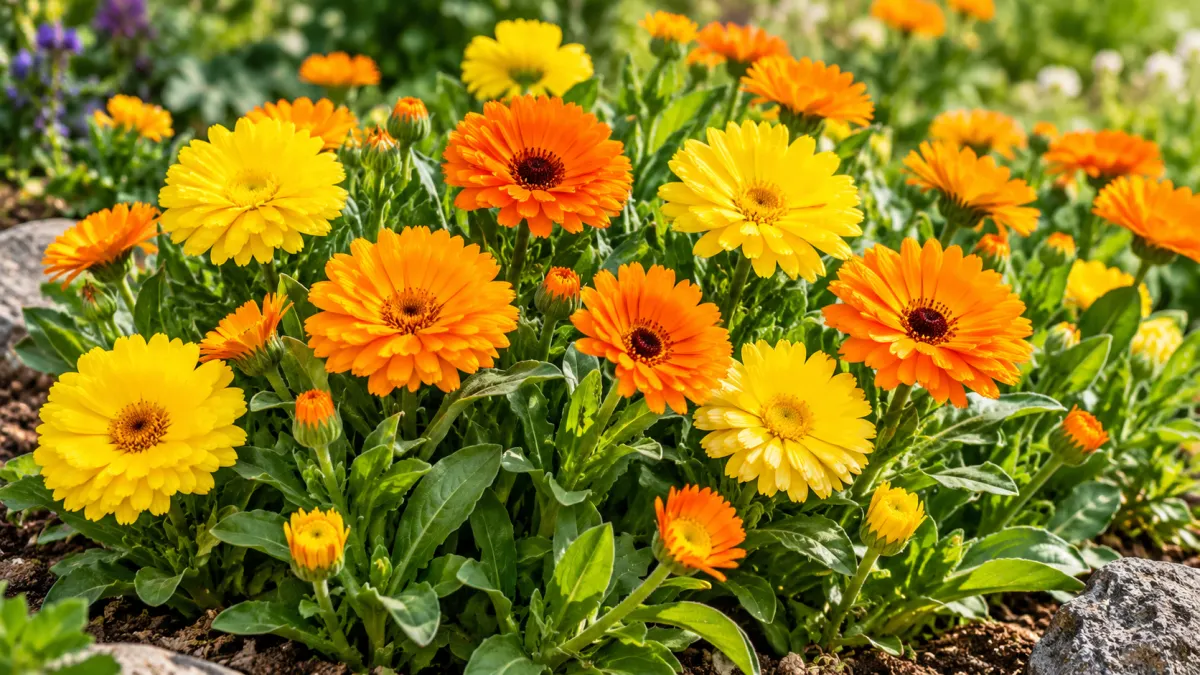
Calendula can flower for an extended period in areas with mild winters. Its orange and yellow flowers are attractive in both containers and garden beds.
12. Snapdragon (Antirrhinum majus)
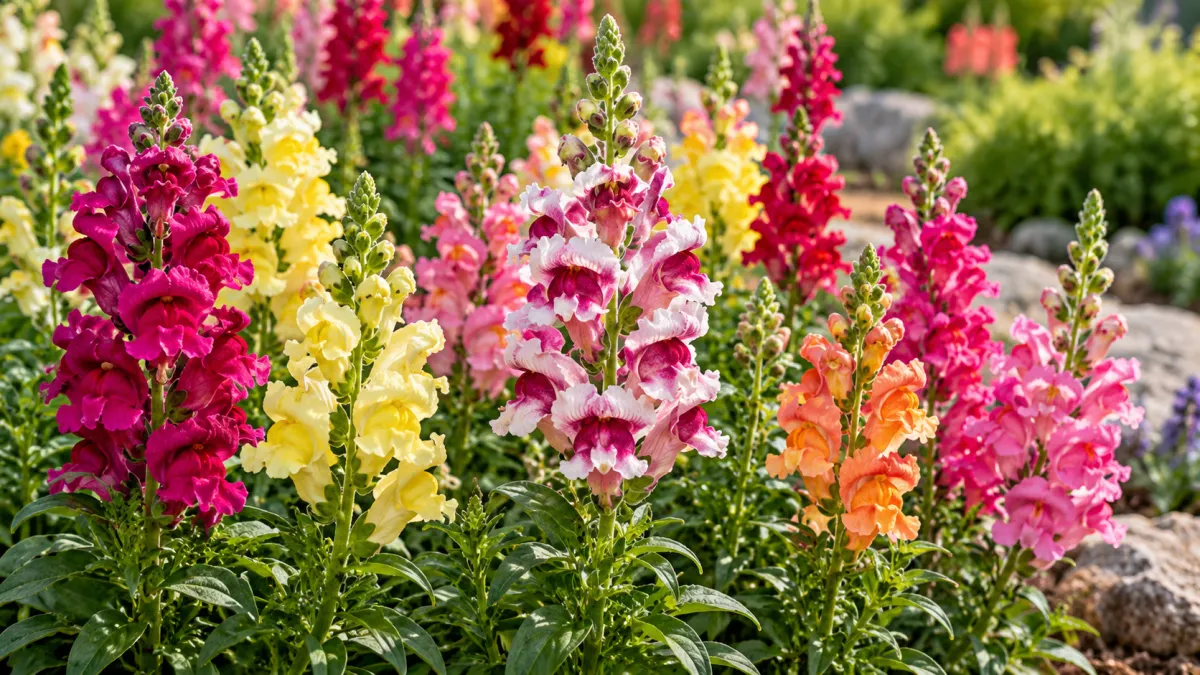
Snapdragons perform well in cool weather. In areas without severe frost, they can maintain garden color for a considerable part of the season.
13. Dianthus (Dianthus spp.)
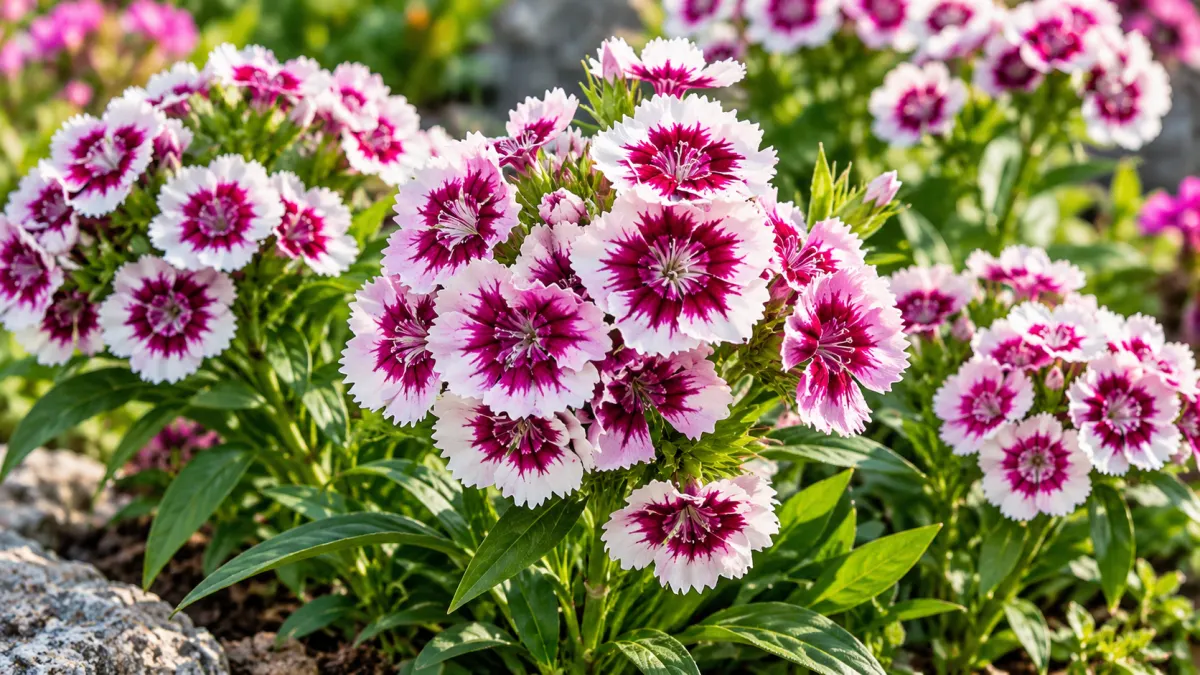
Many dianthus varieties tolerate cold temperatures well. In addition to their attractive flowers, their green foliage helps maintain the appearance of the garden during winter.
14. Stock (Matthiola incana)
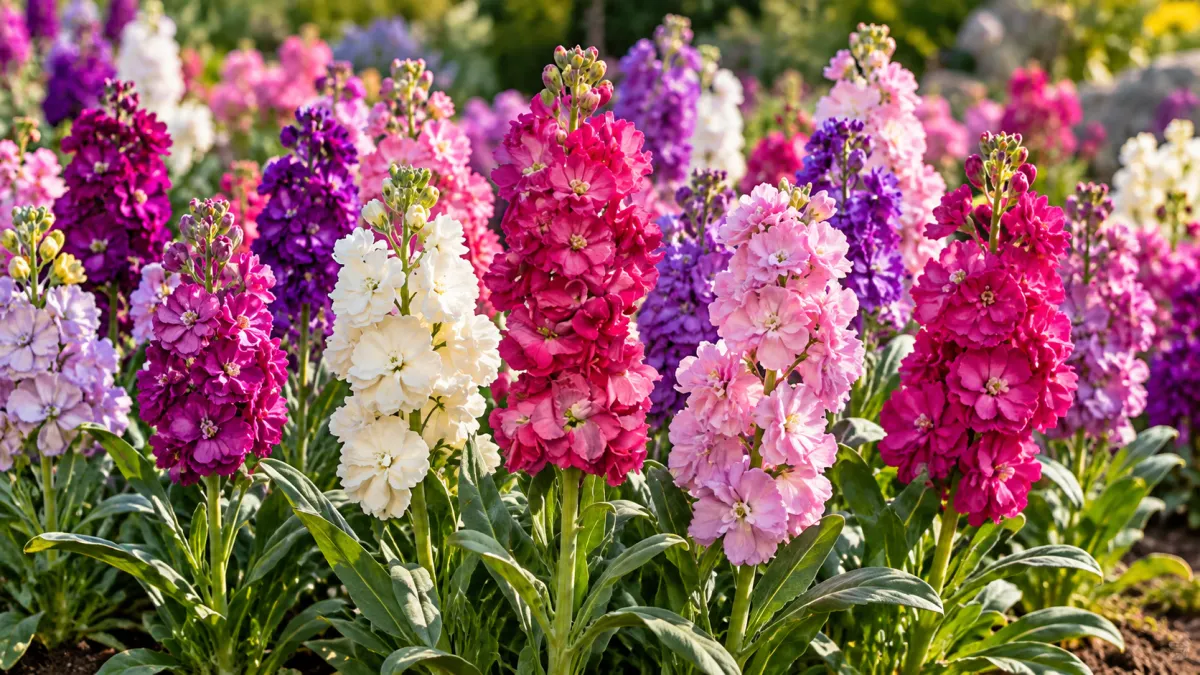
Stock is popular during cool seasons because of its pleasant fragrance. Its flowers range from white and pink to purple and red.
15. Wallflower (Erysimum spp.)
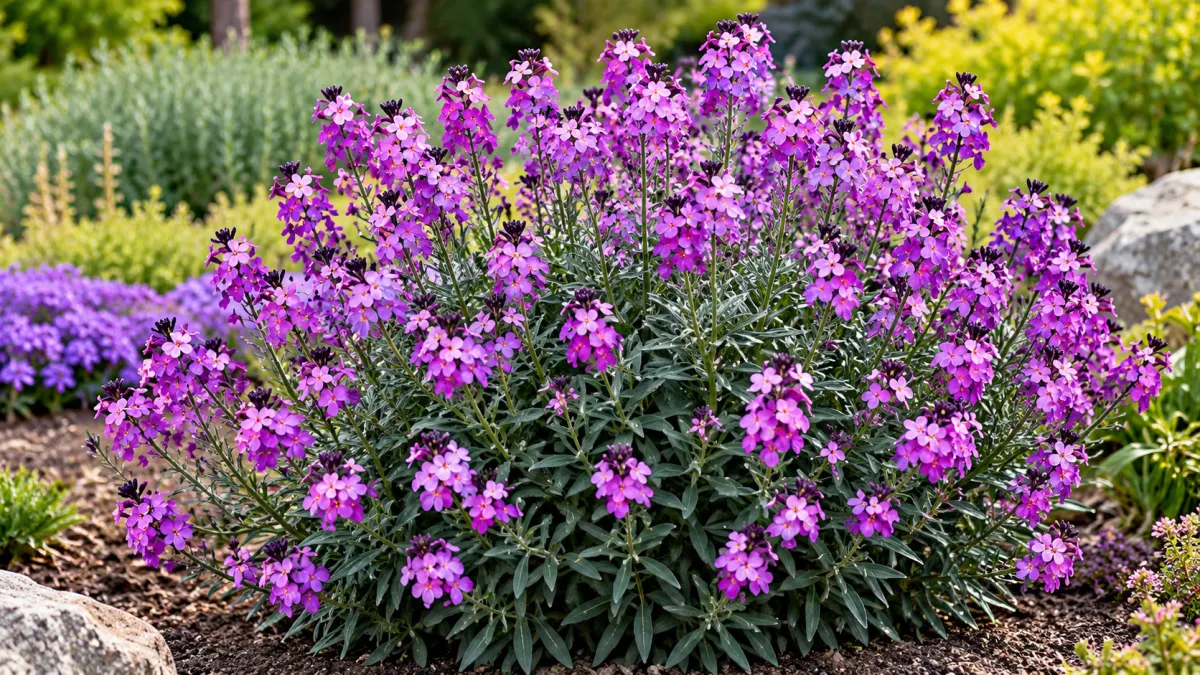
Wallflowers are suitable for cool-season gardens and offer relatively good cold tolerance. They produce colorful and, in some varieties, fragrant flowers.
16. Sweet Alyssum (Lobularia maritima)
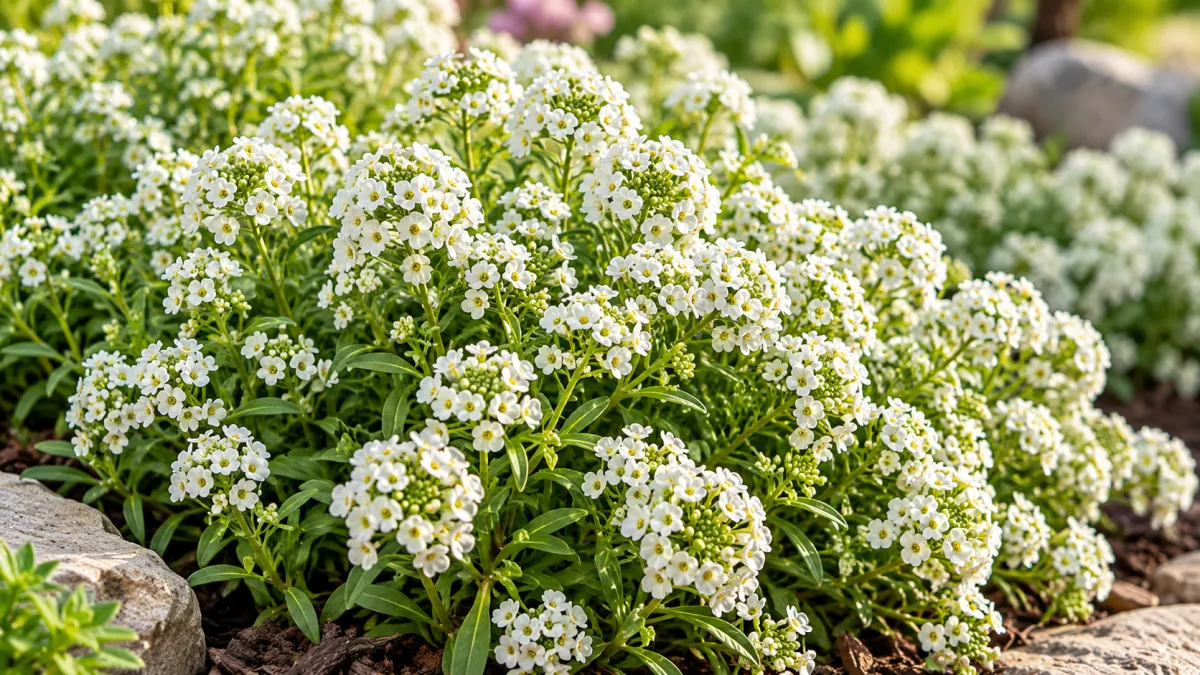
Sweet alyssum produces small clusters of flowers and works beautifully along garden edges and in containers. In areas with mild winters, it may continue flowering during the cold season.
17. Bergenia (Bergenia spp.)
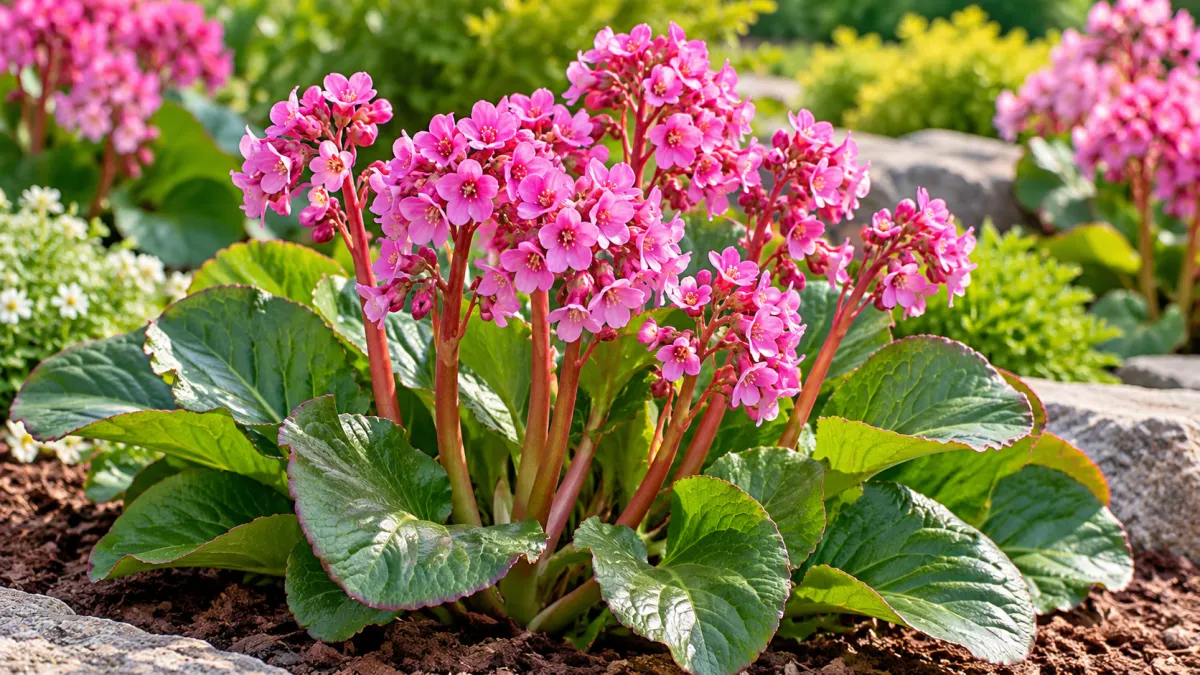
Bergenia is best known for its large, hardy leaves, but its pink or white flowers also appear in late winter and spring. Its foliage provides valuable winter interest.
18. English Primrose (Primula vulgaris)
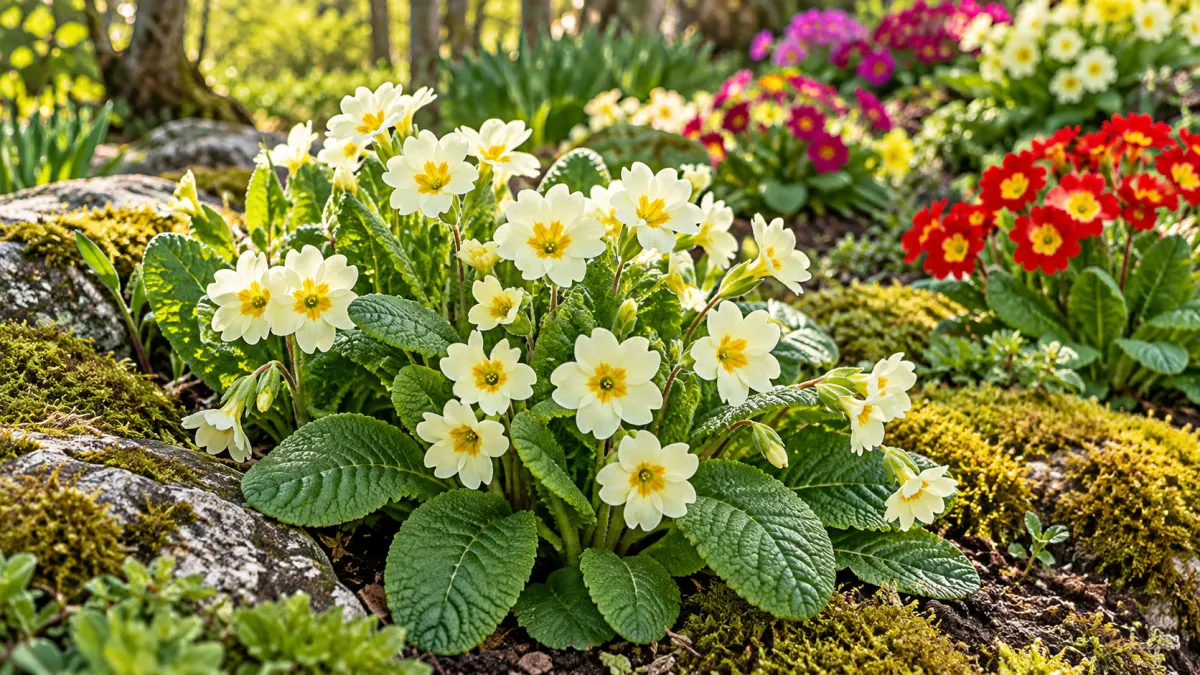
English primrose is a good choice for cool containers and garden beds. Its colorful flowers can appear from late winter into early spring.
19. Ivy-Leaved Cyclamen (Cyclamen hederifolium)
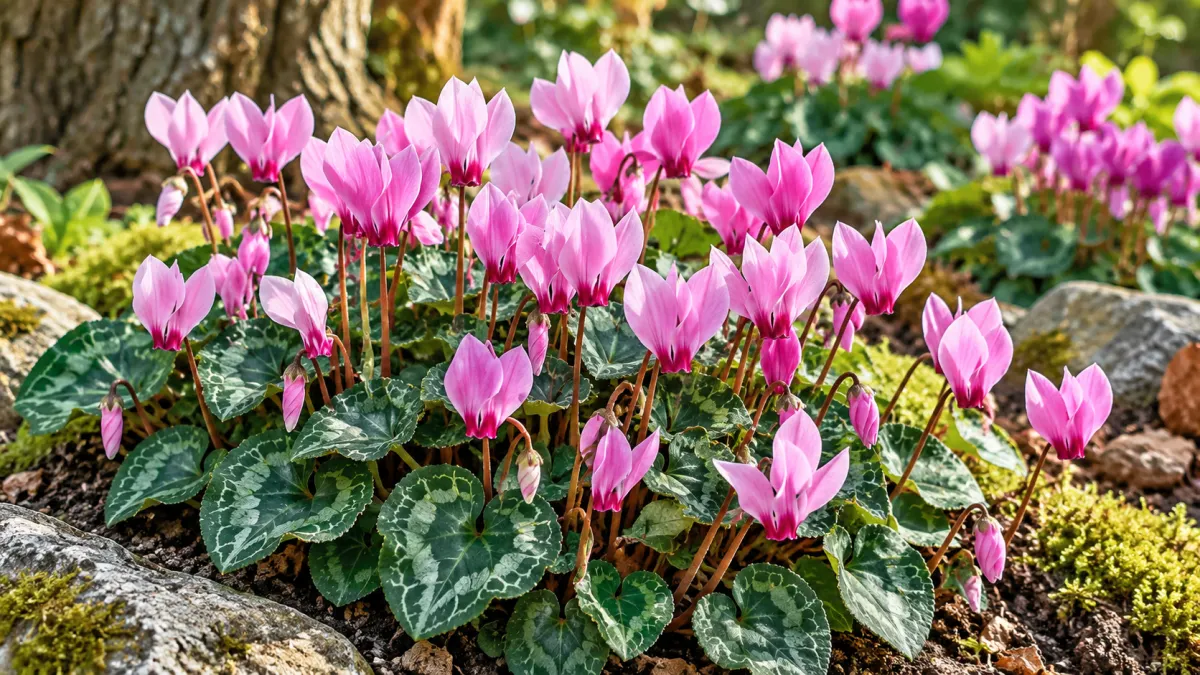
This cyclamen mainly flowers in autumn and early winter. Its patterned leaves then provide attractive ground cover. It is particularly suitable for naturalizing beneath trees.
21. Ornamental Kale (Brassica oleracea var. acephala)
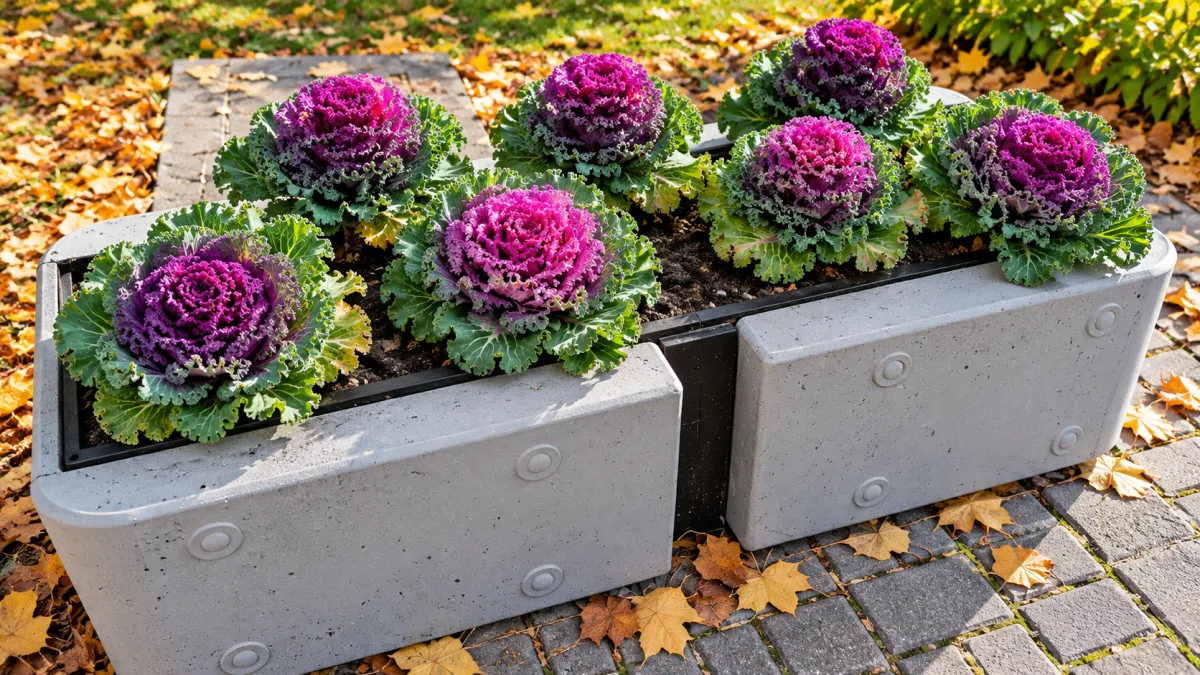
Ornamental kale is grown mainly for its colorful white, green, pink, and purple foliage. Its appearance becomes particularly attractive in cool weather.
22. Ornamental Cabbage (Brassica oleracea)
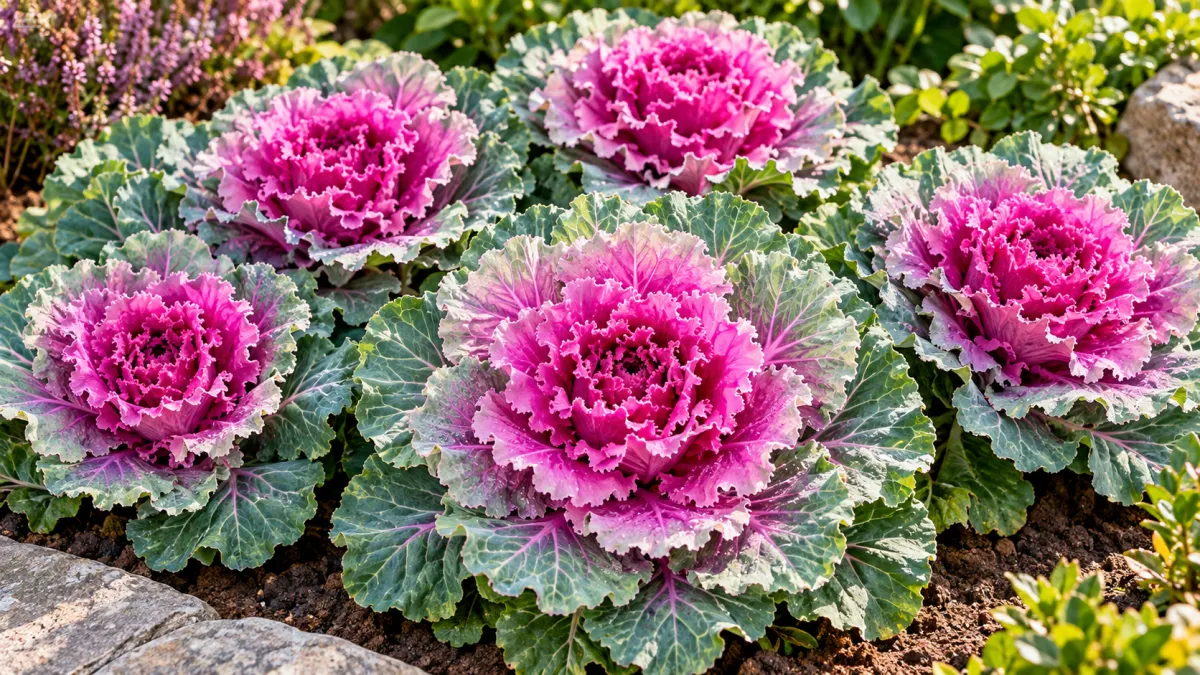
Ornamental cabbage has dense, colorful foliage and is an attractive alternative to cold-sensitive flowers. It works well in both containers and garden beds.
23. Winter Heather (Erica spp.)
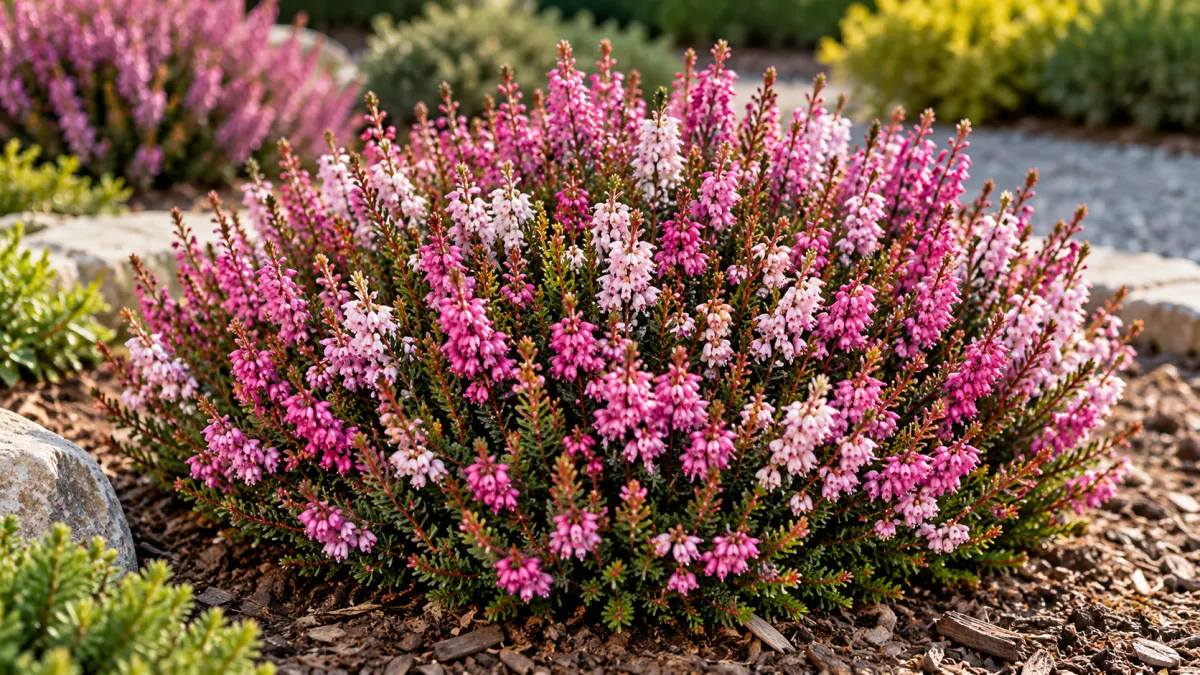
Heathers are small shrubs that can produce pink, purple, or white flowers during the cold season. They are suitable for rock gardens and containers.
24. Erica (Erica spp.)
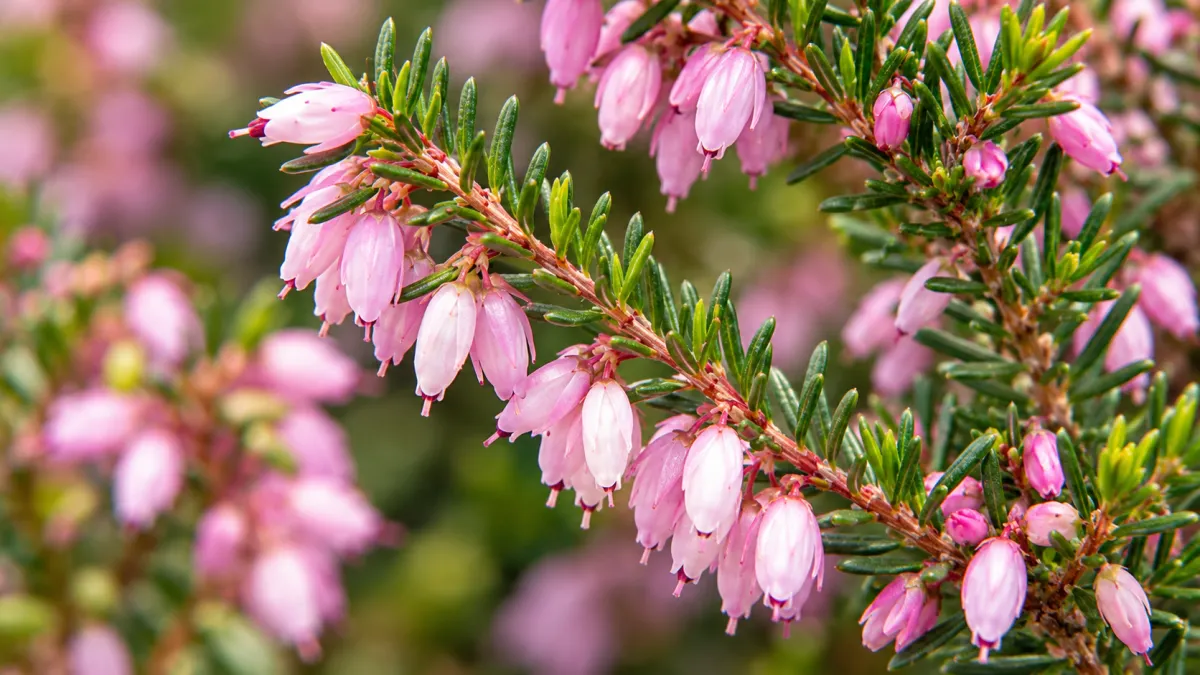
Some Erica species bloom during winter and early spring. Their numerous small flowers can cover the plant in masses of pink or purple.
25. Winter Jasmine (Jasminum nudiflorum)
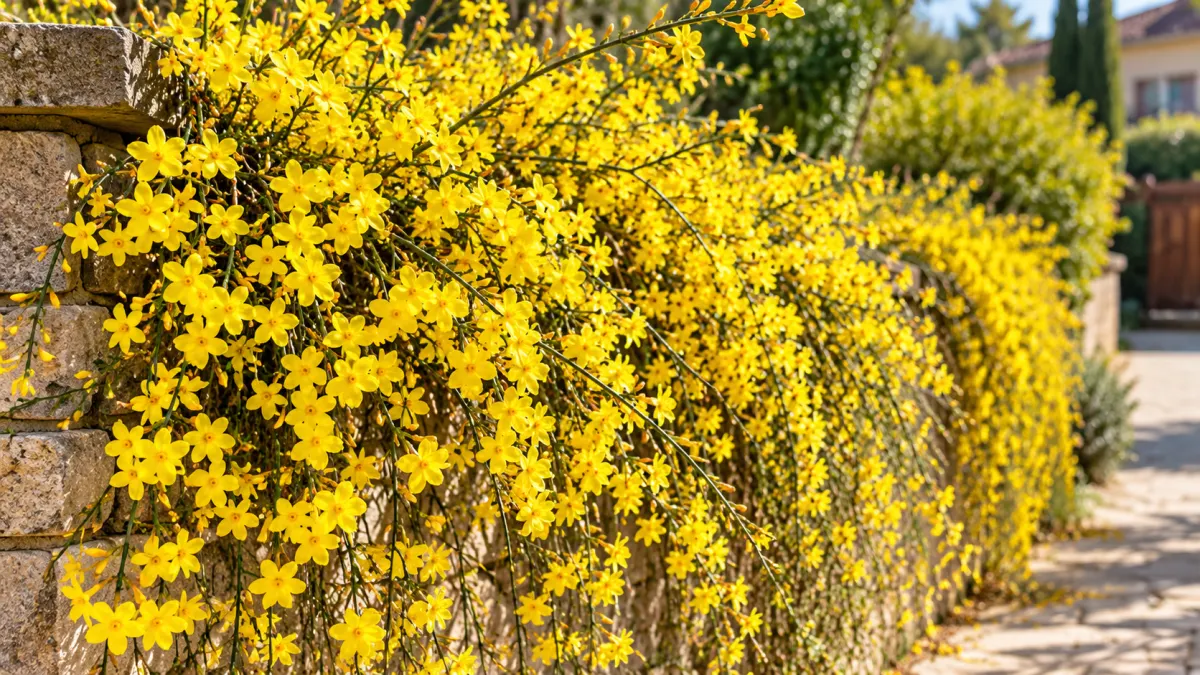
Winter jasmine has slender branches and yellow flowers, making it a popular plant for adding color during the cold season. It can be grown as a shrub or trained against walls and structures.
26. Witch Hazel (Hamamelis spp.)
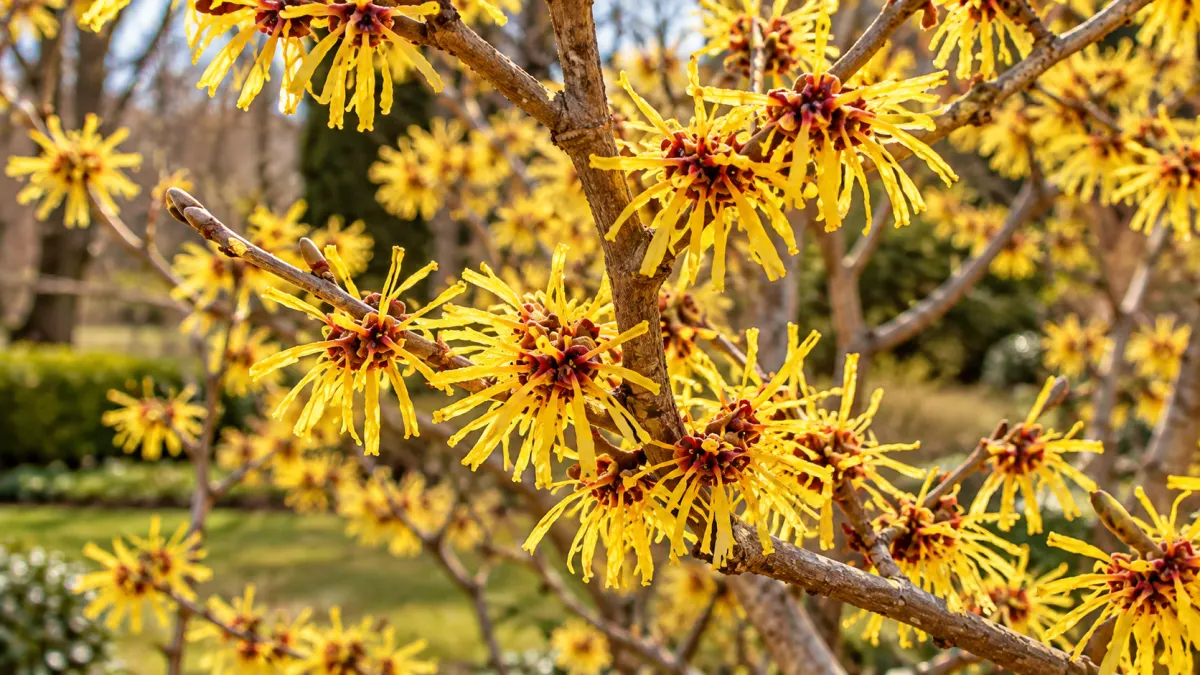
Witch hazel has narrow, ribbon-like petals that create a distinctive winter display. Flowers may be yellow, orange, or red, and some varieties have a mild fragrance.
27. Mahonia (Mahonia spp.)
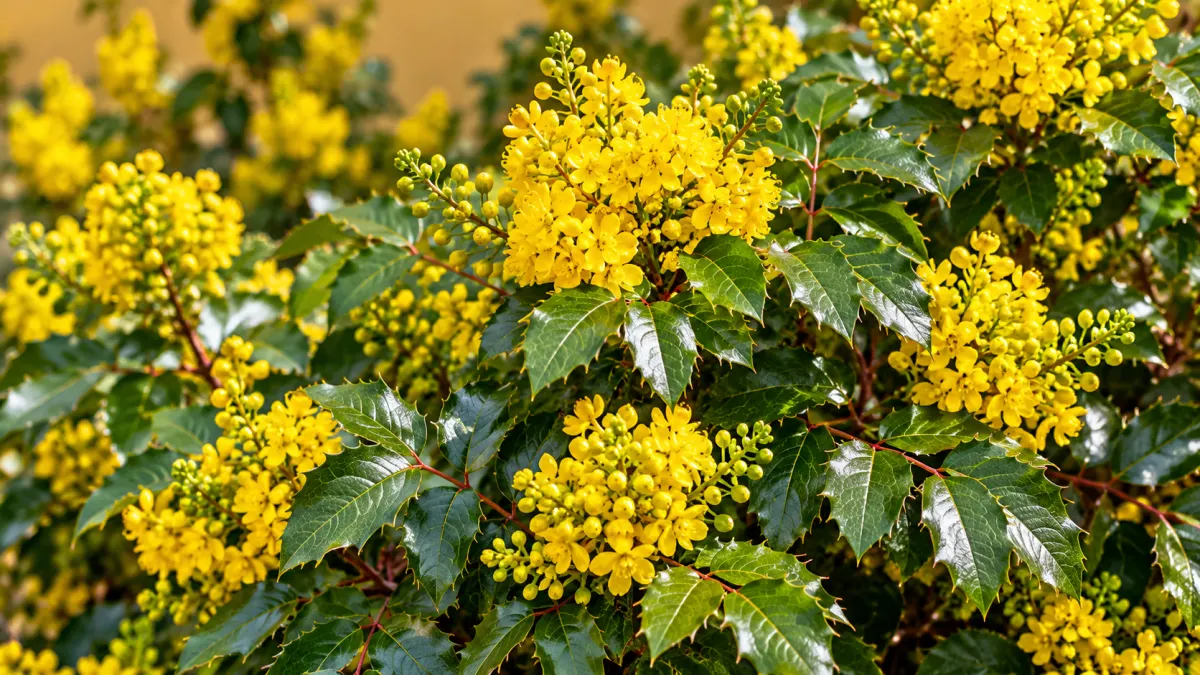
Mahonia is an evergreen plant with attractive foliage. Some species produce clusters of yellow flowers during winter, adding seasonal interest to the garden.
28. Sweet Box (Sarcococca spp.)
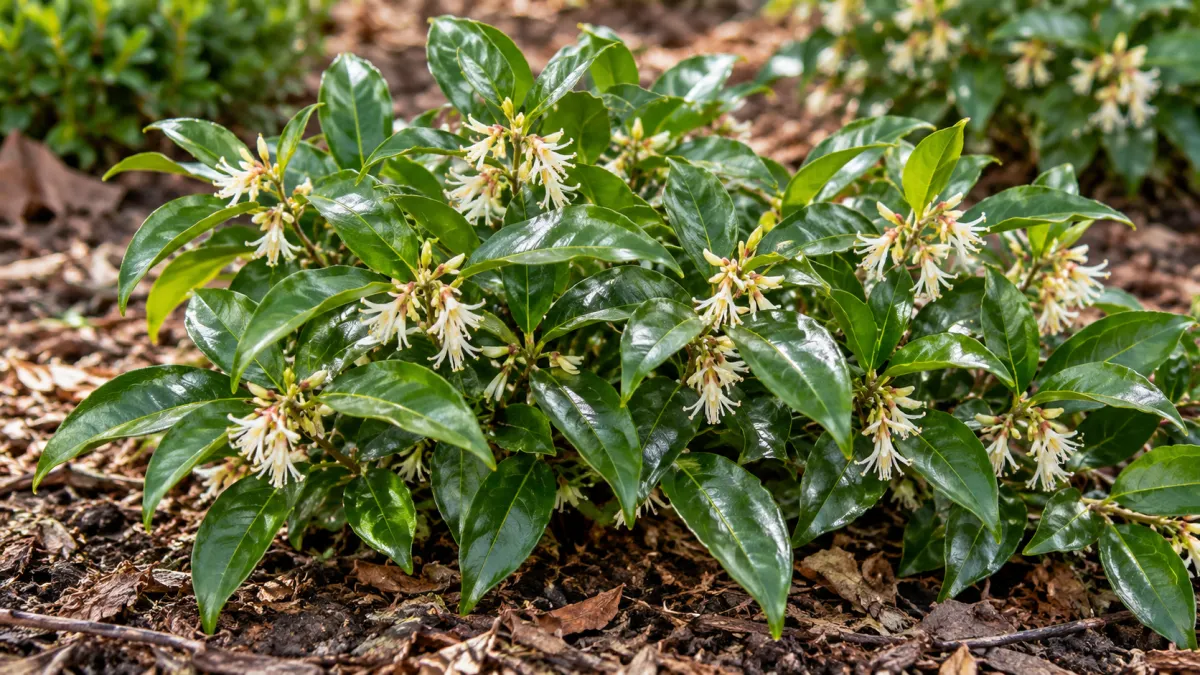
If winter fragrance is important to you, sweet box is an interesting choice. Its small white flowers can produce a pleasant fragrance during the cold season.
29. Camellia (Camellia spp.)
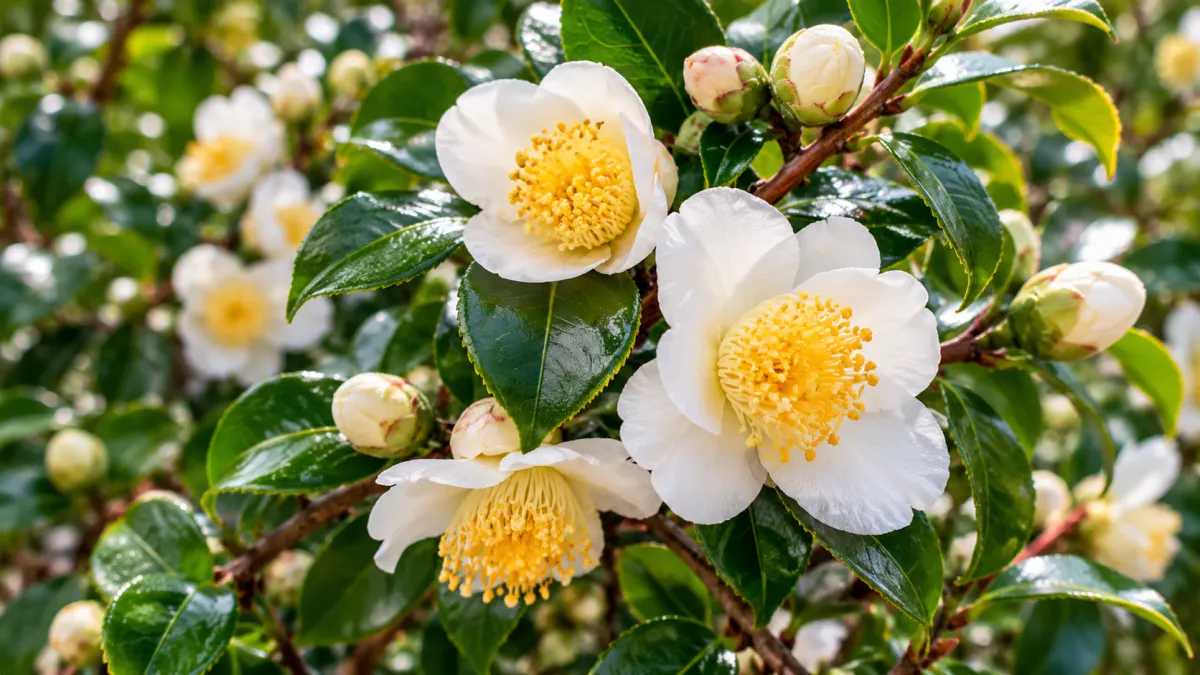
Camellias are among the most attractive flowering shrubs for the cool season. Some types, such as Camellia sasanqua, bloom in autumn and winter. In colder areas, they need a sheltered location. Acidic, well-drained soil is also important.
30. Winter Viburnum (Viburnum spp.)
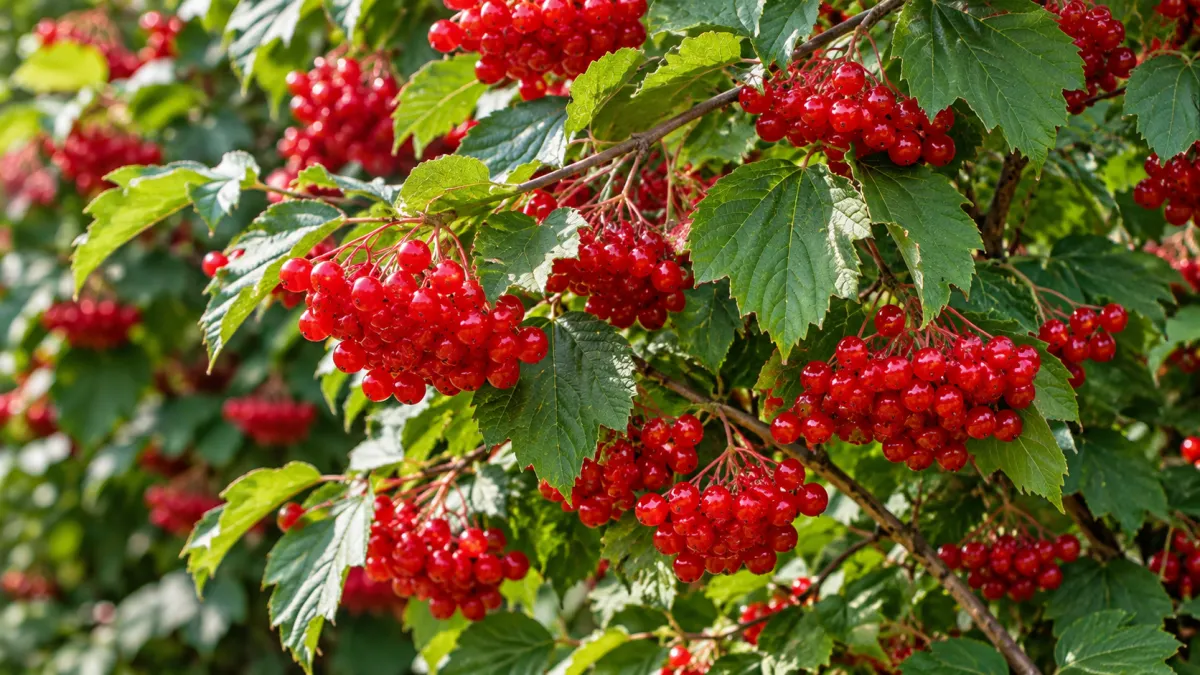
Some viburnum species produce delicate, fragrant flowers during the cold season. These shrubs can add both structure and fragrance to a winter garden.
31. Winter Clematis (Clematis cirrhosa)
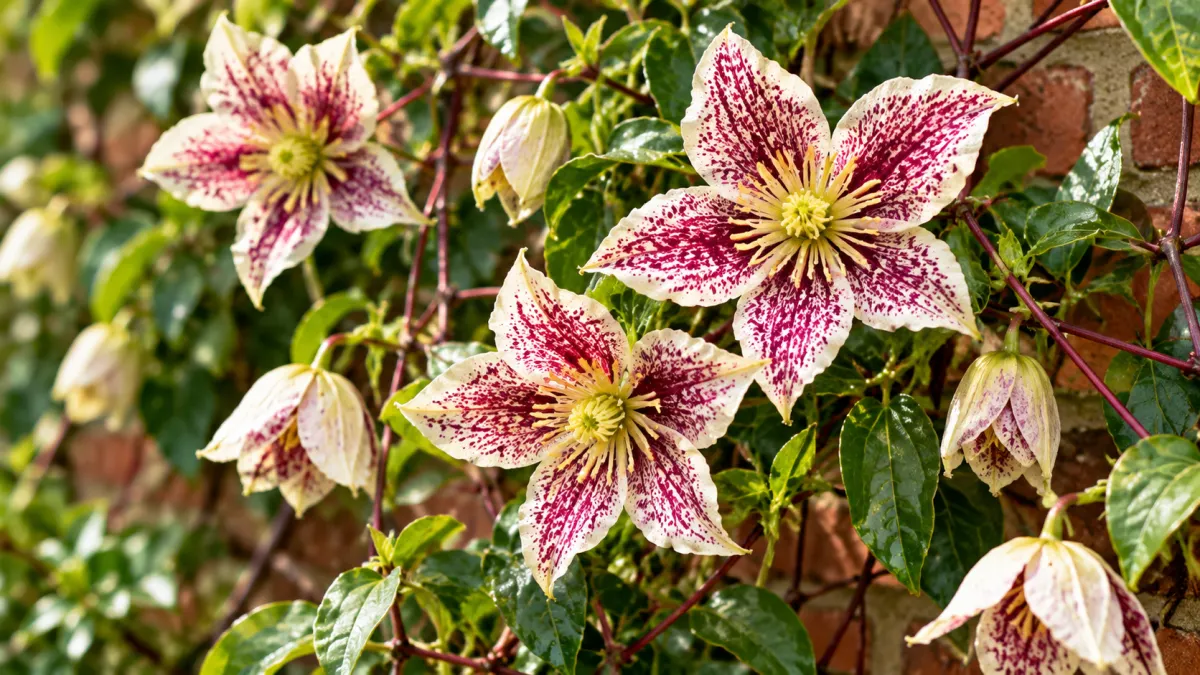
Winter clematis can produce light-colored flowers from late autumn through the colder months. Clematis cirrhosa is a well-known winter-flowering species.
32. Christmas Rose (Helleborus niger)
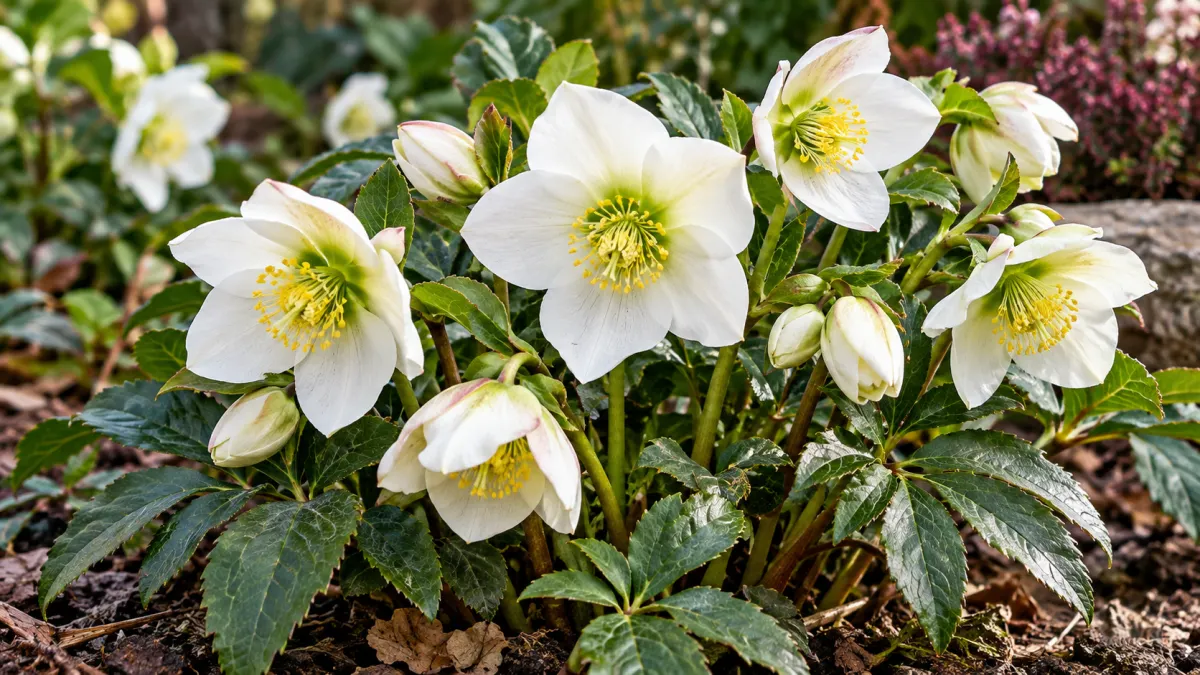
Christmas rose is the common name for Helleborus niger. Its white flowers are among the best-known winter blooms. Good drainage is essential for healthy growth.
33. Lenten Rose (Helleborus × hybridus)
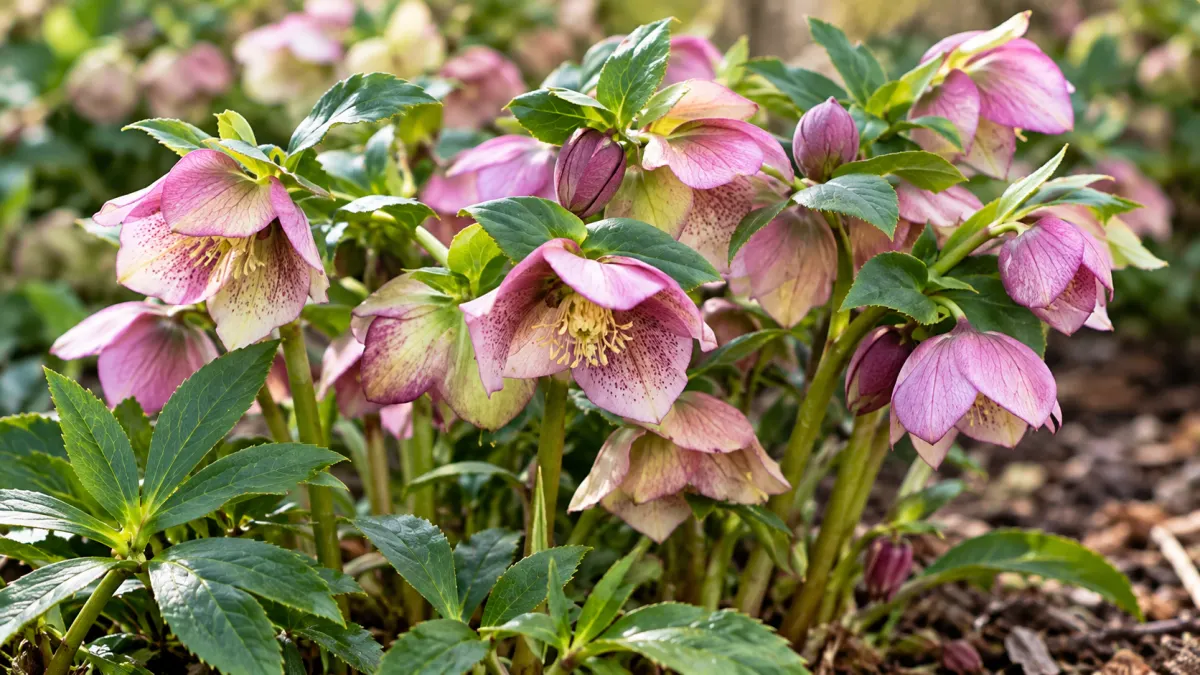
Lenten roses and their hybrids produce large, colorful flowers in late winter and early spring. They perform well in partial shade and are generally hardy and low-maintenance.
34. Stinking Hellebore (Helleborus foetidus)
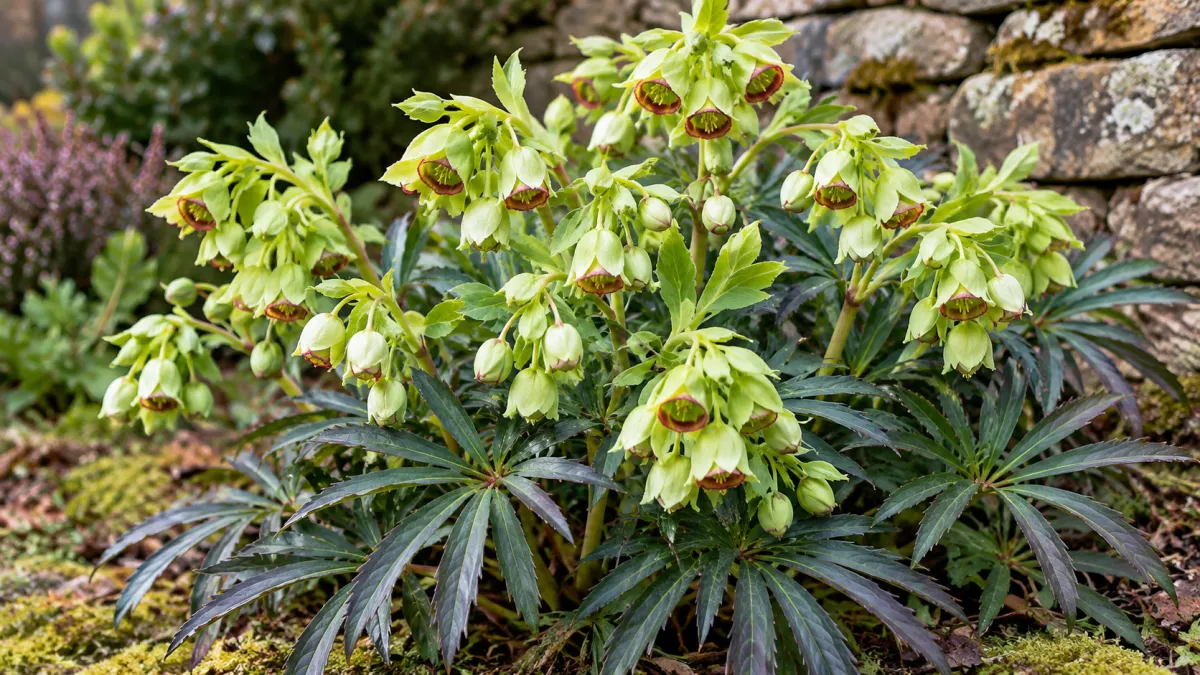
Despite its unattractive common name, this plant has a distinctive appearance. Its greenish-yellow flowers add interest to the winter garden.
35. Corsican Hellebore (Helleborus argutifolius)
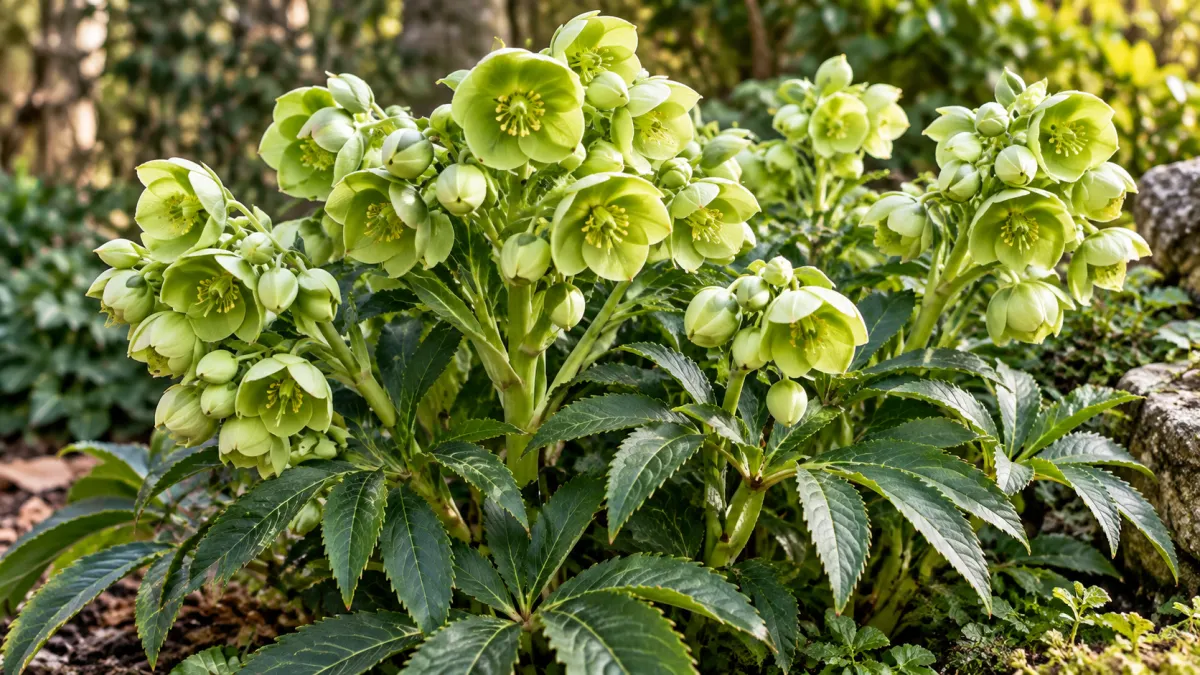
This species has tough green foliage and pale green flowers. It is useful for adding evergreen structure to a winter garden.
36. Reticulated Iris (Iris reticulata)
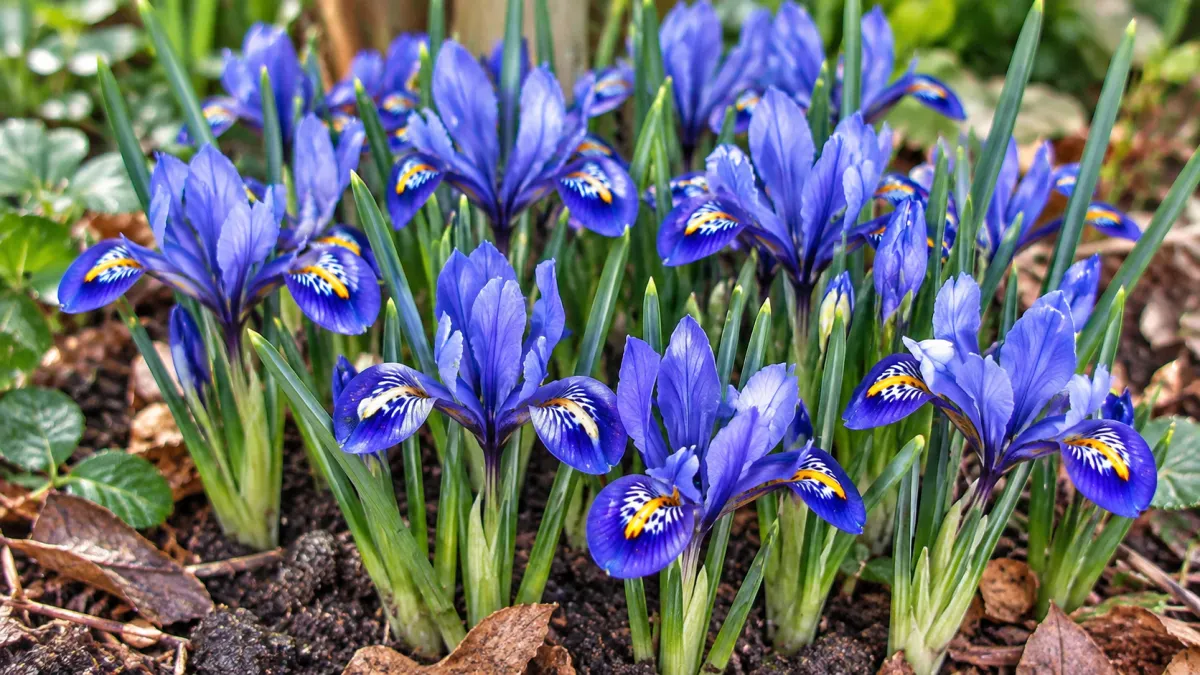
Reticulated irises are early-blooming bulbs that produce blue, purple, or yellow flowers in late winter or early spring.
37. Scilla (Scilla spp.)
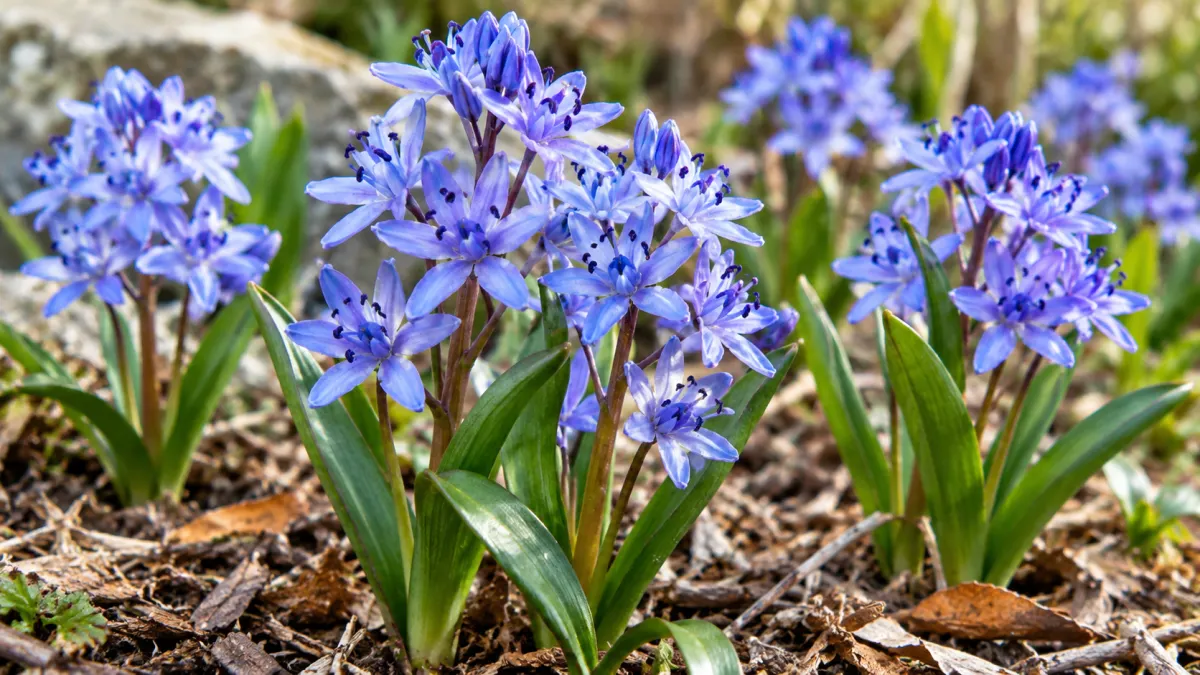
Early-blooming scillas produce small blue or white flowers. They look especially attractive when planted in groups in garden beds or beneath trees. Some species bloom in late winter.
38. Grecian Windflower (Anemone blanda)
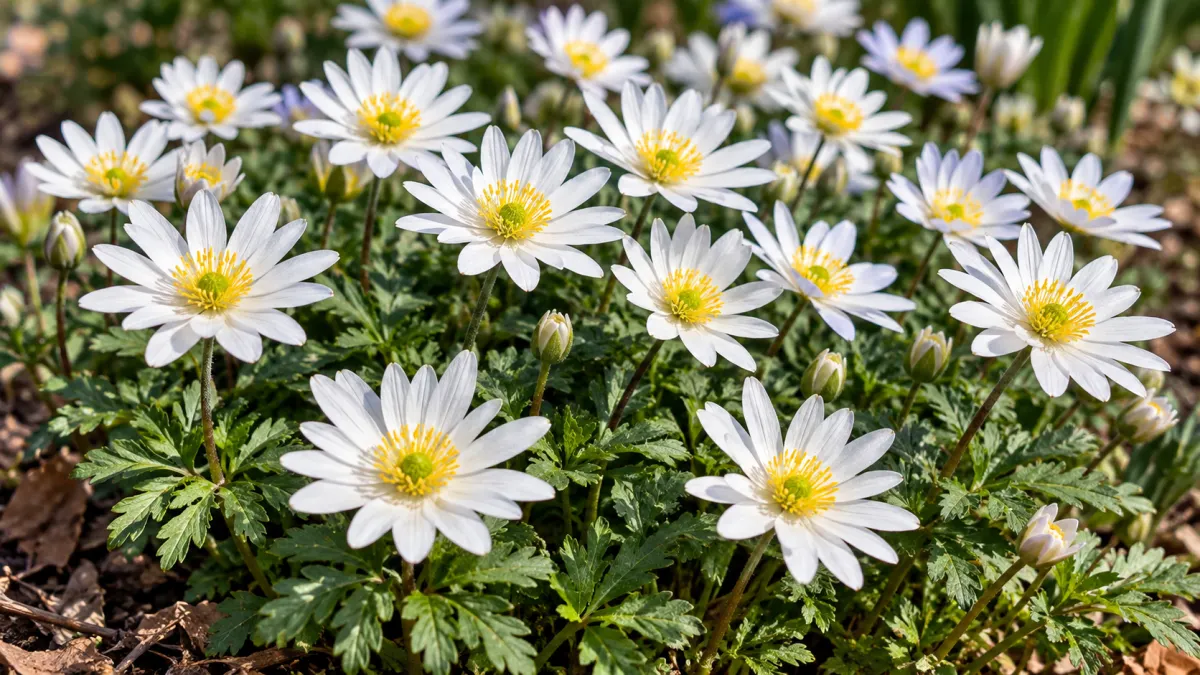
Some anemones, such as Anemone blanda, are hardy in cold regions. Their colorful flowers appear in late winter or early spring.
39. Rock Cress (Arabis spp.)
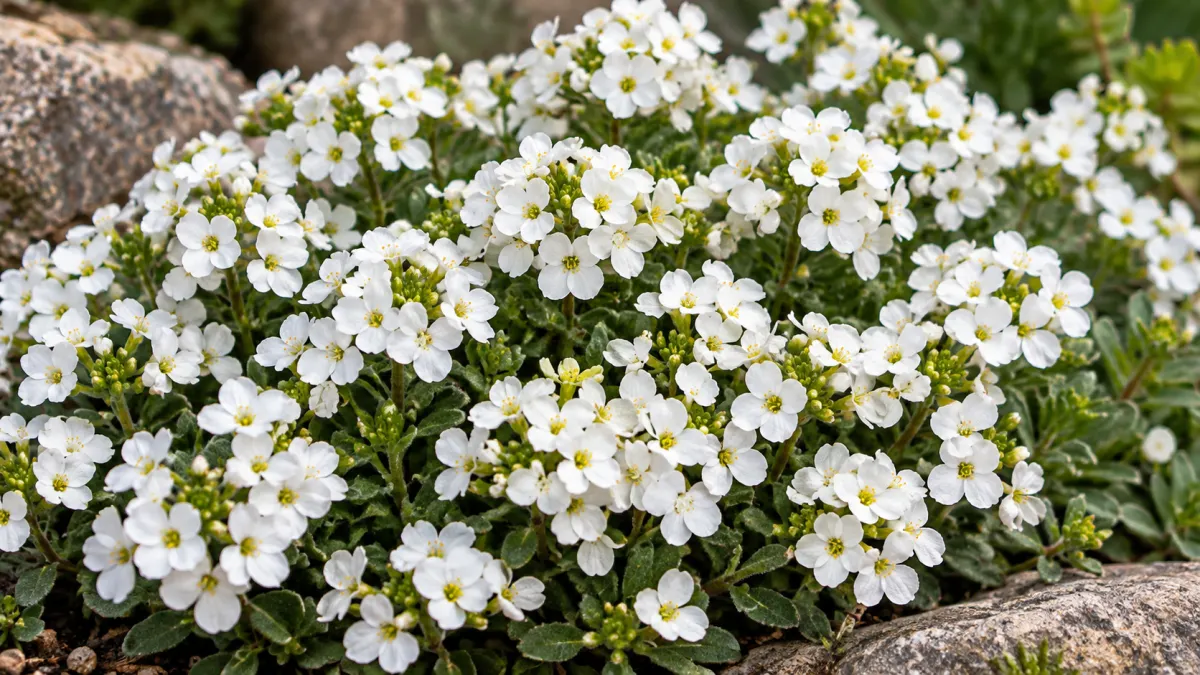
Rock cress is well suited to rock gardens and tolerates cold conditions. Its white flowers can cover the plant when it blooms.
40. Dusty Miller (Jacobaea maritima)
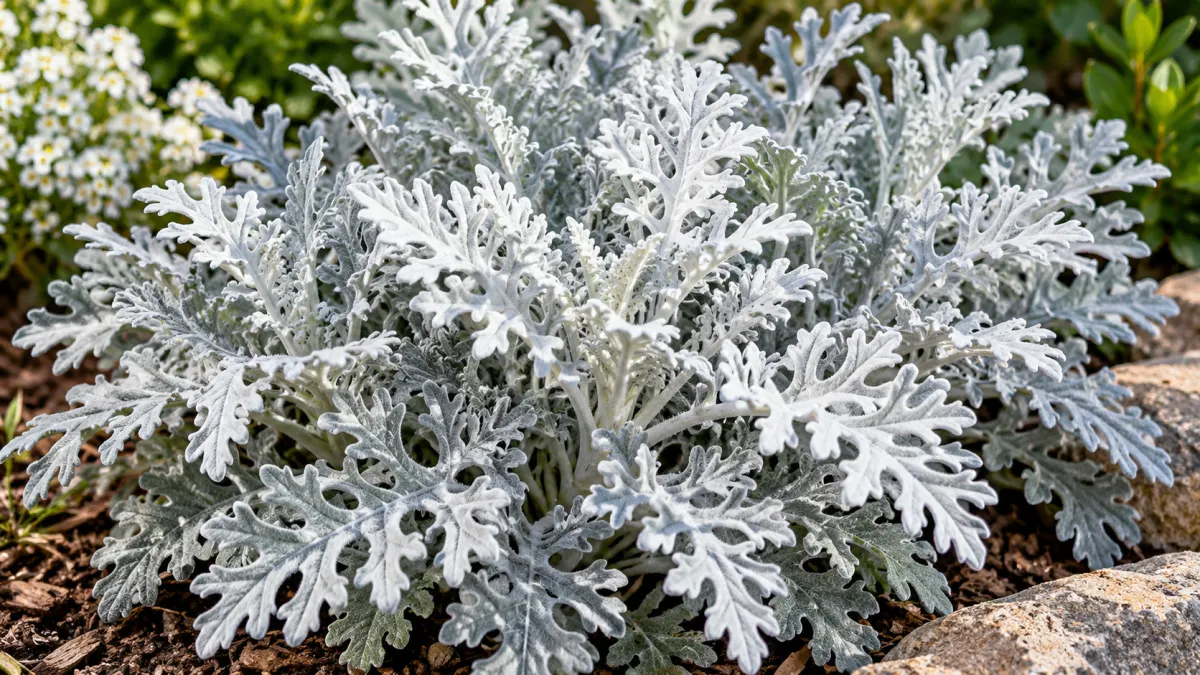
Dusty Miller is mainly valued for its silvery foliage. It creates a beautiful color contrast when combined with winter-flowering plants.
41. Forget-Me-Not (Myosotis spp.)
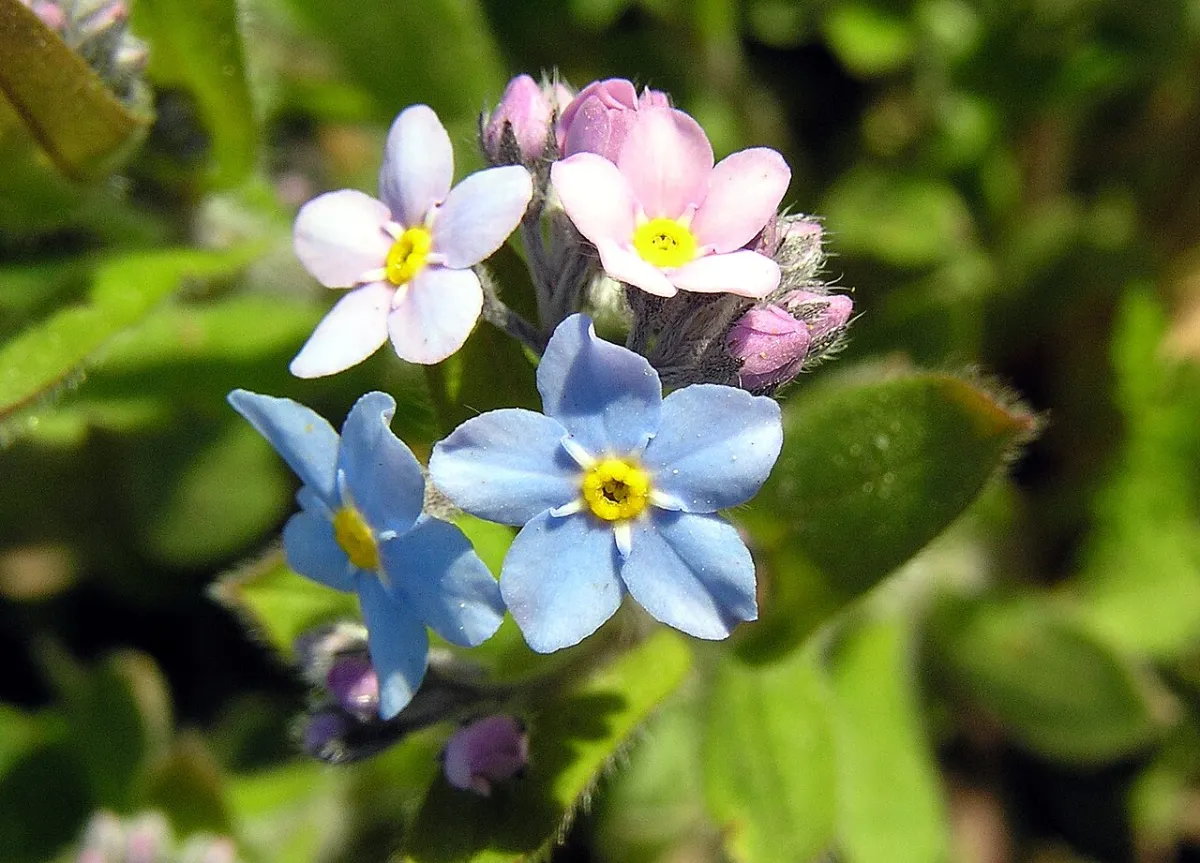
Forget-me-nots have small blue flowers and are attractive choices for containers and garden beds. They perform particularly well in cool weather and early spring.
42. English Daisy (Bellis perennis)
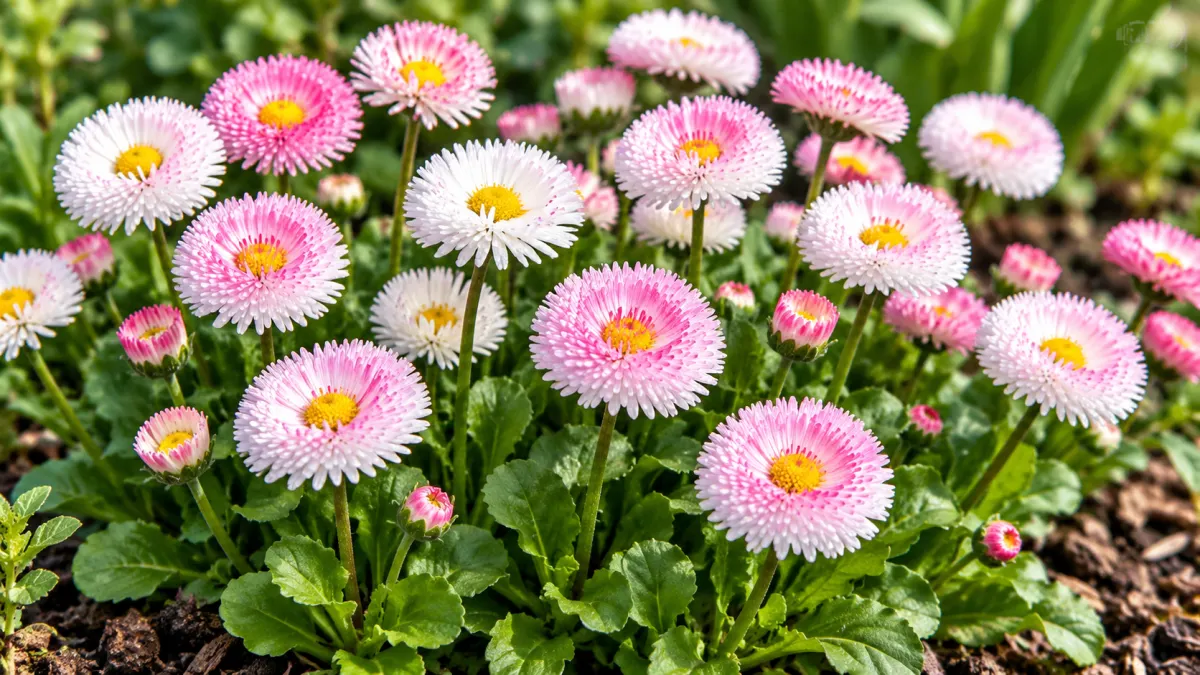
English daisies have small white flowers with yellow centers. In areas with mild winters, they can continue flowering and work well along garden borders.
43. Ornamental Oxalis (Oxalis spp.)
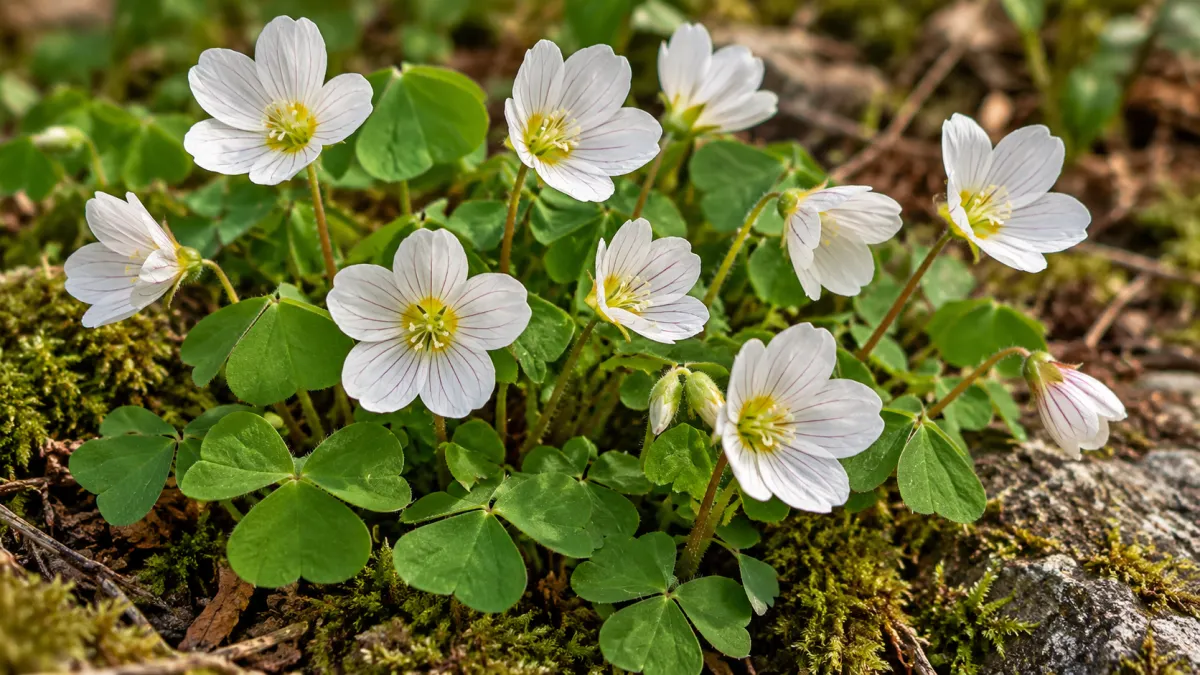
Some oxalis species perform well in cool weather. Their three-lobed leaves and delicate flowers give containers and garden beds a distinctive appearance.
44. Pampas Grass and Other Hardy Ornamental Grasses (Cortaderia spp.)
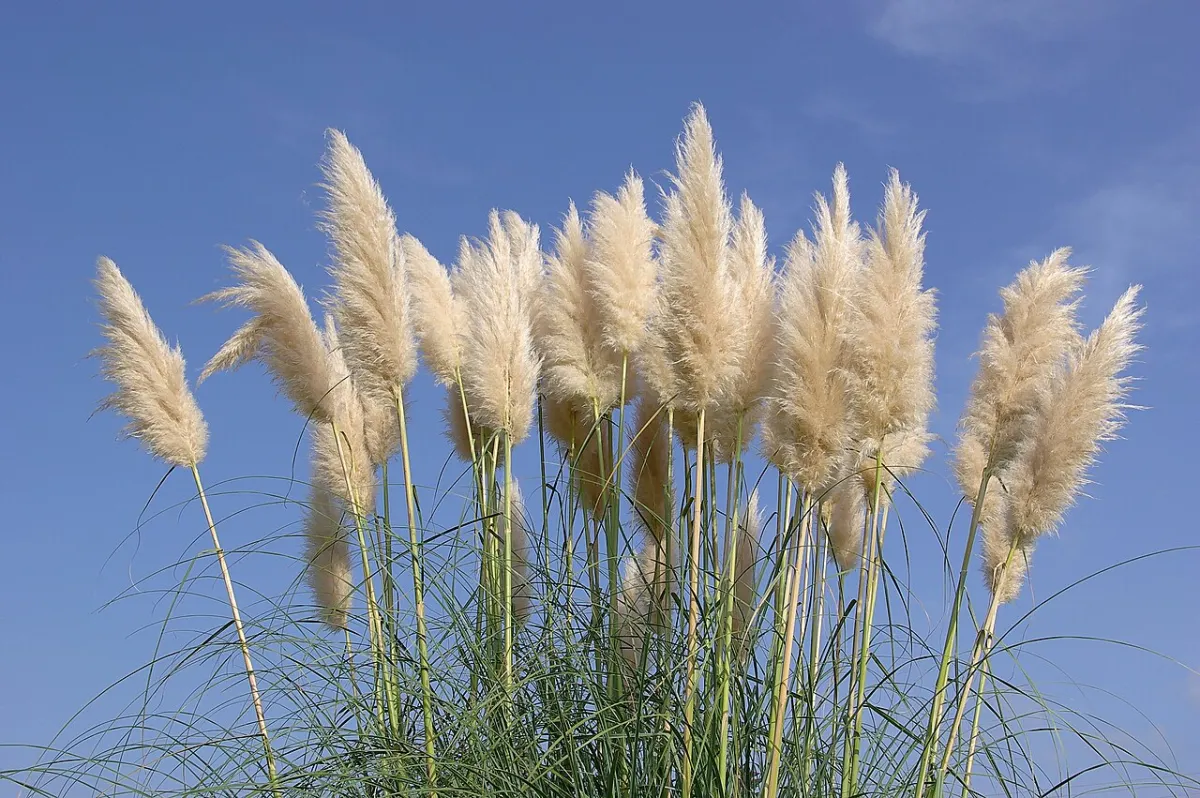
Some hardy ornamental grasses may not produce fresh flowers during winter, but they retain their dried flower heads and attractive forms. This makes them useful for winter garden design.
45. Rhododendron (Rhododendron spp.)

Hardy rhododendrons are valuable choices for cold regions, and some varieties begin flowering in late winter or early spring. They require acidic soil and suitable root conditions.
46. Japanese Quince (Chaenomeles spp.)
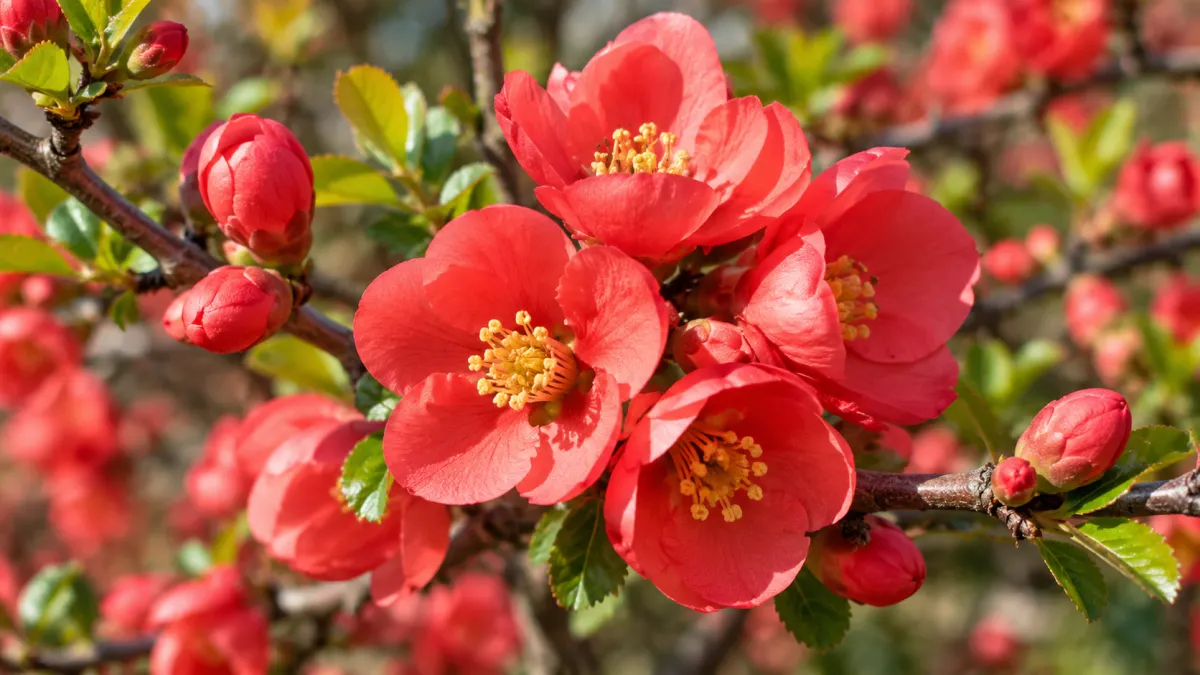
Japanese quince is a hardy ornamental shrub. Its pink, red, or white flowers appear in late winter and early spring, and its branches remain attractive even before the leaves emerge.
47. Winter Honeysuckle and Other Fragrant Hardy Plants (Lonicera fragrantissima)
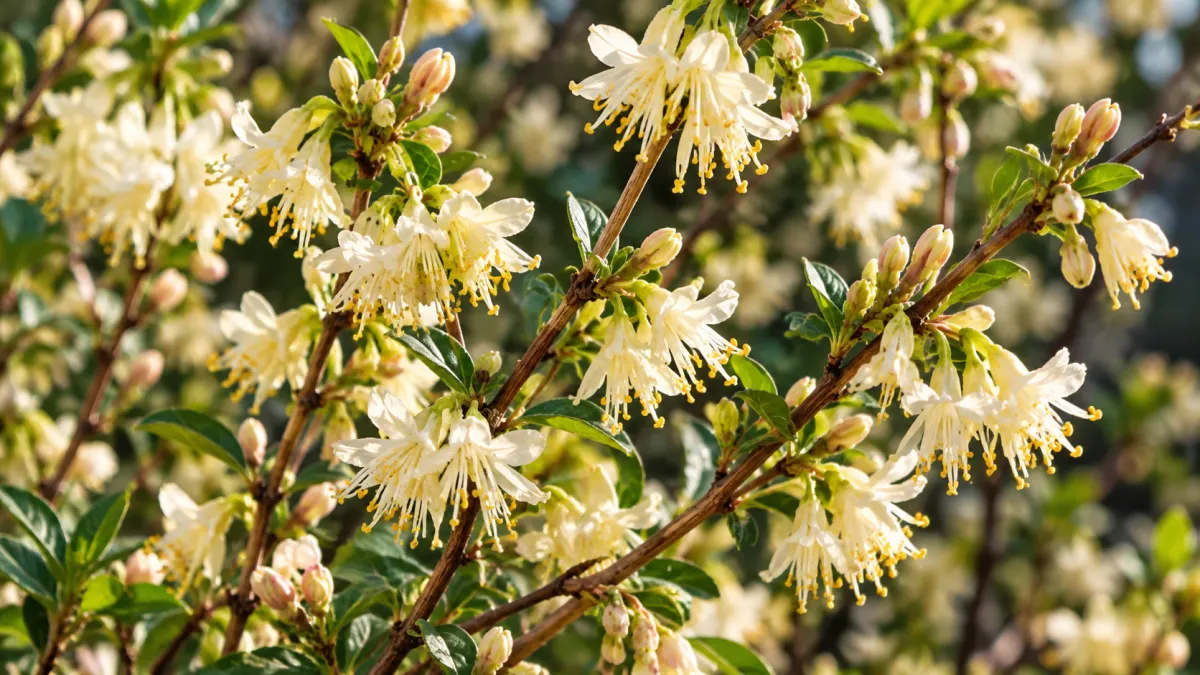
Fragrant and evergreen hardy plants can be combined with winter flowers to keep a garden from looking empty when fewer plants are blooming. Plants such as sweet box, mahonia, and heather work well alongside hellebores and snowdrops.
Best Winter Flowers for Containers
If you have limited space and want winter flowers for a balcony, terrace, or windowside, these options are practical:
-
Pansy
-
Viola
-
Primrose
-
Hardy Cyclamen
-
Hellebore
-
Snowdrop
-
Crocus
-
Ornamental Kale
-
Calendula
-
Snapdragon
-
Stock
-
Heather
-
Bergenia
Good drainage is especially important for winter containers. During severe frost, containers should also be protected from freezing damage.
Which Winter Flowers Are Best for the Garden?
For garden beds, choose plants based on light, temperature, and soil drainage. A combination of hellebore, snowdrop, winter aconite, hardy cyclamen, and crocus can create an attractive winter garden.
Important Winter Flower Care Tips
1. Water Less Often
Water evaporates more slowly in cold weather, so avoid keeping the soil constantly wet. Overwatering and poor drainage can cause root problems during winter.
2. Make Sure the Soil Drains Well
Standing water around the roots can be particularly harmful to hellebores, cyclamens, and bulbs. Hardy cyclamens also perform better in well-drained soil.
3. Do Not Place Containers Directly on the Ground
During severe cold, slightly raising containers can improve drainage and reduce the risk of pots cracking from freezing.
4. Choose Plants According to Your Climate
“Cold-hardy” does not mean that a plant can survive every type of frost. Minimum temperature, frost duration, cold winds, soil moisture, and container conditions can all affect survival.
5. Do Not Confuse Sensitive Flowers With Hardy Varieties
For example, common potted cyclamens are different from hardy garden cyclamens. Always check the scientific name and plant type before buying.
A Suggested Combination for a Beautiful Winter Garden
If you want your garden to look attractive throughout winter, combine plants with different heights and colors:
Low layer: Snowdrops + Winter Aconite + Crocus + Hardy Cyclamen
Middle layer: Pansies + Primroses + Cyclamens + Hellebores
Tall layer: Camellias + Mahonia + Witch Hazel + Viburnum
This combination adds different colors, textures, and heights instead of relying on a single type of flower.
If you are looking for beautiful cold-hardy winter flowers, hellebores, snowdrops, hardy cyclamens, pansies, primroses, winter aconites, crocuses, and winter irises are attractive choices. For larger gardens, camellias, witch hazel, mahonia, sweet box, and viburnum can add more structure, color, and fragrance.
Before buying, always check the plant's cold-hardiness, your area's minimum temperature, available light, and soil drainage, as cold tolerance can vary between species and cultivars.