
 21 November 2026
Earth is only one example of what a planet can be. Beyond our solar system, astronomers have discovered worlds with extreme temperatures, unusual atmospheres, surprising densities, and extraordinary orbits. These 12 strange exoplanets reveal just how diverse planetary systems can be.
Can Astronauts Smoke in Space? A Veteran Cosmonaut’s Answer Might Surprise You
Meet 12 Strange Alien Worlds That Could Exist Only in Science Fiction!
 Inside the List
12 Items
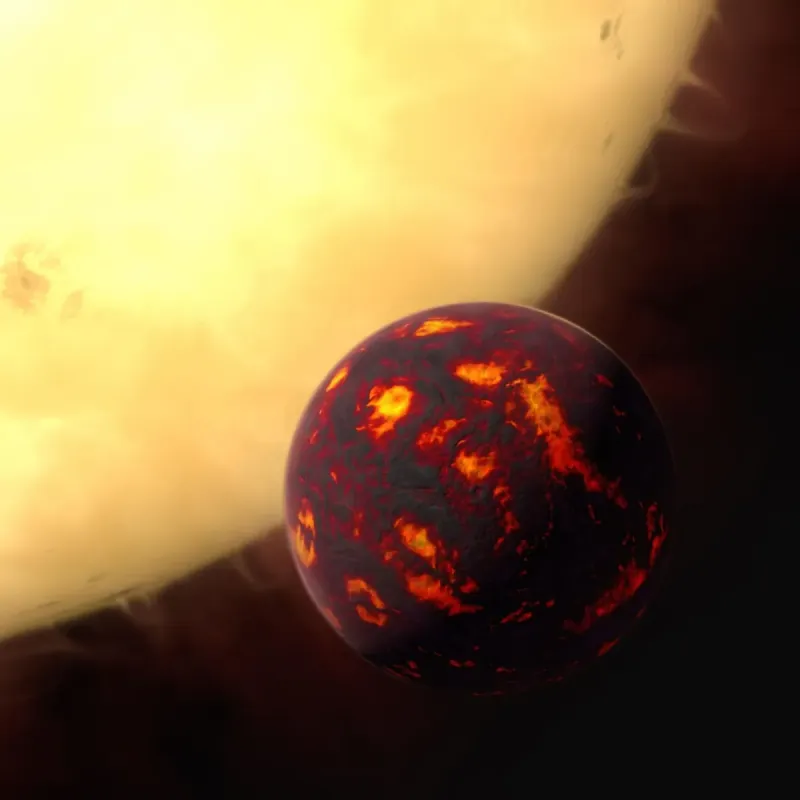
55 Cancri e
A world of extreme heat
55 Cancri e is a scorching rocky planet with a possible magma ocean and an unusual atmosphere containing carbon dioxide or carbon monoxide, according to James Webb observations.
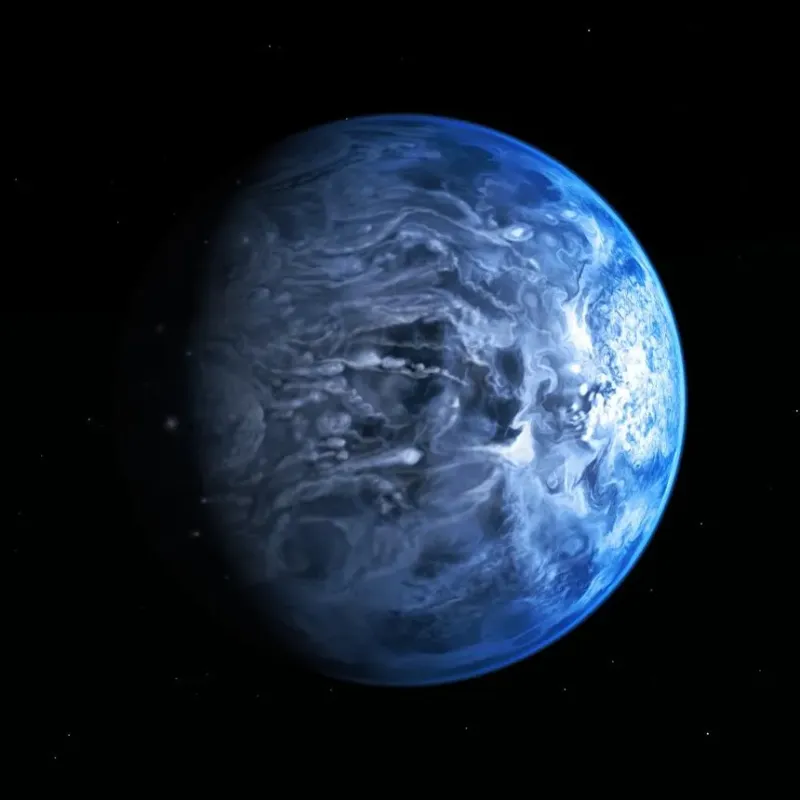
HD 189733 b
A beautiful but turbulent blue world
D 189733 b appears blue due to silicate particles, but its atmosphere has powerful winds and harsh weather with potentially glass-forming clouds.
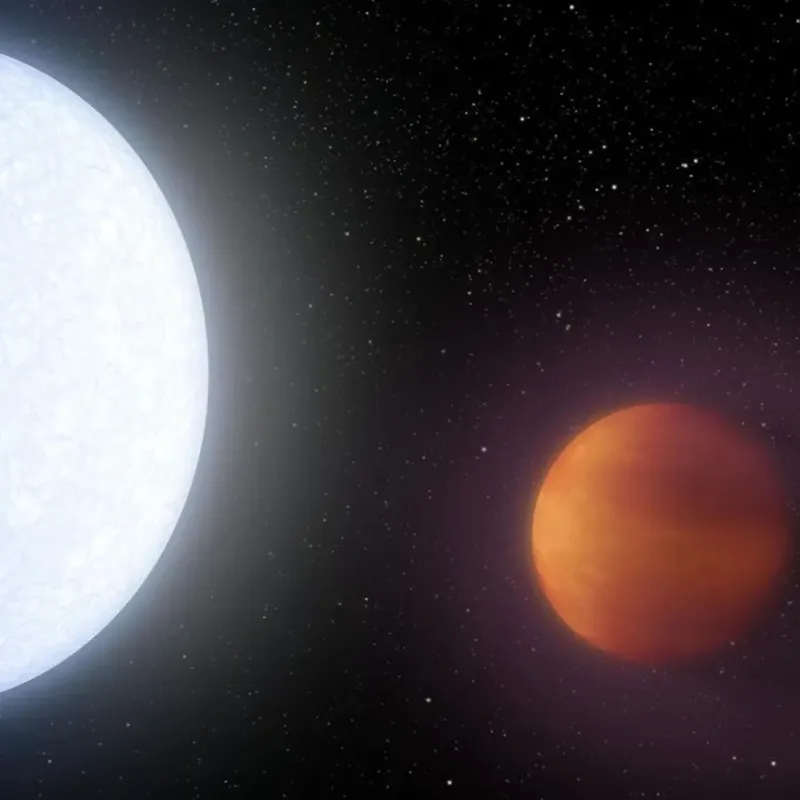
KELT-9 b
Hotter than many stars
KELT-9 b is an ultra-hot gas giant that orbits extremely close to its star. Its intense heat can break apart molecules in its atmosphere, making it one of the most extreme planetary environments astronomers have identified.
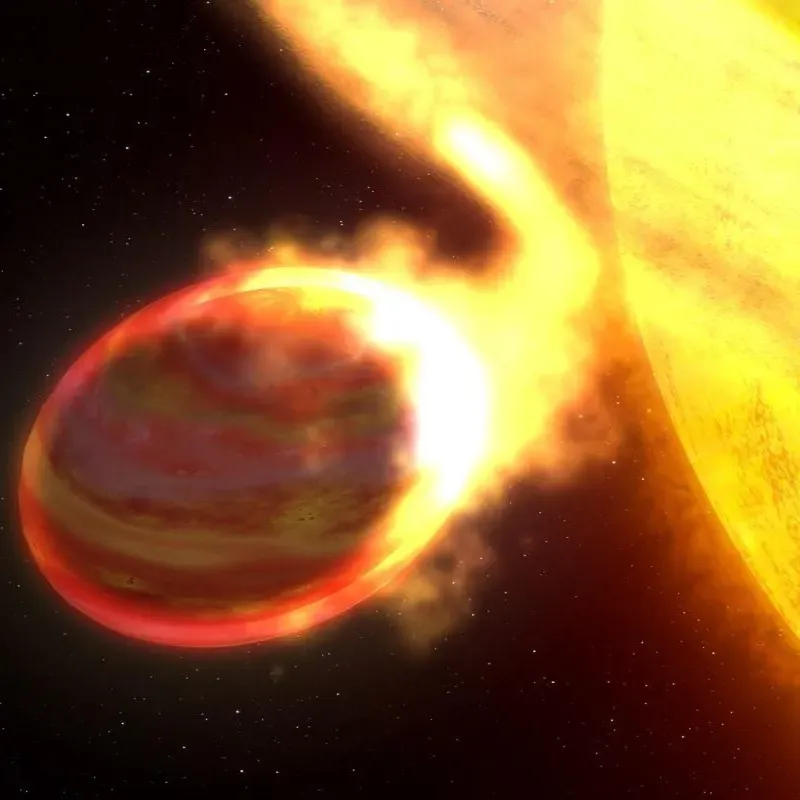
WASP-12 b
A planet being pulled apart
WASP-12 b travels extremely close to its host star, exposing it to intense heat and gravitational forces. Observations indicate that material is being drawn away from the planet, giving it an extended and distorted appearance.
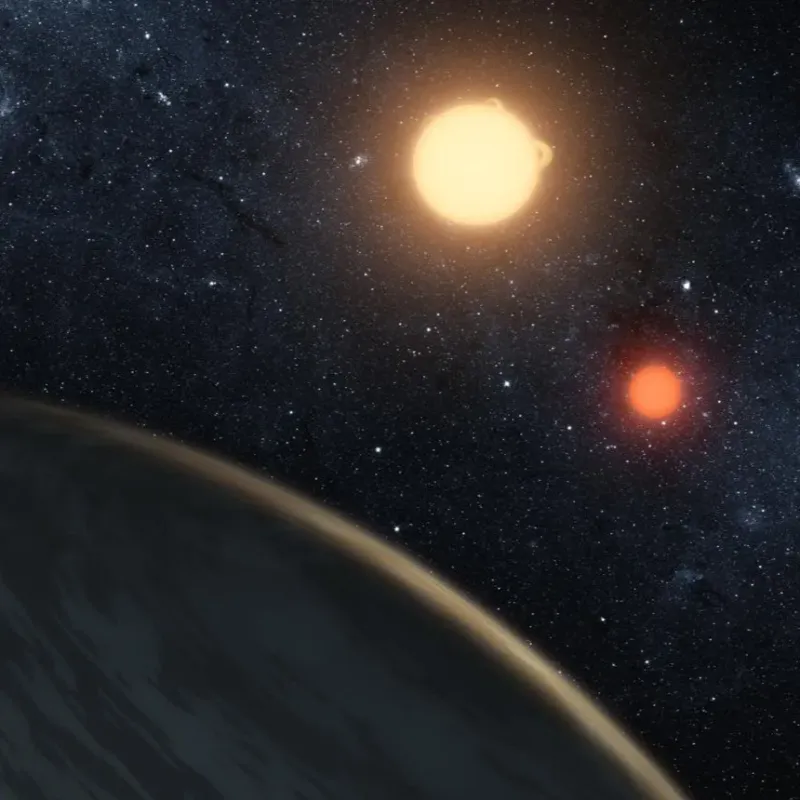
Kepler-16 b
A planet with two suns
Kepler-16 b is a gas giant in a system with two stars. The discovery provided a real example of a planetary system resembling the fictional setting of Tatooine, although the planet itself is not considered habitable.
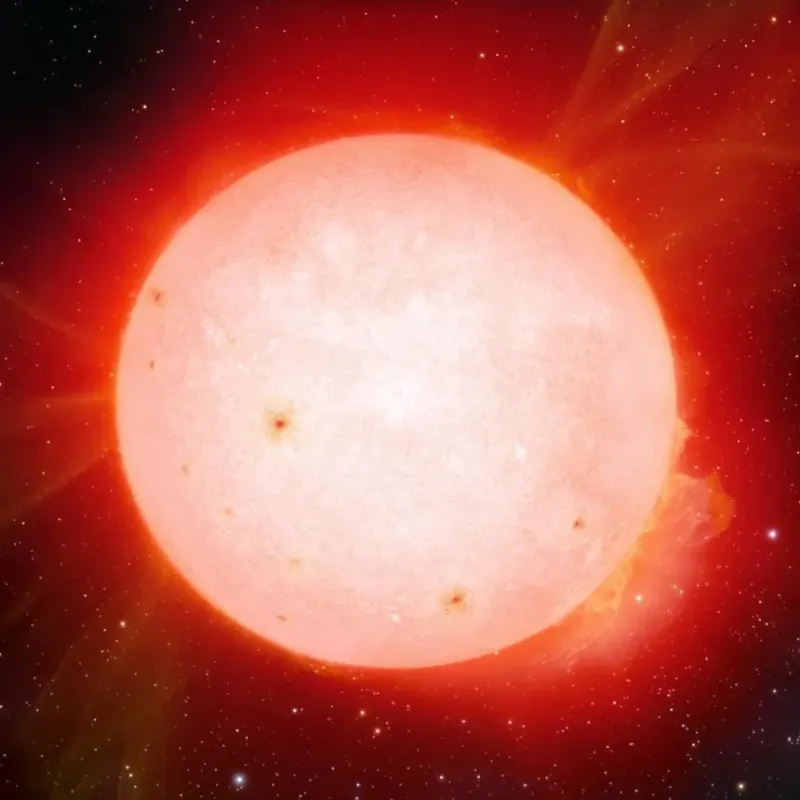
TOI-3757 b
A giant planet with surprisingly low density
TOI-3757 b is a gas giant with an unusually low density despite being roughly Jupiter-sized. Its inflated structure makes it an intriguing example of how differently giant planets can form and evolve around smaller stars.
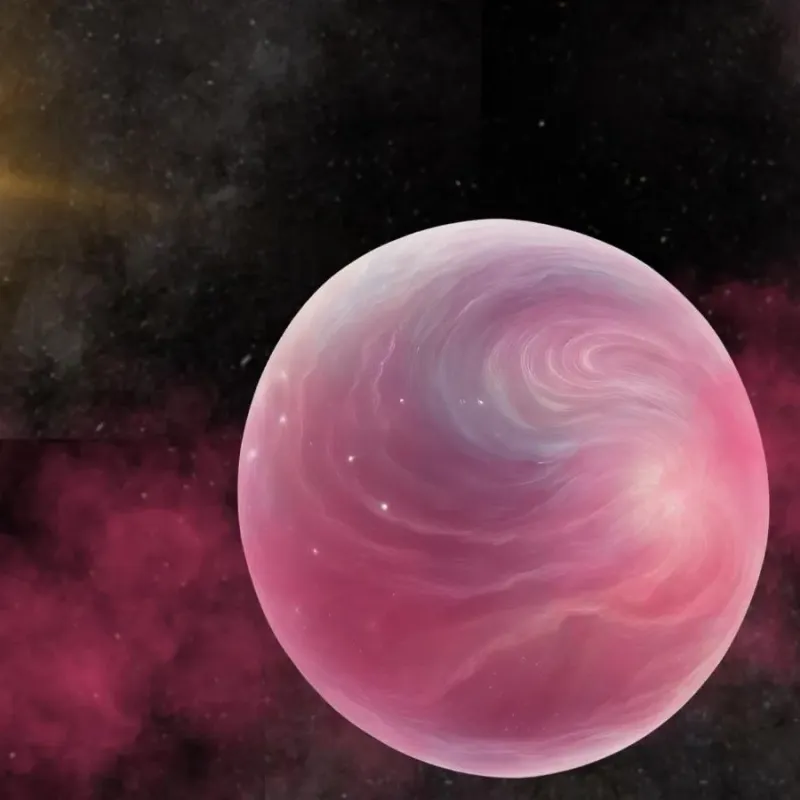
Kepler-51 b
A remarkably lightweight giant world
Kepler-51 b belongs to a rare group of extremely low-density planets often called super-puffs. Although its size is closer to that of a giant planet, its density is exceptionally low.
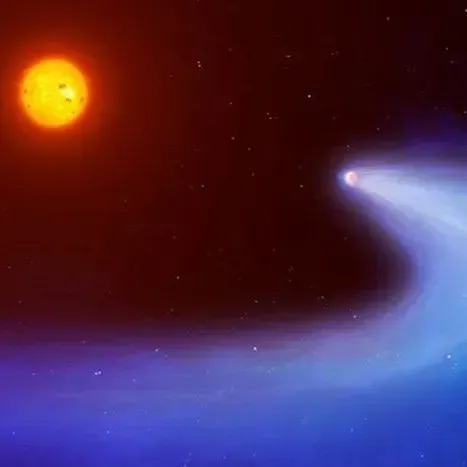
GJ 436 b
A planet with a comet-like tail
GJ 436 b is a warm Neptune-like planet whose atmosphere is gradually escaping into space. Ultraviolet observations revealed a vast cloud of hydrogen trailing behind it, creating a shape that resembles a comet.
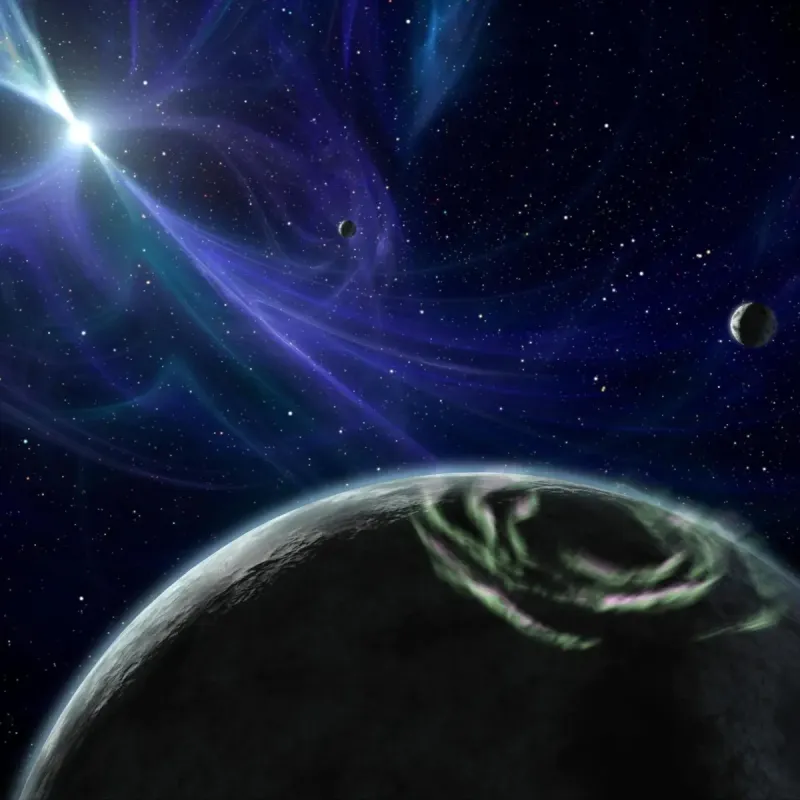
PSR B1257+12 b
A planet orbiting a stellar remnant
PSR B1257+12 b orbits a pulsar, the extremely dense remnant of a once-massive star. Its discovery was part of the first detection of planets beyond our solar system, showing that planetary systems can exist in extraordinary environments.
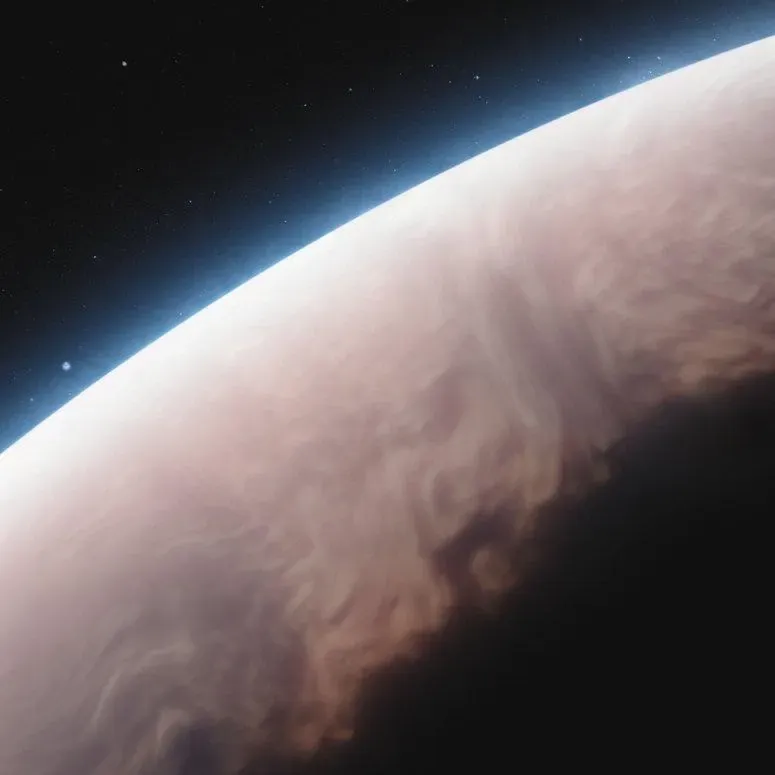
WASP-17 b
A world with quartz-bearing clouds
WASP-17 b is a giant planet with an atmosphere containing evidence of quartz crystals, a form of silica. Observations from the James Webb Telescope provided the first evidence of this material in the clouds of an exoplanet.
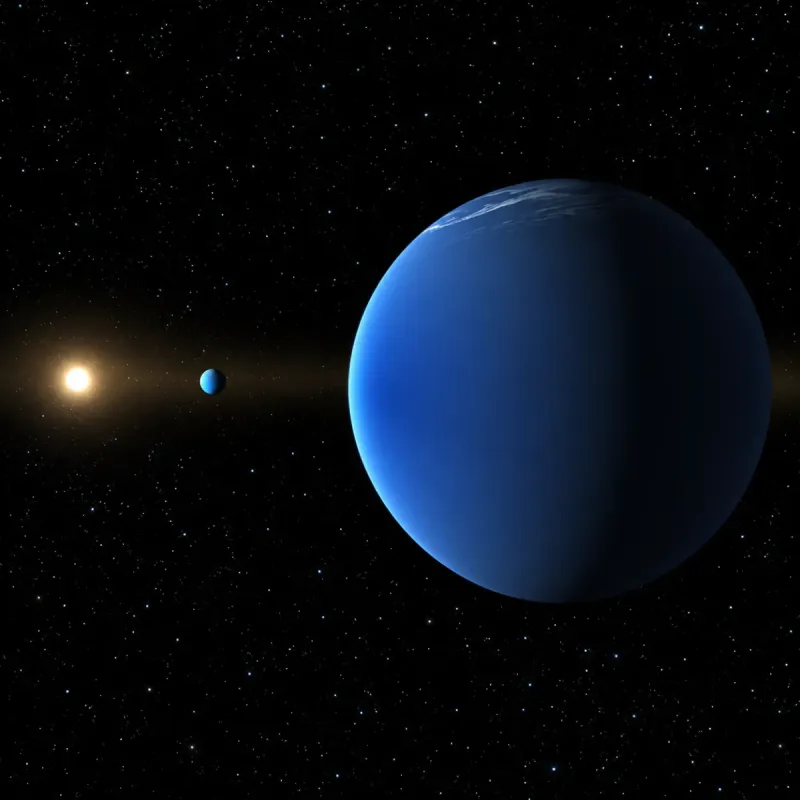
TOI-791 b
One of the puffiest known planets
TOI-791 b is among two remarkably low-density giant planets reported by NASA in 2026. Despite being roughly Jupiter-sized, these planets have only a small fraction of Jupiter's mass, making them some of the puffiest known worlds.
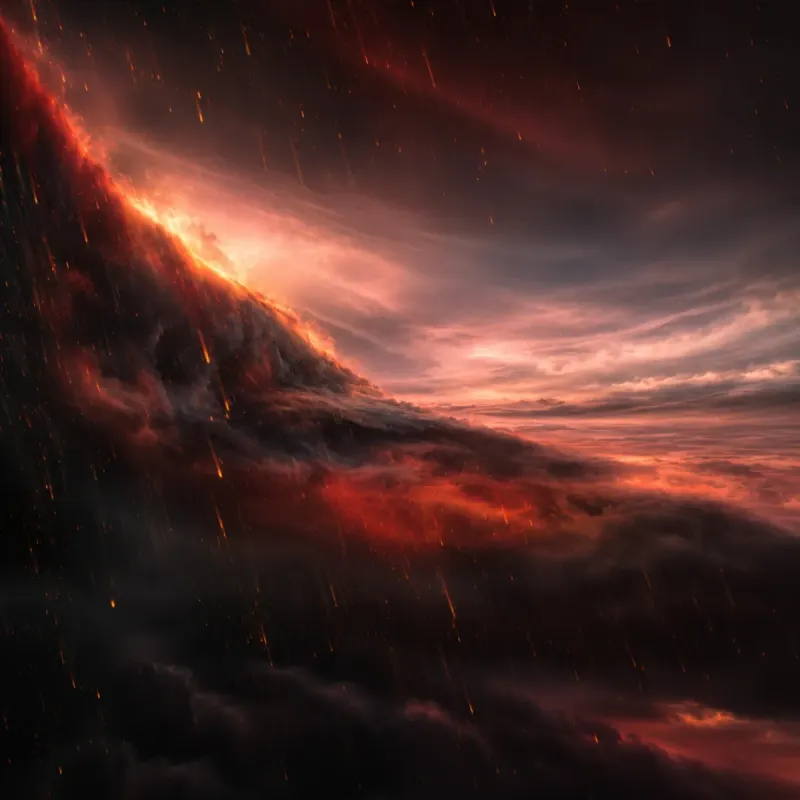
WASP-76 b
A world where iron may fall as rain
WASP-76 b is an extremely hot gas giant where iron vapor from its hot side may condense on the cooler side, creating a phenomenon known as iron rain.