
 20 November 2026
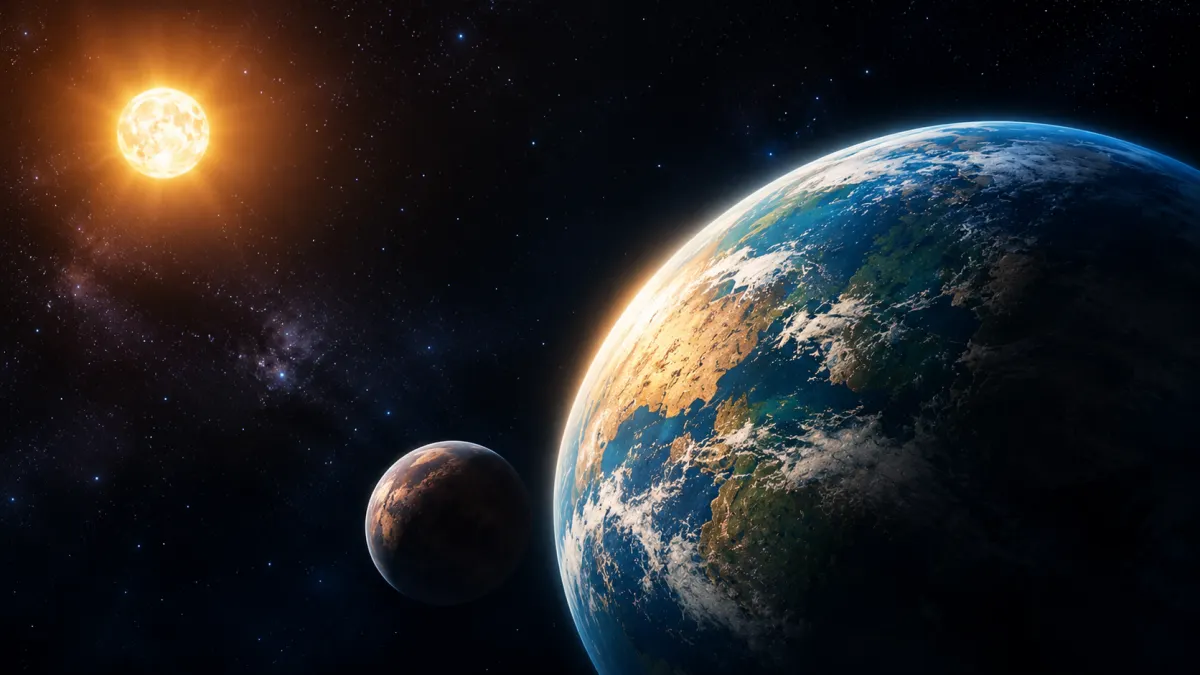
Exoplanets are planets that orbit stars beyond our Solar System, offering scientists a way to investigate how planetary systems form and whether life could exist elsewhere.
Advances in space telescopes and detection techniques are revealing an increasingly diverse population of distant worlds.
11 Key Things to Know About Exoplanets
Read More

 Inside the List
11 Items
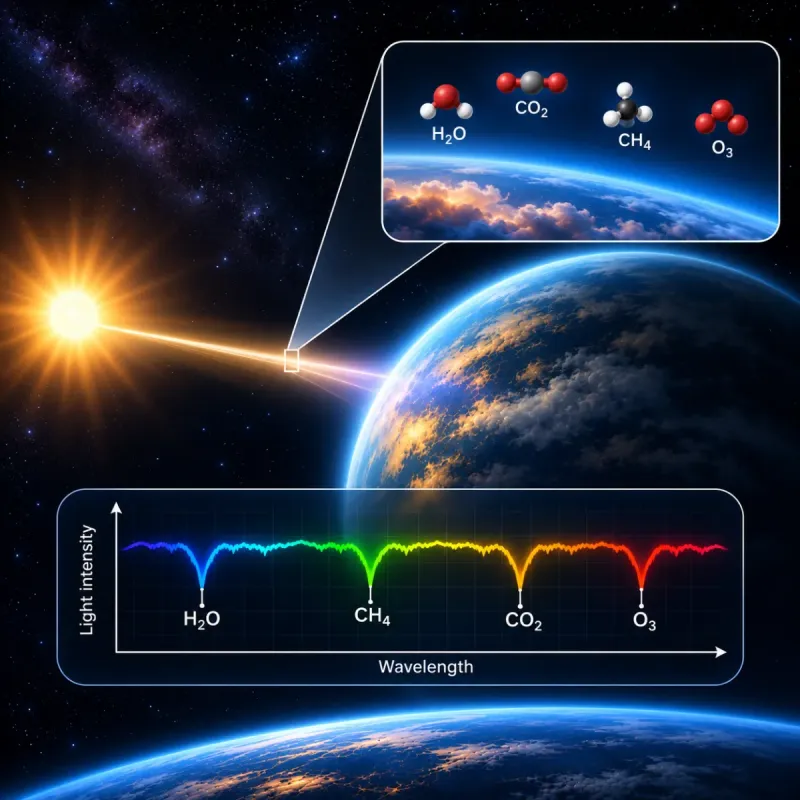
Atmospheric Studies Help Search for Signs of Life
Design: Chemical signatures
Studying starlight that passes through or reflects from an exoplanet’s atmosphere can reveal chemical signatures. Spectroscopy helps investigate gases, clouds, haze, and possible biosignatures.
- Contains atmospheric gases
- Detects chemical compounds
- Identifies potential biosignatures
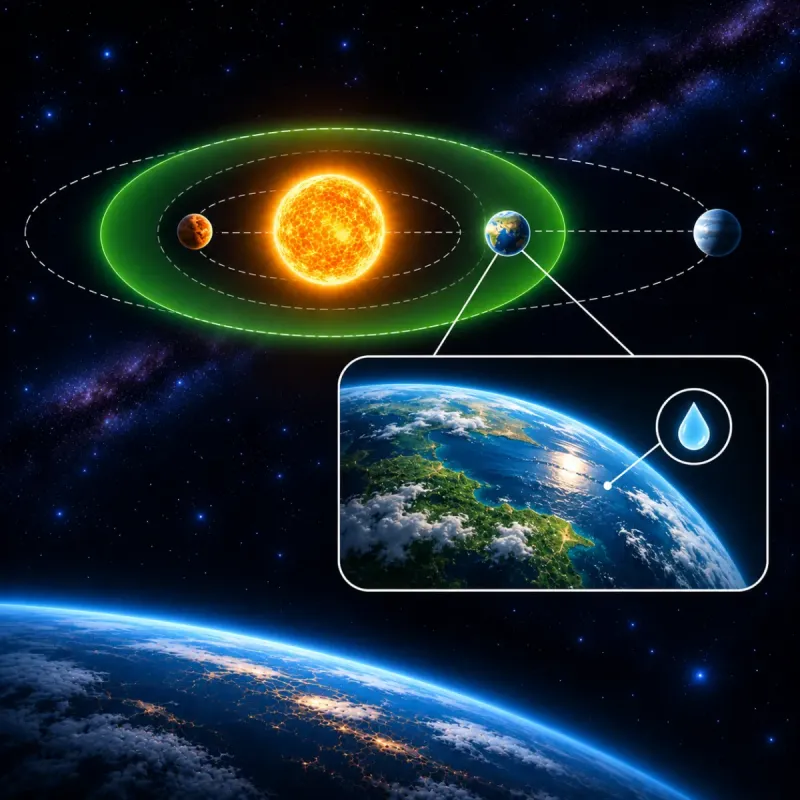
Habitable Zones Help Identify Potentially Suitable Worlds
Design: Potential liquid water
A habitable zone is the region around a star where conditions could allow liquid water on a planet’s surface. Being in this zone does not prove that a world has water or supports life.
- Supports liquid water
- Maintains suitable temperatures
- Provides habitable conditions
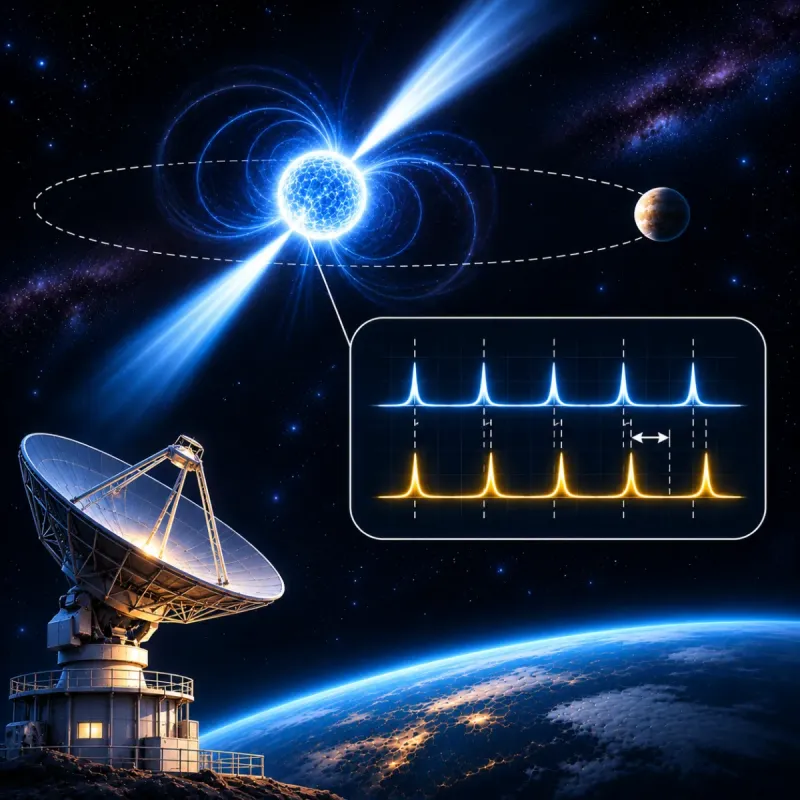
Some Exoplanets Orbit Pulsars
Design: Changes in pulse timing
Astronomers have found some planets by tracking changes in a pulsar's regular pulses. A planet’s gravity affects the timing, revealing worlds around these unusual stellar remnants.
- Detects pulsar signals
- Measures timing variations
- Identifies unusual systems
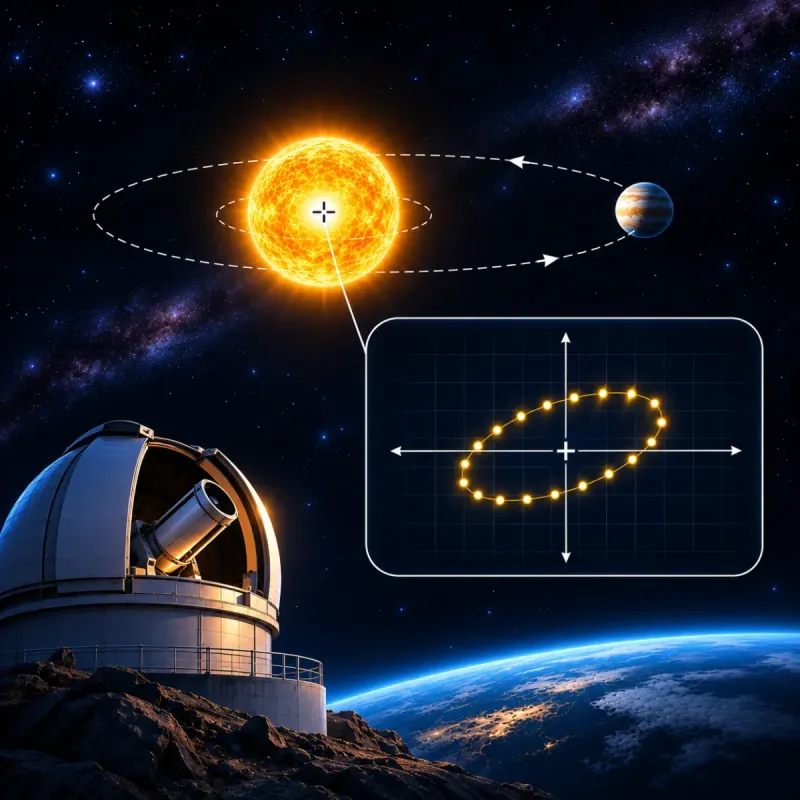
Astrometry Tracks Tiny Stellar Movements
Design: Positional measurements
Astrometry searches for tiny changes in a star’s position as an orbiting planet shifts its motion. This method offers another way to determine a planet’s orbit and estimate its mass.
- Tracks stellar movement
- Monitors positions
- Measures orbital paths
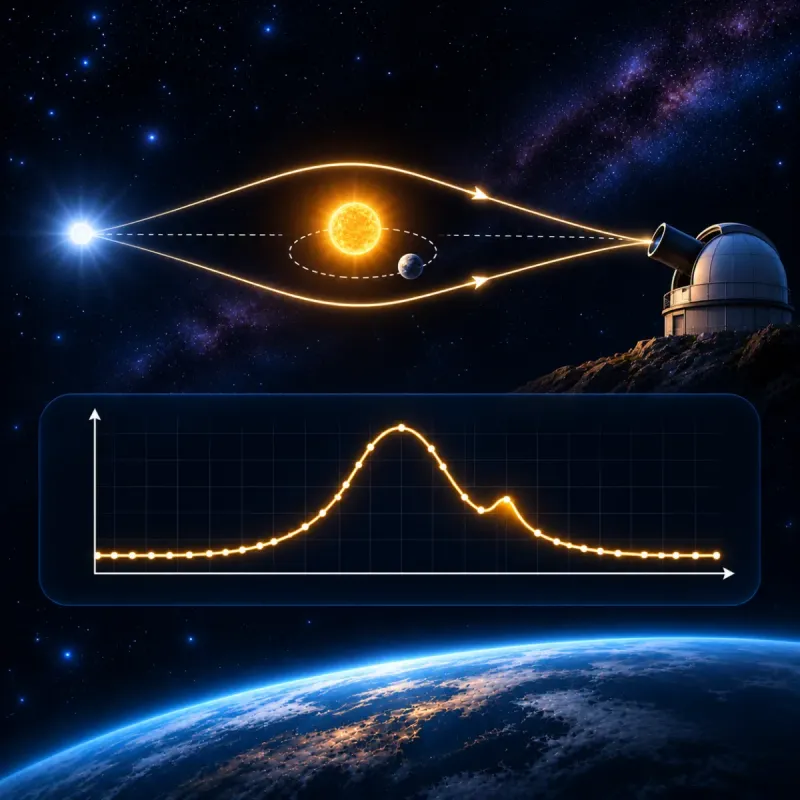
Gravitational Microlensing Reveals Distant Worlds
Design: Light magnification
Microlensing occurs when a foreground star bends and magnifies the light of a more distant star. A planet orbiting the foreground star can add a brief signal to the brightening event.
- Uses gravitational lensing
- Amplifies distant light
- Detects distant systems
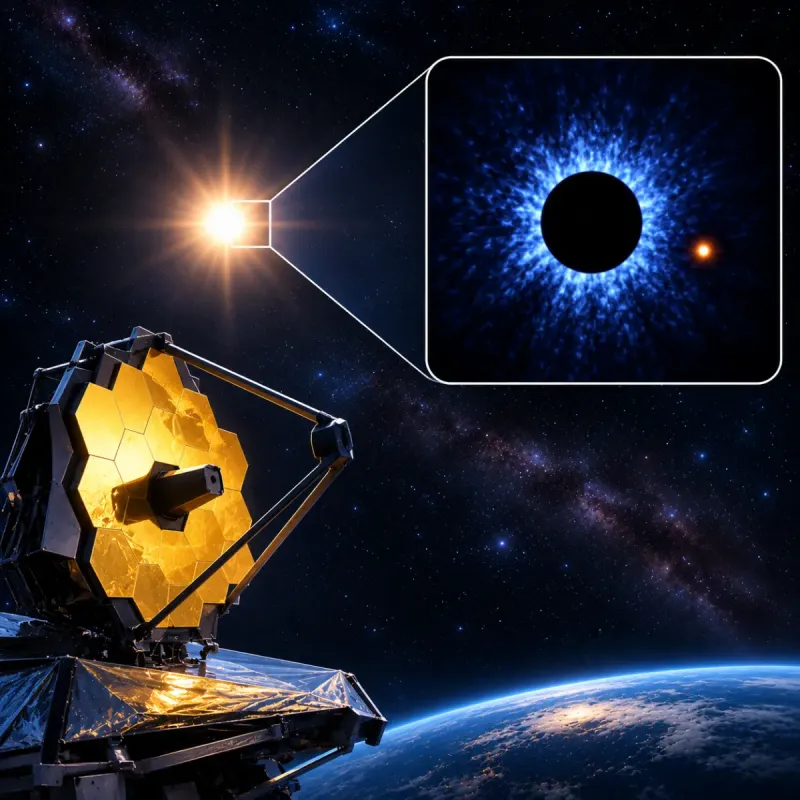
Direct Imaging Captures Planetary Light
Design: Capturing planetary light
Direct imaging attempts to capture light from the planet itself. Because a host star is much brighter, telescopes use instruments such as coronagraphs to block its glare and reveal nearby worlds.
- Captures planetary images
- Blocks starlight
- Uses infrared observations
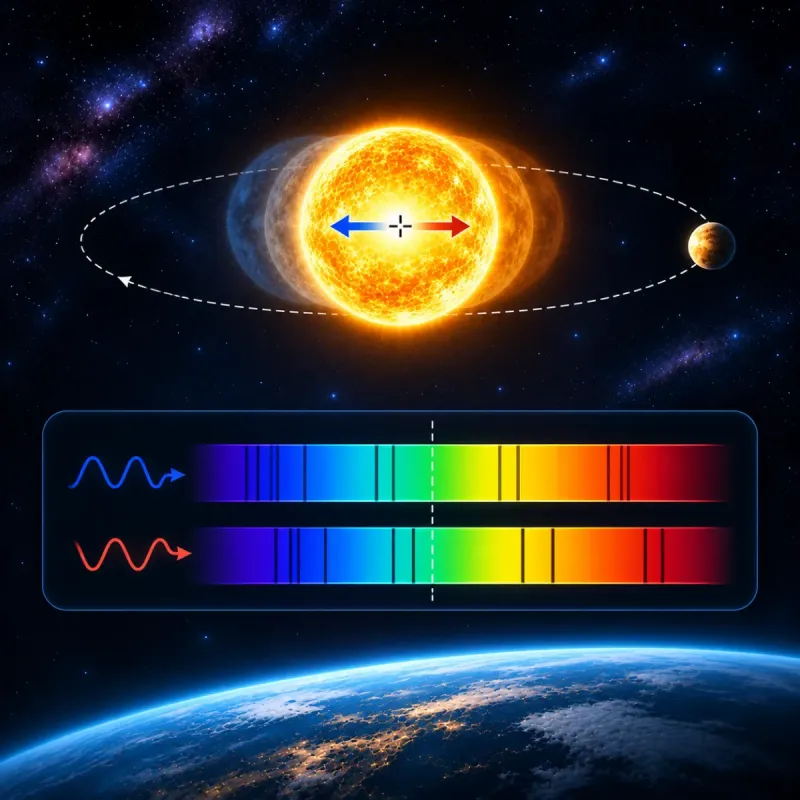
Radial Velocity Measures a Star's Wobble
Design: Doppler shift
The radial velocity method measures tiny shifts in a star’s spectrum as an orbiting planet pulls it back and forth. This stellar wobble helps astronomers estimate a planet’s minimum mass and orbit.
- Detects stellar wobble
- Measures Doppler shifts
- Estimates planetary mass
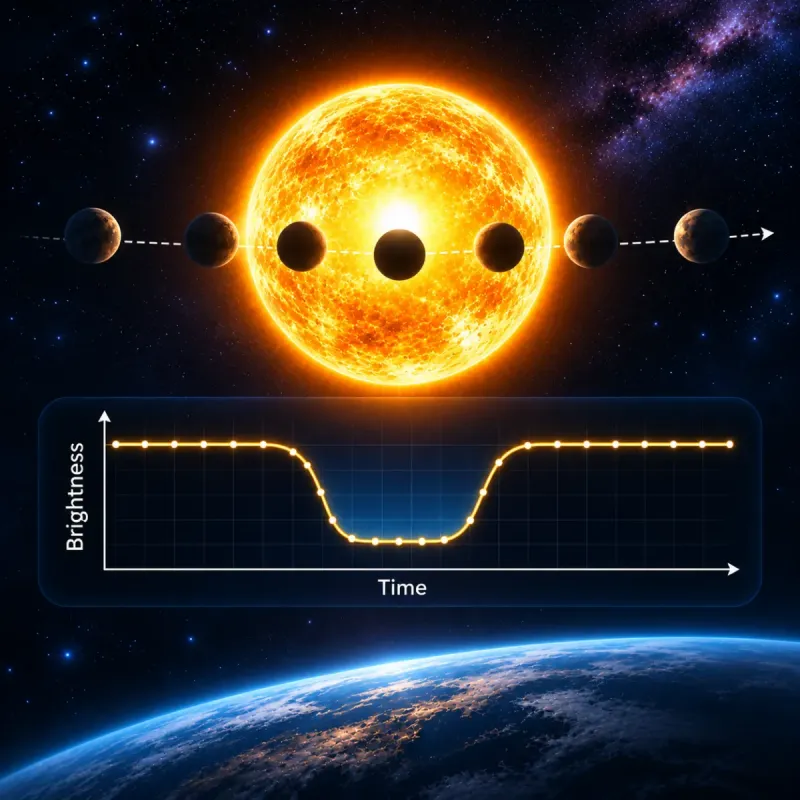
The Transit Method Detects Planets Through Starlight
Design: Temporary stellar dimming
The transit method detects a planet when it crosses in front of its star, causing a small, repeating dip in brightness. The pattern can reveal its orbital period and estimate its size.
- Measures light reduction
- Tracks repeated transits
- Determines orbital periods
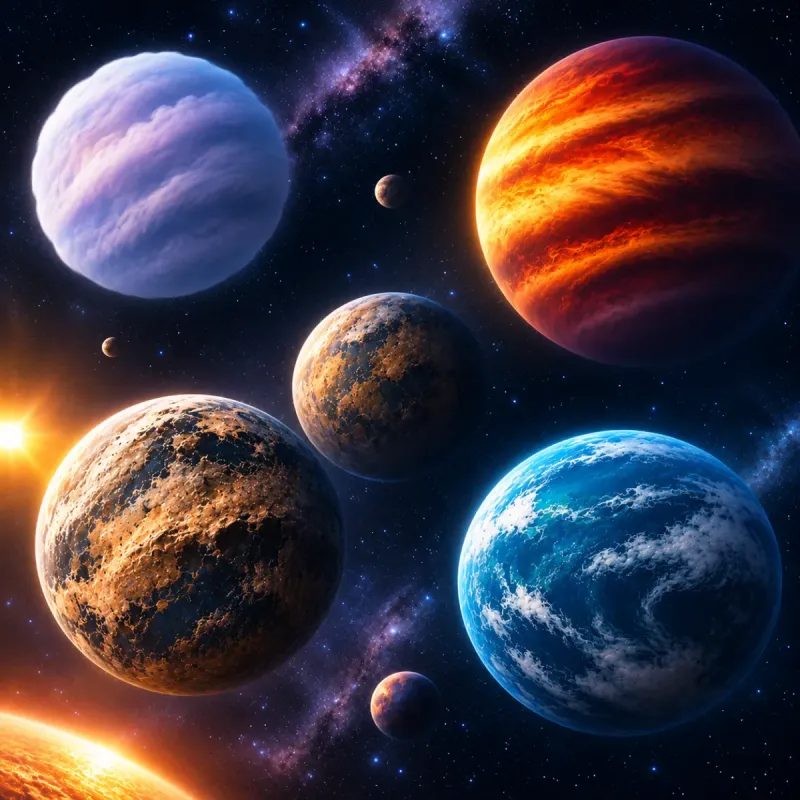
Exoplanets Come in Different Sizes and Types
Design: Different sizes and compositions
Exoplanets come in many sizes and compositions, including rocky super-Earths, hot Jupiters, water-rich candidates, and extremely low-density worlds unlike anything in our Solar System.
- Includes rocky planets
- Features gas giants
- Contains super-Earths
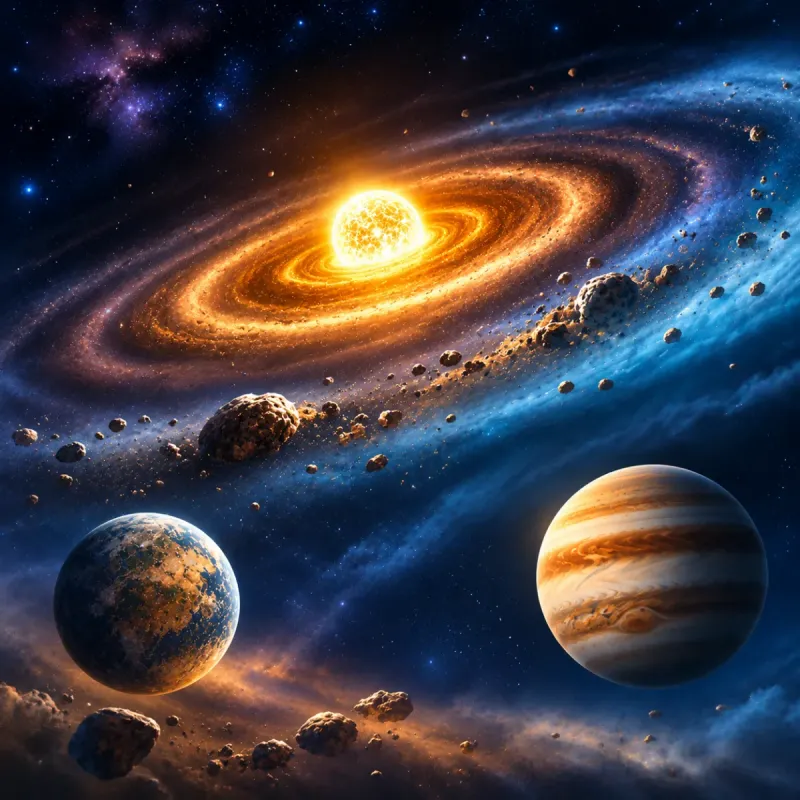
They Form From Discs of Gas and Dust
Design: Gas and dust accumulation
Most planets form from gas and dust left in a rotating disc around a young star. Material clumps together, while temperature and distance help shape whether worlds become rocky or gas-rich.
- Forms protoplanetary discs
- Contains dust particles
- Drives planetary formation
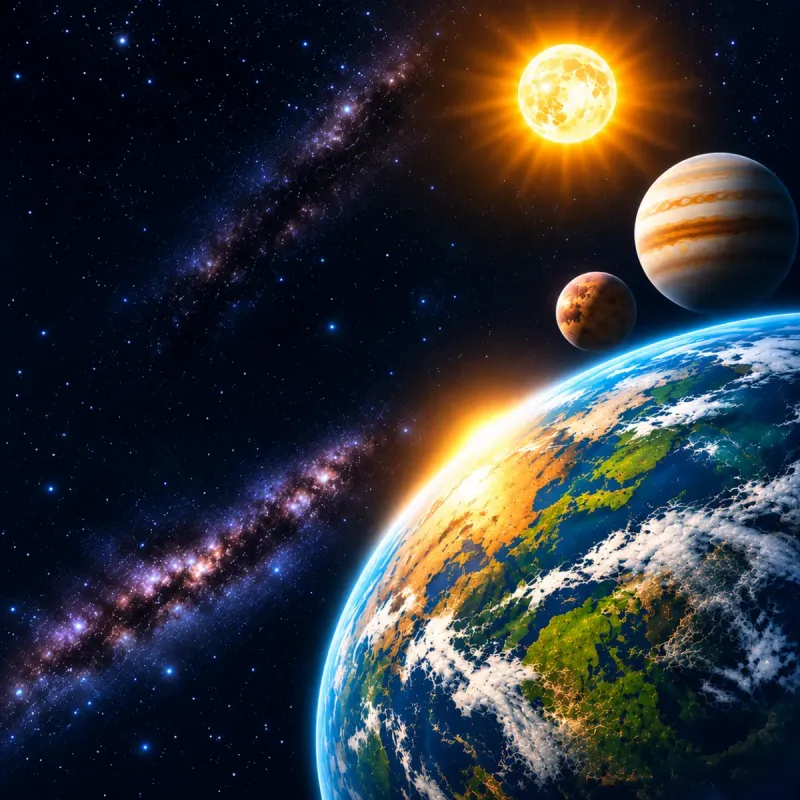
Exoplanets Exist Beyond Our Solar System
Design: Orbits another star
An exoplanet is a planet orbiting a star beyond our Sun. These distant worlds range from rocky bodies to gas giants, revealing that planetary systems can differ greatly from our own.
- Explores distant worlds
- Orbits different stars
- Reveals planetary diversity