
 21 November 2026
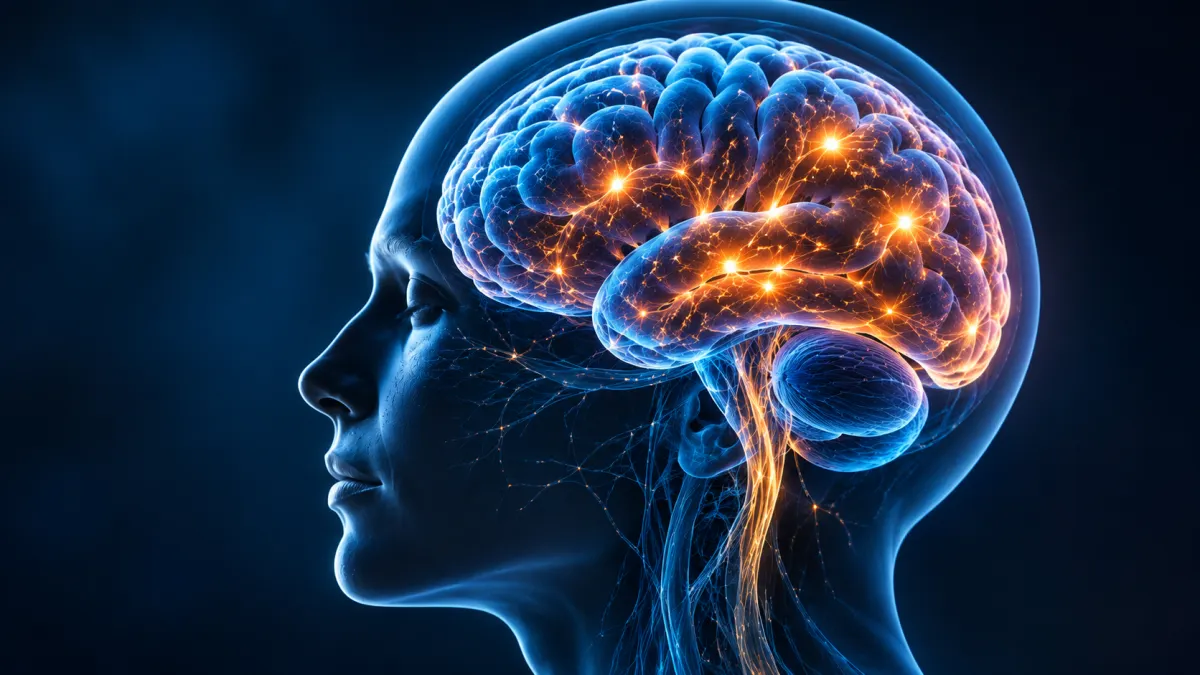
The human brain coordinates everything from breathing and movement to memory, emotions, and decision-making.
Its specialized regions and interconnected neural networks work together to interpret information, control the body, and shape our experience of the world.
15 Fascinating Features of the Human Brain
13 Fascinating Facts About the Human Brain
 Inside the List
15 Items
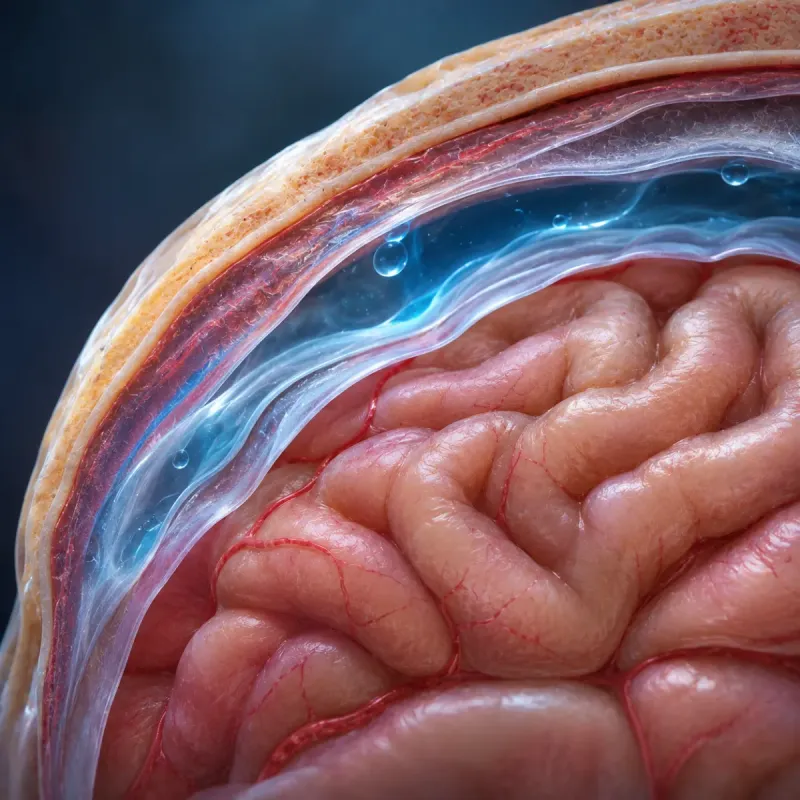
Protective Layers Cushion the Human Brain
Main Purpose: Protecting brain tissue
Three membranes called meninges surround the brain, while cerebrospinal fluid cushions it against physical impacts. This fluid also circulates around the brain and spinal cord, helping remove waste and deliver nutrients.
- Protective membranes
- Cerebrospinal fluid
- Waste removal
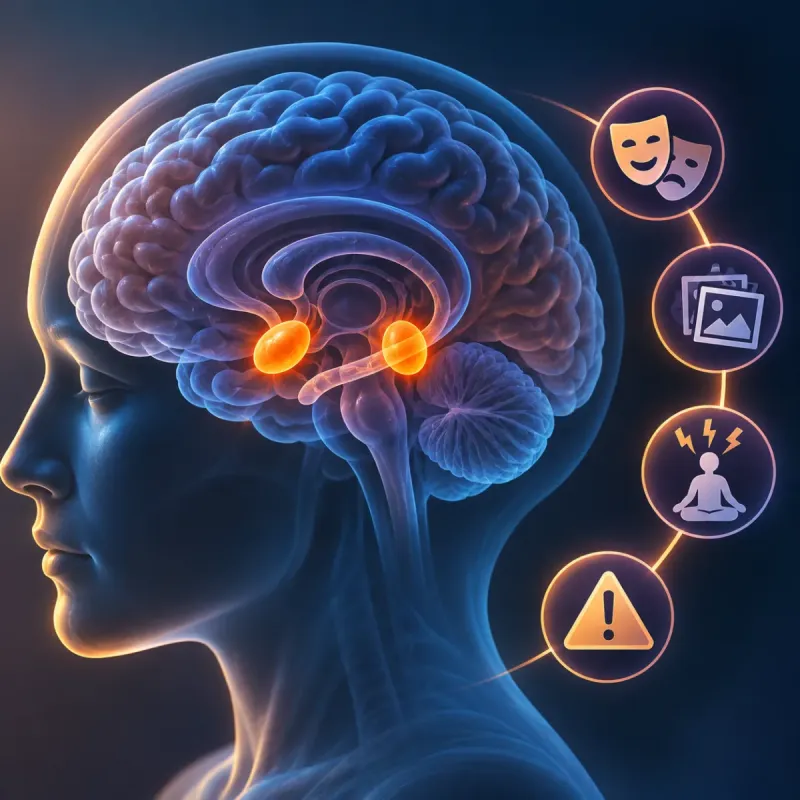
The Amygdala Processes Emotional Responses
Main Purpose: Processing emotions
The amygdala consists of small structures located deep within the brain. It contributes to emotional processing, memory, stress responses, and the body's reactions to perceived threats.
- Emotional responses
- Threat detection
- Stress reactions
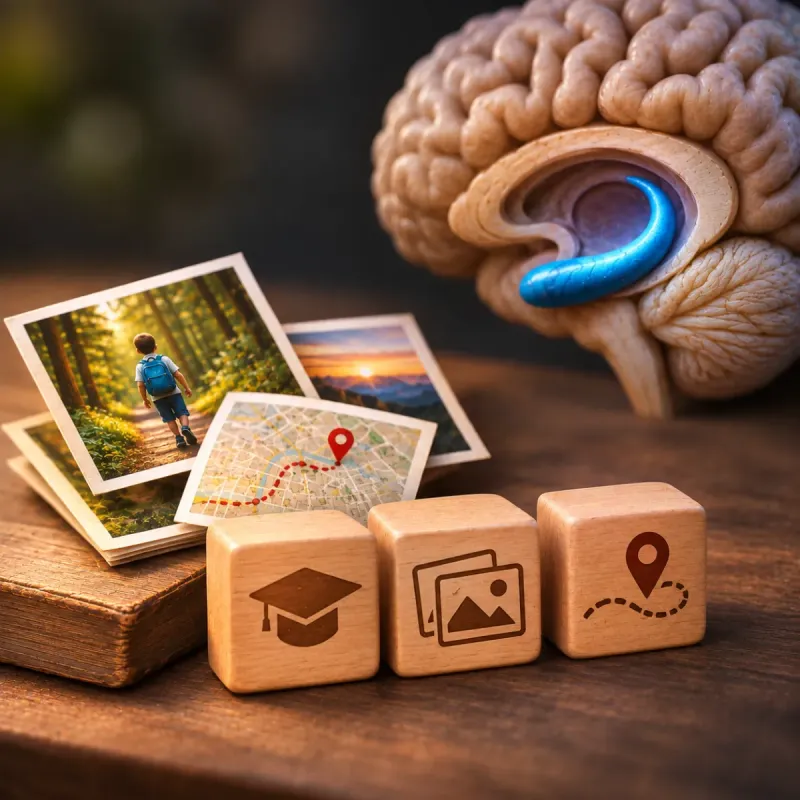
The Hippocampus Helps Form and Retrieve Memories
Main Purpose: Memory and learning
The hippocampus is a small, curved structure located within each temporal lobe. It plays an important role in learning, memory formation, information retrieval, and spatial navigation.
- Memory formation
- Information retrieval
- Spatial navigation
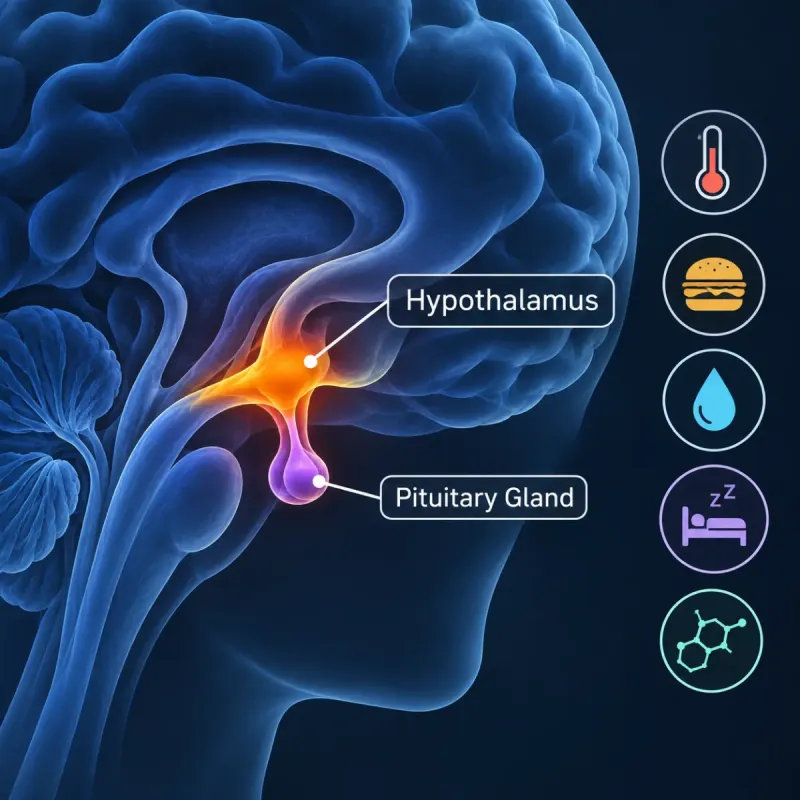
The Hypothalamus Helps Maintain Internal Balance
Main Purpose: Maintaining body balance
The hypothalamus regulates important body functions, including temperature, hunger, thirst, and sleep patterns. It also communicates with the pituitary gland, helping coordinate hormonal activity throughout the body.
- Temperature regulation
- Hunger control
- Sleep rhythms
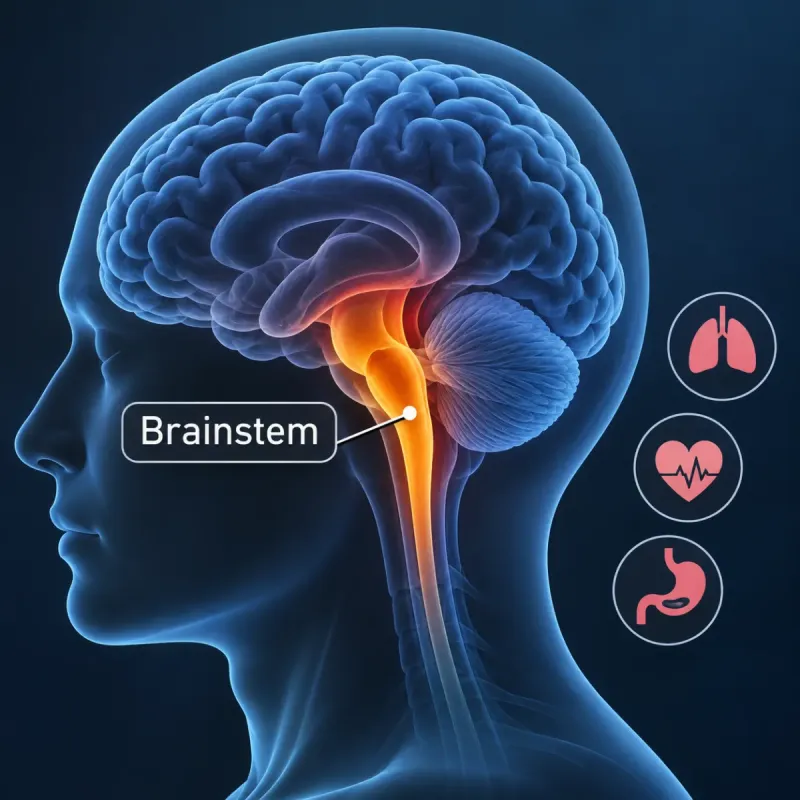
The Brainstem Regulates Essential Life Functions
Main Purpose: Regulating vital functions
The brainstem connects the brain to the spinal cord and contains the midbrain, pons, and medulla. It helps regulate vital functions, including breathing, heart rhythm, blood flow, and swallowing.
- Breathing control
- Heart regulation
- Reflex actions
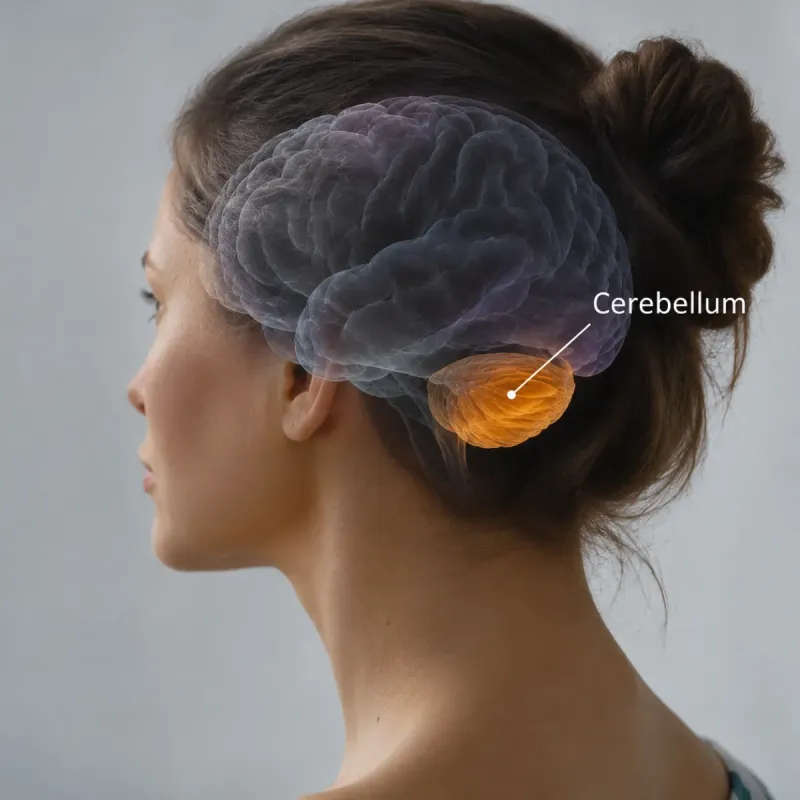
The Cerebellum Coordinates Balance and Movement
Main Purpose: Movement coordination
The cerebellum sits at the back of the brain, beneath the cerebrum. It fine-tunes voluntary movements, maintains posture and balance, and helps us learn physical skills through repeated practice.
- Balance control
- Motor coordination
- Skill learning
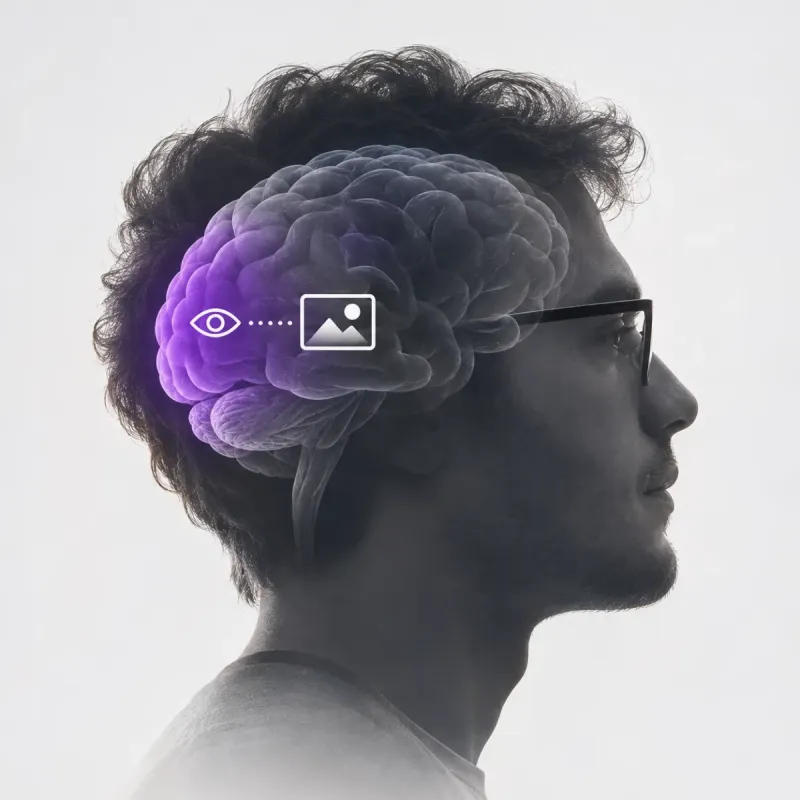
The Occipital Lobe Processes Visual Information
Main Purpose: Visual processing
Located at the back of the brain, the occipital lobe primarily processes visual information from the eyes. It helps interpret images and connect visual input with stored memories.
- Image interpretation
- Visual signals
- Pattern recognition
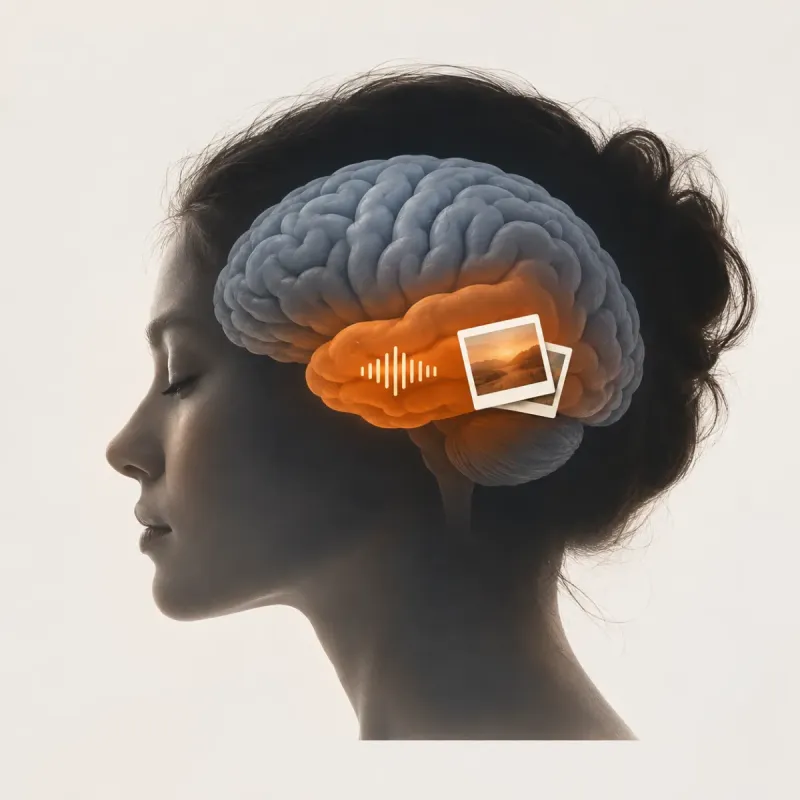
The Temporal Lobe Supports Hearing and Memory
Main Purpose: Auditory processing and memory
Located along the sides of the brain, the temporal lobes process auditory information and contribute to language understanding. They also play key roles in forming memories and linking sounds to experiences.
- Sound processing
- Language comprehension
- Memory formation
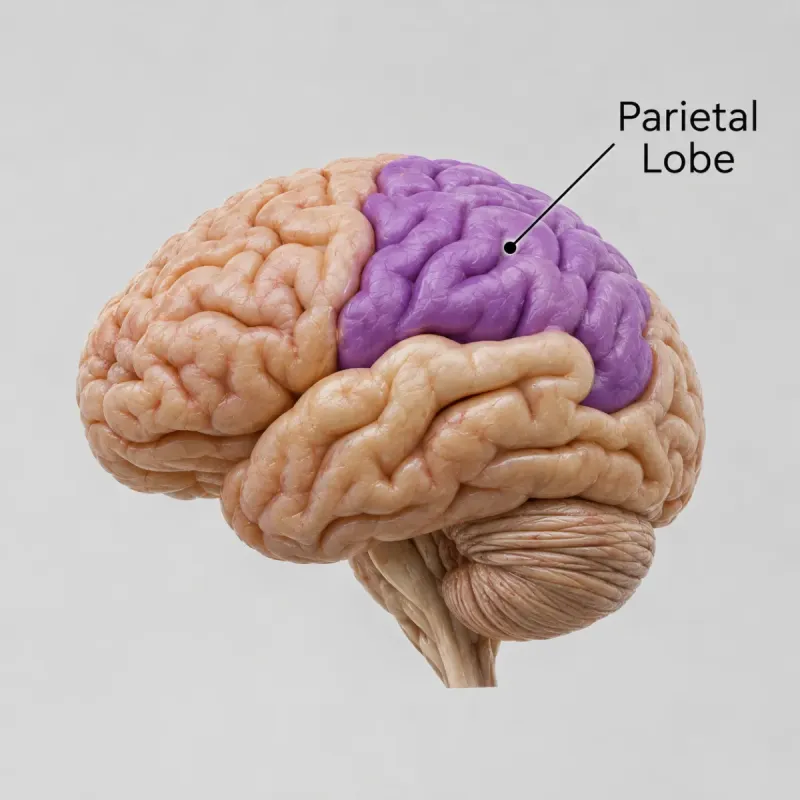
The Parietal Lobe Processes Touch and Spatial Information
Main Purpose: Sensory interpretation
The parietal lobe helps the brain interpret sensory information, including touch, temperature, and pain. It also supports spatial awareness, object recognition, reading, and understanding the body's position.
- Touch processing
- Spatial awareness
- Pain perception
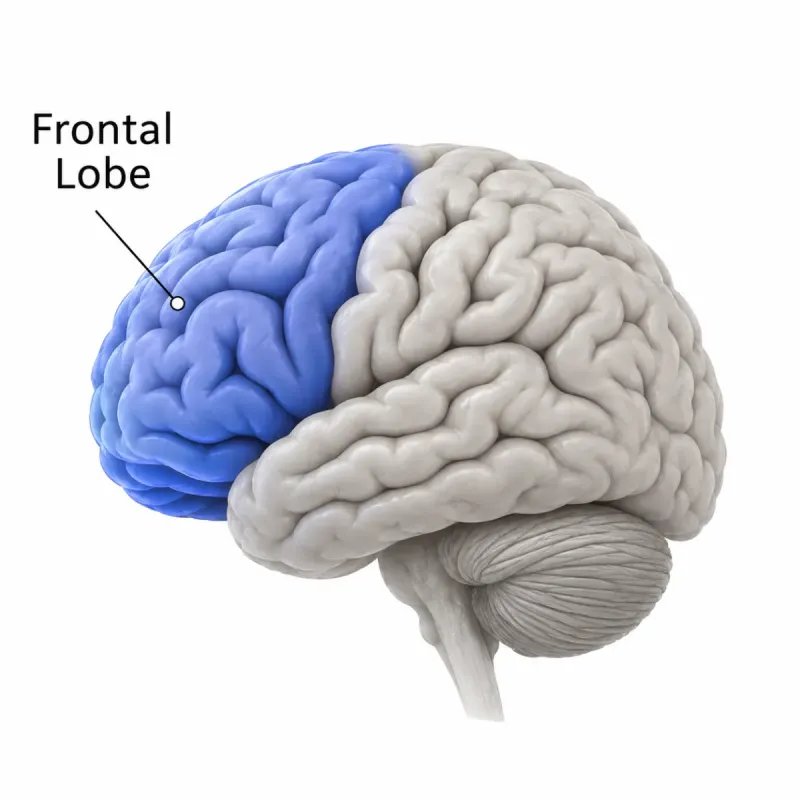
The Frontal Lobe Supports Planning and Decisions
Main Purpose: Planning and decision-making
Located behind the forehead, the frontal lobe helps with planning, reasoning, decision-making, and voluntary movement. It also contains brain regions involved in producing spoken language and controlling behavior.
- Logical reasoning
- Motor control
- Speech production
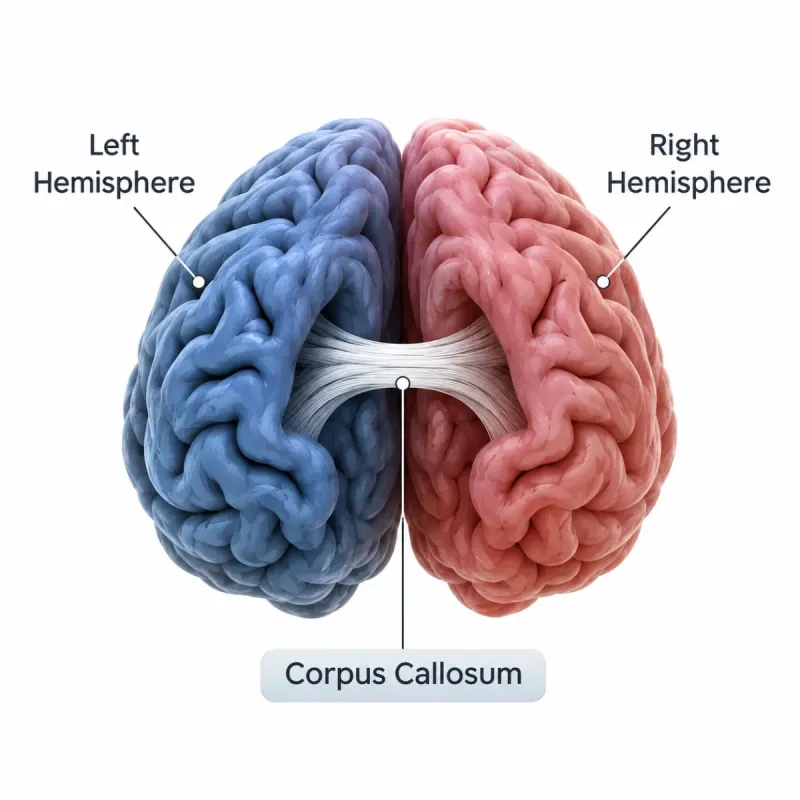
The Two Hemispheres Share Information
Main Purpose: Coordinating brain activity
The cerebrum consists of left and right hemispheres connected by a thick bundle of nerve fibers called the corpus callosum. Each hemisphere mainly controls the opposite side of the body.
- Two hemispheres
- Corpus callosum
- Cross-body control
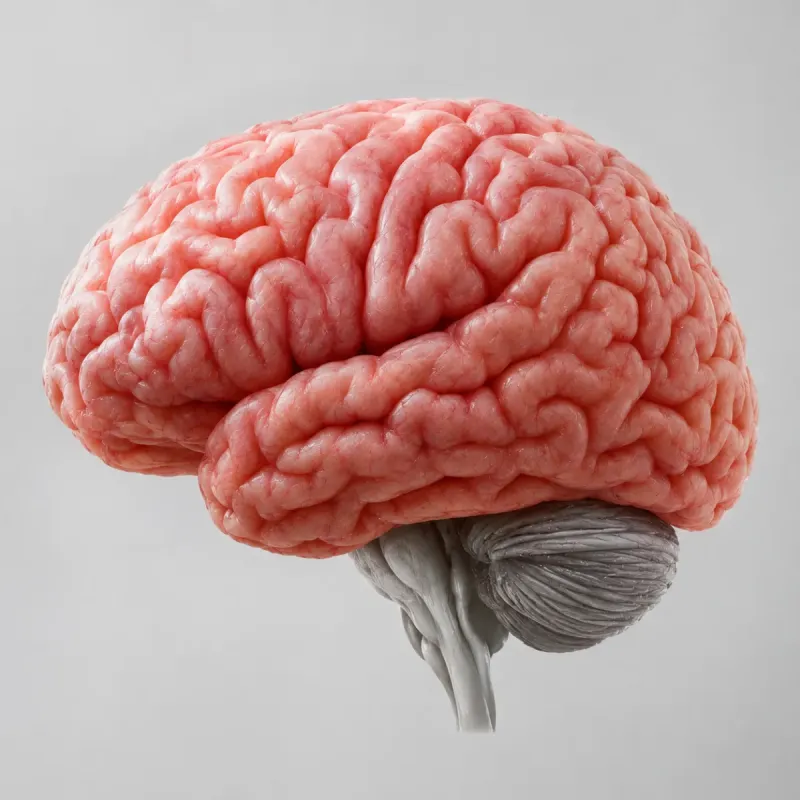
The Cerebrum Handles Complex Mental Activities
Main Purpose: Cognitive and motor functions
The cerebrum is the largest part of the human brain and supports conscious thought, learning, speech, reasoning, and voluntary movement. Its outer cerebral cortex plays a major role in processing information.
- Conscious thought
- Learning
- Voluntary movement

Synapses Allow Neurons to Communicate
Main Purpose: Supporting neuron communication
Synapses are connection points where neurons pass signals to other cells. Chemical messengers called neurotransmitters cross these tiny gaps and influence whether the receiving cell becomes more or less active.
- Chemical messengers
- Signal exchange
- Neural connections
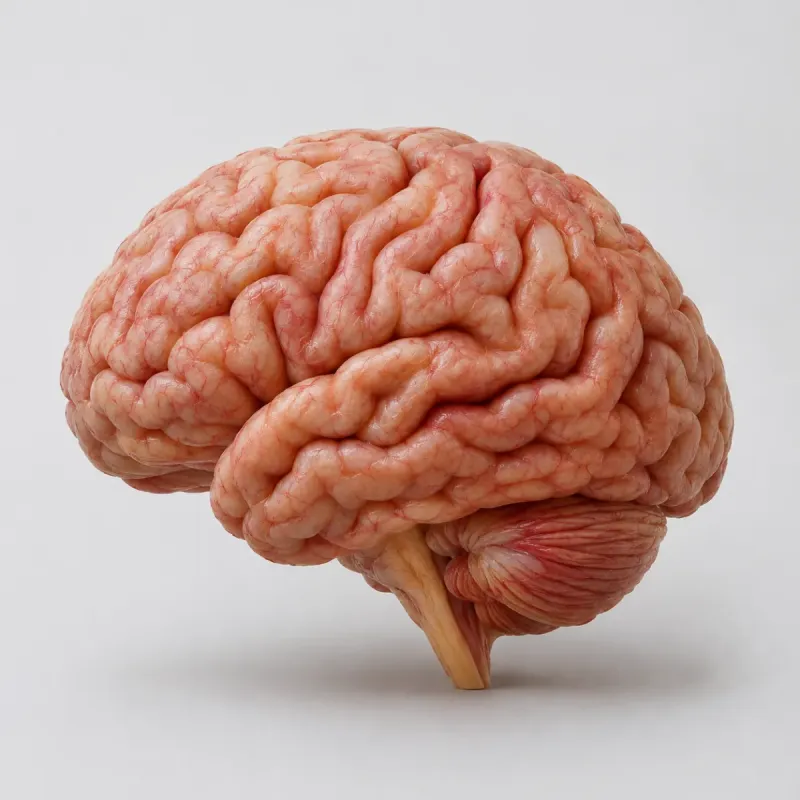
The Human Brain Controls the Body
Main Purpose: Coordinating body functions
The human brain is the nervous system's control center. It receives information, coordinates responses, and regulates essential processes such as movement, breathing, temperature, hunger, and emotions.
- Body regulation
- Sensory processing
- Decision-making
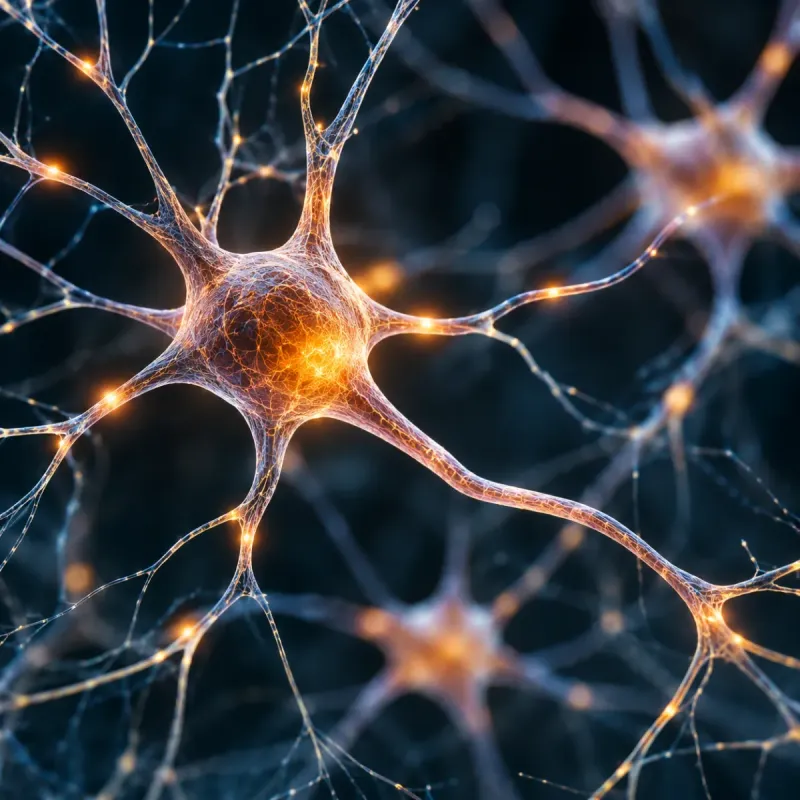
Neurons Carry Information Throughout the Brain
Main Purpose: Transmitting information
Neurons are specialized nerve cells that transmit information through electrical and chemical signals. Their interconnected networks support sensation, movement, thought, memory, and many other brain activities.
- Electrical signals
- Neural networks
- Signal transmission