
 21 November 2026
Not all tapes are designed for the same job. Some are made for electrical insulation, others for sealing, bonding, repairs, or improving grip. Here are 13 common types of tape and their practical uses.
13 Types of Tape You’ve Probably Used, But Do You Know What Each One Does
11 Things That Make 3D Printed Meat Different
 Inside the List
13 Items
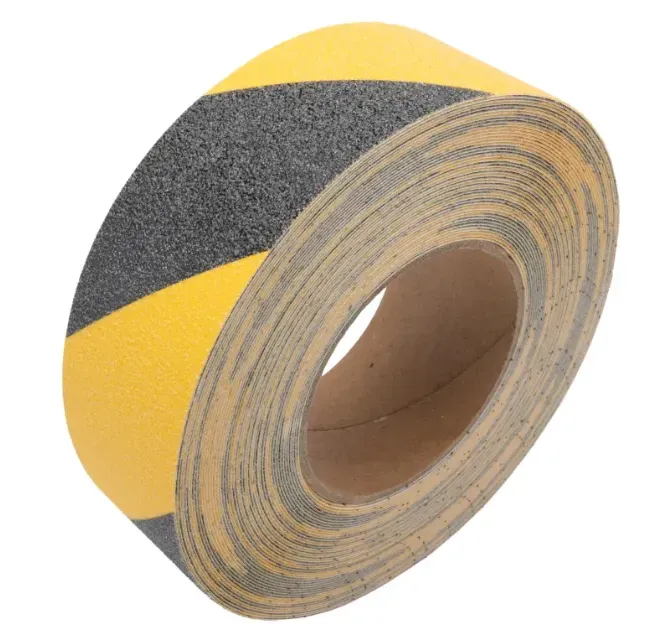
Anti-Slip Tape
For creating slip-resistant surfaces
Anti-slip tape has a textured, abrasive surface that improves traction on stairs, ramps, walkways, and other areas where slipping is a concern.
- Textured surface
- Improved grip
- Stairs and walkways
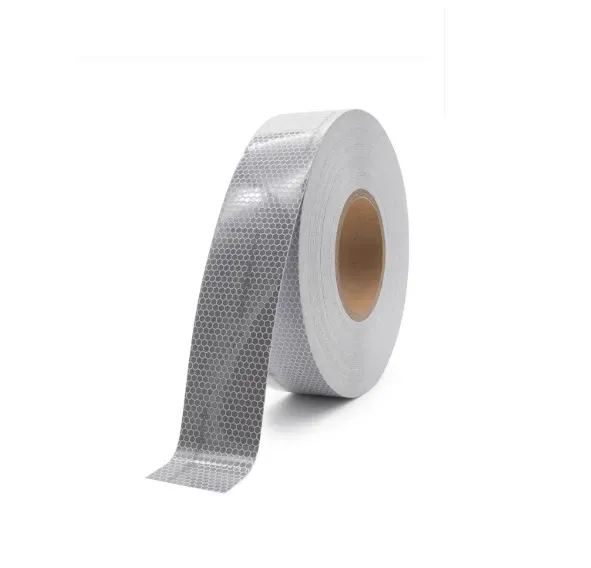
Reflective Tape
For improving visibility in low light
Reflective tape uses light-returning materials that make objects easier to see when illuminated by headlights or other light sources. It is used on vehicles, equipment, and safety gear.
- Light-reflective surface
- Low-light visibility
- Safety marking
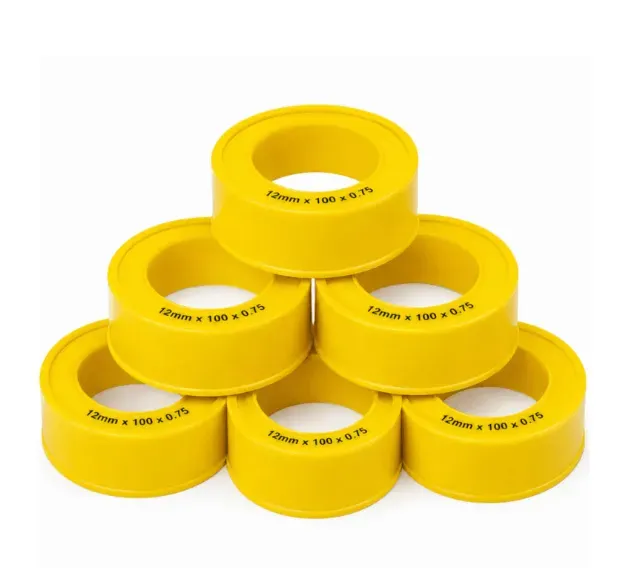
PTFE Tape
For threaded pipe connections
PTFE tape, also known as plumber's tape or thread seal tape, wraps around pipe threads to help create a tighter seal and prevent leaks in compatible plumbing connections.
- PTFE material
- Thread sealing
- Plumbing connections
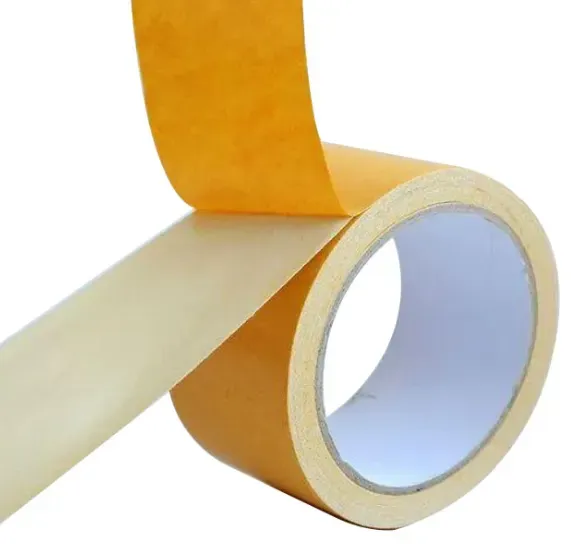
Cloth Tape
For flexible repairs and bundling
Cloth tape uses a fabric-based backing that provides flexibility and durability. It is commonly used for bundling cables, repairs, stage applications, and equipment protection.
- Fabric backing
- Flexible construction
- Bundling and repairs
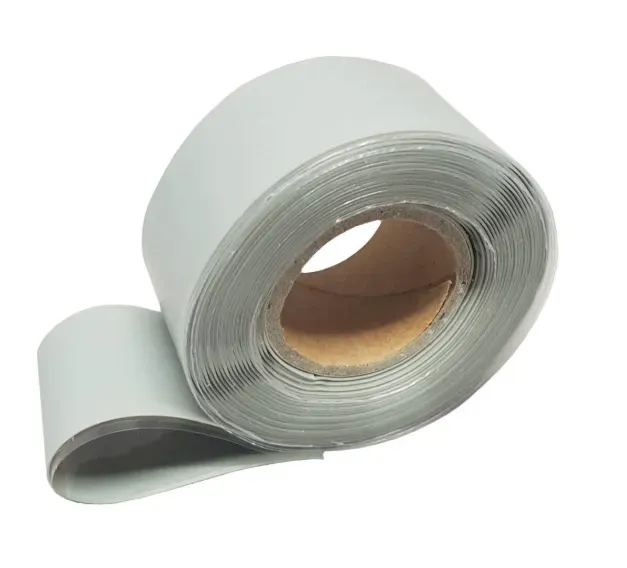
Self-Fusing Silicone Tape
For creating a flexible waterproof seal
Self-fusing silicone tape bonds to itself when stretched and wrapped around an object. It forms a flexible sealing layer commonly used for emergency hose, cable, and pipe repairs.
- Self-bonding material
- Water-resistant seal
- Flexible repairs
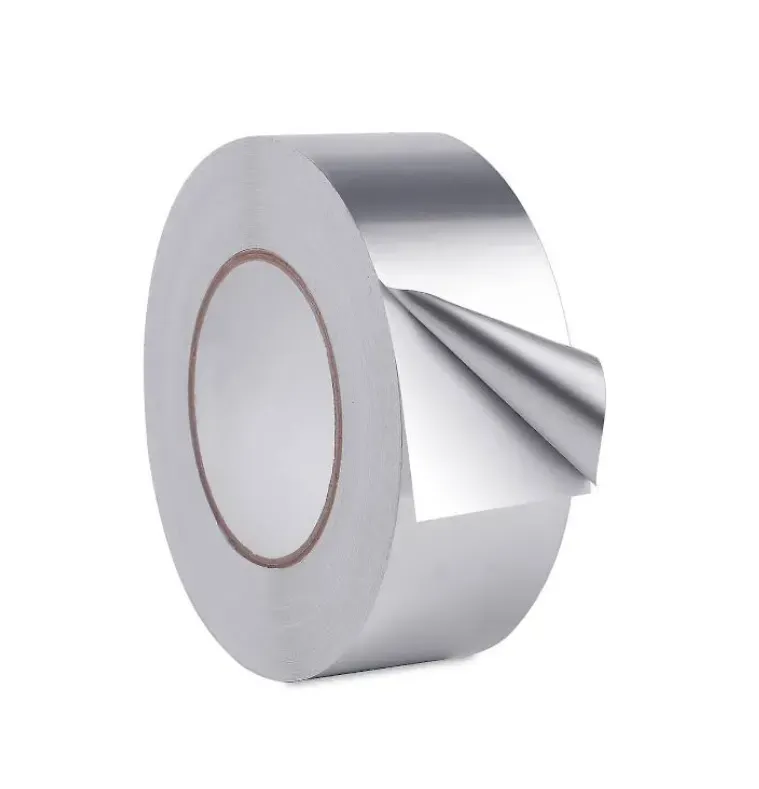
Aluminum Tape
For HVAC ducts and insulation
Aluminum tape features a metallic foil backing that is commonly used to seal HVAC ductwork, join insulation materials, and cover seams in heating and cooling systems.
- Metal foil backing
- HVAC applications
- Insulation seams
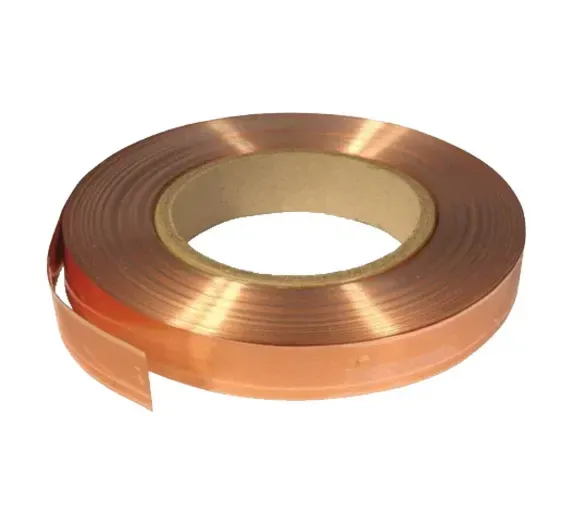
Copper Tape
For electrical and shielding applications
Copper tape is made with a thin conductive copper layer and is used in electronics, grounding applications, electromagnetic shielding, and certain craft projects.
- Conductive metal
- Electronics
- EMI shielding

Foam Tape
For cushioning and filling gaps
Foam tape features a compressible foam layer that helps seal gaps, reduce vibration, and cushion surfaces in construction and household applications.
- Foam backing
- Gap filling
- Vibration cushioning
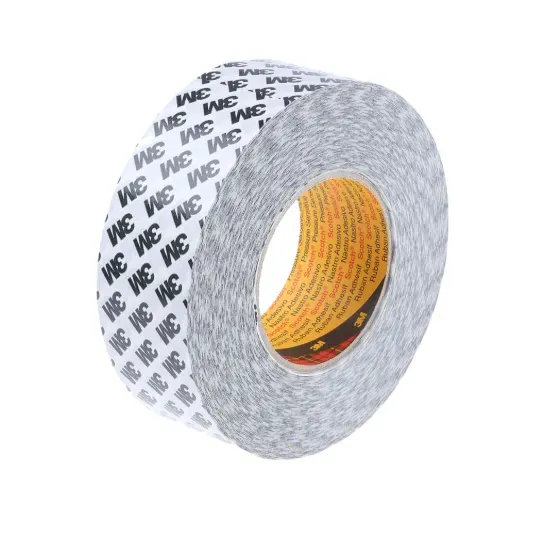
Double-Sided Tape
For bonding two surfaces together
Double-sided tape has adhesive on both sides, allowing materials to be attached without visible tape on the outside. It is commonly used in crafts, mounting, and assembly.
- Adhesive on both sides
- Hidden bonding
- Mounting and crafts
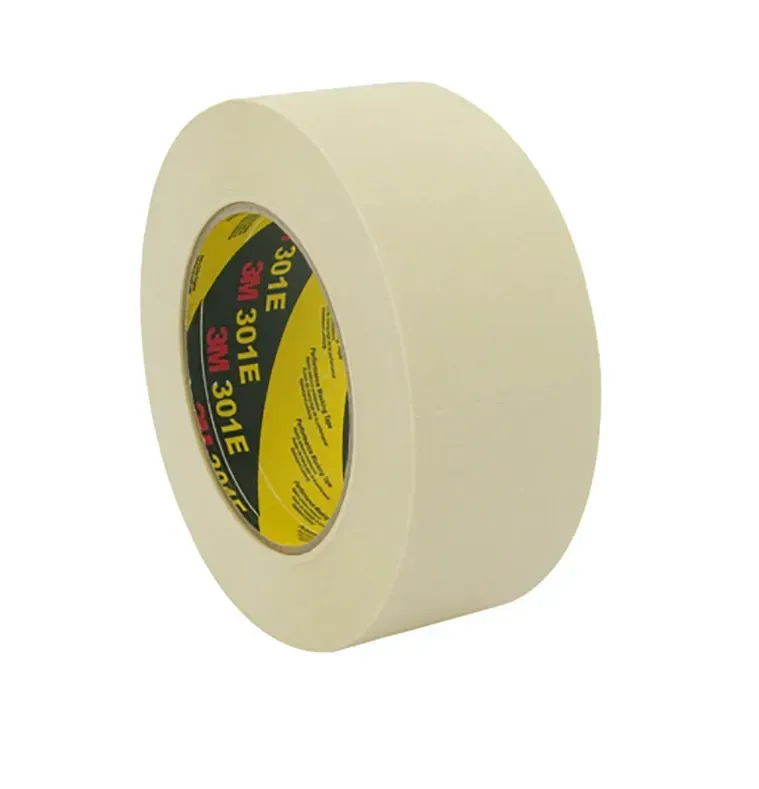
Masking Tape
For clean paint edges
Masking tape is used to cover surfaces before painting. It can usually be removed cleanly, helping create sharp paint lines and protect surrounding areas.
- Easy removal
- Paint protection
- Clean edges
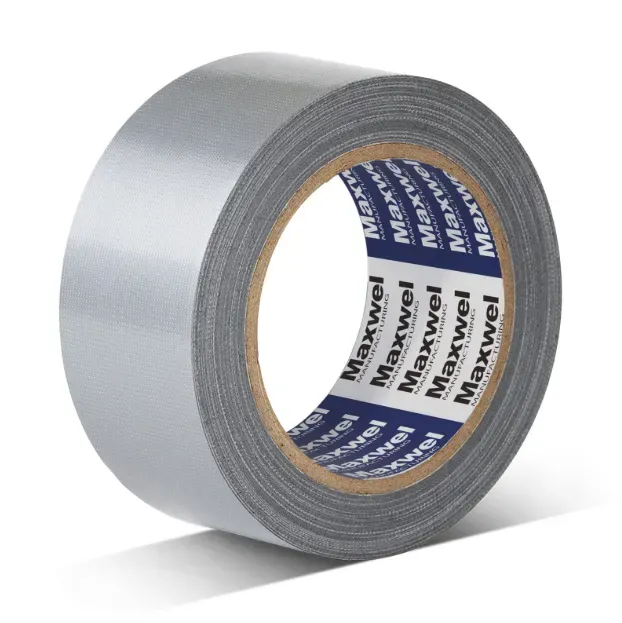
Duct Tape
For quick repairs and strong bonding
Duct tape combines a strong adhesive with a durable backing, making it useful for temporary repairs, bundling, sealing, and general maintenance.
- Strong adhesion
- Durable backing
- General repairs
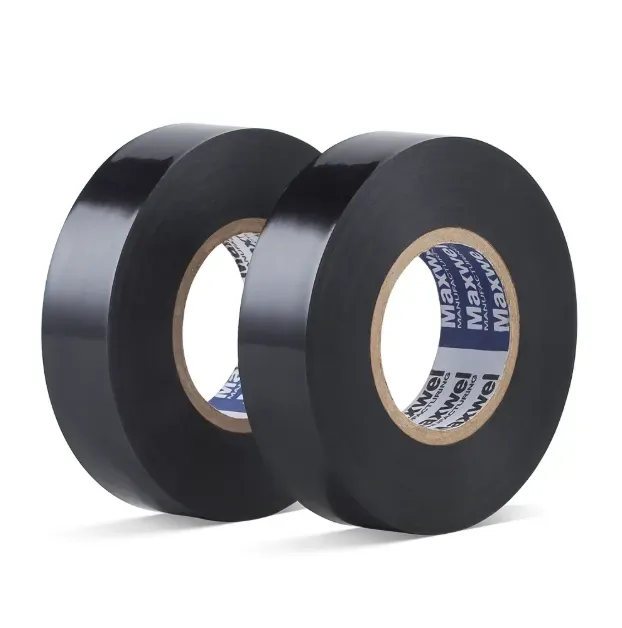
Electrical Tape
For insulating electrical wires
Electrical tape is a flexible insulating tape commonly used to cover wire connections, protect cables, and organize electrical wiring.
- Electrical insulation
- Flexible material
- Cable protection
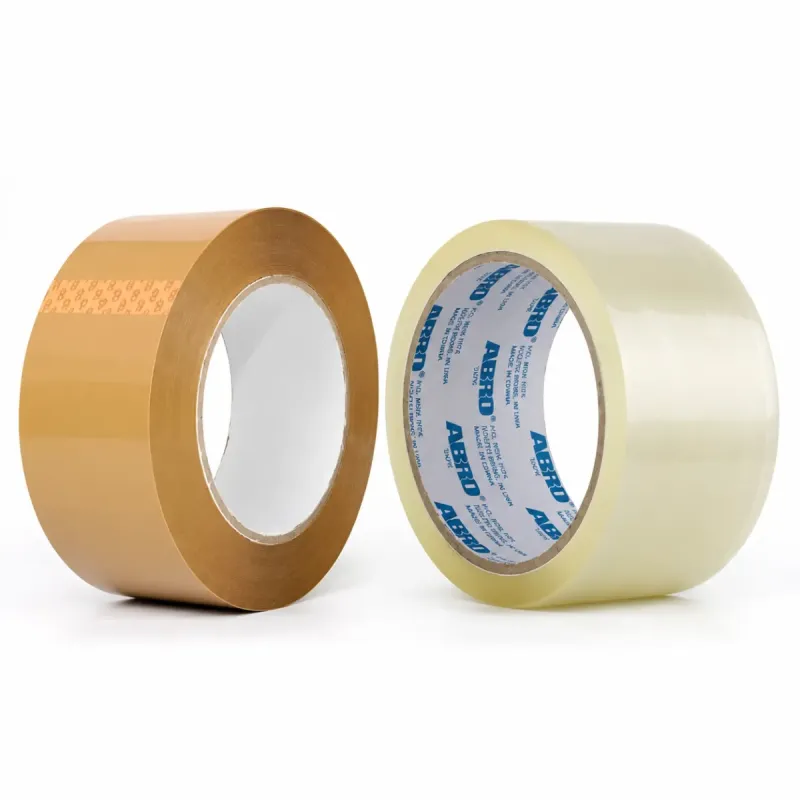
Packing Tape
For sealing boxes and parcels
Packing tape is designed to seal cardboard boxes and shipping packages. Its strong adhesive helps keep cartons securely closed during storage and transportation.
- Strong adhesive
- Box sealing
- Shipping and storage