
 22 November 2026
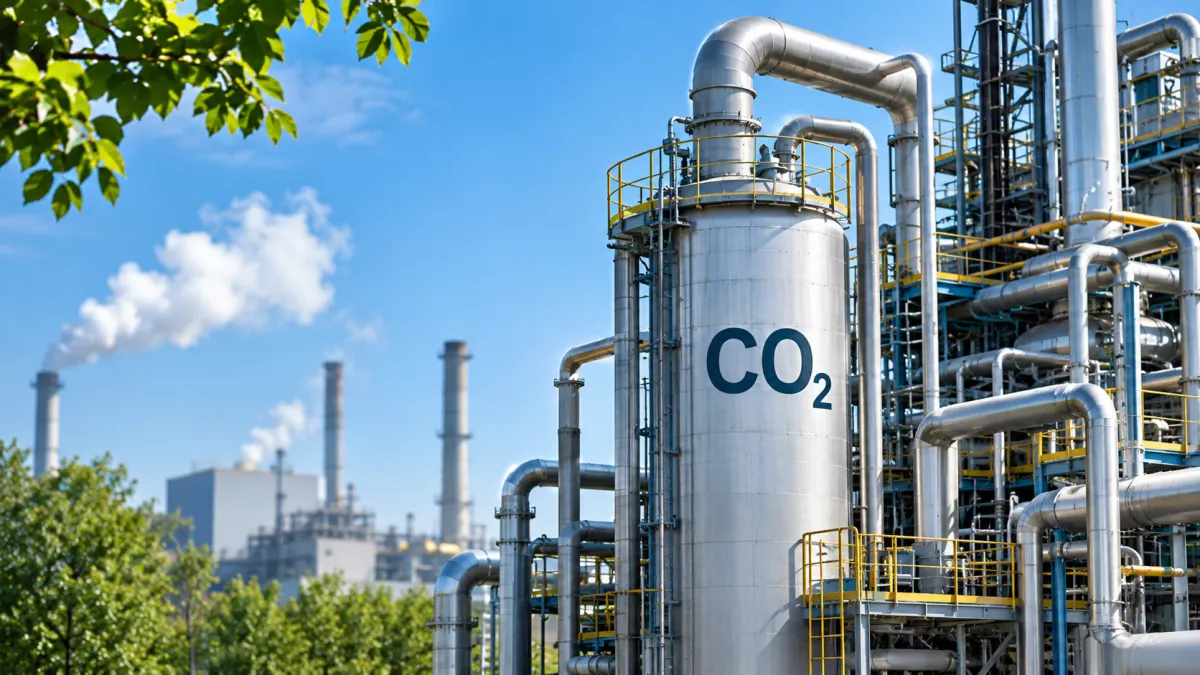
Carbon capture technology includes a range of methods designed to separate carbon dioxide (CO₂) from industrial emissions or remove it directly from the atmosphere.
From chemical absorption and membrane systems to underground storage and direct air capture, these technologies offer different approaches to managing carbon emissions.
13 Key Things to Know About Carbon Capture Technology
Quantum Computing Explained Through 11 Ideas Shaping the Future of Technology
 Inside the List
13 Items

Face Economic and Environmental Challenges
Design: Energy-intensive infrastructure
Carbon capture facilities require additional equipment, energy, infrastructure, and investment. Capture processes can increase operating costs, while solvent impacts, transport risks, and the long-term security of storage sites require careful management.
- Operating costs
- Energy requirements
- Storage security
- Environmental safeguards
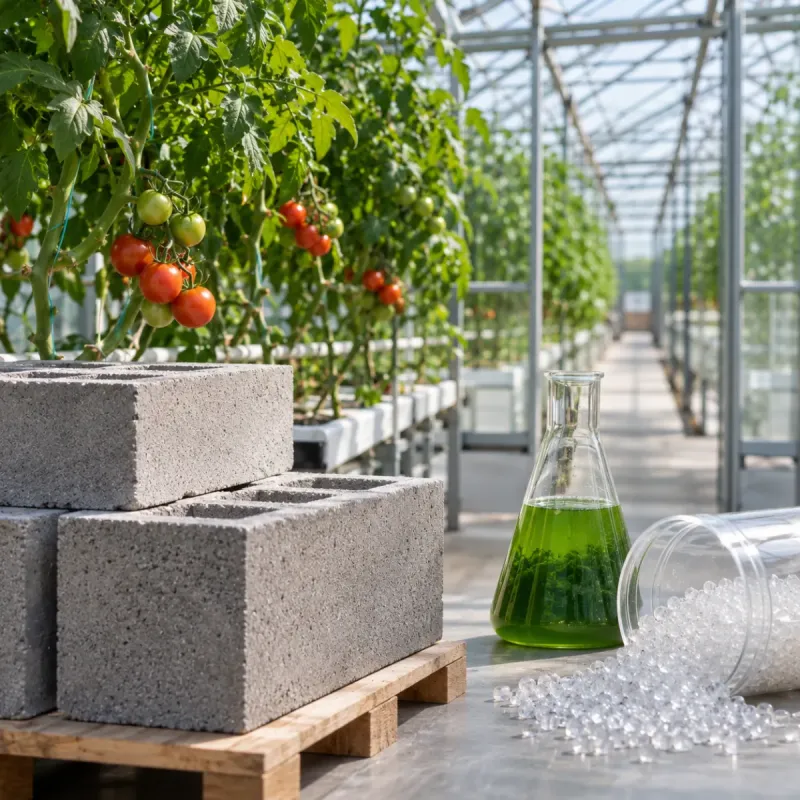
Turn Captured CO₂ into Useful Products
Design: Industrial reuse
Captured carbon dioxide can serve as a raw material for certain industrial products and processes. Potential applications include building materials, synthetic fuels, plastics, greenhouse cultivation, and products made using algae or bacteria.
- Building materials
- Synthetic fuels
- Chemical products
- Algae cultivation
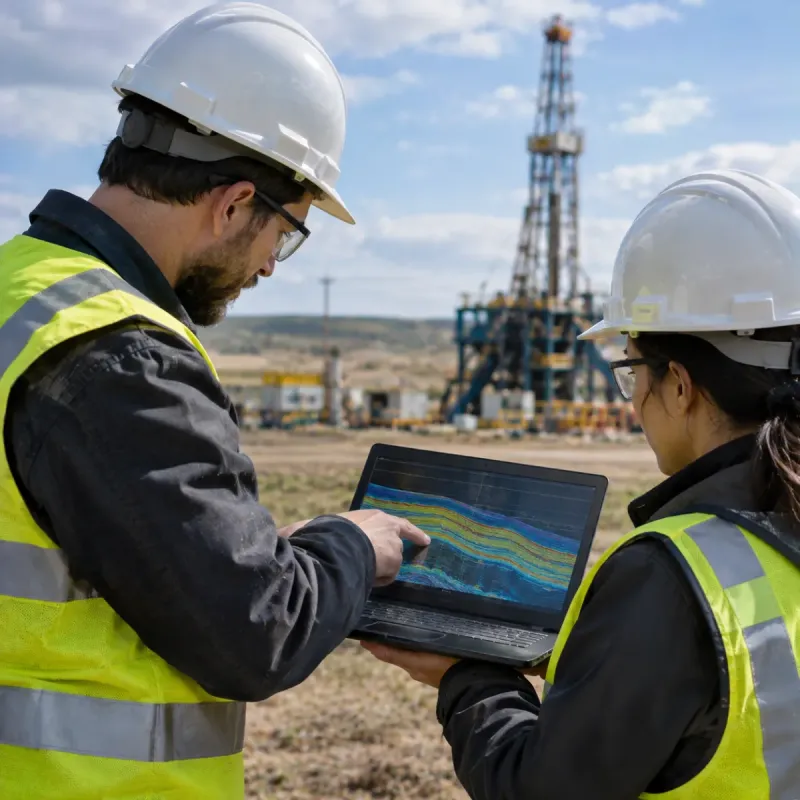
Monitor Underground Storage Sites
Design: Geological monitoring
Safe geological storage requires careful site selection and ongoing monitoring. Engineers and geologists assess underground rock formations, sealing layers, injection wells, and potential leakage pathways to help keep stored CO₂ contained.
- Site assessment
- Well monitoring
- Leakage detection
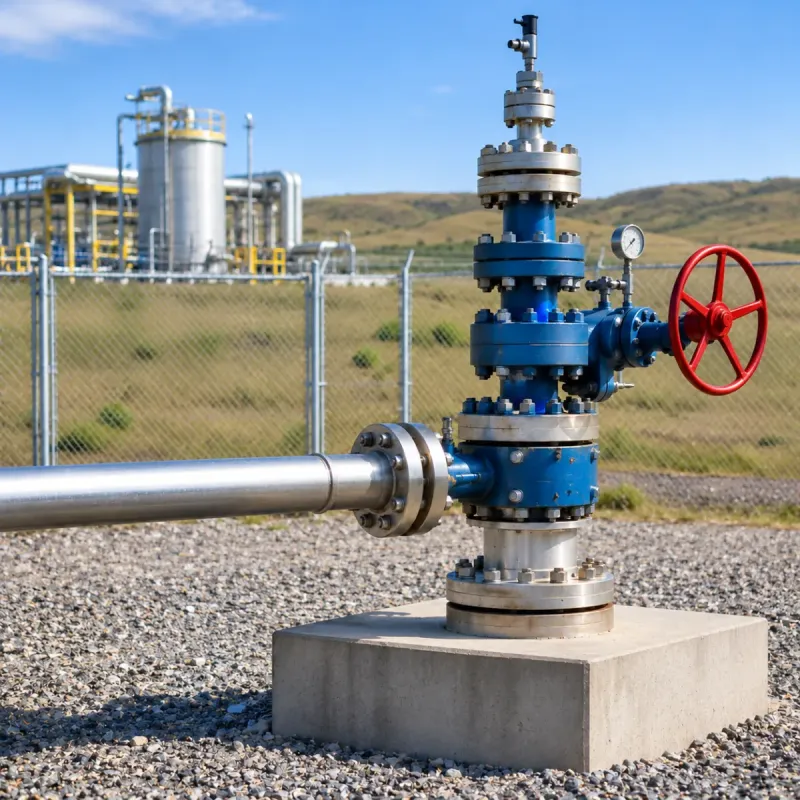
Store CO₂ in Deep Geological Formations
Design: Underground injection
Carbon capture and storage projects can inject compressed CO₂ into suitable underground geological formations. Potential storage locations include depleted oil and gas reservoirs and deep saline formations with appropriate geological characteristics.
- Deep formations
- Saline reservoirs
- Depleted fields

Transport CO₂ Through Pipelines and Ships
Design: Pipeline and shipping networks
Captured CO₂ must reach a storage location or facility for use. Pipelines are a major transport option, while ships can provide another route when carbon dioxide must travel long distances.
- Pipeline networks
- CO₂ shipping
- Storage access
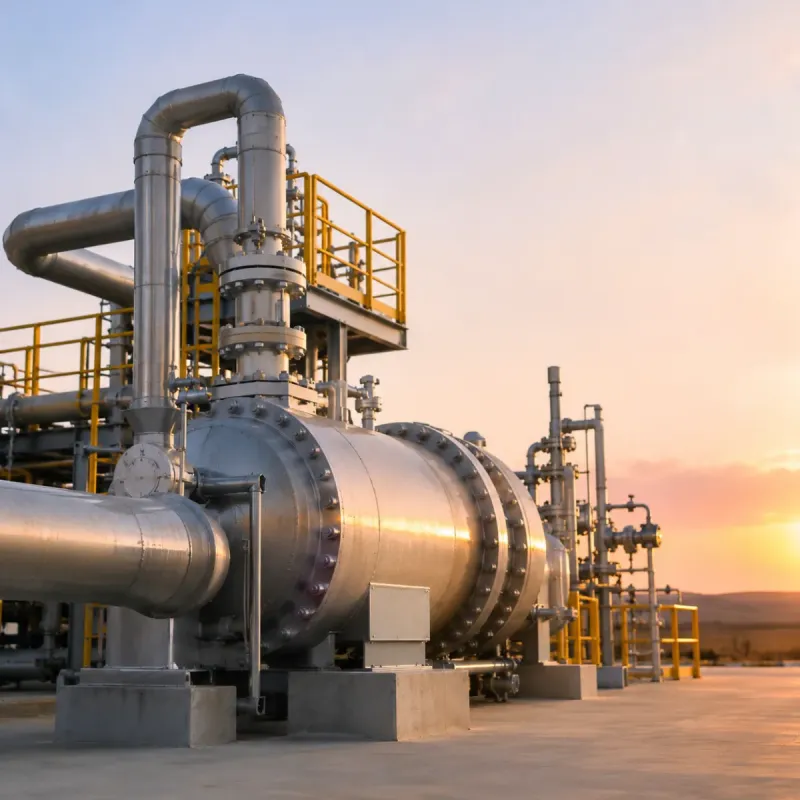
Compress Captured CO₂ for Handling
Design: High-pressure compression
After separation, captured carbon dioxide is compressed into a dense fluid suitable for transport and injection. This preparation makes it easier to move large quantities of CO₂ through dedicated infrastructure.
- Gas compression
- Dense-phase fluid
- Injection readiness

Bioenergy with Carbon Capture and Storage
Design: Biomass and CCS
Bioenergy with carbon capture and storage (BECCS) combines biomass energy production with CO₂ capture. Plants absorb carbon dioxide as they grow, and emissions released when the biomass is processed or burned can be captured and stored.
- Biomass energy
- CO₂ capture
- Permanent storage
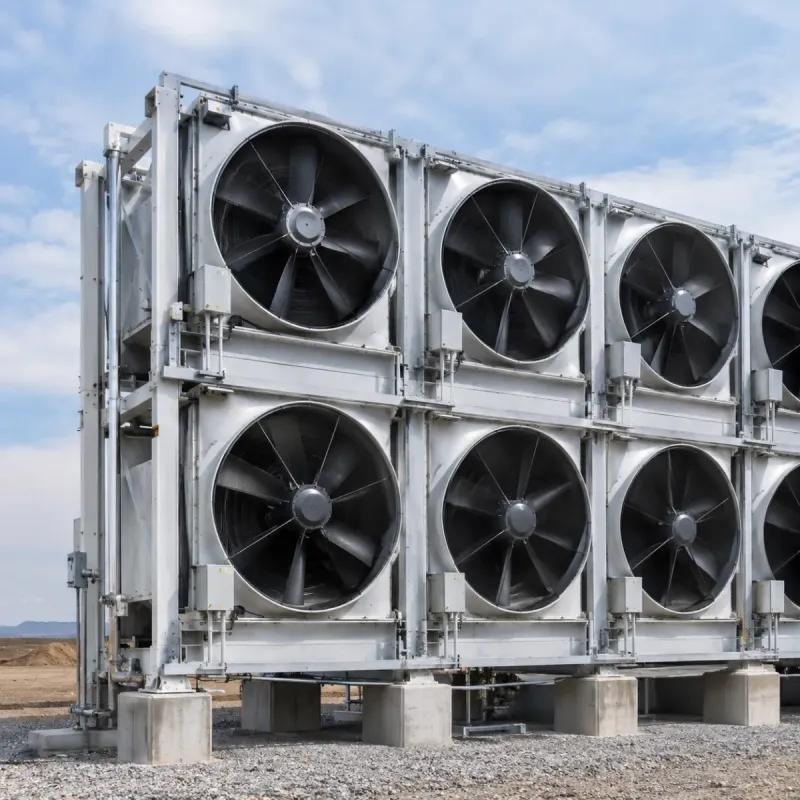
Direct Air Capture
Design: Air filtration system
Direct air capture (DAC) removes carbon dioxide directly from the surrounding atmosphere rather than from an industrial exhaust stream. Large fans move air through systems containing chemicals that selectively capture CO₂.
- Large fans
- Chemical capture
- Atmospheric removal
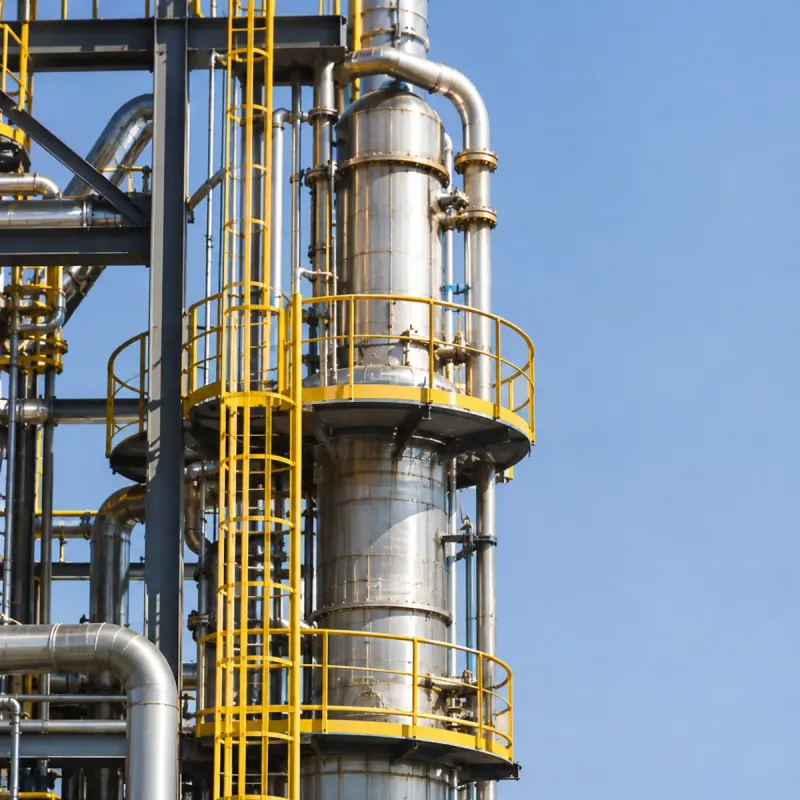
Chemical Absorption with Solvents
Design: Liquid solvent system
Chemical absorption uses liquid solvents, often containing amines, to bind carbon dioxide as exhaust gas passes through them. Heat then releases concentrated CO₂ and regenerates the solvent for reuse.
- Amine solvents
- Absorber columns
- Solvent regeneration
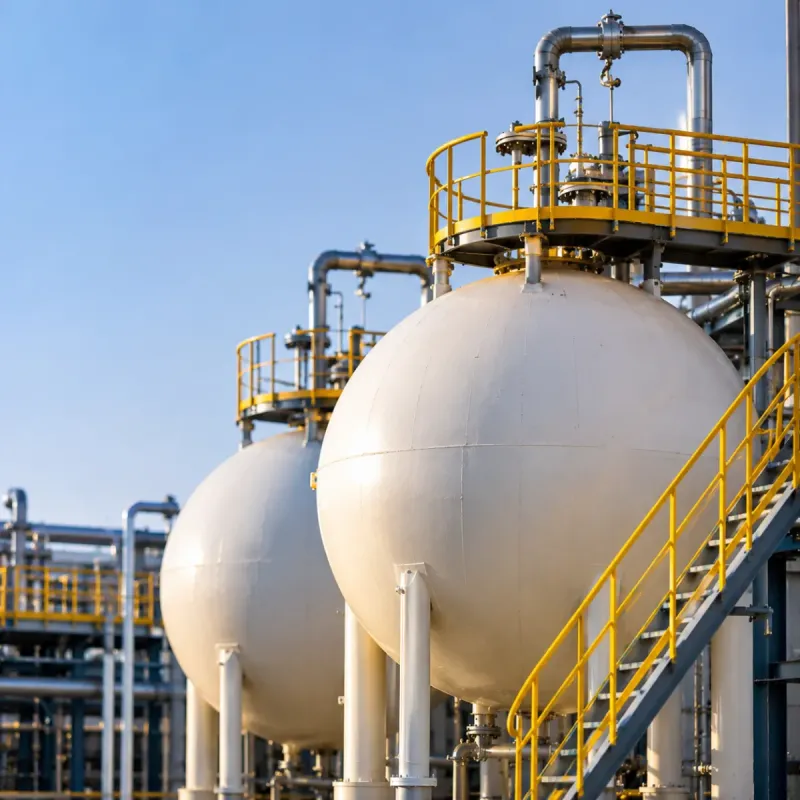
Inherent Process Capture
Design: Integrated separation
Some industrial processes naturally produce concentrated CO₂ streams as part of their operation. Integrating separation into the process itself can reduce the need for an additional capture stage, as seen in certain gas-processing and fermentation operations.
- Process integration
- High-purity streams
- Fewer separation steps
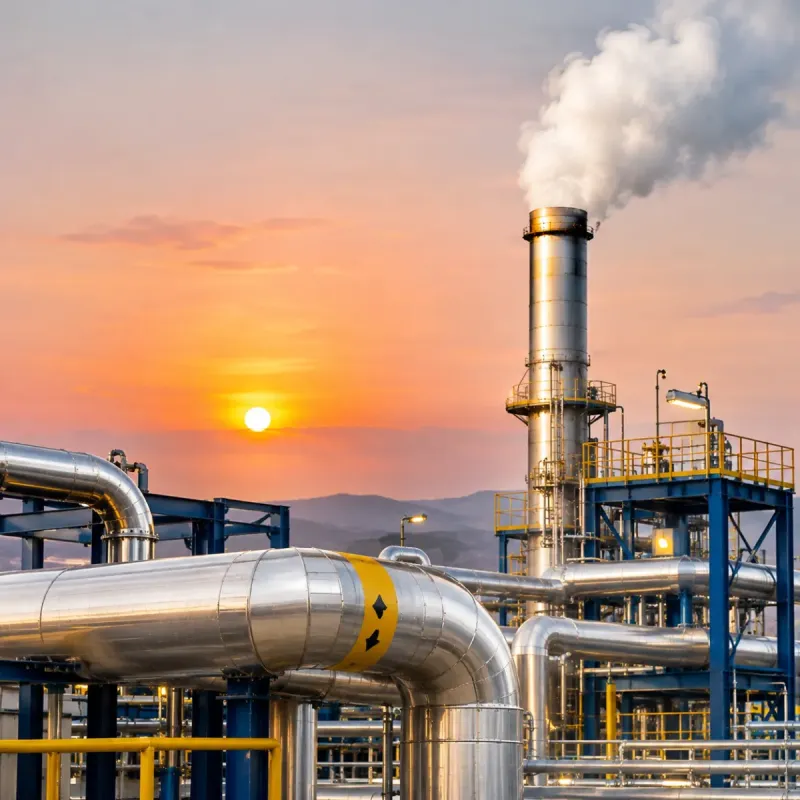
Oxy-Fuel Combustion
Design: Oxygen-based burning
Oxy-fuel systems burn fuel in oxygen rather than ordinary air. This produces exhaust that contains mainly water vapor and a concentrated CO₂ stream, which can be separated more easily after removing the water.
- Oxygen combustion
- Water condensation
- CO₂-rich exhaust

Pre-Combustion Carbon Capture
Design: Syngas separation
Pre-combustion capture separates carbon dioxide before burning fuel for power or heat. The fuel is converted into synthesis gas, allowing CO₂ to be removed while hydrogen remains available as an energy source.
- Fuel conversion
- Hydrogen production
- CO₂ separation
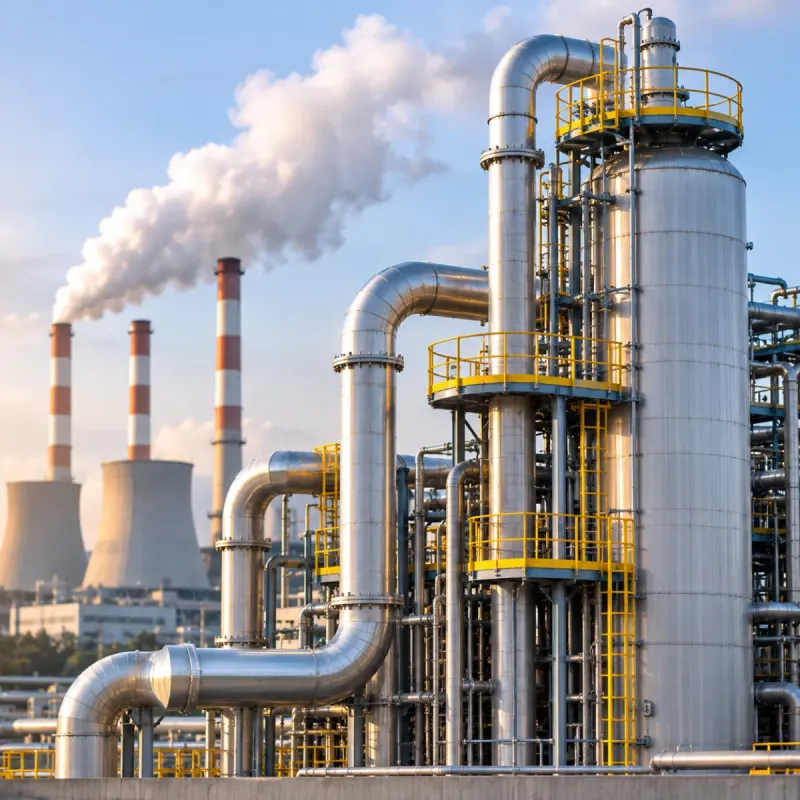
Post-Combustion Carbon Capture
Design: Exhaust gas treatment
Post-combustion capture removes CO₂ from exhaust gases after burning fossil fuels. It can be added to existing power plants and industrial facilities, making it a potential retrofit option.
- Flue gas
- Retrofit applications
- CO₂ separation