
 22 November 2026
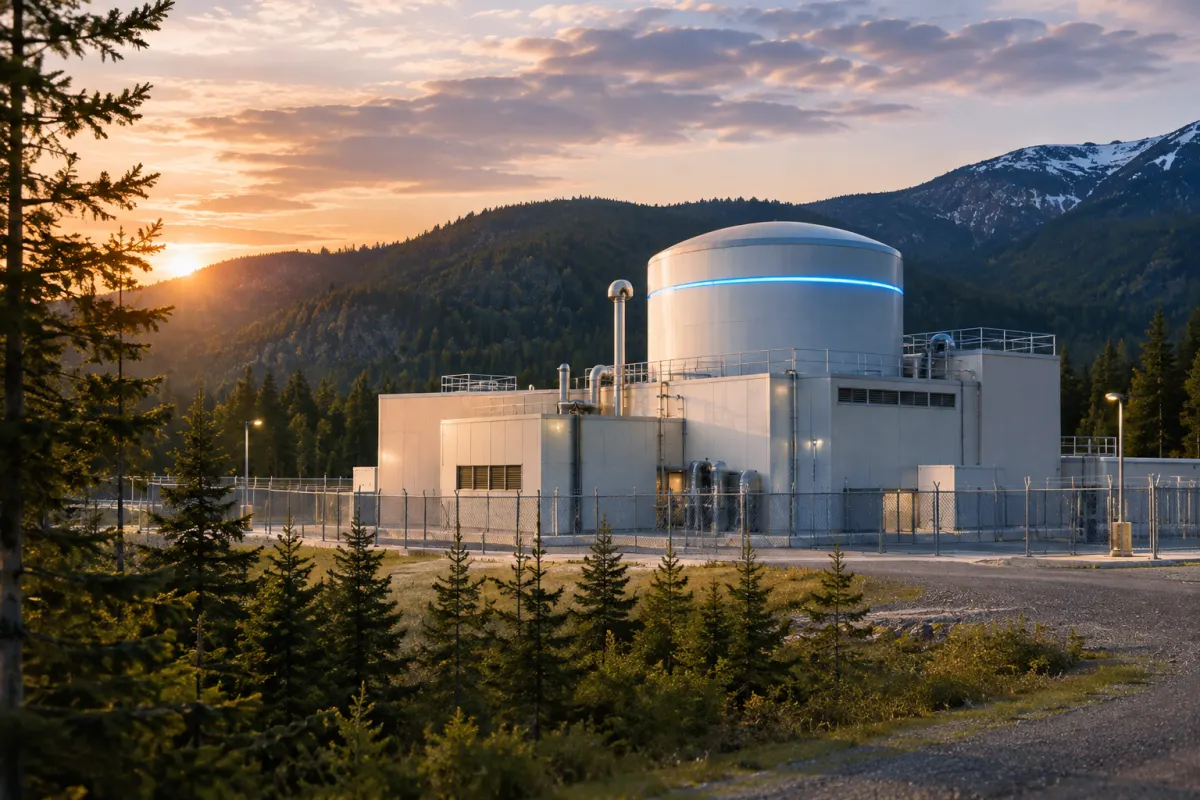
Small modular reactors (SMRs) are compact nuclear power systems designed to generate electricity and heat using factory-built components and modular construction.
Their smaller size and flexible deployment options could make nuclear energy more accessible to remote communities, industrial facilities, and smaller electricity grids.
14 Key Things to Know About Small Modular Reactors
How North Korea Funds Its Military and Nuclear Program Despite Global Sanctions
 Inside the List
14 Items

Face Economic and Development Challenges
Design: Emerging technology
Smaller units may require less initial capital investment than large reactors, but their long-term economic competitiveness remains unproven across deployments. Licensing, manufacturing capacity, fuel availability, and first-of-a-kind project risks remain important challenges.
- Licensing process
- Fuel supply
- Cost competitiveness
Offer Different Fuel and Refuelling Options
Design: Technology-dependent
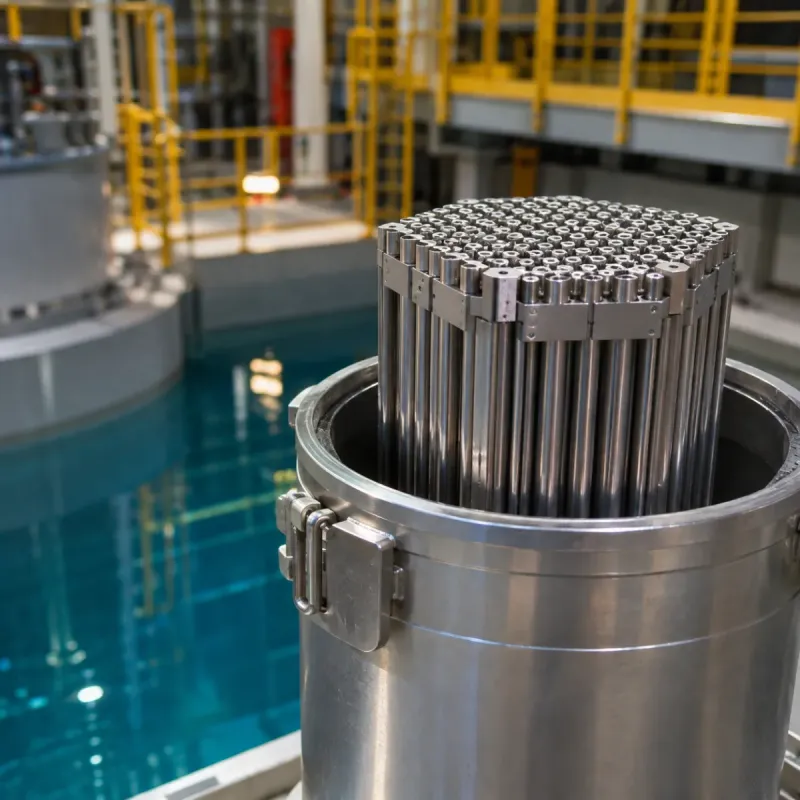
Most existing nuclear reactors use uranium fuel, and many SMRs follow a similar approach. Some advanced designs may use alternative fuels, including high-assay low-enriched uranium (HALEU), while refuelling intervals vary across reactor concepts.
- Uranium fuel
- HALEU options
- Extended refueling intervals

Support Water Desalination
Design: Nuclear-powered system
Certain SMR concepts could provide the energy needed to remove salt from seawater and produce fresh water. The IAEA and the US Department of Energy identify desalination as a potential application of these smaller nuclear systems.
- Seawater treatment
- Heat supply
- Water production
Generate Heat for Industrial Processes
Design: Heat-producing reactor
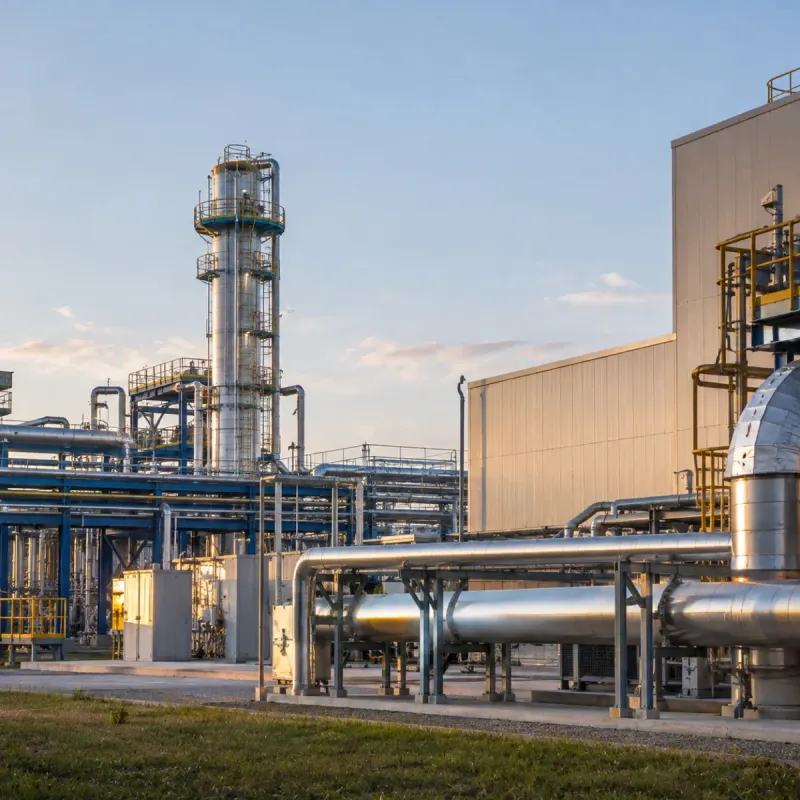
Nuclear energy can supply heat and electricity, and some SMR designs are being developed for industrial applications. This could support facilities that require substantial energy for processes such as chemical production, manufacturing, and other heat-intensive operations.
- Industrial heat
- Process energy
- Combined output
Work Alongside Renewable Energy
Design: Nuclear-renewable combination
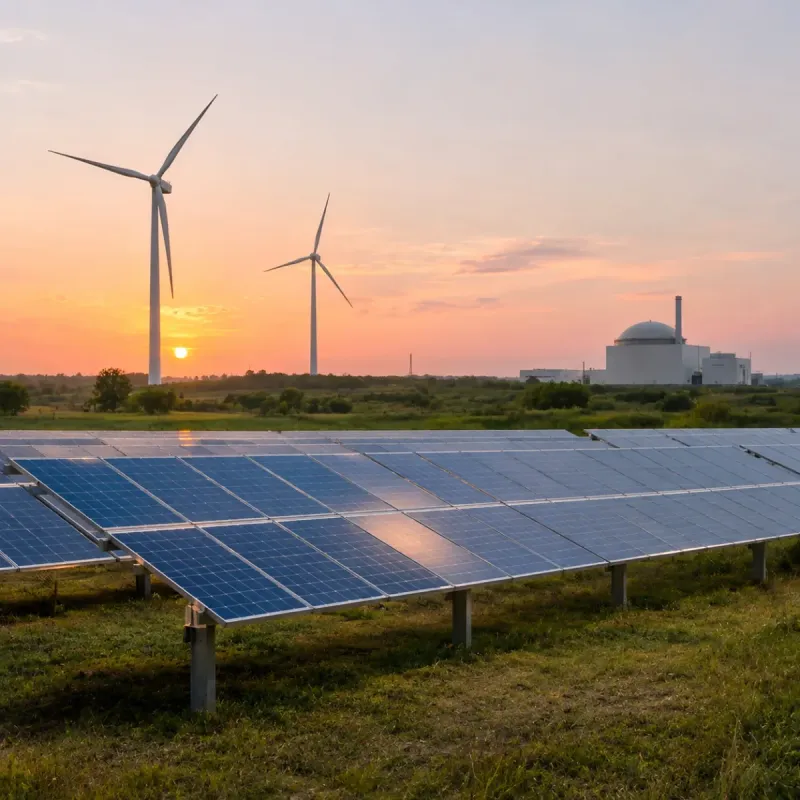
SMRs can provide dispatchable electricity, meaning their output can be adjusted to respond to electricity demand. This makes them potential partners for variable renewable sources such as wind and solar within hybrid energy systems.
- Dispatchable power
- Renewable integration
- Load balancing

Include Smaller Microreactor Designs
Design: Very compact unit
Microreactors are a smaller category of nuclear reactors related to SMR technology. The IAEA describes them as typically producing up to 10 megawatts of electricity, with potential uses in remote locations and as backup power sources.
- Up to 10 MWe
- Remote deployment
- Backup power

Supply Power to Remote Locations
Design: Compact installation
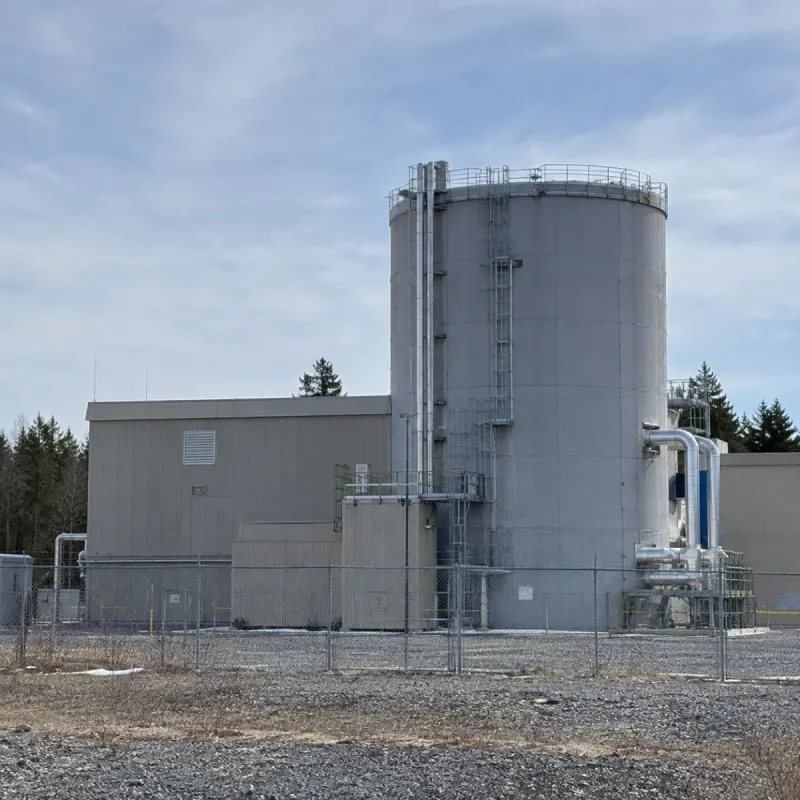
Their compact designs and lower output requirements can make SMRs suitable for locations far from major power networks. Potential applications include remote communities, industrial sites, and areas where connecting to existing electricity infrastructure is difficult.
- Remote communities
- Industrial sites
- Energy access
Fit Smaller Electricity Grids
Design: Smaller generating units
Large nuclear power plants may be unsuitable for electricity networks with limited capacity. SMRs produce less electricity per unit, making them potential options for smaller grids that cannot accommodate the output of conventional nuclear facilities.
- Small grids
- Flexible output
- Local generation

Incorporate Passive Safety Systems
Design: Passive mechanisms
Some SMR designs use passive safety features that rely on natural physical processes rather than powered equipment or immediate human intervention. Natural circulation, convection, and gravity can help remove heat or support reactor shutdown under certain conditions.
- Natural circulation
- Gravity systems
- Passive cooling

Adapt Existing Nuclear Reactor Designs
Design: Existing and advanced concepts
Many SMR concepts build on established light-water reactor technology, using water as a coolant and low-enriched uranium fuel. Other advanced designs introduce alternative coolants and reactor configurations to achieve different operating characteristics.
- Water cooling
- Uranium fuel
- Advanced designs
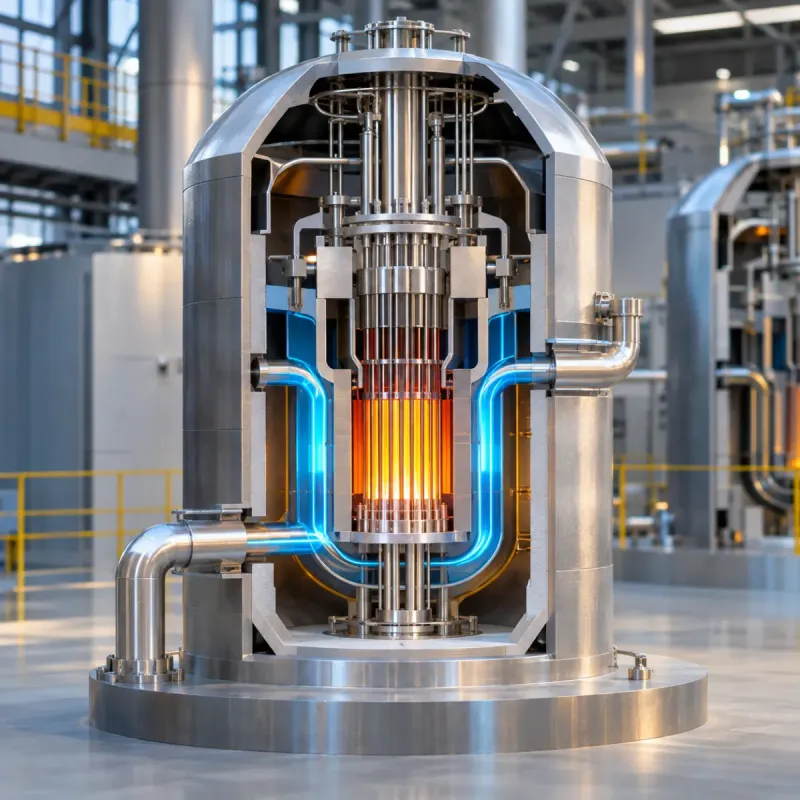
Use Different Reactor Technologies
Design: Multiple reactor concepts
SMRs are not based on a single reactor design. Technologies under development include light-water reactors, fast neutron reactors, high-temperature gas-cooled reactors, and molten salt reactors, each with different operating characteristics.
- Light-water systems
- Fast reactors
- Molten-salt systems
- Gas cooling
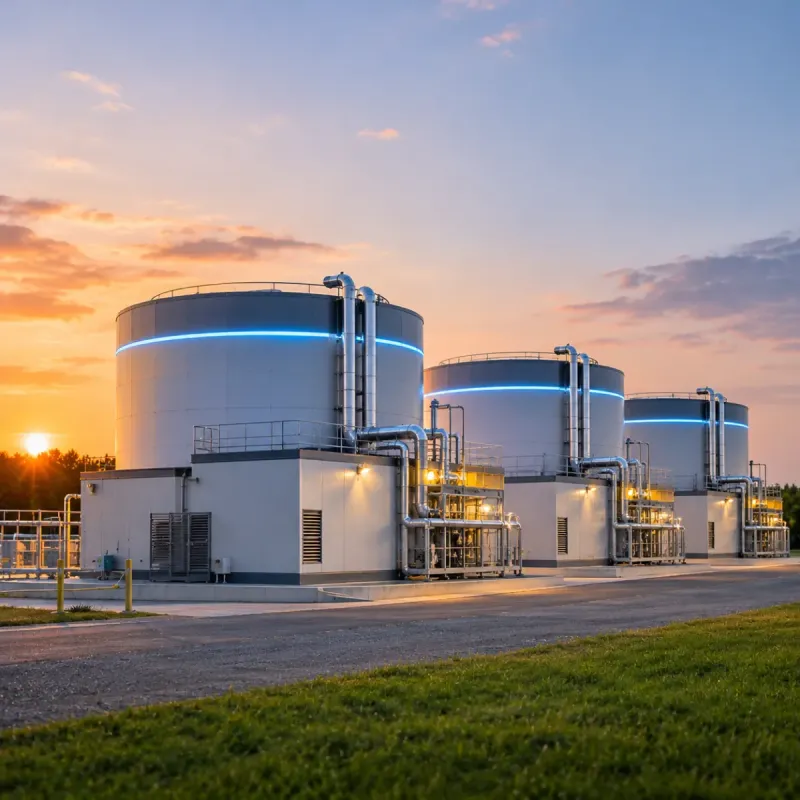
Allow Power Capacity to Grow Incrementally
Design: Multiple reactor modules
Some modular nuclear power plants are designed so that operators can add reactor modules as electricity demand increases. This approach allows operators to expand generation capacity in stages instead of building a large facility all at once.
- Incremental capacity
- Modular expansion
- Demand matching
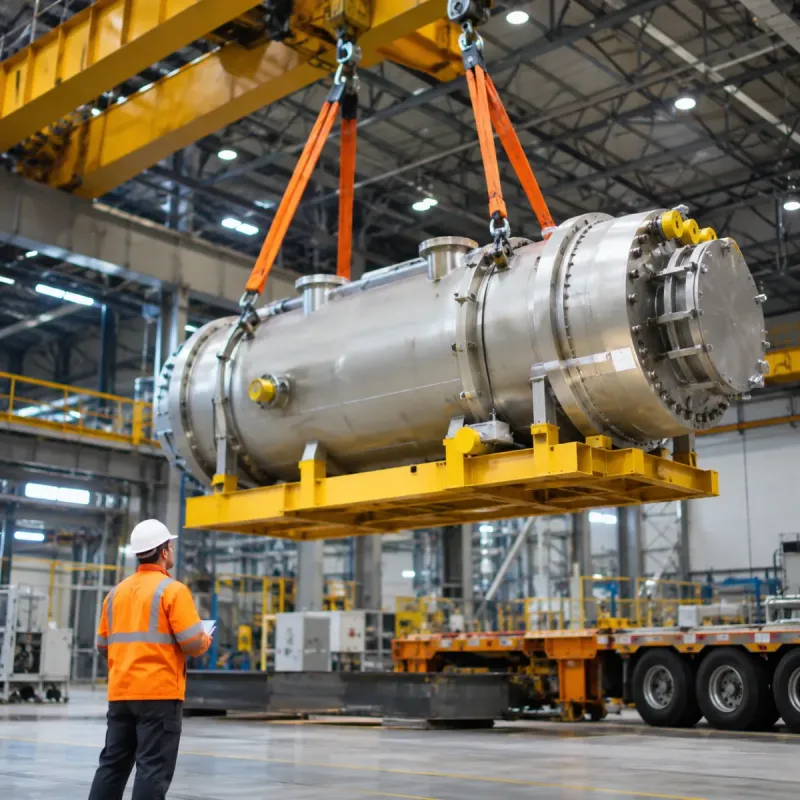
Use Factory-Built Components
Design: Factory fabrication
Unlike conventional plants that often require extensive on-site construction, SMRs are designed for factory fabrication. Major components or complete modules can be manufactured in controlled environments and transported for installation.
- Factory assembly
- Transportable modules
- On-site installation
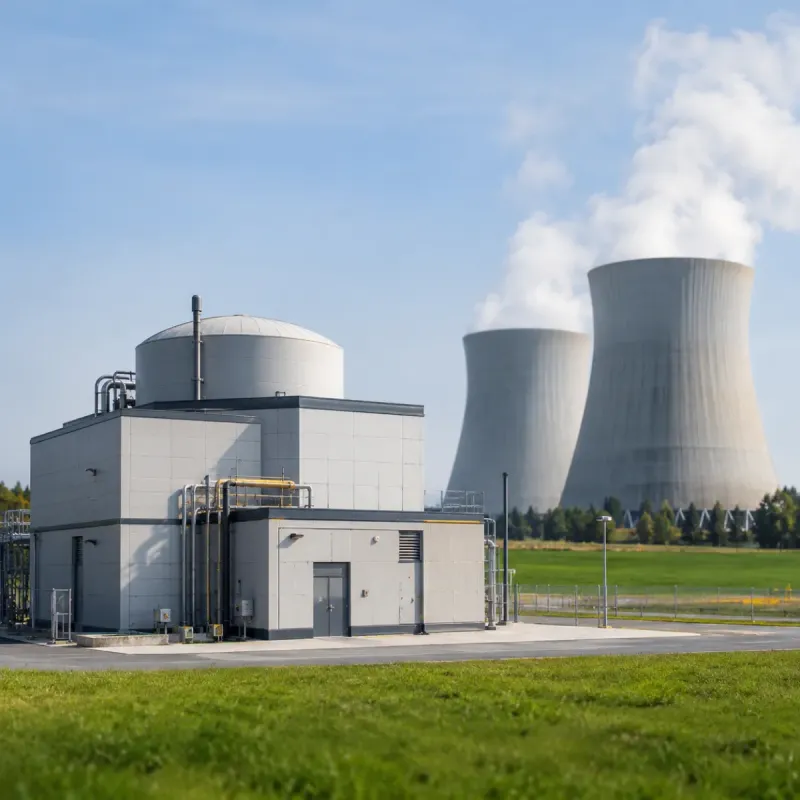
Produce Up to 300 Megawatts of Electricity
Design: Compact power unit
Small modular reactors are generally defined as nuclear reactors with an electrical output of up to 300 megawatts per unit. This is considerably smaller than many conventional nuclear power plants, which typically generate around 1,000 megawatts or more.
- Up to 300 MWe
- Smaller capacity
- Nuclear fission