
 21 November 2026
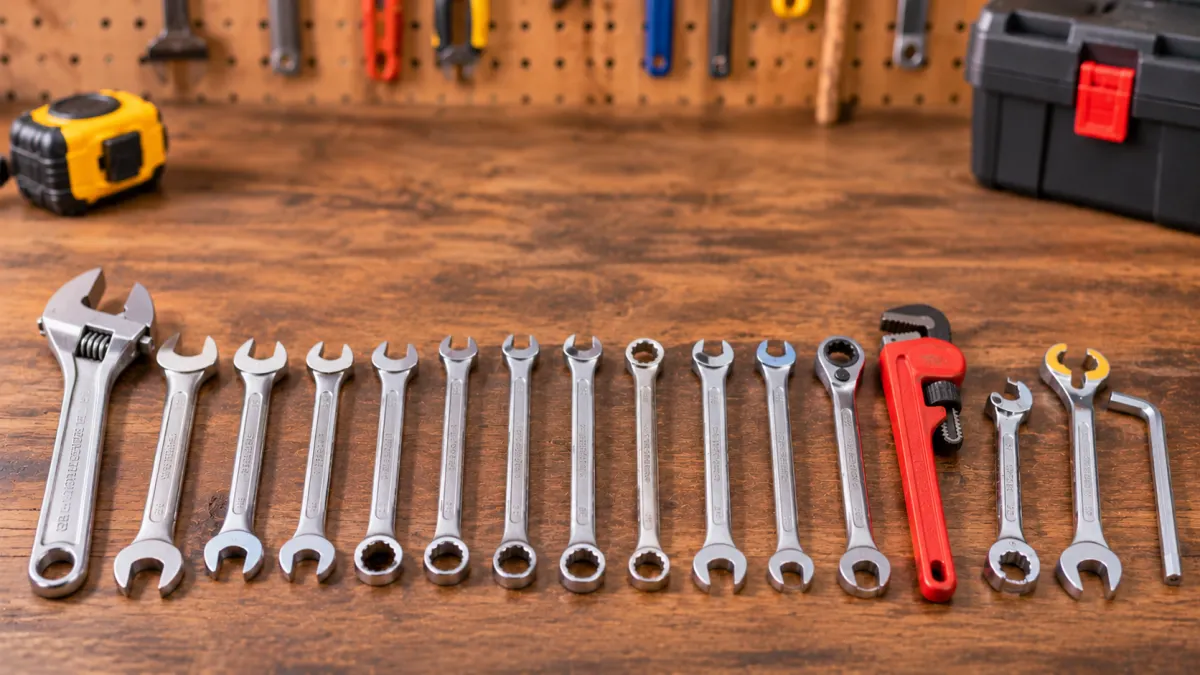
Wrenches are among the most recognizable hand tools, but they come in many different shapes and designs. Some are made for standard nuts and bolts, while others are designed for pipes, recessed fittings, or specialized fasteners.
Understanding the different types of wrenches makes it easier to recognize the right tool for a particular task. Here are 15 common varieties worth knowing.
Quick Trick to Remove Rusty Screws Without Breaking Them or Damaging Your Tools
The Right Wrench for Every Job: 15 Types You Should Know
 Inside the List
15 Items
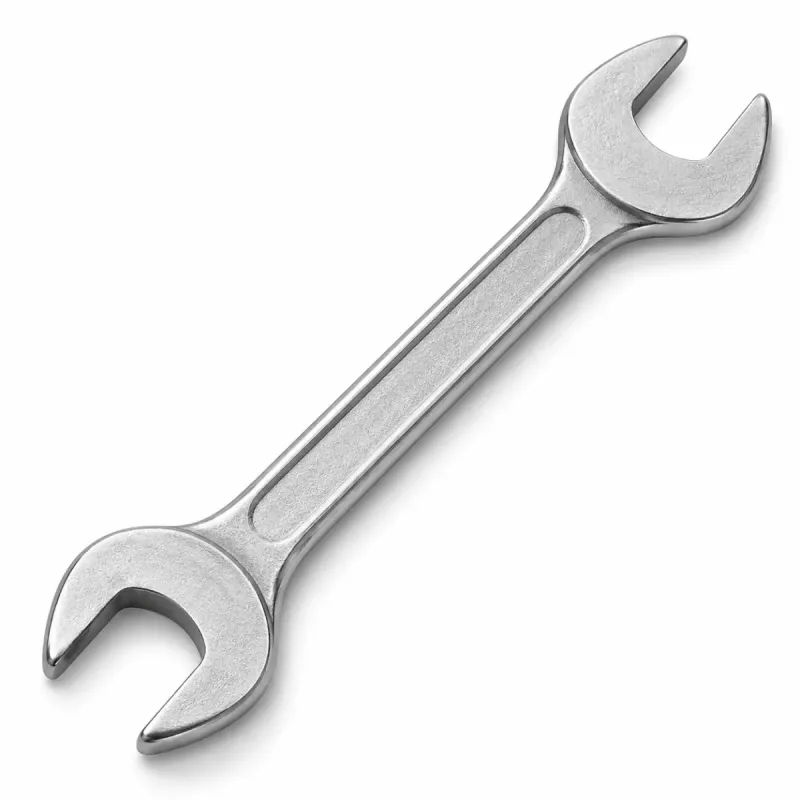
Open-End Wrench
A simple design for accessible fasteners.
An open-end wrench has U-shaped openings that fit around the sides of nuts and bolts. Its open design makes it convenient to position when a closed wrench cannot easily slide over a fastener.
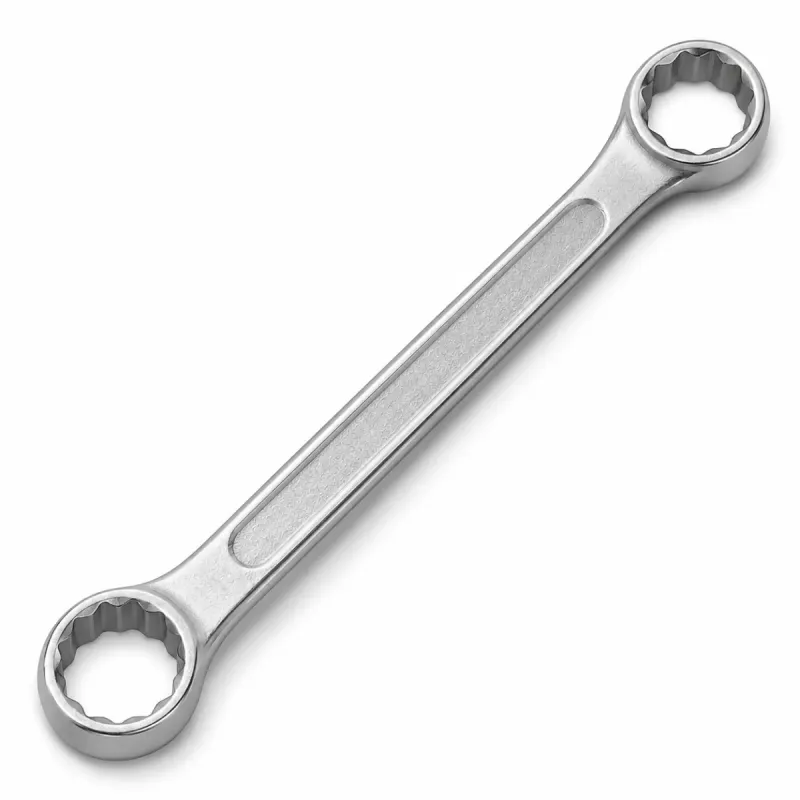
Box-End Wrench
A closed head designed to surround fasteners.
A box-end wrench features closed heads that surround the fastener. Its design provides contact around more of the fastener's sides than a typical wrench. They may have six or twelve contact points.
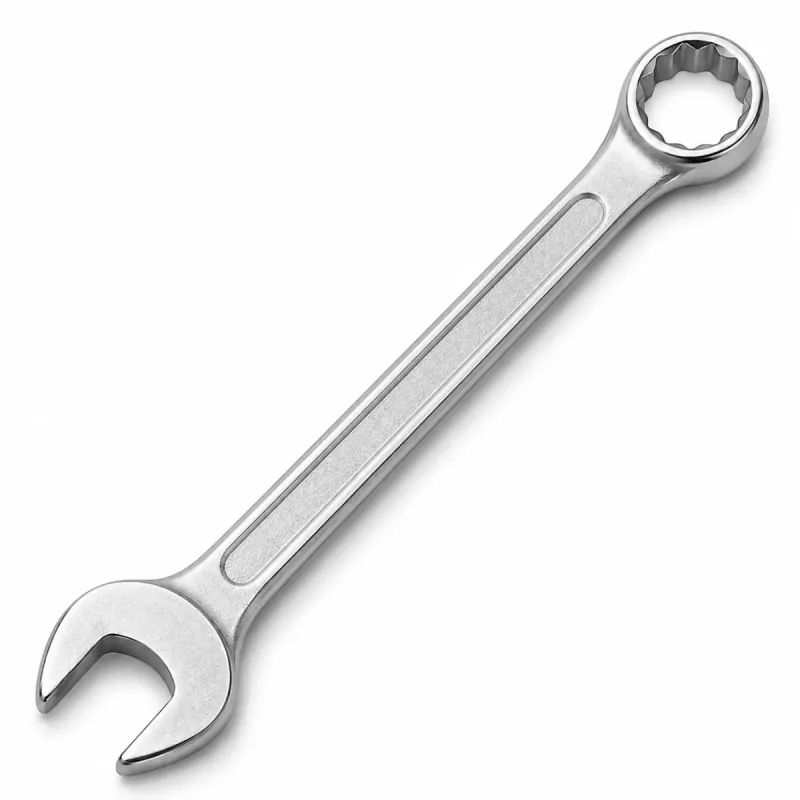
Combination Wrench
Two useful wrench designs in one tool.
A combination wrench has an open jaw on one side and a closed ring on the other. Both ends are generally designed for the same fastener size, making this one of the most recognizable tools.
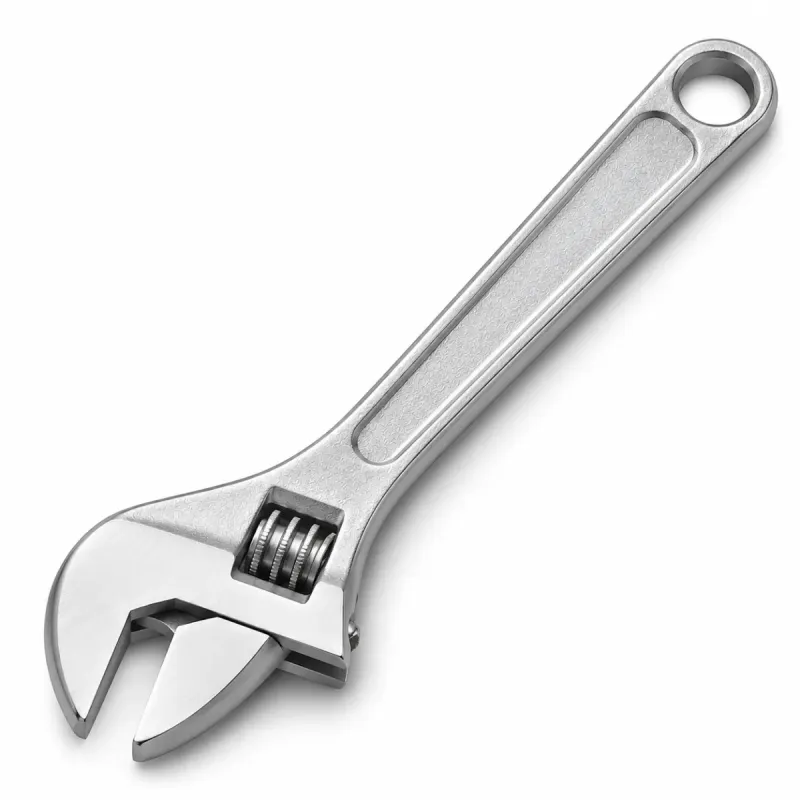
Adjustable Wrench
One movable jaw accommodates different sizes.
An adjustable wrench has one fixed jaw and one movable jaw that changes the opening width. This design allows it to accommodate different sizes of compatible nuts and bolts.
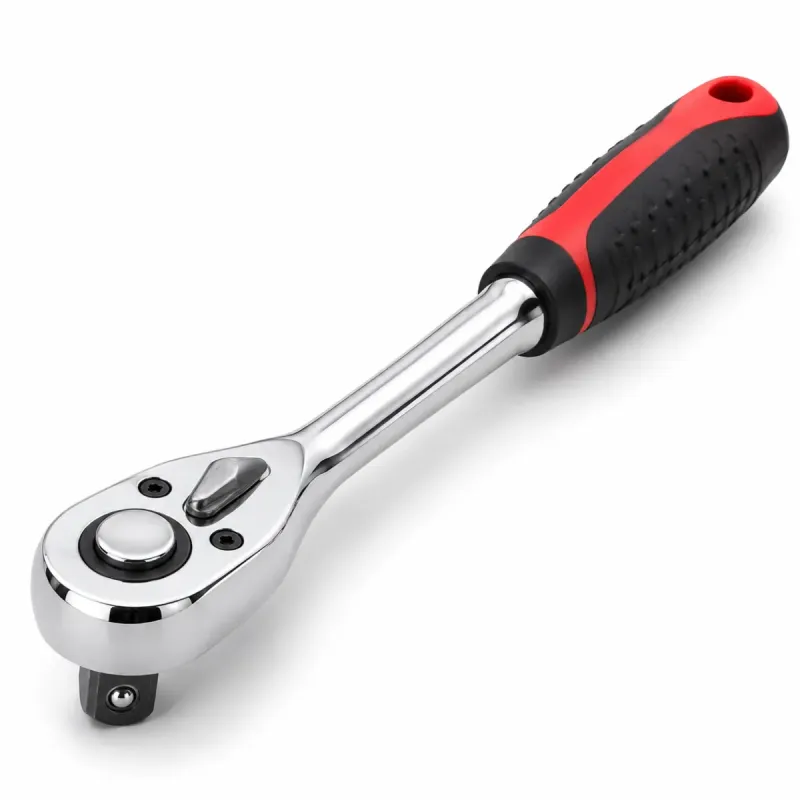
Socket Wrench
Interchangeable sockets provide different sizes.
A socket wrench consists of a handle and interchangeable sockets that fit over compatible fasteners. The different socket sizes make this system adaptable to a variety of general mechanical applications.
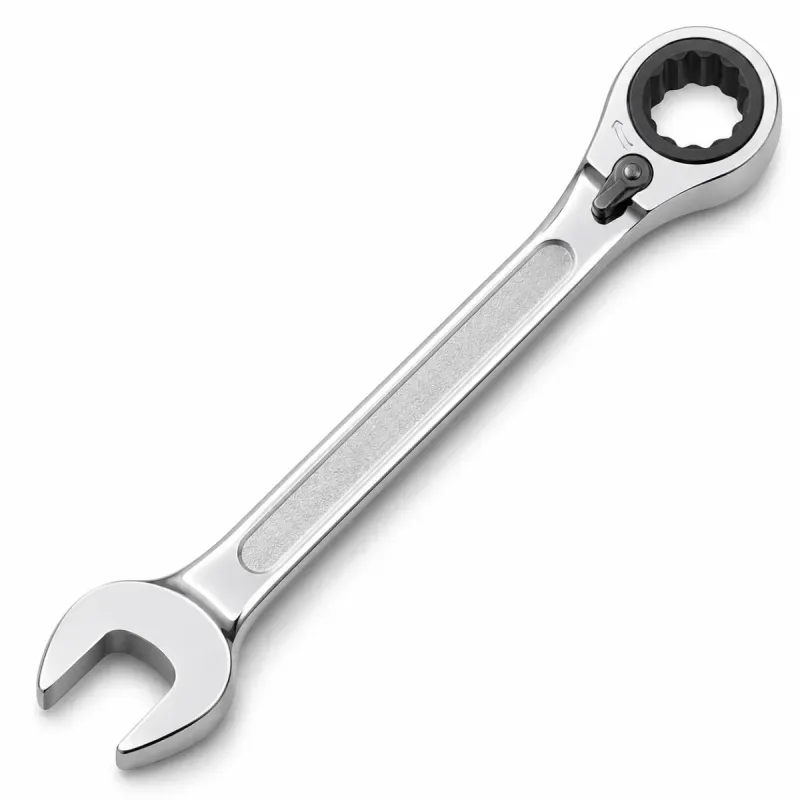
Ratcheting Wrench
Making repeated movement easier.
A ratcheting wrench uses a mechanism inside its head that allows repeated turning without completely removing the tool from the fastener after each movement.
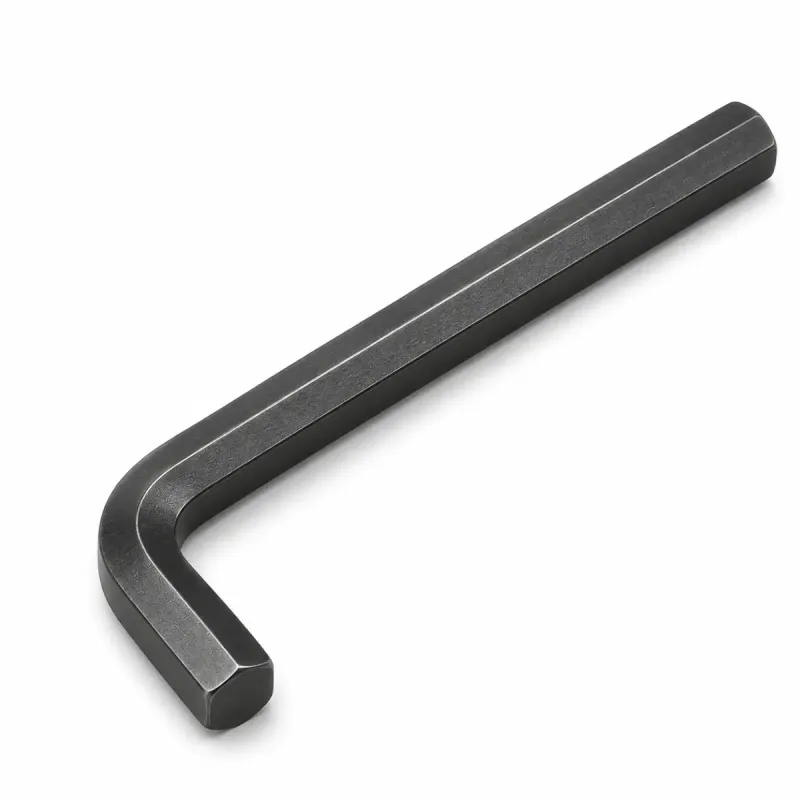
Allen Wrench (Hex Key)
A compact tool for internal hexagonal fasteners.
It is designed to fit fasteners with hexagonal recesses. These compact tools are commonly included with flat-pack furniture and are available in different sizes and handle styles.
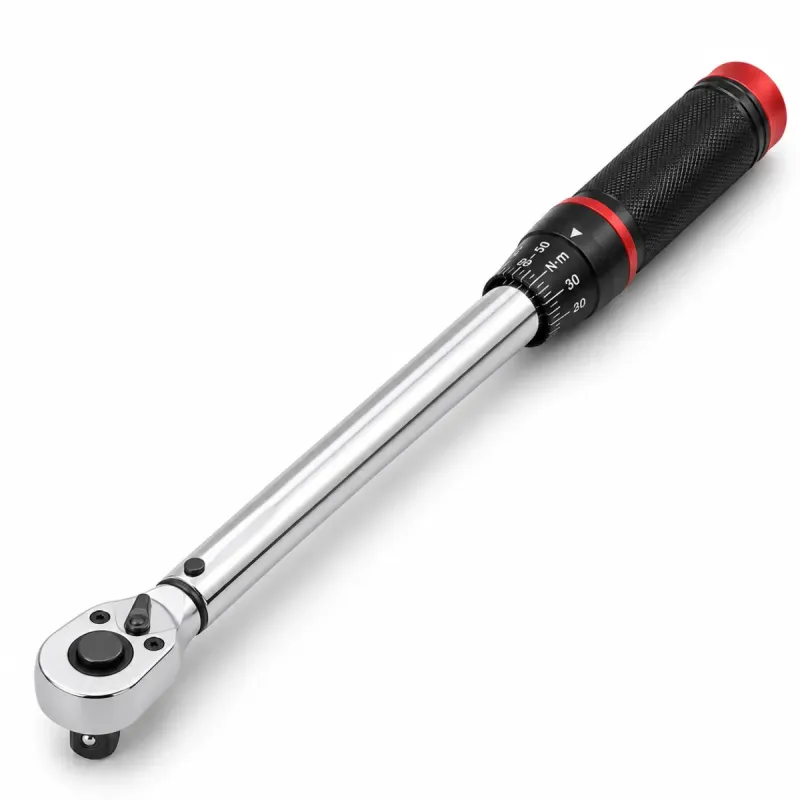
Torque Wrench
Designed for controlled tightening measurements.
A torque wrench is a specialized tool designed to apply a specified amount of rotational force to a fastener. Different versions use click, beam, or digital measurement systems.
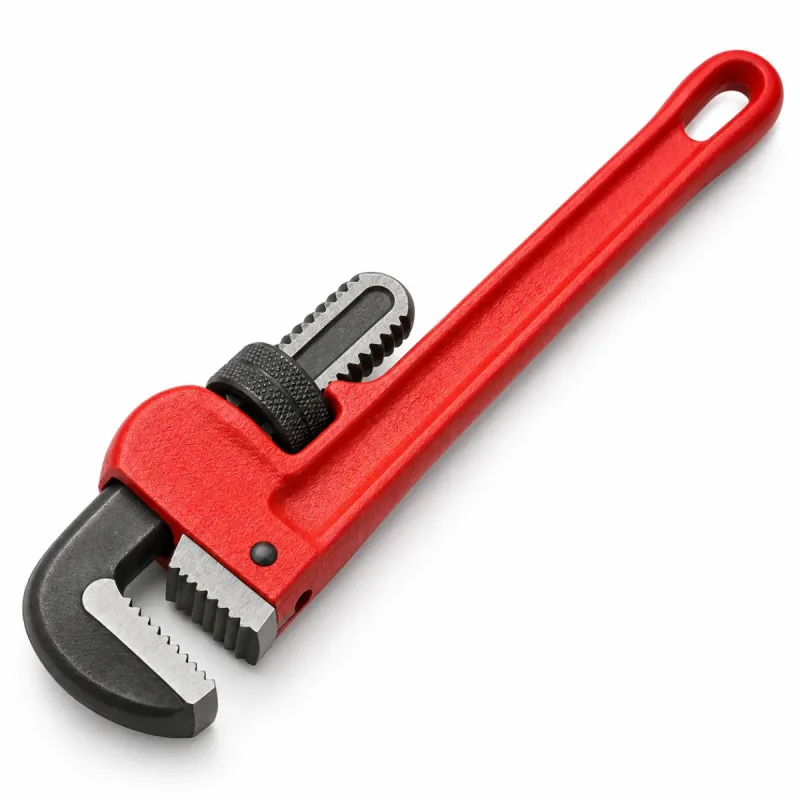
Pipe Wrench
A distinctive design for round pipe fittings.
A pipe wrench is designed to grip and turn round pipes and compatible fittings. Its adjustable jaw and toothed gripping surfaces distinguish it from wrenches intended for ordinary nuts and bolts.
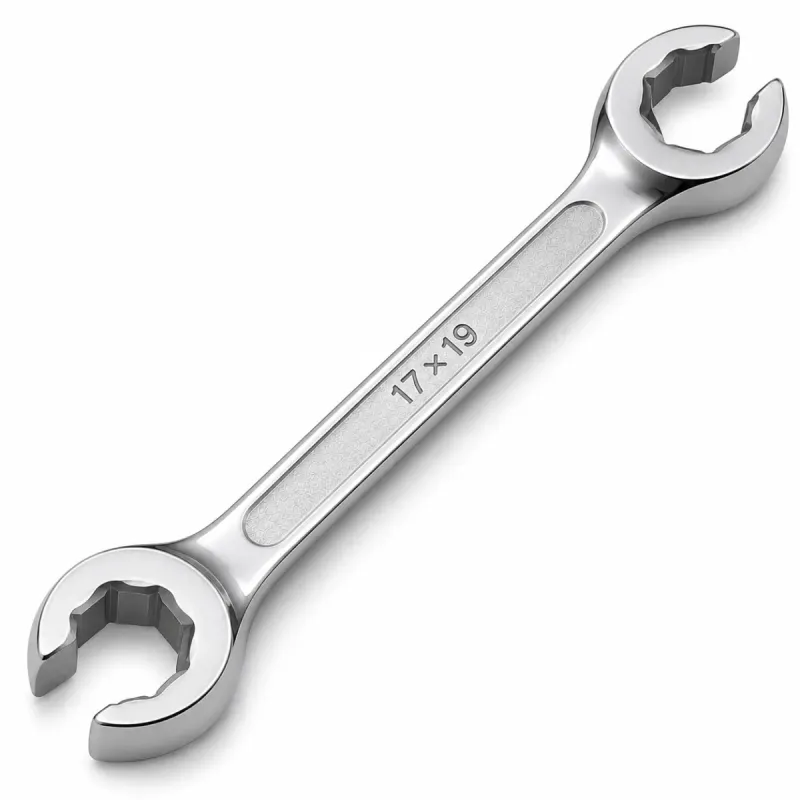
Flare Nut Wrench
A partially enclosed head for specialized fittings.
A flare nut wrench has an opening in its ring-shaped head, allowing it to fit around tubing and connected fittings. Its design provides more contact with the fastener than a standard wrench and is associated with automotive and plumbing applications.
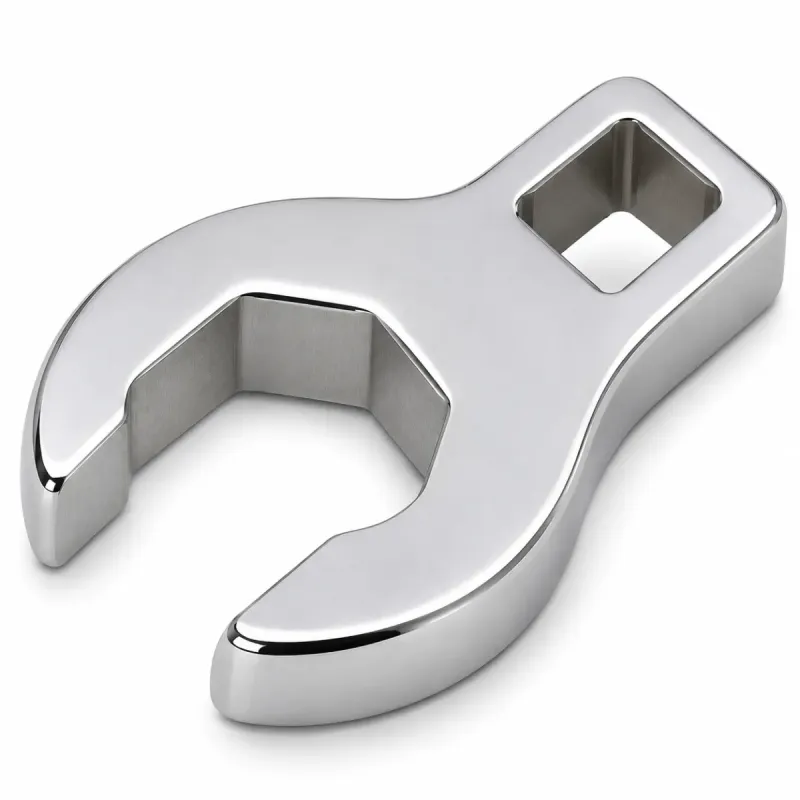
Crowfoot Wrench
A compact head for restricted spaces.
A crowfoot wrench is a wrench head without a conventional handle. It attaches to a compatible drive tool and has an open-end or flare-nut-style head. It is useful where a full-length wrench or socket cannot easily fit.
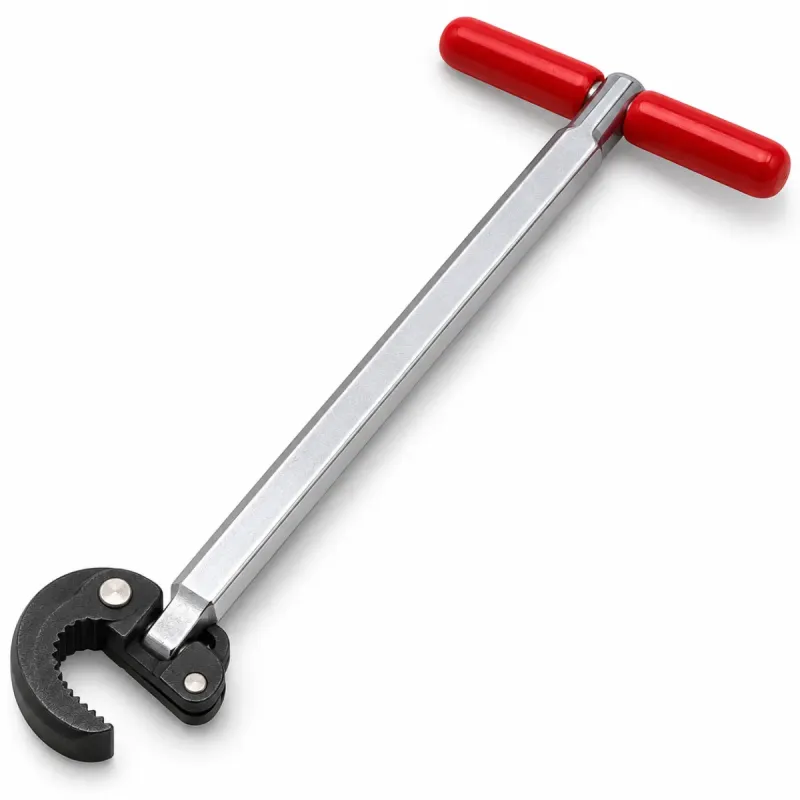
Basin Wrench
A long handle reaches fittings beneath sinks.
A basin wrench is a specialized plumbing tool designed for fittings located in narrow spaces beneath sinks. Its long handle and pivoting head distinguish it from more conventional wrench designs.
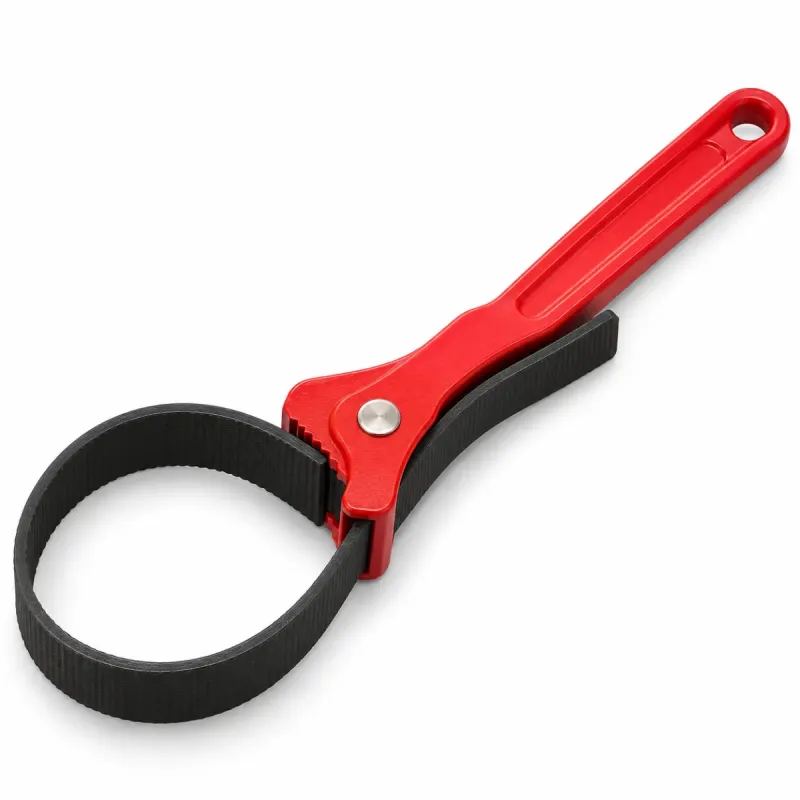
Strap Wrench
A flexible strap grips rounded surfaces.
A strap wrench uses a flexible loop that wraps around a rounded object. Its strap provides a different type of grip and is associated with objects that benefit from a less rigid contact surface.
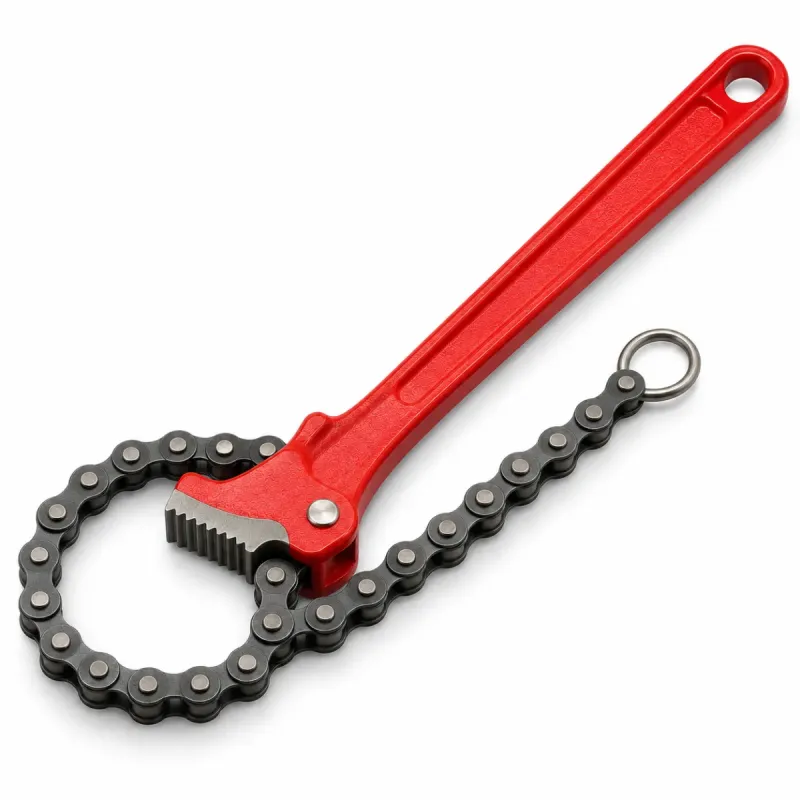
Chain Wrench
A linked chain forms the gripping surface.
A chain wrench uses a linked metal chain to surround and grip compatible round components. Its chain-based design distinguishes it from both traditional pipe wrenches and flexible strap wrenches.
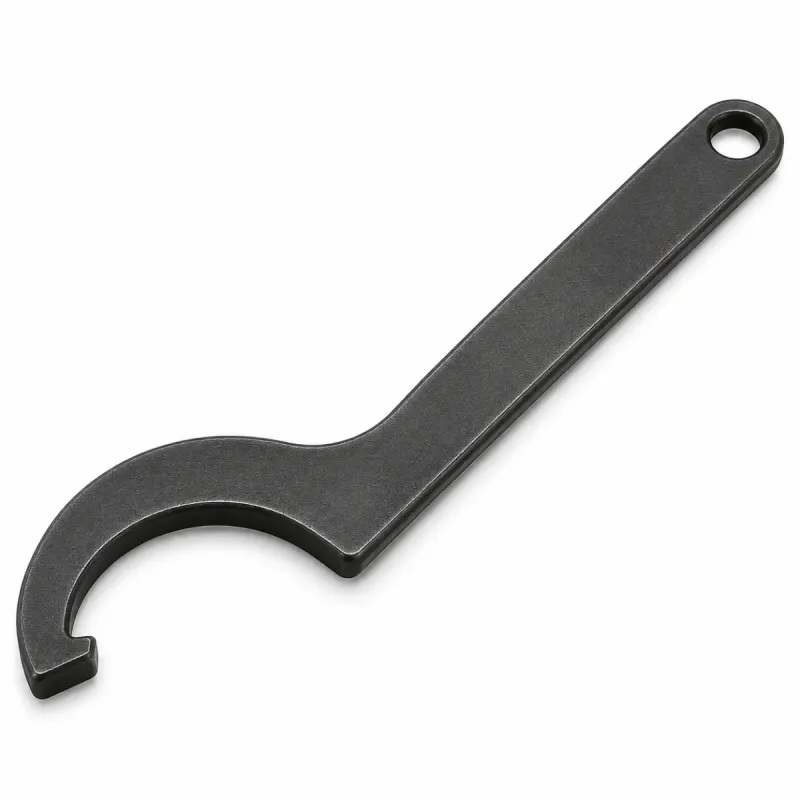
Spanner Wrench
A specialized head fits notched or slotted components.
Spanner wrench is designed to engage particular notches, holes, or slots on components. Hook spanners and pin spanners are two common variations, each featuring a different head shape.