
Imagine being unable to speak, yet still having your thoughts transformed into words on a screen.What sounds like a scene from a science-fiction movie is moving closer to reality after a major breakthrough in brain-computer interface technology.
Surgeons at the University of Michigan recently implanted the first long-term brain chip developed by Paradromics into a patient, marking an important step forward in the race to create devices that can connect the human brain directly to computers.
Read More

From Electrical Engineering to Brain Surgery
Dr. Matthew Willsey didn't begin his career in medicine.Before becoming a neurosurgeon, he studied electrical engineering at MIT and worked on signal processing, a field focused on extracting information from complex signals.
Everything changed when he watched a demonstration showing a person controlling a computer cursor and a robotic arm using electrodes implanted in the brain.«It was the coolest thing I'd ever seen,» he recalled.That moment inspired him to pursue neurosurgery and dedicate his career to developing technologies that could help people regain lost abilities.
A Chip Designed to Turn Thoughts Into Action
Brain-computer interfaces, often called BCIs, are designed to detect and interpret brain activity.The technology could be especially valuable for people whose brains remain healthy but who can no longer communicate or move normally because of disease or injury.
For example, a person living with ALS may know exactly what they want to say but lack the physical ability to produce speech.A brain-computer interface can potentially recognize those neural signals and convert them into text, speech, or commands that control digital devices.
Inside the Four-Hour Procedure
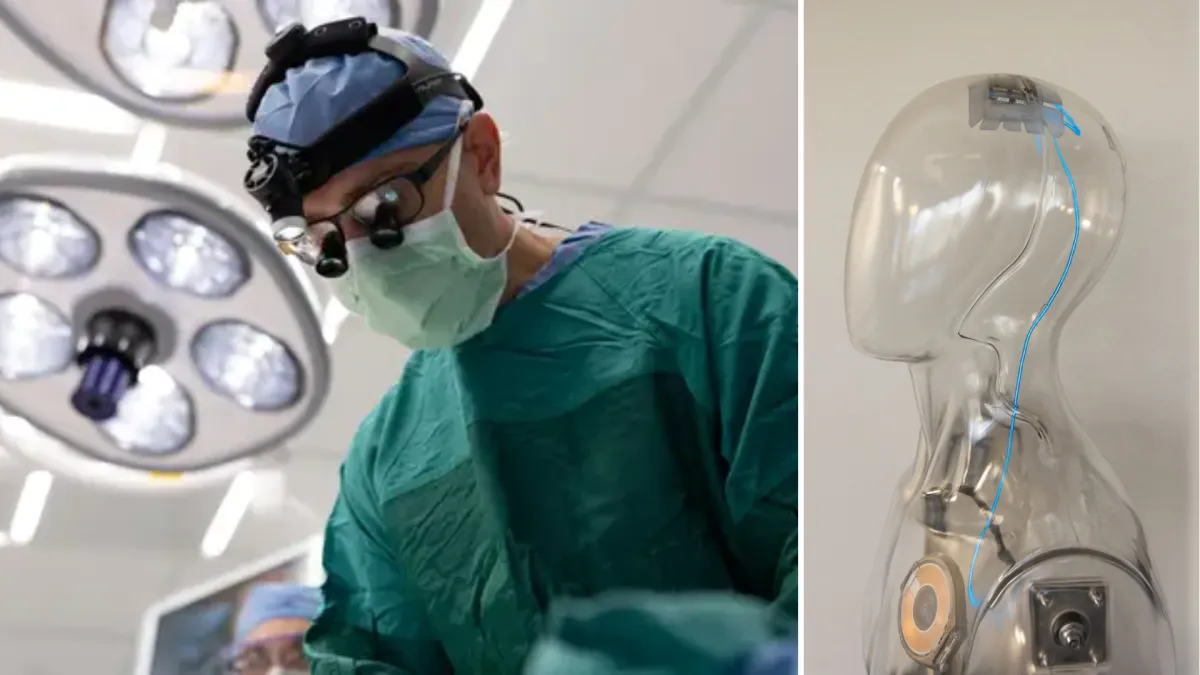
The surgery involved opening a section of the patient's skull to access the brain's surface.Using advanced imaging and navigation systems, surgeons carefully identified the target area and implanted an array of tiny electrodes into the cortex.
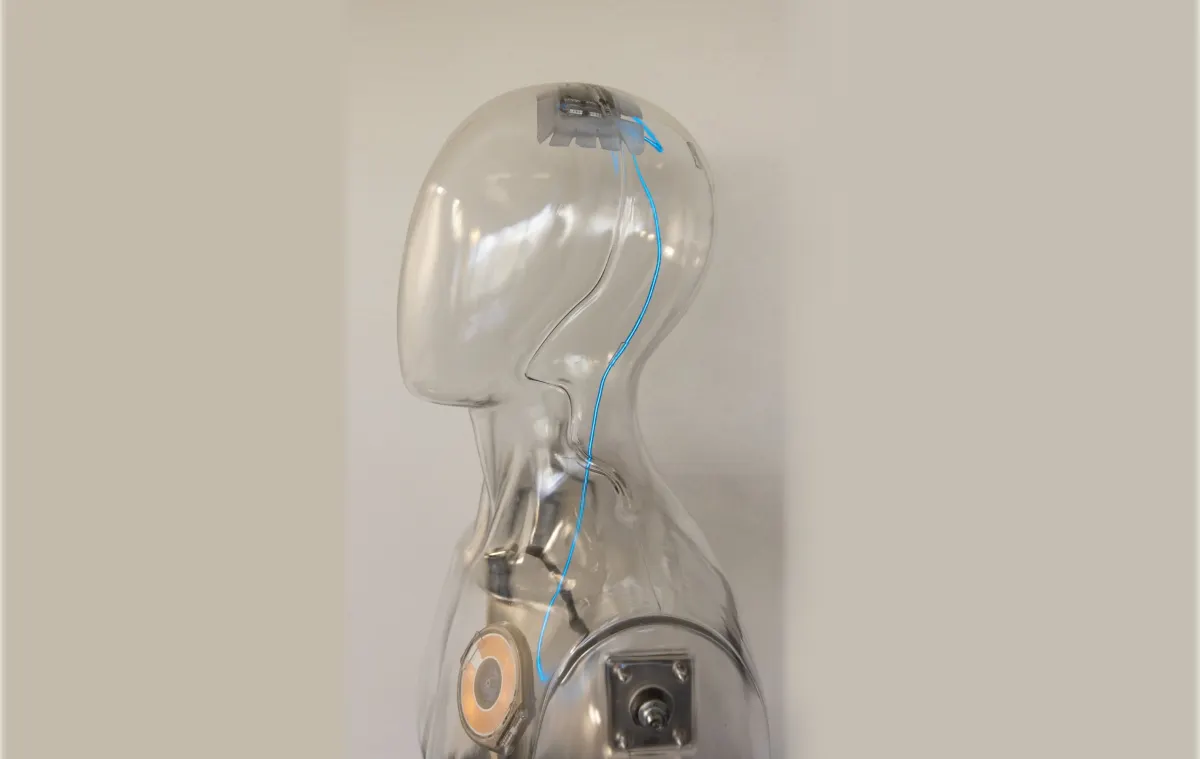
The team also implanted a transceiver in the patient's chest, connecting it to the brain component through a lead running beneath the skin.The entire procedure took approximately four hours.After surgery, doctors confirmed that the system was functioning properly and that the patient was recovering well.
What Makes Paradromics Different?
Many experimental brain-computer interfaces require wires that pass through the skin and connect to external computers.Paradromics is taking a different approach.The company's system is designed to be fully implantable, eliminating the need for external connections and making the technology more practical for long-term everyday use.
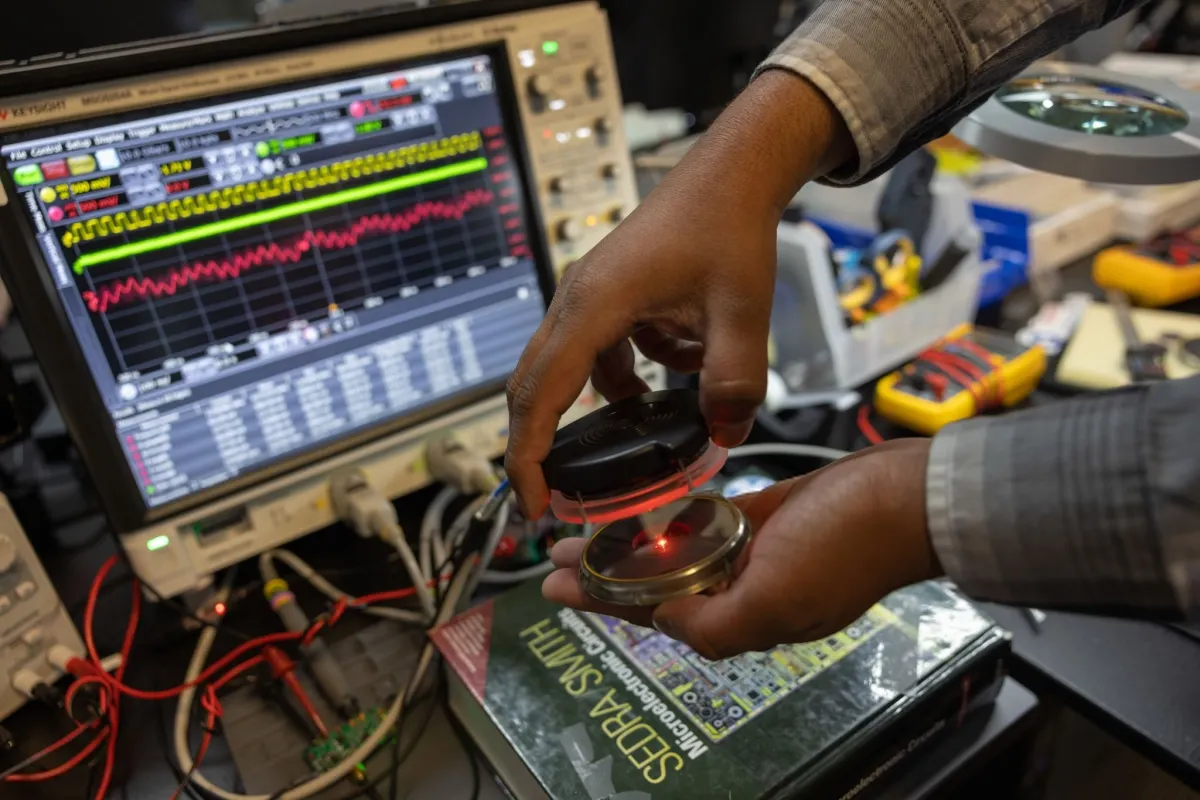
Researchers believe that fully implanted systems could play a critical role in bringing brain-computer interfaces out of laboratories and into real-world medical care.
Could This Be the Beginning of a New Era?
Experts say brain-computer interfaces have the potential to transform the lives of millions of people affected by paralysis, neurological disorders, and severe communication impairments.Future applications may include restoring speech, controlling robotic limbs, operating computers through thought alone, and creating entirely new ways for humans to interact with technology.
While widespread adoption is still years away, the successful implantation of Paradromics' first long-term brain chip represents another major milestone in one of the most ambitious fields in modern medicine.For patients who have lost the ability to speak or move, the promise is simple but powerful: a future where thoughts can once again become actions.