
AI Boom Is Giving Global Factories a New Push
The artificial intelligence boom is no longer limited to technology companies. It is beginning to show up in factory orders, semiconductor production and industrial investment around the world.
Manufacturing activity across Europe and Asia strengthened in September, with demand connected to AI infrastructure emerging as an important driver. According to Reuters, the eurozone's manufacturing PMI reached 52.9, its highest level since May 2022, while Taiwan and South Korea also reported strong manufacturing and export activity linked partly to semiconductor and AI demand.
The reason is relatively simple. Building AI systems requires far more than advanced software. Data centers need processors, memory chips, networking equipment, cooling systems, electrical components and enormous amounts of supporting infrastructure. Every new wave of AI investment therefore creates demand further down the industrial supply chain.
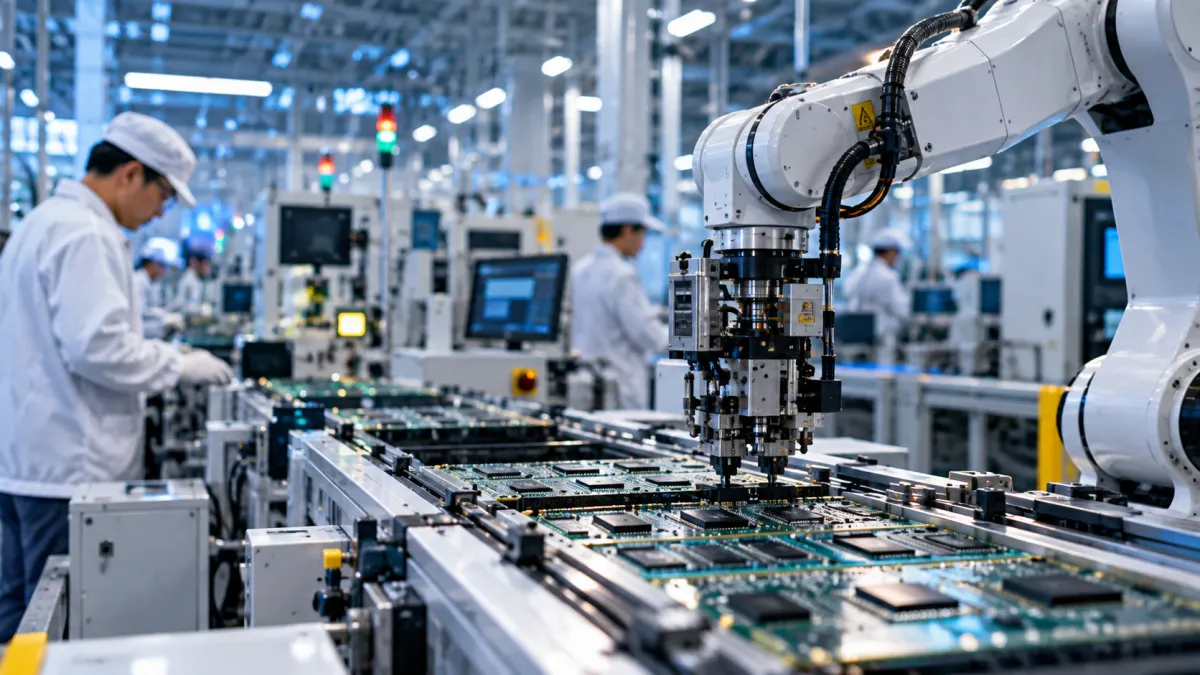
Semiconductors are at the center of this change. Taiwan remains a critical manufacturing hub, while companies in South Korea and other parts of Asia are benefiting from strong demand for advanced chips and high-bandwidth memory.
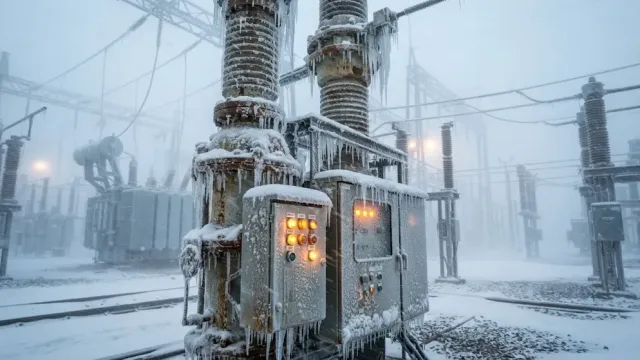
But the effect can be seen beyond chip factories. Manufacturers supplying electrical equipment, industrial machinery and components for data centers can also benefit when technology companies increase their infrastructure spending.
The change is particularly interesting because manufacturing has faced several challenges at the same time. Energy costs remain elevated in some markets, borrowing costs are still relatively high and companies continue to deal with supply-chain uncertainty.
That means the current industrial expansion is not uniform. Reuters reported that manufacturing performance across Asia varied significantly, with some economies expanding strongly while others experienced weaker conditions.
Read More
AI may therefore be creating a new source of industrial demand without eliminating the traditional risks faced by manufacturers.
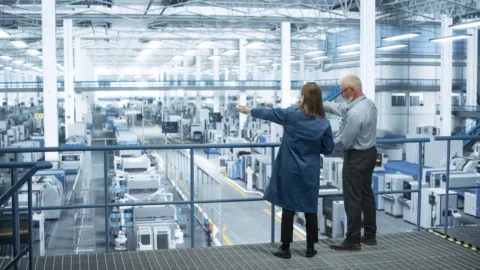
There is also a longer-term effect. As factories invest in automation, robotics and artificial intelligence themselves, manufacturers are becoming both suppliers to the AI economy and users of AI technology.
This could make the current AI investment cycle different from earlier technology booms. Instead of affecting only software and electronics companies, it is reaching factories, energy systems, logistics networks and industrial equipment manufacturers.
For global manufacturing, the question now is not simply how quickly AI technology will develop. It is how deeply the technology will reshape the physical infrastructure needed to build and operate it.