
The Invisible War Against the Deep Freeze
When an arctic polar vortex drops out of northern latitudes and sweeps across industrialized nations, the modern electrical grid faces its most dangerous trial by fire. Outside, howling blizzards drop temperatures thirty degrees below freezing within hours. Inside millions of heated suburban homes, citizens instinctively turn up electric heat pumps, plug in space heaters, and boil kettles, causing regional electricity consumption to spike to historic records. At the exact moment consumer demand reaches its absolute peak, the industrial machinery required to generate electricity begins freezing to death.
Read More
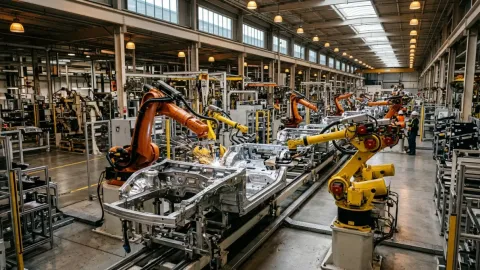
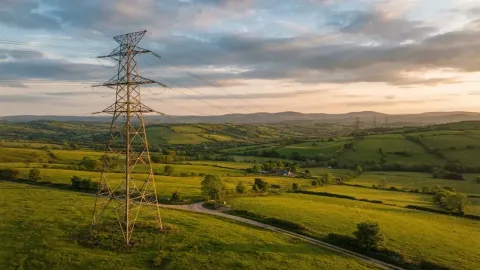
To the average person flipping a light switch, electrical power feels like a limitless, invisible utility that simply exists on demand. But behind the electrical outlet lies an extraordinarily intricate industrial ballet of heavy rotating turbines, high-pressure natural gas pipelines, and delicate hydraulic sensors that were never designed to operate in sub-zero conditions. Keeping that vast network breathing during a once-in-a-decade winter freeze is an around-the-clock mechanical battle fought by utility operators, power plant engineers, and courageous line crews.
The danger is not just that a few neighborhoods might temporarily lose power. If electrical demand outstrips available supply by even a fraction of a percent for more than nine minutes, electrical generators across entire continents can suffer catastrophic physical damage. Turbines automatically trip offline to protect their internal magnets, triggering a cascading chain reaction of blackouts that can leave tens of millions of people without heat or running water for weeks in freezing weather.
Preventing that apocalyptic scenario requires an intricate series of industrial defenses that begin months before the first snowflake falls. Power companies spend hundreds of millions of pounds retrofitting outdoor generating stations with specialized heat-tracing cables, insulated acoustic blankets, and thermal windbreaks to shelter sensitive instrumentation from arctic gusts. Every single component must be tested under simulated sub-zero conditions long before the storm arrives.
The Brutal Reality of Frozen Power Plant Infrastructure
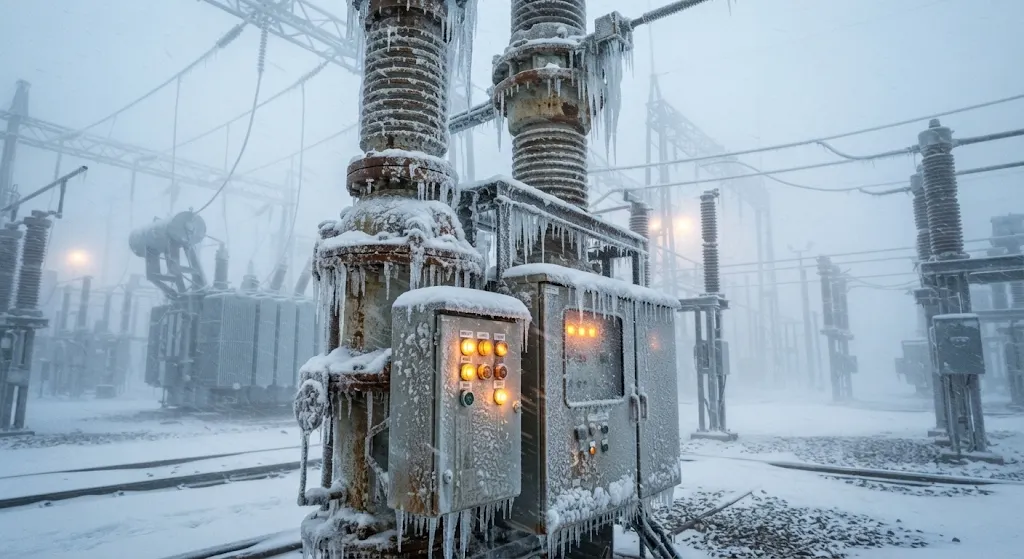
The primary vulnerability during a severe freeze is not electrical; it is mechanical. Most conventional power plants rely heavily on water and steam cycles to spin massive generators. When ambient temperatures plunge, tiny water-filled impulse lines—metal tubes the thickness of a pencil that transmit pressure readings to computerized safety valves—can freeze solid in minutes. Once a sensor freezes, the plant's automated safety software assumes a catastrophic pipe rupture has occurred and shuts down a billion-watt generating unit in seconds.
Similarly, thermal generating stations fueled by natural gas face severe fuel supply bottlenecks. Natural gas extracted from underground wells contains trace amounts of moisture. During extreme cold snaps, this moisture crystallizes into icy slush known as methane hydrates, clogging wellheads, freezing safety valves, and choking off pipeline pressure before fuel can reach city power stations. When fuel supply vanishes just as heaters work hardest, grid operators are forced to make agonizing real-time calculations.
To keep critical equipment functioning, plant operators walk icy outdoor steel catwalks twenty-four hours a day, brandishing handheld industrial heat guns and portable propane torches to thaw frozen flow meters and hydraulic actuators. It is grueling, physically punishing work performed in biting blizzards, where a single frozen pressure sensor can mean the difference between a city staying warm or descending into pitch-black freezing darkness.
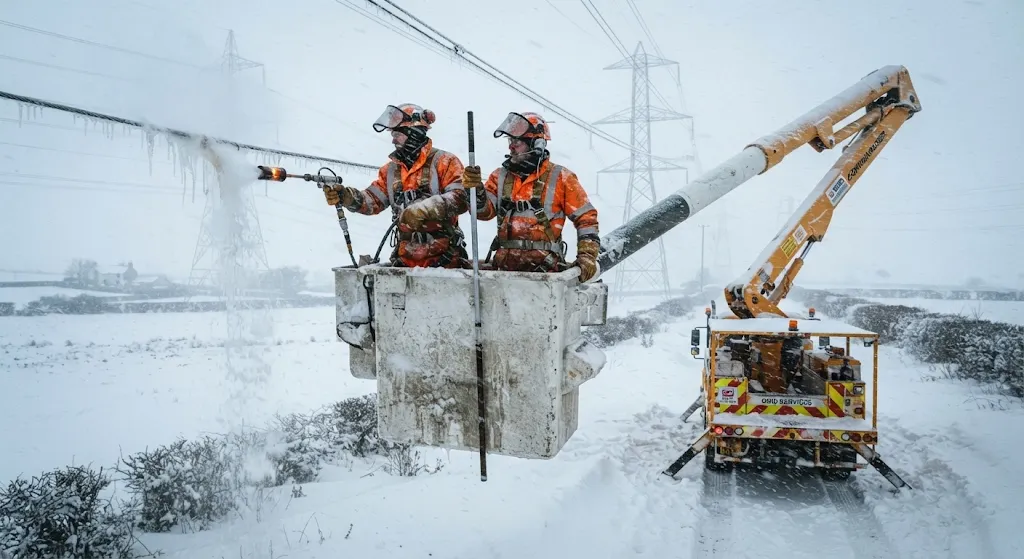
Meanwhile, on remote country highways, utility linesmen face even more perilous conditions. Rain freezing onto high-voltage transmission lines creates massive cylinders of heavy ice that can weigh down overhead cables by thousands of pounds. When strong winter crosswinds strike these iced lines, cables begin oscillating violently in an aerodynamic phenomenon known as line gallop, snapping heavy steel crossarms and bringing down massive transmission towers.
Line crews deployed in high-elevation aerial bucket trucks battle sub-zero wind chills to manually chip away dense rime ice, spray eco-friendly de-icing solutions, or attach aerodynamic counterweights called Stockbridge dampers to suppress dangerous line vibrations. Working fifty feet above frozen fields with high-voltage electricity humming just inches from insulated rubber gloves requires extraordinary courage, focus, and iron discipline.
The Nerves of Steel in the Control Room
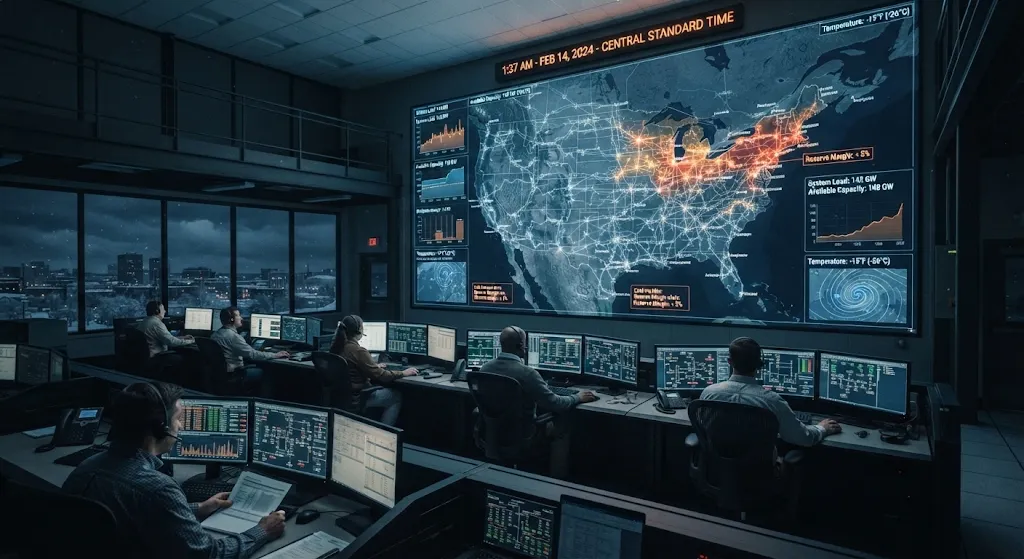
Hundreds of miles away from the howling snowstorms, the war to save the grid is coordinated inside heavily fortified, windowless transmission control rooms. Here, specialized grid dispatchers sit before glowing wall-sized video displays mapping every high-voltage line, substation, and power station across the entire regional territory. Every few seconds, digital telemetry updates show the razor-thin margin between electricity generation and regional load.
When generating stations unexpectedly trip offline and reserve margins drop below safety thresholds, dispatchers must act with ruthless speed. They implement graduated emergency protocols: first asking major heavy industries to pause operations in exchange for financial compensation, then lowering regional line voltage slightly in an imperceptible brownout, and finally ordering controlled rolling blackouts to shed load and protect the continental grid from total collapse.
In recent years, the energy transition has introduced new layers of winter resilience. Massive utility-scale battery storage installations can now inject gigawatts of power into the grid within milliseconds of an unexpected plant shutdown, buying precious minutes for backup combustion turbines to fire up. Advanced weather satellites and machine learning algorithms help operators predict polar vortex paths days in advance, allowing them to pre-heat critical infrastructure before temperatures plummet.
These advanced digital tools give engineers an unprecedented window into developing grid vulnerabilities, predicting which transmission corridors are most likely to experience thermal overload or ice accumulation. By shifting bulk power flows dynamically across unaffected neighboring states or provinces, operators can bypass regional chokepoints and keep hospital networks, water treatment facilities, and residential heating circuits energized.
When you sit in a warm, brightly lit living room while a winter blizzard batters the windowpanes, it is easy to take electrical power for granted. But every kilowatt that keeps your home warm is a testament to the thousands of industrial engineers, control room operators, and brave linesmen who stand guard against the arctic freeze, ensuring that modern civilization never has to endure the cold in the dark.