
The Ripple Effect Inside the Factory Floor
When international policymakers announce new import tariffs on raw materials such as steel, aluminum, or electronics components, the policy discussions often sound abstract to everyday consumers. They appear as high-level diplomatic negotiations regarding international trade balances and bilateral agreements.
However, within weeks of tariff implementations, the real operational impact reaches industrial loading docks and assembly plants. A shipment of imported precision steel parts or electric motors suddenly carries a twenty to twenty-five percent import duty, shifting profit margins across assembly lines overnight.
Tariffs are significant economic levers that alter procurement strategies, accelerate regional factory investment, and influence how everyday manufactured goods—from home appliances to commercial tools—are engineered and delivered.
The Engineering Response: Material Redesign and Substitution
When the landed cost of imported raw materials rises sharply due to import tariffs, manufacturing engineers face three choices: absorb the cost increase, pass higher prices down to retailers, or re-engineer the product's underlying component structure.
In response to volatile metal tariffs over recent years, manufacturers have accelerated material science adaptations across production lines. Instead of relying exclusively on imported steel alloys subject to heavy tariffs, industrial designers frequently incorporate structural composites, reinforced fiberglass moldings, and regionally sourced recycled metals.
In the home appliance sector, engineers have redesigned internal structural frames for washing machines and dishwashers, replacing solid stamped steel brackets with engineered high-density polymers. To the consumer using the finished appliance, durability and performance remain consistent, while the underlying manufacturing process is adapted to avoid tariff-heavy global supply chains.
| Manufacturing Dimension | Traditional Long-Distance Model | Modern Regionalized Model |
|---|---|---|
| Sourcing Strategy | Single lowest-cost overseas supplier | Dual-sourcing & localized component suppliers |
| Transit Logistics | 30–45 days trans-ocean freight shipping | 2–4 days domestic or regional trucking |
| Material Selection | Heavy dependence on imported metal alloys | Lightweight composites & regional recycled inputs |
| Automation Investment | Labor-intensive manual overseas assembly | High-precision domestic robotics & CNC lines |
For several decades, global manufacturing prioritized locating assembly operations in whichever distant country offered the lowest direct labor rates, regardless of geographical distance. The combination of trade tariffs, port congestion, and shipping volatility has altered that calculation.
Today, multinational industrial companies are investing heavily in "nearshoring"—establishing production hubs closer to primary consumer markets. North American manufacturers have expanded operations within regional corridors such as northern Mexico and domestic facilities, while European firms have broadened production partnerships across Central and Eastern Europe.
While establishing new regional production facilities requires substantial capital expenditure, companies gain critical logistical agility. Moving goods by regional freight avoids multi-week ocean shipping delays and shields operations from unexpected changes in maritime customs regulations.
Industrial Automation to Balance Operating Costs
Relocating manufacturing closer to domestic consumer markets introduces higher regional labor costs. To maintain competitive retail pricing, industrial facilities have invested significantly in advanced automation and robotic tooling.
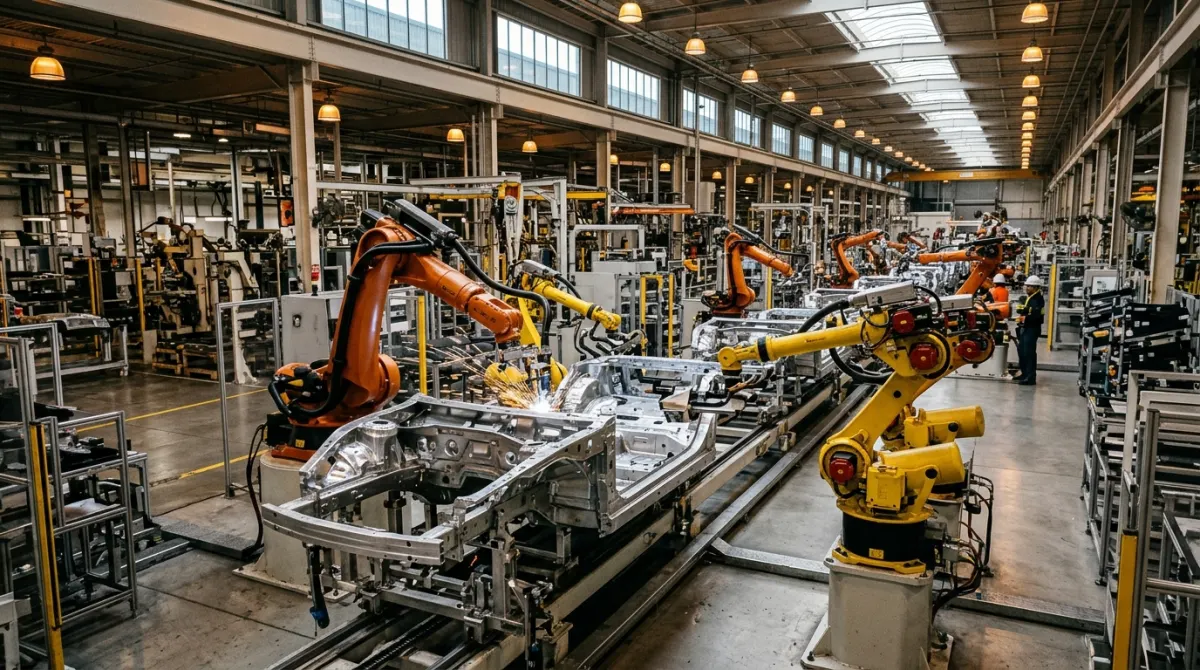
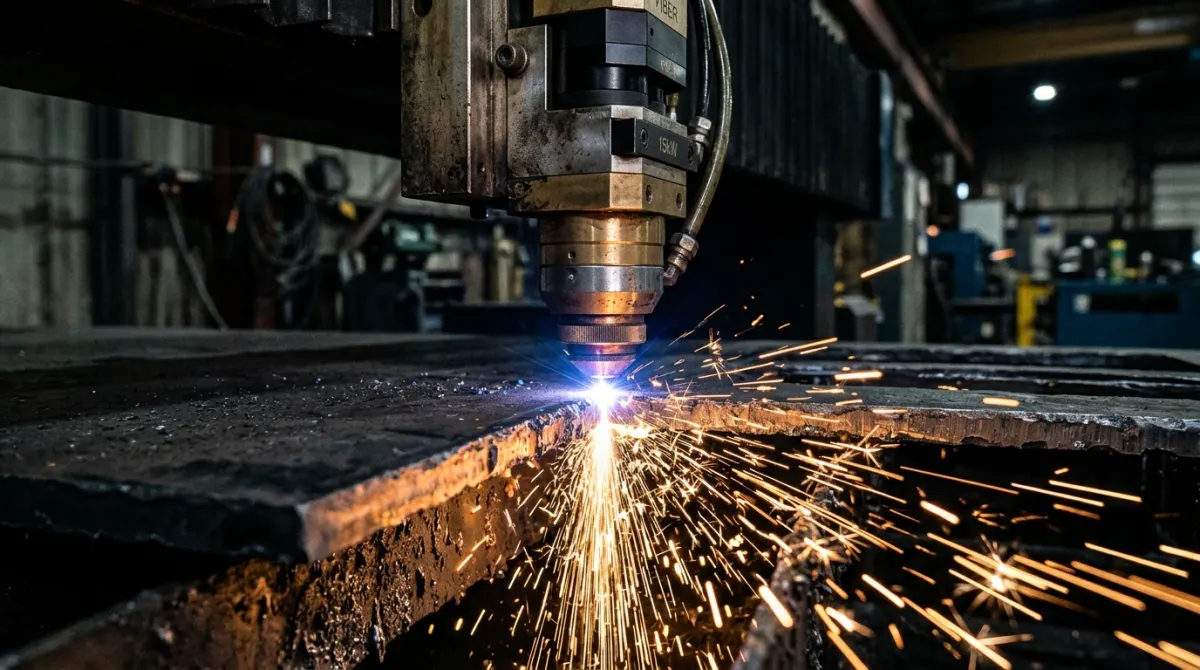
Modern assembly plants increasingly utilize automated robotic arms for precision welding, automated laser cutters for sheet metal shaping, and autonomous mobile carts for warehouse component transport. This shift has elevated demand for specialized automation technicians and systems programmers who manage digital factory infrastructure.
The Consumer Impact: Balancing Price and Resilience
For consumers browsing retail stores or purchasing equipment online, the reconfiguration of manufacturing involves practical trade-offs. In the near term, tariff adjustments and factory relocation costs can lead to modest price increases on select consumer goods.
Over the longer term, however, localized and regionalized supply chains provide greater resilience against global shipping disruptions, ensuring steady product availability and consistent quality control standards across everyday consumer products.
The Circular Economy: Turning Industrial Scrap into Regional Stock
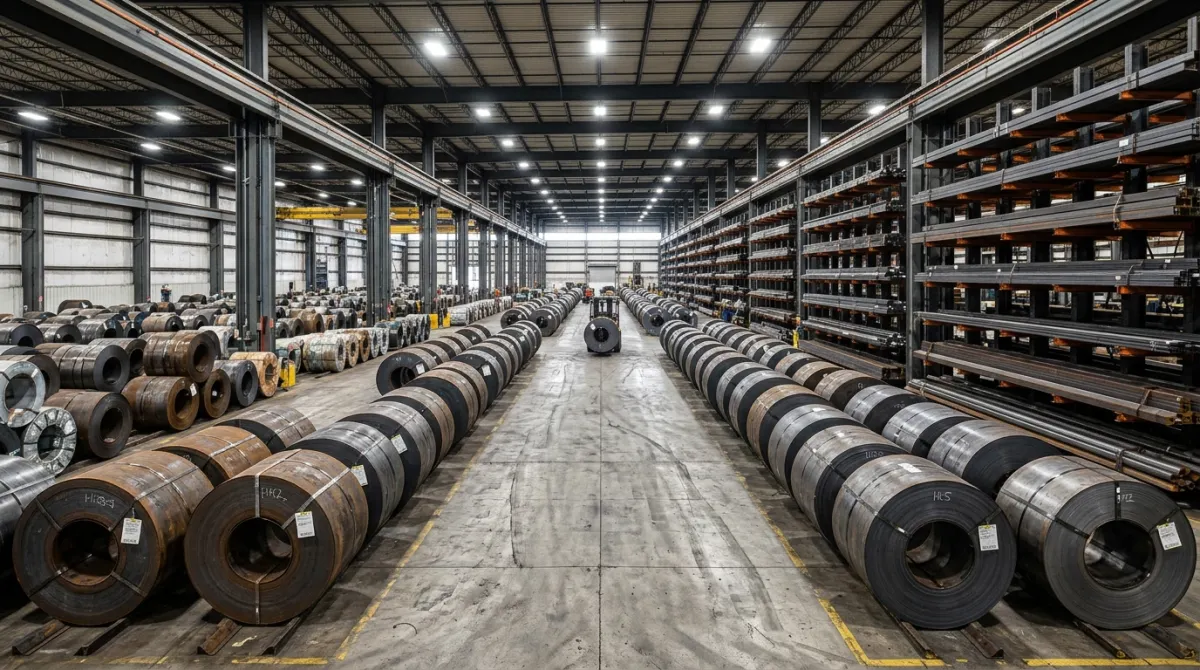
To further protect operational margins from unpredictable international tariff shifts on virgin raw metals, forward-thinking manufacturing facilities are investing heavily in circular manufacturing loops. Instead of purchasing freshly mined and smelted overseas steel and aluminum coils, plants are forming direct supply partnerships with domestic scrap processors and industrial recyclers.
Advanced optical sorting sensors and magnetic separators allow modern recycling facilities to reclaim high-purity aluminum alloys, industrial copper wiring, and engineering-grade polymers from retired machinery. These materials are remelted and fed directly back into regional stamping and molding lines, bypassing international customs checkpoints and shipping lanes entirely while reducing the manufacturer's total carbon footprint.
Supply Chain Transparency and Digital Twin Tracking
To navigate the complexity of regionalized supply chains, manufacturing enterprises are turning to industrial Internet of Things (IoT) sensors and digital twin simulation software. By creating a real-time virtual replica of factory production schedules and regional trucking routes, plant managers can forecast component shortages and tariff adjustments days before shipping containers arrive at loading docks.
If a border crossing experiences customs delays or a regional supplier encounters a raw material bottleneck, automated supply chain software reroutes component orders to secondary domestic stamping facilities in real time. This digital agility minimizes expensive downtime on primary assembly lines, allowing factories to maintain steady output and predictable fulfillment times despite global market volatility.
The Evolution of Skilled Industrial Workforce Training
As factories shift from manual assembly toward automated CNC laser cutters and robotic tooling cells, the nature of manufacturing employment has transformed. Contemporary industrial careers require specialized technical training in mechatronics, PLC programming, and precision machine calibration.
Industrial trade associations and community colleges have partnered with regional manufacturers to establish dedicated apprenticeships, training a new generation of automation technicians who earn competitive salaries while operating clean, high-tech manufacturing facilities. This domestic workforce investment ensures that regionalized manufacturing ecosystems remain durable, innovative, and commercially competitive for decades to come.
The Strategic Advantage of Localized Raw Material Hubs
Beyond investing in robotics and digital inventory systems, industrial manufacturers are establishing regional material supply consortia. By grouping purchasing volume with neighboring factories, mid-sized manufacturing plants negotiate bulk domestic metal rates comparable to high-volume overseas import contracts.
This localized purchasing strategy insulates operations from currency swings and sudden customs regulatory shifts. When material procurement, robotic processing, and domestic distribution operate within a tightly integrated regional network, industrial manufacturing achieves true economic resilience, safeguarding local jobs and domestic industrial output against volatile global economic trends.