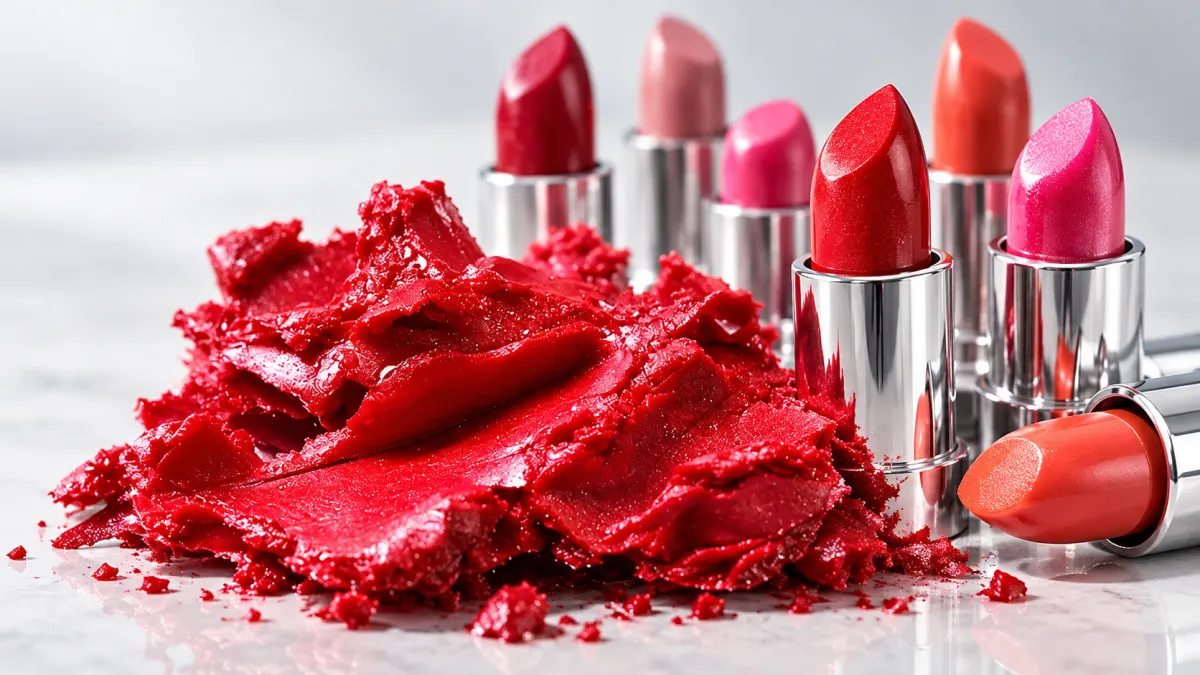

Lipstick may look like a simple stick of color, but its formula is the result of carefully balancing waxes, oils, pigments, and other ingredients. These materials determine everything from how smoothly lipstick glides across the lips to how long its color lasts and whether it leaves a matte or glossy finish.
Some ingredients give lipstick its shape, while others create its shade, improve its texture, or help protect the formula from deterioration. Understanding these components offers a closer look at the science behind one of the world's most widely used cosmetic products.
Read More
What Are the Main Ingredients in Lipstick?
Most traditional lipsticks contain several major ingredient groups: waxes, oils, emollients, colorants, antioxidants, and optional fragrance or flavoring agents. Their proportions vary depending on the product's intended finish, texture, and performance.
Solid lipsticks generally rely on a structured blend of waxes and oils, while liquid lipsticks may contain film-forming polymers and volatile ingredients to help create a longer-lasting finish.
1. Waxes: What Gives Lipstick Its Shape?
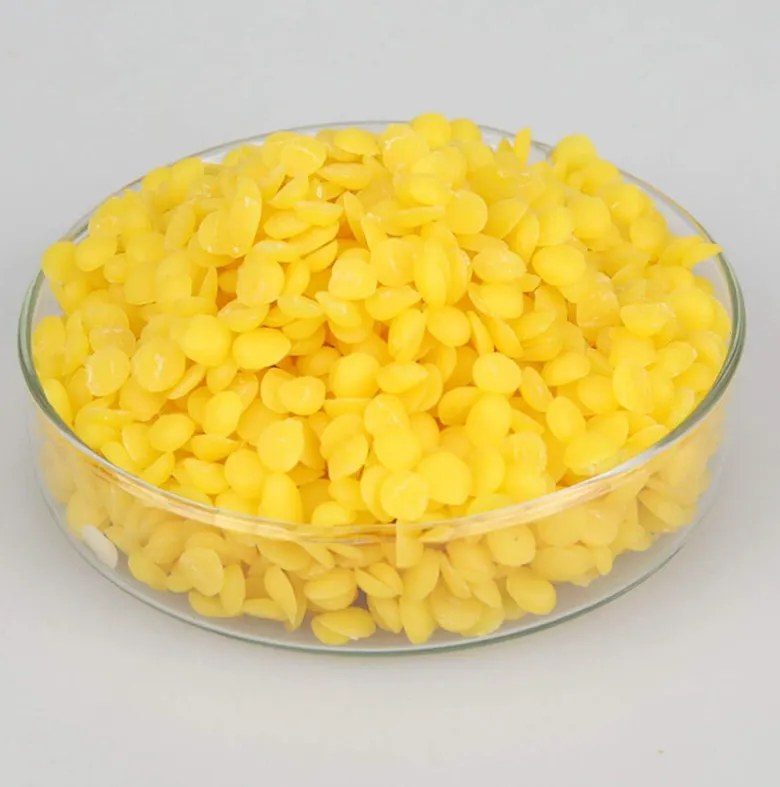
Waxes help lipstick maintain its solid form, resist deformation, and withstand ordinary storage conditions. They also influence how easily the product glides across the lips and how it feels during application.
Common waxes used in lipstick formulations include:
- Beeswax: A natural wax that contributes structure, flexibility, and a smooth texture.
- Carnauba wax: A relatively hard plant-derived wax that can increase firmness and heat resistance.
- Candelilla wax: A plant-based alternative that helps create a firm, smooth lipstick.
- Synthetic waxes: Ingredients that can provide controlled hardness, texture, and stability.
The choice and proportion of waxes are especially important in climates where cosmetic products may be exposed to high temperatures. Too much hard wax can make lipstick difficult to apply, while too little may leave it soft or prone to breaking.
2. Oils: Why Does Lipstick Glide So Smoothly?
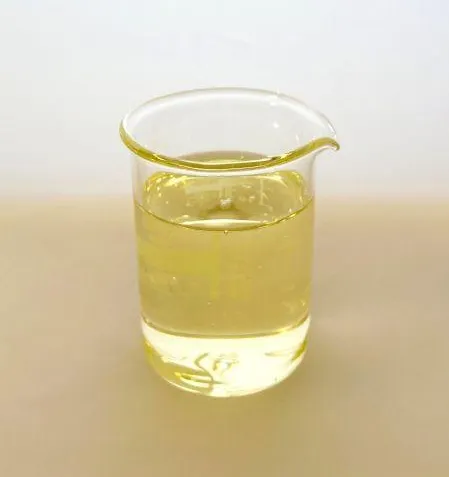
Oils help distribute pigments throughout the formula and allow lipstick to spread evenly across the lips. They also influence the product's shine, slip, and overall feel.
Common examples include:
- Castor oil: Widely used for its ability to disperse many cosmetic pigments and support a smooth application.
- Jojoba oil: A liquid wax ester often used as an emollient.
- Mineral oil: A refined ingredient used to provide lubrication and soften the skin.
- Plant oils and cosmetic esters: Ingredients selected for their spreading properties, texture, and compatibility with other formula components.
The balance between oils and waxes is crucial. A formula with more liquid emollients may feel softer and look shinier, while a formula with a firmer wax structure may produce a more solid, controlled application.
3. Butters and Emollients: What Makes Lipstick Feel Moisturizing?
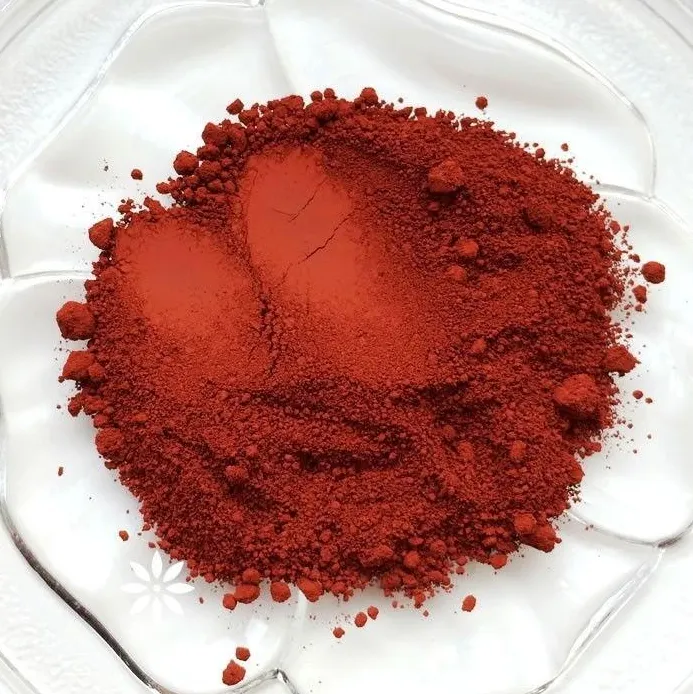
Emollients help soften the skin and improve the sensory experience of applying lipstick. Some also help reduce moisture loss by supporting the skin's surface barrier.
Common examples include:
- Shea butter: Used to improve softness and provide a creamy feel.
- Cocoa butter: A fat that can contribute richness and structure.
- Caprylic/capric triglyceride: An emollient valued for its lightweight feel and spreading properties.
- Isopropyl myristate: An ester used in some cosmetic formulas to improve slip and spreadability.
These ingredients are particularly relevant in moisturizing lipsticks, although the final effect depends on the entire formulation rather than any single ingredient.
4. Pigments and Colorants: How Does Lipstick Get Its Color?
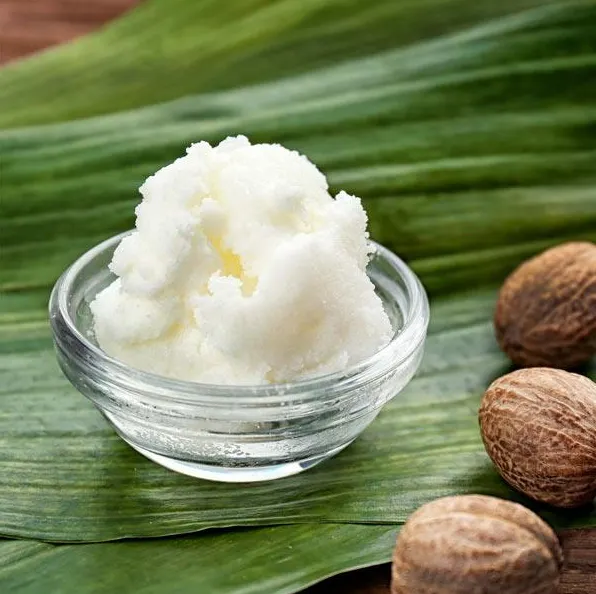
Colorants determine a lipstick's shade, opacity, and visual character. A lipstick's appearance depends not only on the type of pigment used but also on its concentration, particle characteristics, and dispersion throughout the formula.
Common cosmetic colorants include:
- Iron oxides: Used to create a range of red, brown, yellow, and black shades.
- Titanium dioxide: A white pigment that can increase opacity and modify the appearance of other colors.
- Approved red and pink colorants: Used to create shades ranging from soft rose to vivid red.
- Mica and effect pigments: Used to create pearlescent, shimmering, or metallic finishes.
Not every colorant approved for use in cosmetics is automatically permitted for lip products. Manufacturers must verify that each color additive is authorized for the intended application in the market where the product will be sold.
5. Antioxidants and Stabilizers: How Is Lipstick Kept in Good Condition?
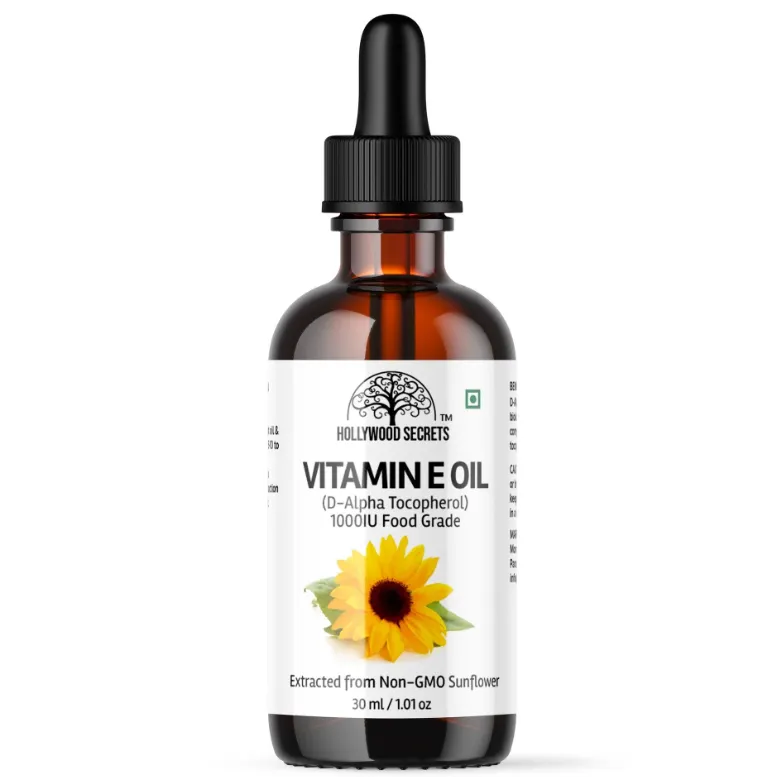
Oils and fats can deteriorate through oxidation, potentially affecting a product's odor, color, and overall quality. Antioxidants help slow these reactions and support formula stability.
Examples include:
- Tocopherol (vitamin E): Commonly used as an antioxidant in oil-based cosmetic formulations.
- BHT: An antioxidant used in some formulations, subject to applicable regulatory requirements.
- Other stabilizing ingredients: Selected to help maintain the desired texture and performance.
Antioxidants are not the same as preservatives. Antioxidants primarily slow oxidation, while preservatives are intended to control microbial growth when needed. Whether a lipstick requires a preservative depends on its formulation, manufacturing conditions, packaging, and risk assessment.
6. Fragrances and Flavoring Agents: Why Do Some Lipsticks Have a Scent?
Some lipsticks contain fragrance or flavoring ingredients to create a pleasant scent or taste. Others are formulated without them, particularly when a brand wants to minimize unnecessary fragrance exposure.
These ingredients may include cosmetic-grade fragrances and flavoring agents specifically suitable for lip products.
Their use requires careful consideration because the skin around the lips can be sensitive, and some fragrance or flavoring ingredients may cause irritation or allergic reactions in susceptible individuals. Fragrance-free formulations can be an option for people who prefer to avoid these ingredients.
How Do Lipstick Ingredients Change Its Finish?
Different lipstick finishes require different ingredient balances. A matte lipstick, for example, is formulated differently from a glossy lipstick, even when both products contain similar basic ingredient groups.
| Lipstick type | Typical formulation features | Result |
|---|---|---|
| Matte lipstick | Higher pigment loading, selected powders, and sometimes film-forming ingredients | Reduced shine and a matte appearance |
| Glossy lipstick | Gloss-enhancing oils and emollient esters | A reflective, shiny finish |
| Long-wear liquid lipstick | Film-forming polymers and, in some formulas, volatile carriers | A more persistent color film after drying |
| Moisturizing lipstick | Emollients, oils, and sometimes plant butters | A softer, more comfortable feel |
| Pearl or metallic lipstick | Mica and other effect pigments | Shimmering, pearlescent, or metallic effects |
These are general formulation patterns rather than universal rules. For example, not every matte lipstick contains the same powders, and not every long-wear product uses the same film-forming system.
A Sample Formula for Solid Lipstick
To understand how these ingredients work together, consider the following hypothetical formula for a conventional solid lipstick.
| Ingredient group | Example percentage |
|---|---|
| Castor oil | 35% |
| Beeswax | 15% |
| Carnauba wax | 5% |
| Other oils and emollient esters | 22% |
| Plant butter | 8% |
| Pigments | 12% |
| Antioxidants and other additives | 3% |
| Total | 100% |
This example illustrates how a formula can distribute its ingredients across several functional groups. It is not a validated manufacturing recipe or a recommendation for home production.
Actual proportions depend on the desired hardness, melting behavior, color intensity, application properties, stability, and regulatory requirements. The formula would need laboratory development and appropriate safety and quality testing before commercial use.
How Is Lipstick Manufactured?
Although production methods vary by product and manufacturer, conventional solid lipstick generally follows several main stages.
- Ingredient preparation: Waxes, oils, pigments, and other components are weighed according to the formula.
- Heating and melting: The waxes and compatible oil-phase ingredients are heated under controlled conditions.
- Pigment dispersion: Pigments are incorporated and dispersed to achieve a consistent color and minimize unwanted particles or streaks.
- Mixing and homogenization: The ingredients are blended to create a uniform mass.
- Molding and cooling: The mixture is poured into lipstick molds or suitable packaging and cooled under controlled conditions.
- Quality control: Finished products are checked for appearance, color uniformity, hardness, application performance, packaging compatibility, and stability.
Liquid lipsticks may require different processing steps, particularly when they contain volatile carriers or film-forming polymers.
What Should Manufacturers Check Before Selling Lipstick?
Choosing ingredients is only one part of developing a safe, reliable cosmetic product. Manufacturers must also consider the following factors.
- Ingredient safety: Every ingredient must be suitable for its intended use and concentration.
- Color additive compliance: Pigments and dyes must be permitted for use on the lips in the target market.
- Stability testing: The formula should be evaluated under appropriate storage and temperature conditions.
- Microbiological quality: Raw materials and finished products require controls appropriate to the formulation and manufacturing process.
- Packaging compatibility: The product must not cause unacceptable deterioration of its container or leak during storage.
- Regulatory compliance: Labeling, ingredient declarations, product safety obligations, and other requirements differ between markets, including the United States and the European Union.
A product's natural or plant-derived ingredients do not automatically make it safer than a formula containing synthetic ingredients. Safety depends on the specific substance, its purity, concentration, intended use, and the quality of the finished product.
The Science Behind a Simple Cosmetic Product
Lipstick is a good example of how cosmetic chemistry combines materials with very different functions. Waxes create structure, oils support smooth application, pigments deliver color, and emollients influence comfort and texture. Antioxidants and other carefully selected additives help the product maintain its intended performance.
The result is more than a colored stick. It is a carefully balanced formulation designed to deliver a specific appearance, feel, and level of performance while meeting applicable safety and quality requirements.
For consumers, understanding these ingredients can make product labels easier to interpret. For manufacturers, it highlights why successful lipstick development depends on ingredient selection, formulation testing, and regulatory compliance working together.