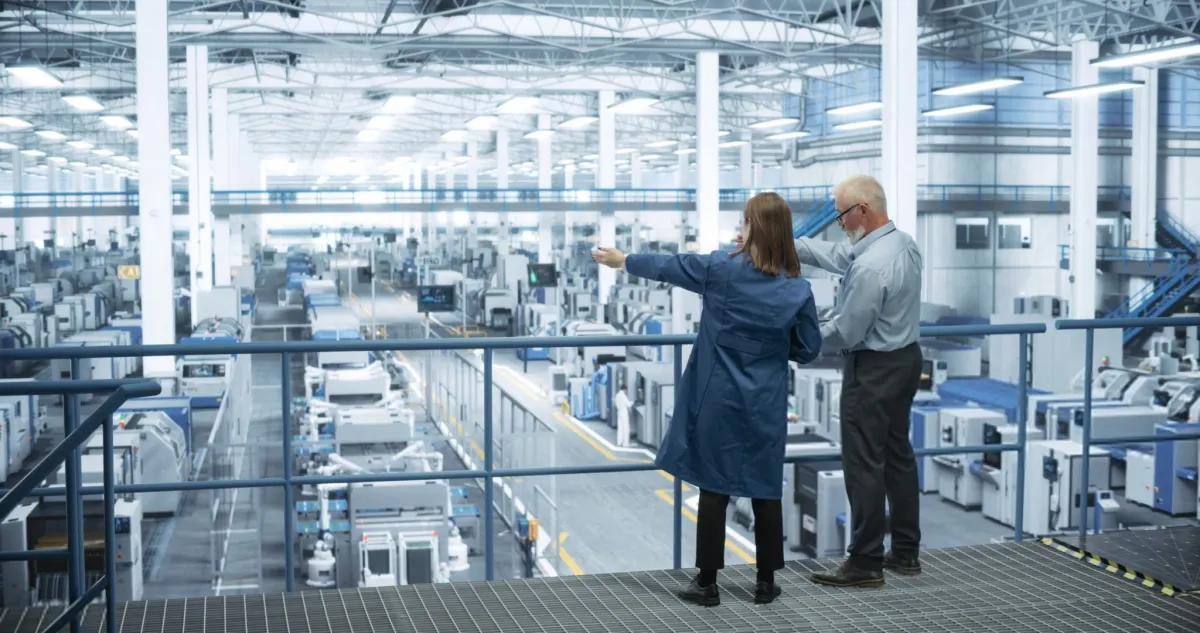

For decades, factories were typically designed to spread across large plots of land. Today, that model is changing. In cities and high-demand industrial zones, manufacturers are increasingly looking up instead of out.
The main reason is simple: land is expensive and limited. A multi-story factory can provide significantly more usable floor space on the same plot, allowing companies to expand production without purchasing a much larger site. Recent research describes vertical factories as a way to reduce land consumption while keeping production closer to urban markets and workers
But saving land is not the only advantage. Modern factories can use automated lifts, conveyors and vertical storage systems to move materials between floors. This makes multi-level production more practical than it was in the past. Some facilities can also place different operations—such as manufacturing, testing, storage and packaging—on separate levels.
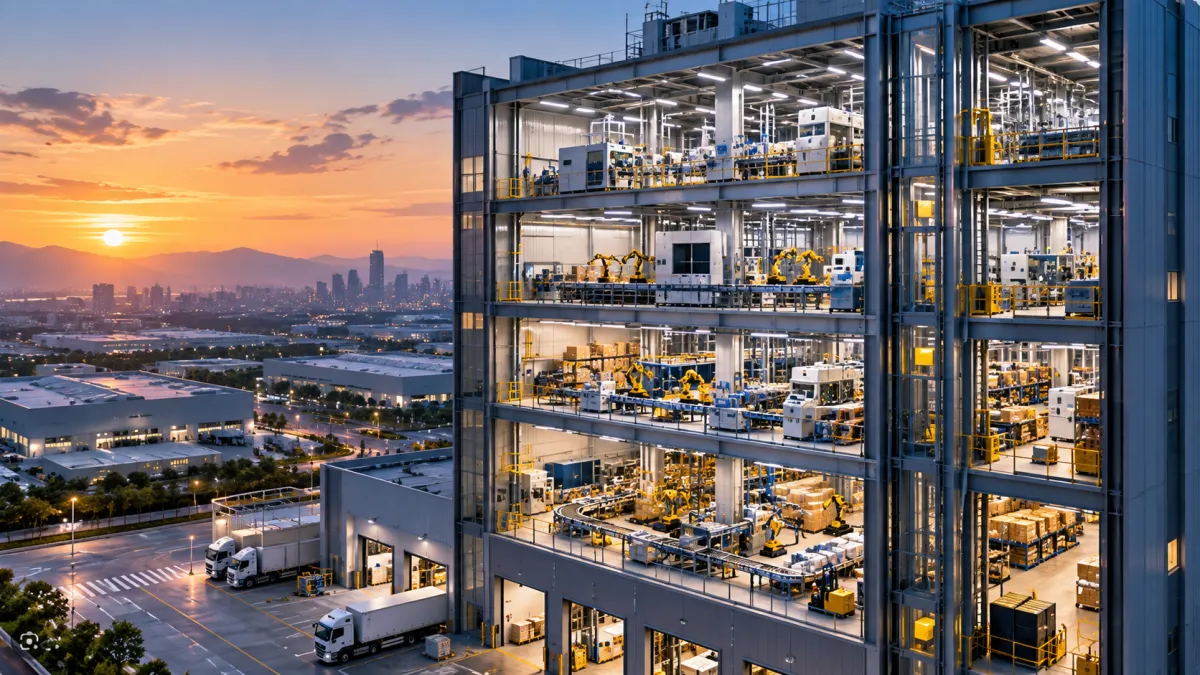
The trend is particularly relevant for electronics, high-tech manufacturing, urban logistics and other industries that need less floor space than traditional heavy manufacturing. In some cities, vertical factories are also helping manufacturers remain close to customers and transportation networks rather than relocating to distant industrial areas.
However, going vertical comes with challenges. Multi-story factories require stronger structures, carefully planned material flows, elevators or conveyors, and more complex fire-safety and engineering systems. Construction can also be more complicated and expensive.
The result is a new industrial design philosophy: when land becomes scarce, the next factory floor may not be beside the existing one—it may be above it.