
A Big Win for American Plane Builders
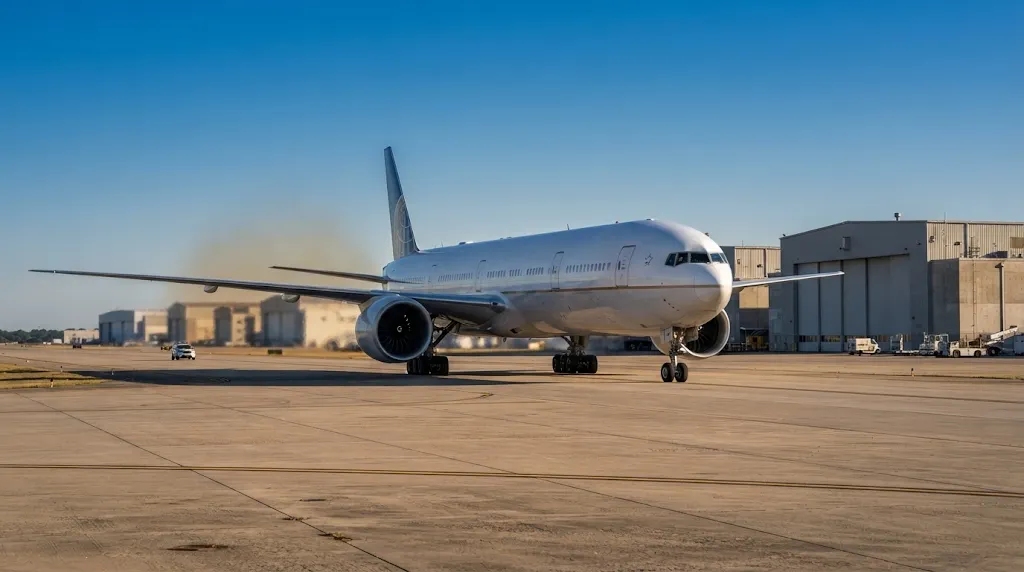
Boeing just earned a major green light from federal safety inspectors. The Federal Aviation Administration has approved key flight test milestones for the 737 Max 10, the largest jet in the popular plane family. This approval comes after years of hard work, careful reviews, and factory improvements. For Boeing's factory workers and engineers near Seattle, Washington, the news is a giant relief.
The 737 Max 10 can carry up to 230 passengers on domestic and beach vacation trips. It is Boeing's direct answer to rival planemaker Airbus, whose popular A321neo jet has sold very well. With flight testing approved, Boeing can focus on the final steps needed to deliver planes to waiting airlines. Here is why this plane matters and what passengers can expect.
Why Is Soccer in the United States So Weak? The Story of a Sport Overshadowed by American Football
The Clever Fix for a Stretched Airplane
Making an airplane longer is not as simple as adding extra metal in the middle. When an airplane gets longer, taking off from a flat runway becomes tricky. The Max 10 is over sixty feet longer than the original 737 models built decades ago. Because the body is so long, the plane's tail sits very close to the pavement when pointing up into the air.
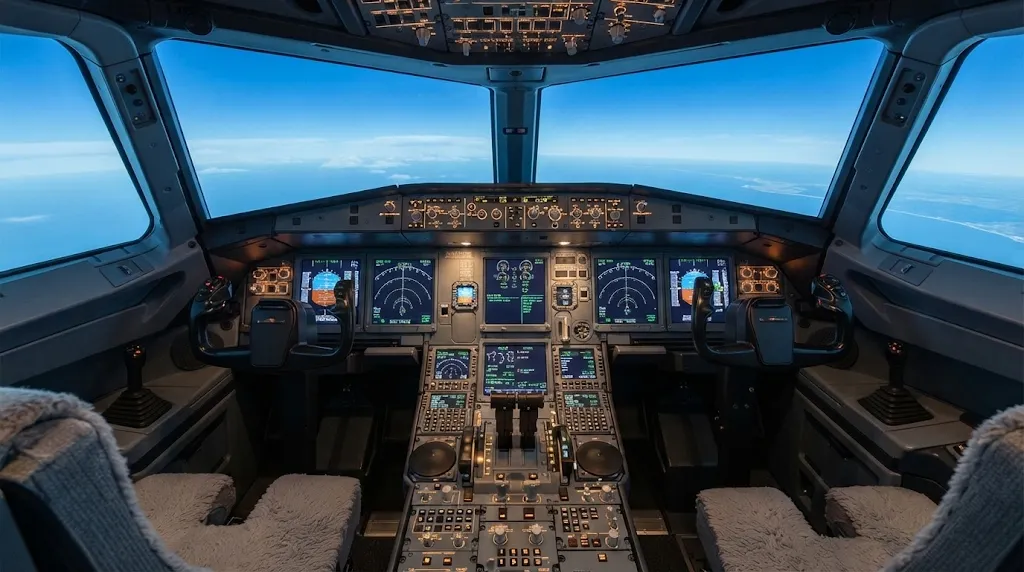
If a pilot pulled back on the steering wheel too fast, the metal tail could scrape the asphalt. Scrapes damage expensive parts and cause messy flight delays. To fix this problem without making the whole plane taller, Boeing engineers designed clever landing gear legs. As the plane lifts off, the back wheels extend down an extra few inches. That extra push lifts the tail higher into the air, keeping it safely away from the ground. Engineers also added modern safety screens in the cockpit so pilots get clear alerts at all times.
Airlines Are Waiting Eagerly for New Planes
Airlines around the world are thrilled by this testing news. Companies like United Airlines and Delta Air Lines ordered hundreds of these jets years ago and have been waiting patiently. Over the last few summers, airports were packed with travelers, but airlines did not have enough modern planes to fly everyone. That forced airlines to keep flying noisy older planes that burn lots of fuel.
The Max 10 uses about twenty percent less fuel for every passenger seat compared to older jets. With jet fuel prices high, those savings add up to millions of dollars each month. Airlines hope these efficient new jets will help keep ticket prices fair on busy holiday routes. They also let airlines fly non-stop between smaller cities that cannot fill giant double-decker planes.
| Airplane Model | Passenger Seats | Flight Distance | Main Competitor |
|---|---|---|---|
| Boeing 737 Max 10 | Up to 230 seats | About 3,500 miles | Airbus A321neo |
| Boeing 737 Max 8 | Up to 178 seats | About 4,000 miles | Airbus A320neo |
| Airbus A321neo | Up to 244 seats | About 4,600 miles | Boeing 737 Max 10 |
| Older Boeing 757 | Up to 228 seats | About 4,500 miles | Aging planes being retired |
Tougher Factory Rules and Careful Checks
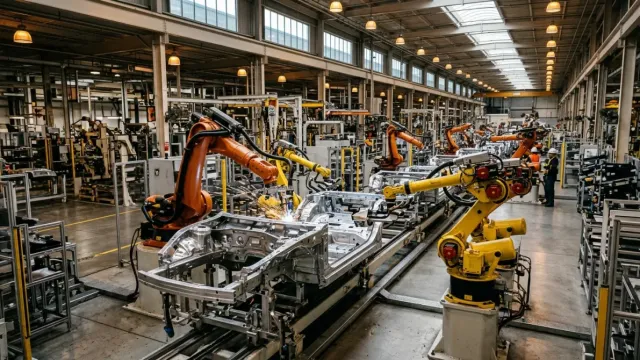
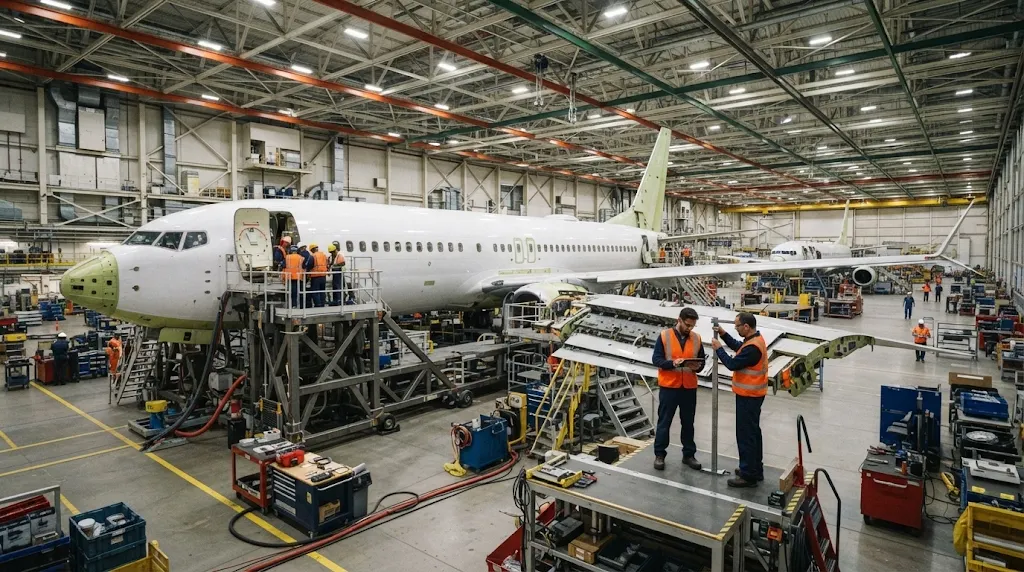
Getting this plane approved took longer than expected because federal regulators put Boeing's factories under a magnifying glass. Safety watchdogs wanted to be certain that every tool and bolt met high standards. Government inspectors spent months walking factory floors in Washington state. They watched workers put together wings, test hydraulic lines, and install emergency doors.
Boeing welcomed these strict reviews and changed how workers report small issues on the line. Now, any factory employee can pause work immediately if a part does not look right. Aviation safety experts say this slow, careful path was necessary to earn back public trust. Rushing planes out the factory door is never worth the risk when people's lives are on the line. By putting safety and build quality ahead of delivery speed, Boeing is getting back to the careful engineering roots that made it famous.
What Travelers Will Notice Inside the Cabin
For everyday passengers, stepping onto a 737 Max 10 will feel much more pleasant than flying on an older jet. The cabin uses gentle curved walls and soft lighting that changes colors with the time of day. Morning flights use warm sunrise tones, while evening flights use soft twilight colors to help you sleep. That gentle lighting helps travelers arrive at their destination feeling fresh rather than tired.
The overhead luggage bins are also much bigger and pivot down smoothly. You can slide your roller bag in on its side like a book on a shelf, meaning no more fighting for bin space. Modern quiet engines also cut down on background humming during the flight. You can listen to music, watch movies, or talk with family without having to raise your voice.
The Race to Build Great Airplanes
Earning FAA flight test approval is a wonderful milestone, but Boeing still has plenty of work ahead. European rival Airbus has built an impressive lead with its popular family of jets. Boeing's next big challenge is building these new planes on schedule without making mistakes. Engine builders, metal suppliers, and seat makers must all deliver their parts on time.
Airlines that ordered these planes years ago are watching the calendar closely. Delivering planes with great quality is the only way Boeing can stay at the top of the airplane business. Competition between plane makers is fantastic news for the traveling public. When two great companies compete, airplanes become safer, quieter, and much friendlier to the planet.
Modern airplanes also use lightweight metals and strong composite parts that never rust or wear down quickly. That means planes spend less time parked inside repair hangars and more time flying families to vacation spots. Pilots also enjoy flying these updated planes because modern touchscreens and smart computers handle routine tasks smoothly. That extra help lets flight crews focus all their attention on flying safely from runway to runway. As airlines prepare to welcome the 737 Max 10 into service, travelers can look forward to smooth, comfortable trips to their favorite destinations. Modern airplanes with quiet engines, spacious overhead luggage bins, and fuel-saving wings ensure travelers enjoy safe, comfortable flights on their favorite vacation trips.