
Imagine holding a $100 bill that looks so authentic it can fool bank employees, cash-counting machines, and even experienced counterfeit investigators. That is exactly what made the Superdollar, also known as the Supernote, one of the most fascinating and controversial counterfeit currency cases in modern history.
For decades, these near-perfect fake banknotes have fueled international investigations, intelligence reports, and political debates. Yet despite years of scrutiny, one crucial question still has no definitive answer: Who actually made them?
What Is a Superdollar?
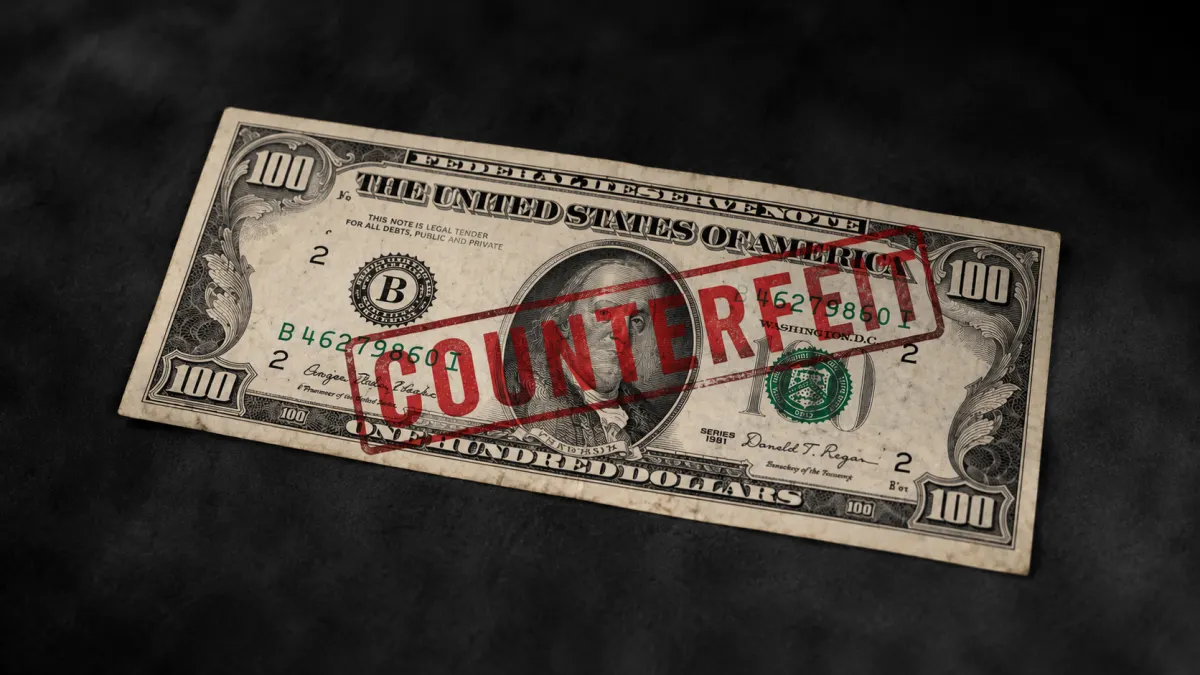
The term Superdollar refers to an exceptionally high-quality counterfeit U.S. $100 bill designed to closely replicate genuine American currency.Unlike ordinary counterfeit notes produced with commercial printers, Superdollars were manufactured using techniques that closely resembled those employed in official banknote production. Their remarkable accuracy made them extraordinarily difficult to detect, even by professionals.
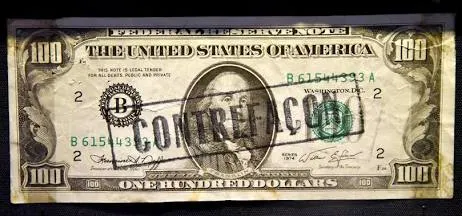
As a result, many experts consider the Superdollar one of the most advanced counterfeit currencies ever discovered.
Why Did the Superdollar Gain Worldwide Attention?
Counterfeit money is nothing new, but the Superdollar was different.Its creators appeared to replicate many of the complex security elements found on genuine U.S. currency, including:
- Highly detailed intaglio (raised) printing
- Paper closely resembling authentic cotton-based banknote stock
- Embedded security threads
- Watermarks
- Microprinting
- High-quality security inks
- Accurate serial number formatting
Because of these features, some early counterfeit detection systems reportedly struggled to distinguish certain Superdollars from genuine notes.
Read More
Was North Korea Really Behind the Superdollar?
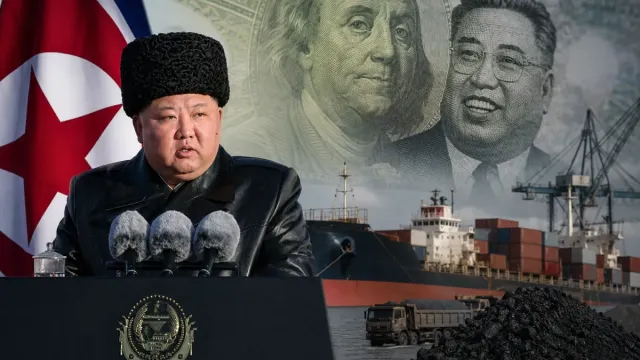
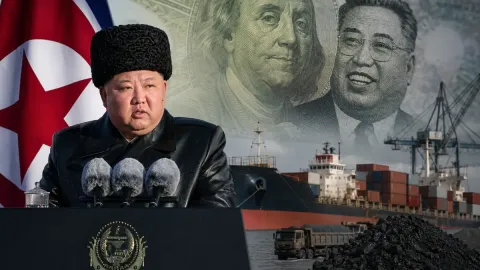
One of the most widely discussed theories is that the counterfeit notes were produced by the government of North Korea.For years, U.S. officials alleged that the country manufactured Superdollars as part of an effort to obtain foreign currency and evade international sanctions. Several investigations and intelligence assessments pointed toward North Korea, making the allegation a major topic in global security discussions.
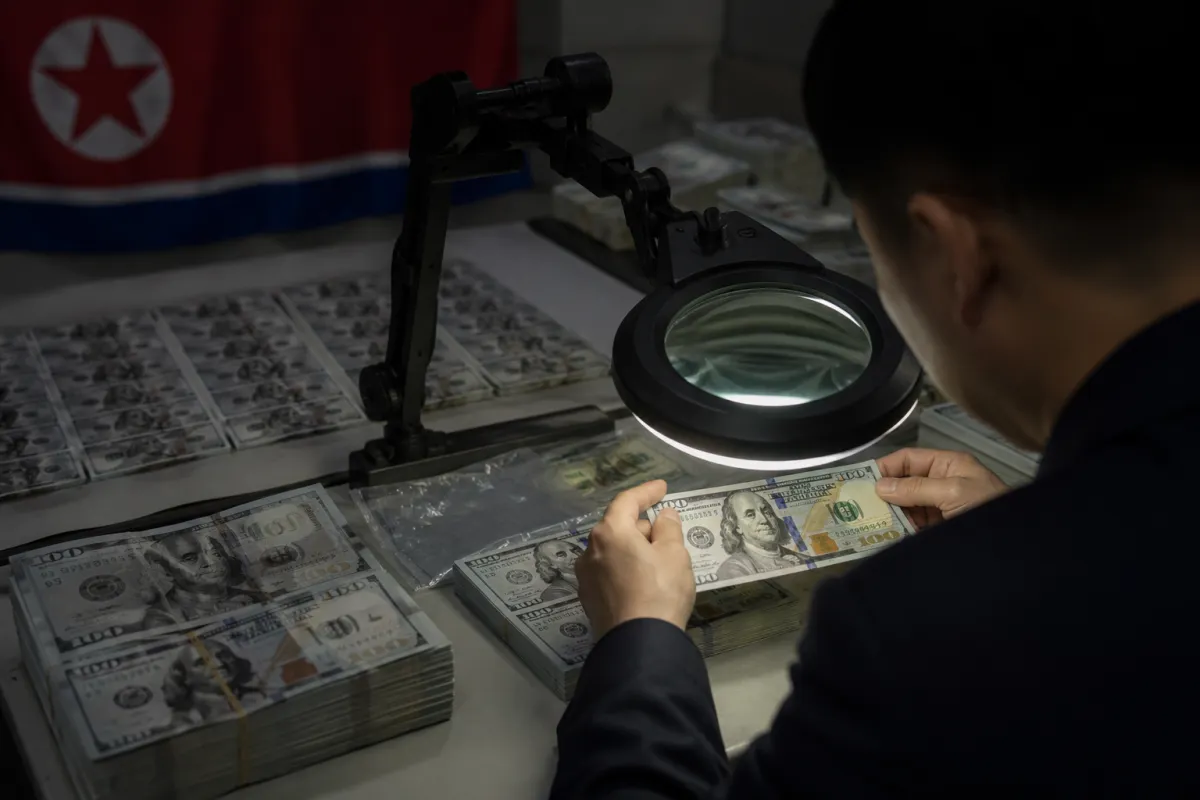
However, no publicly available evidence has conclusively proven that the North Korean government produced the Superdollar. While many analysts believe the theory is plausible, others argue that the full story has never been definitively established.
Could Organized Crime Have Produced Them Instead?
Not everyone agrees with the government-backed theory.Some counterfeit experts believe the operation may have been carried out by a highly sophisticated international criminal network with access to specialized printing equipment and technical expertise.
Others suggest that producing banknotes of this quality would have required resources typically associated with a state-level operation rather than a conventional criminal enterprise.This ongoing disagreement is one reason the Superdollar remains one of the greatest unsolved mysteries in the history of financial crime.
How Were Superdollars Made?
The exact production process has never been publicly confirmed.However, specialists believe the counterfeiters likely relied on advanced printing technologies rarely available outside government security printing facilities.
These methods may have included:
- Multi-stage printing processes
- Precision-engraved printing plates
- Specialized cotton-based banknote paper
- Security-grade inks
- Rigorous quality control procedures
The extraordinary level of craftsmanship has fueled speculation that the operation had access to resources far beyond those of ordinary counterfeiters.
How the United States Responded
The emergence of Superdollars prompted U.S. authorities to strengthen the security of American currency.The redesigned $100 bill introduced several advanced anti-counterfeiting measures, including:
- A 3D blue security ribbon
- The Bell in the Inkwell feature
- Color-shifting ink
- Enhanced microprinting
- Improved watermark technology
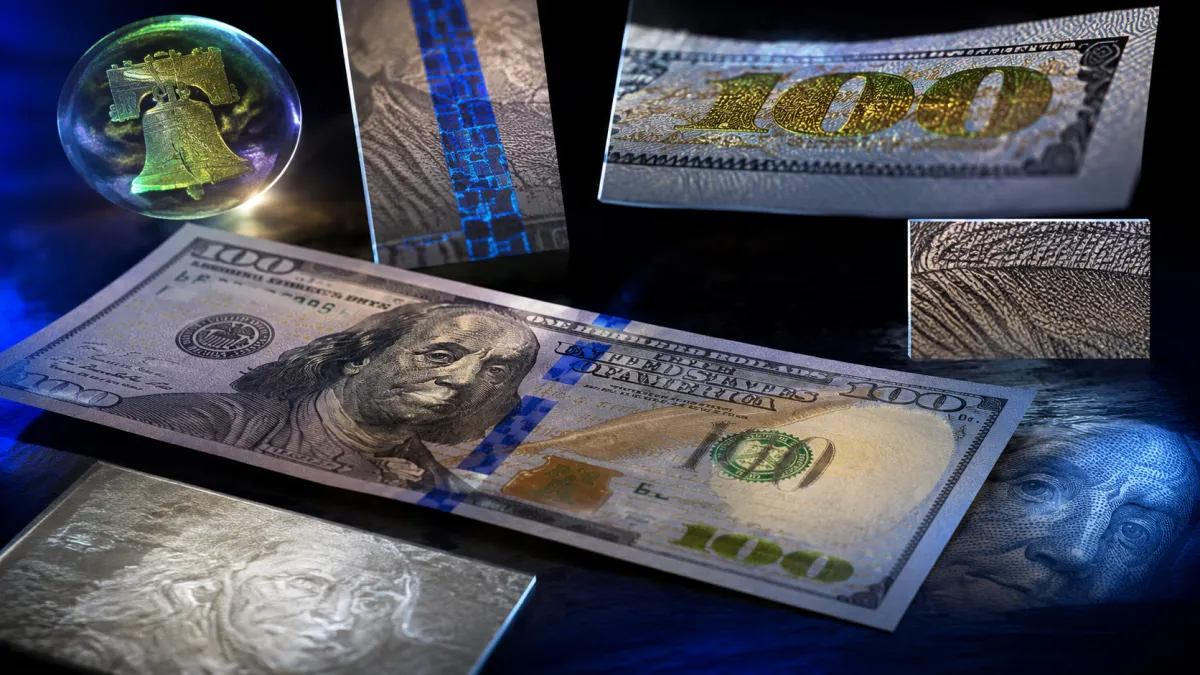
These additions significantly increased the difficulty of producing convincing counterfeit notes.
Are Superdollars Still in Circulation?
Reports of Superdollar discoveries were far more common during the 1990s and early 2000s than they are today.Experts believe improved security features, more advanced counterfeit detection technology, and greater international cooperation have made producing notes of comparable quality far more difficult.
Although isolated counterfeit cases continue to emerge, the original Superdollar phenomenon appears to have become far less common.
Can You Identify a Superdollar?
Not simply by looking at it.
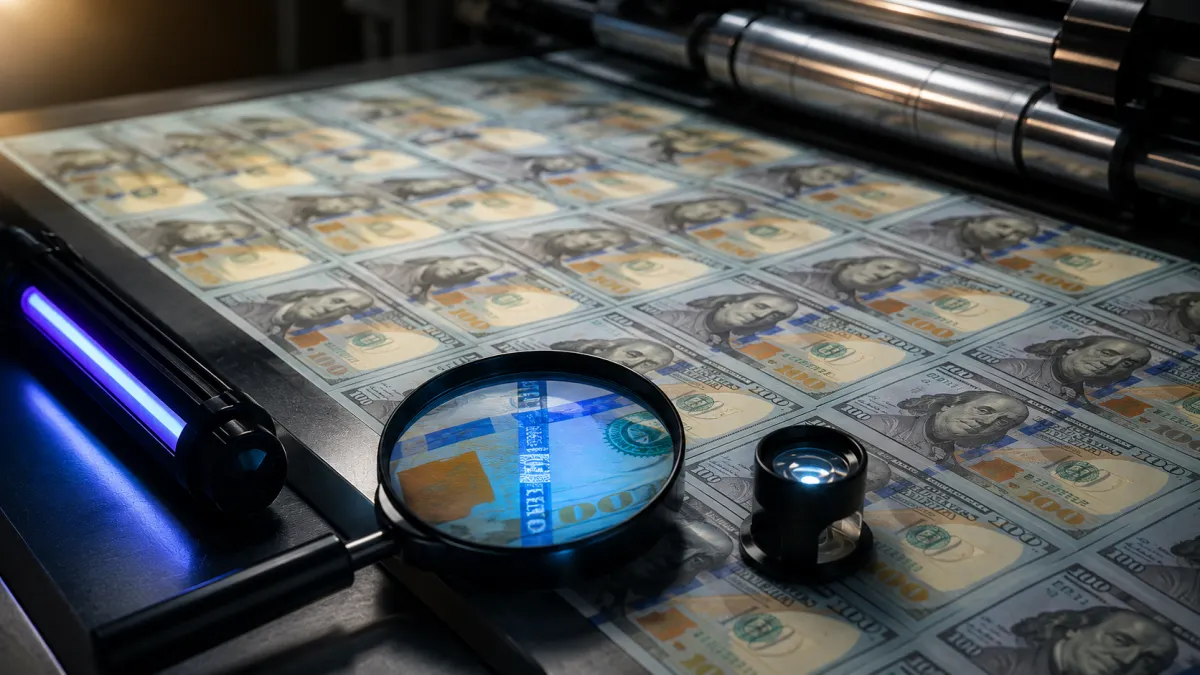
A well-preserved older $100 bill is not automatically a Superdollar. Professional examiners typically evaluate multiple characteristics, including:
- Raised printing quality
- Paper composition
- Security thread placement
- Watermarks
- Serial number consistency
- Ink and fiber analysis
In many cases, laboratory testing is required to determine whether a note is genuine or counterfeit.
Why Does the Superdollar Still Fascinate Experts?
More than three decades after the first reports surfaced, the Superdollar continues to spark debate among investigators, historians, and currency specialists.Some remain convinced that North Korea was responsible. Others believe a sophisticated international criminal organization was behind the operation. Without definitive public evidence, the true origin of these remarkable counterfeit bills remains unresolved.
What is clear, however, is that the Superdollar permanently changed how governments think about currency security and counterfeit prevention.