


 23 November 2026
Locks are essential parts of everyday life, helping control access to homes, offices, cabinets, storage spaces, and personal belongings. Although many locks serve a similar purpose, their designs, features, and typical applications can be quite different.
From traditional mechanical models to modern electronic systems, here are 13 common types of locks and the features that make each one distinctive.
15 Types of Wrenches Every DIY Enthusiast Should Know
From Traditional to Modern: 13 Types of Locks Explained
 Inside the List
13 Items
Deadbolt Lock
A common choice for exterior doors
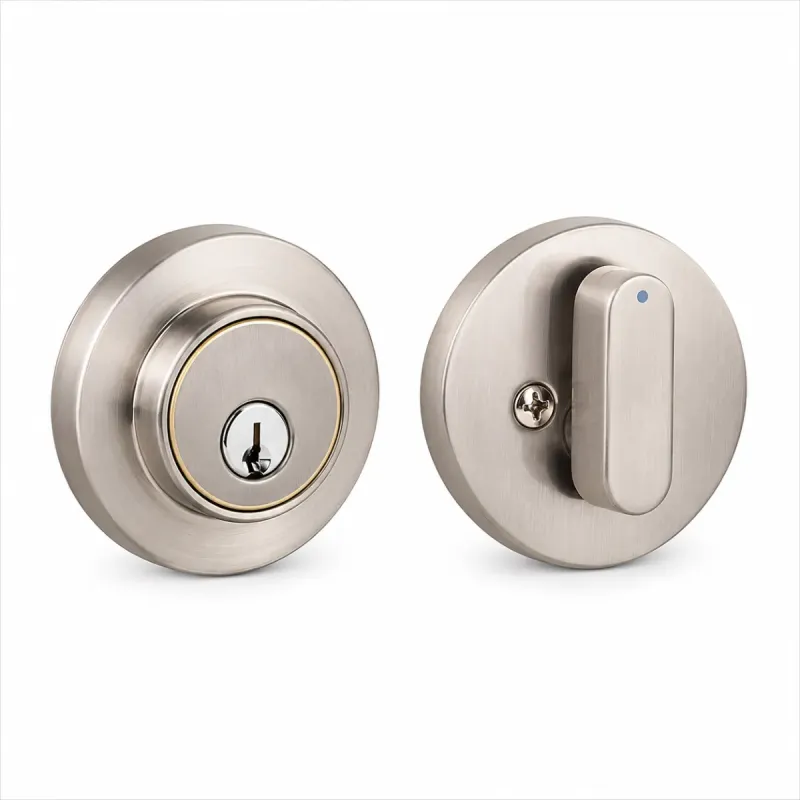
Deadbolt locks are commonly used on residential entrance doors alongside handle locks. They feature a bolt that moves between locked and unlocked positions without using a spring-loaded latch.
Knob Lock
A familiar lock built into a round doorknob
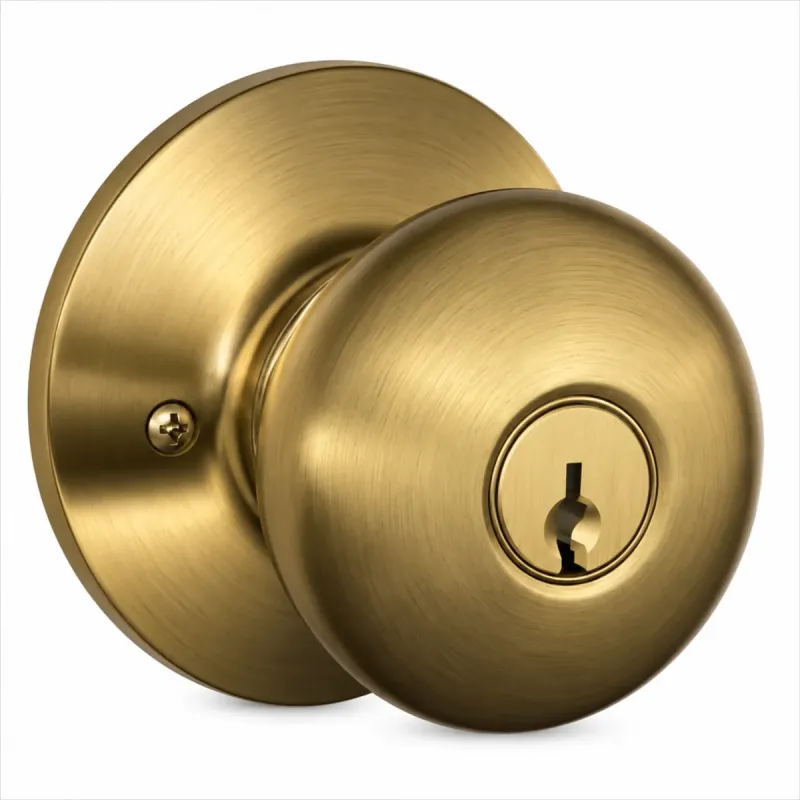
Knob locks combine a rounded door handle with a locking mechanism. They are commonly used on interior and some entrance doors, depending on the required security level.
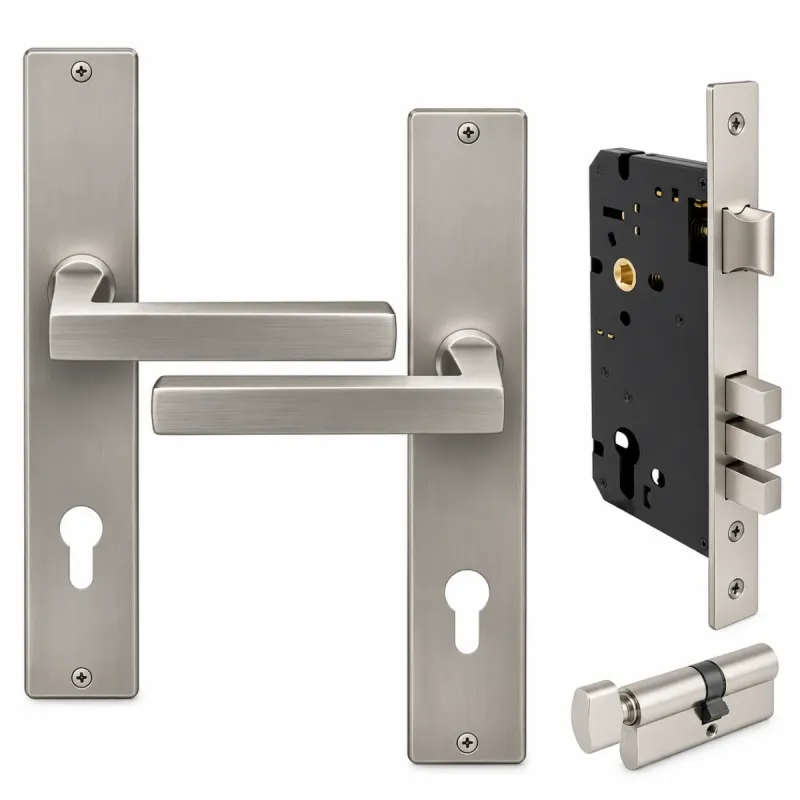
Lever Handle Lock
A practical lock with a horizontal handle
Lever handle locks have a horizontal handle that moves downward to open the door. They are common in homes and commercial buildings because they are easy to operate.
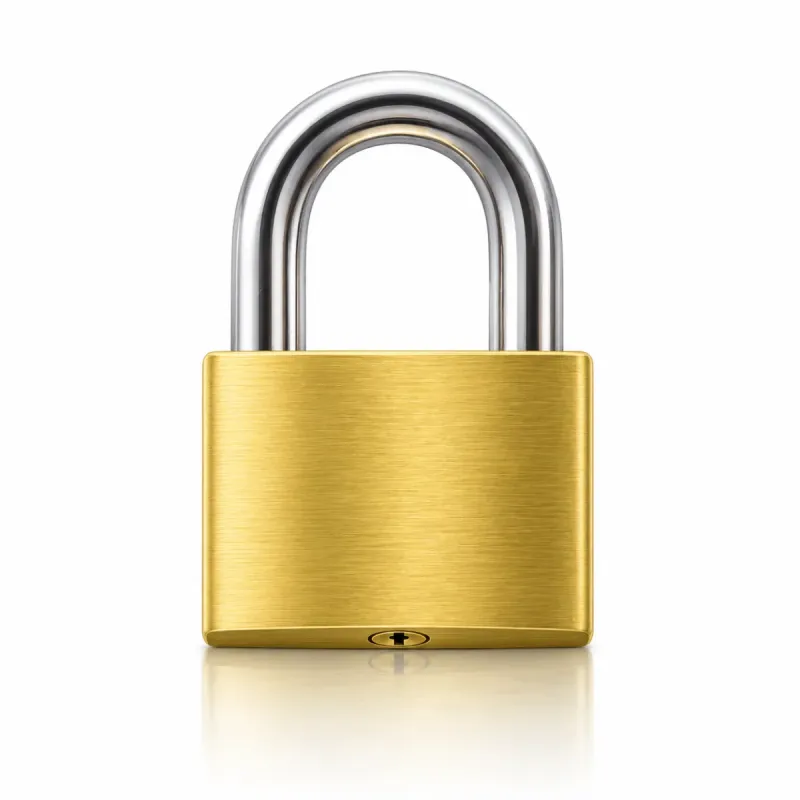
Padlock
A portable lock for separate objects
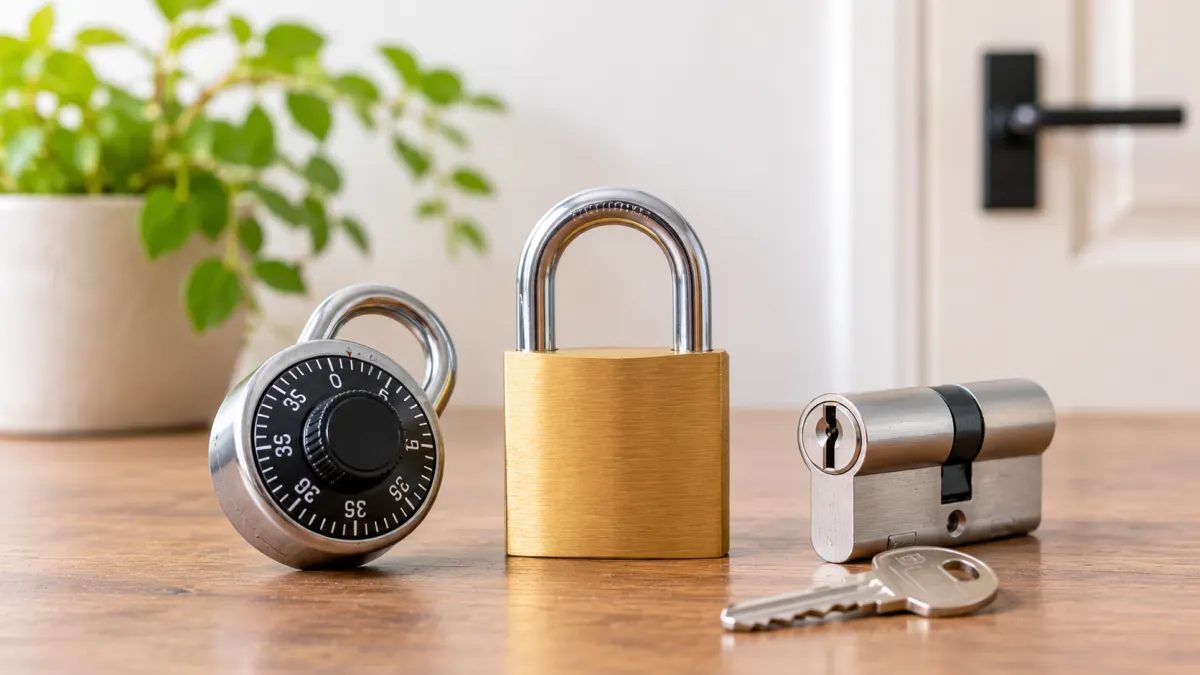
Padlocks are independent locking devices that do not need to be permanently built into a door. Their portable design makes them suitable for a variety of everyday storage and access-control applications.
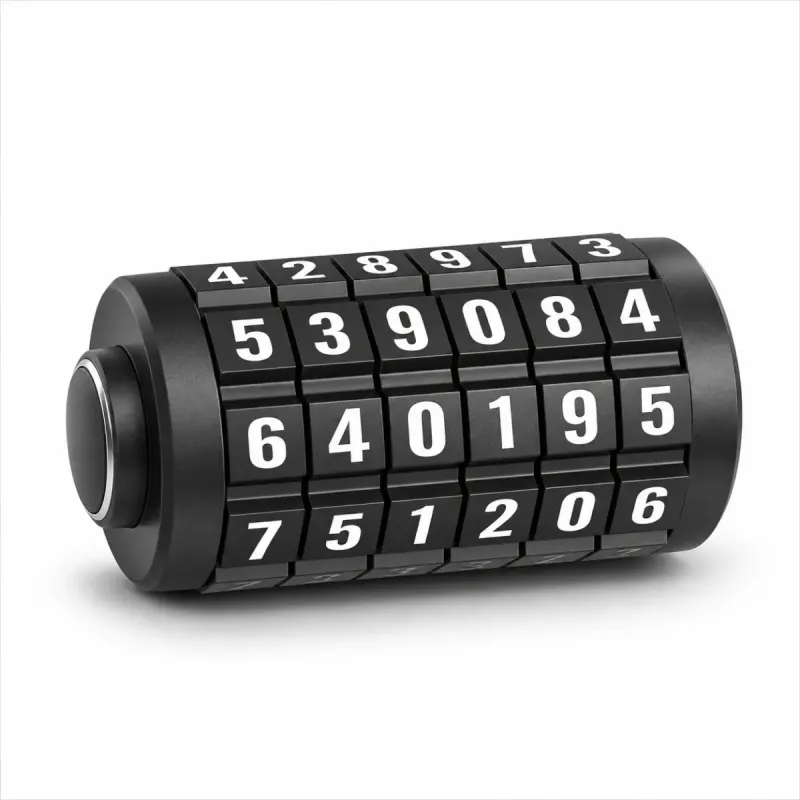
Combination Lock
Uses a numeric code instead of a traditional key.
Combination locks use a preset sequence of numbers or symbols to provide access and come in various sizes for personal and storage use.
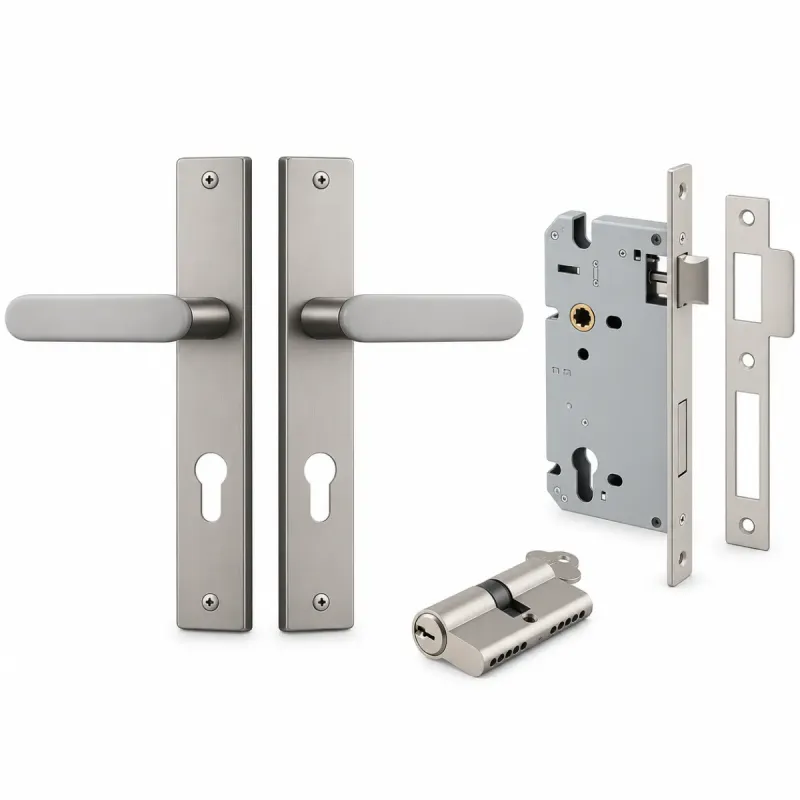
Mortise Lock
A built-in locking system for door edges
Mortise locks are designed to fit inside a rectangular recess in the edge of a door. Their assemblies can include several components, such as a latch, deadbolt, handle, and separate key cylinder.
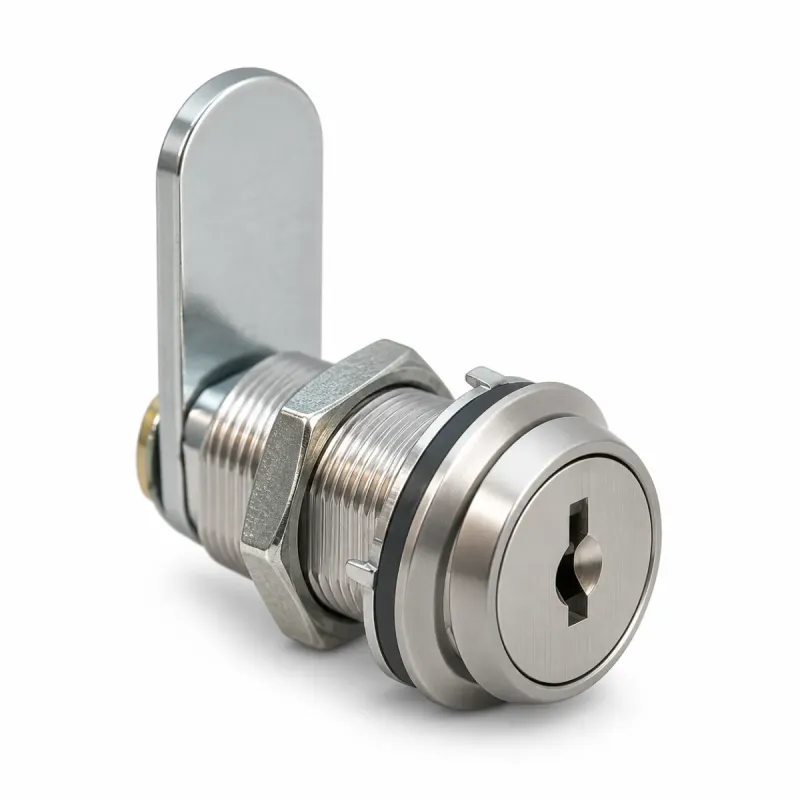
Cam Lock
A compact lock commonly used on cabinets
Cam locks are compact locking devices frequently installed in furniture and storage units. Their small and simple external appearance make them suitable for applications where a full-size door lock is unnecessary.
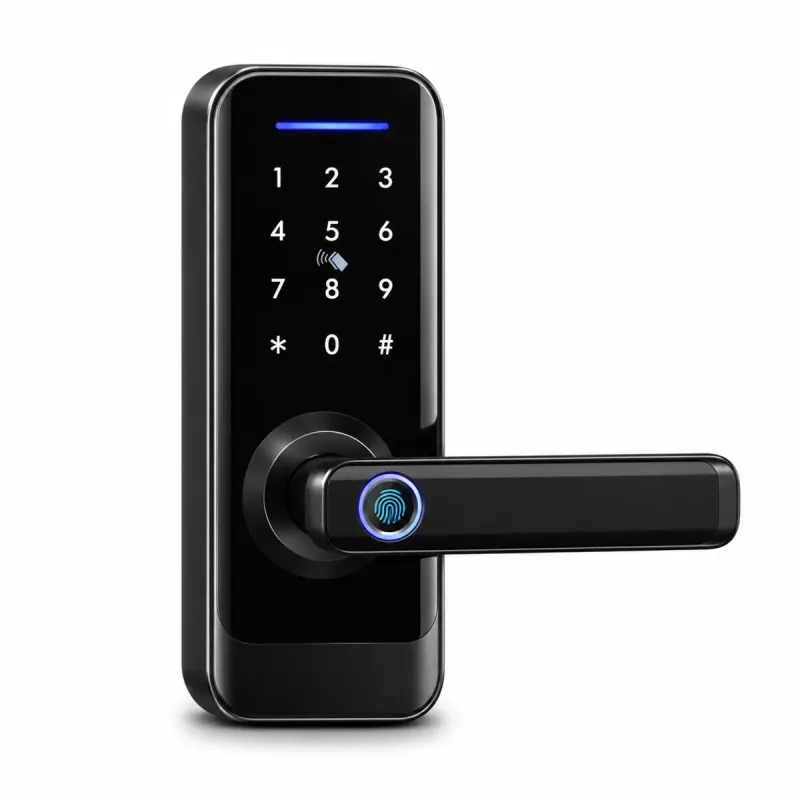
Electronic Keypad Lock
Provides access through a numeric code
Electronic keypad locks replace or supplement traditional key-based access with a numeric code. Depending on the design, they may include a handle, an electronic control panel, and additional access features.
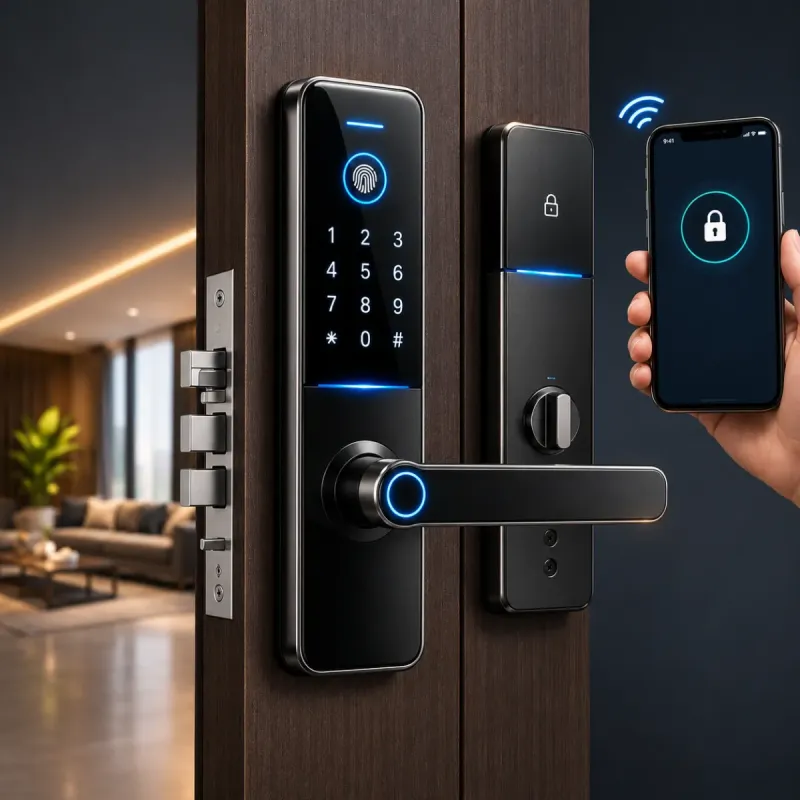
Smart Lock
Connects door access with digital technology
Smart locks use electronic technology to manage access to a door. Depending on the model, they may support smartphone applications, automatic locking features, or integration with a smart home system.
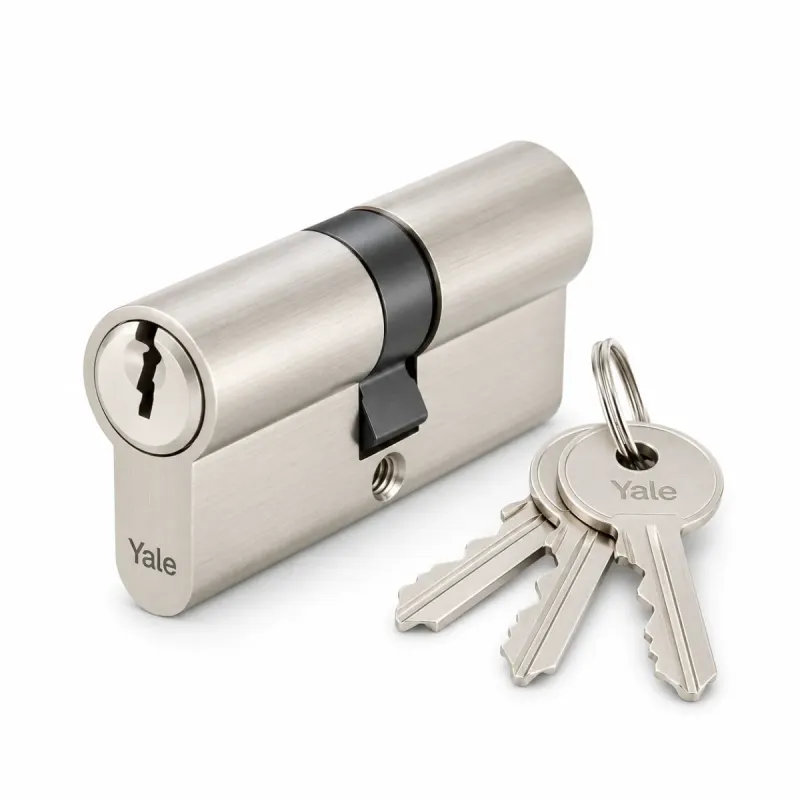
Cylinder Lock
A common key-operated locking component
Cylinder locks contain a key-operated component within a cylindrical housing. They are widely used in different door hardware designs, and their external appearance can vary according to the lock system and door type.
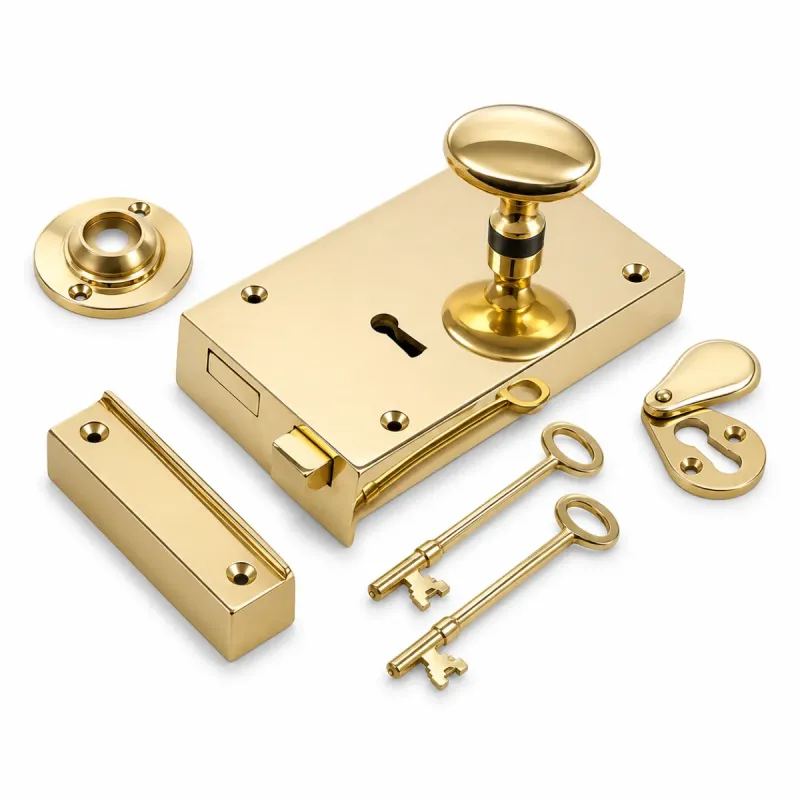
Rim Lock
A lock mounted on the door surface
Rim locks are mounted on the door's surface, with visible lock bodies and sometimes decorative metal designs.
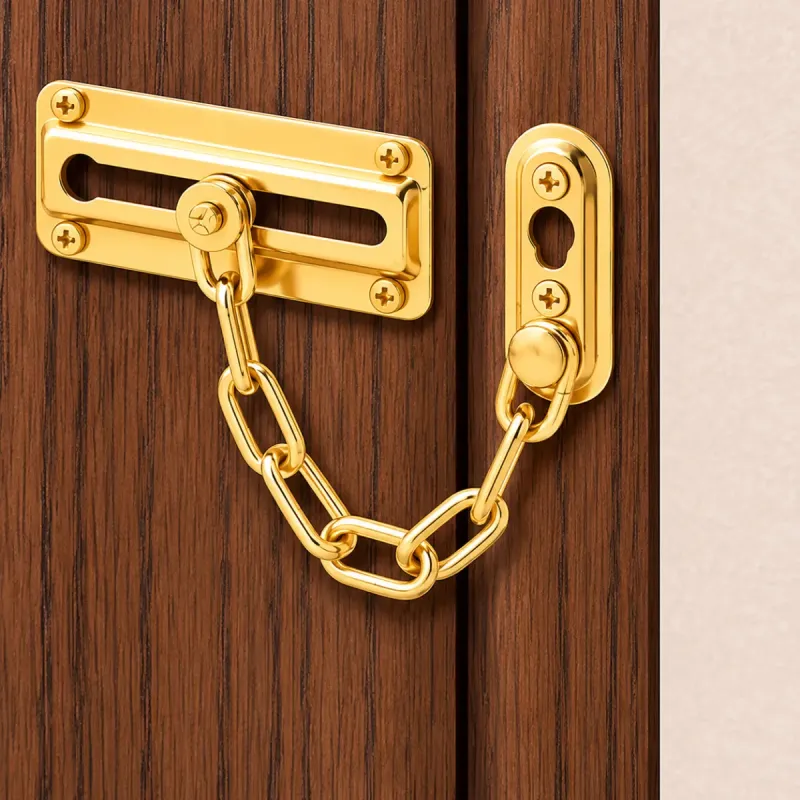
Chain Lock
A secondary door accessory for limited opening
Chain locks provide extra door security by allowing the door to open only slightly while the chain is attached. They are used alongside a main door lock.
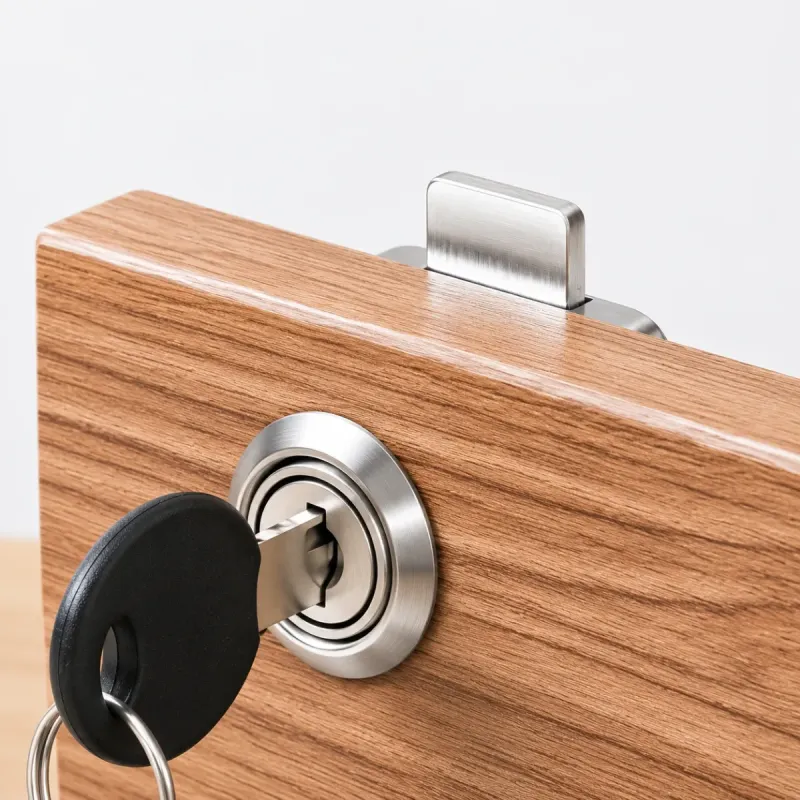
Cabinet Lock
Designed for drawers and storage furniture
Cabinet locks are small locks designed for furniture and come in various types, including key-operated and electronic models.