

 24 November 2026
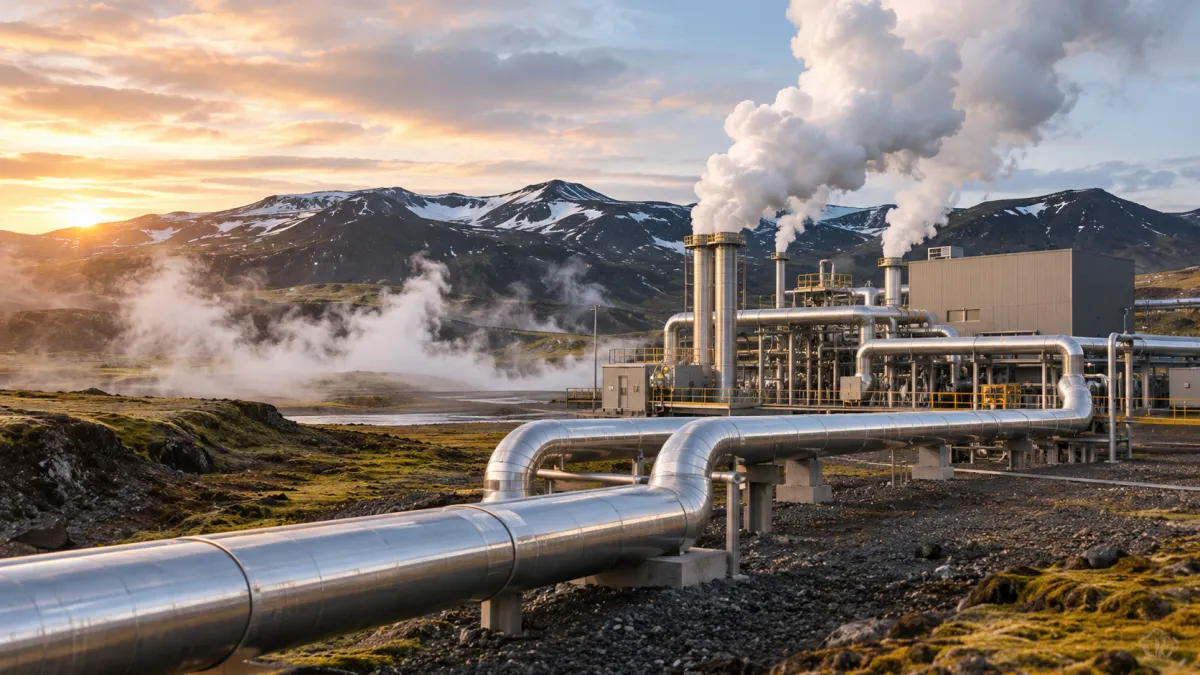
Enhanced geothermal systems (EGS) extract heat from deep underground rocks, even where natural water flow and rock permeability are insufficient for conventional geothermal power.
By combining deep geothermal drilling, engineered underground reservoirs, and advanced heat-extraction methods, this technology could make geothermal energy available across a much wider range of regions.
13 Key Technologies and Innovations Behind Enhanced Geothermal Systems
Read More
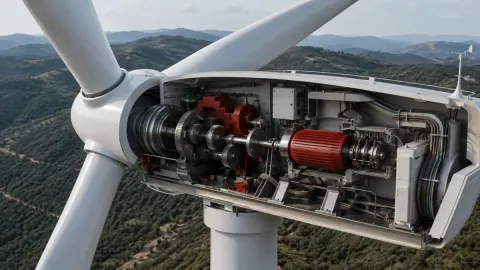
 Inside the List
13 Items
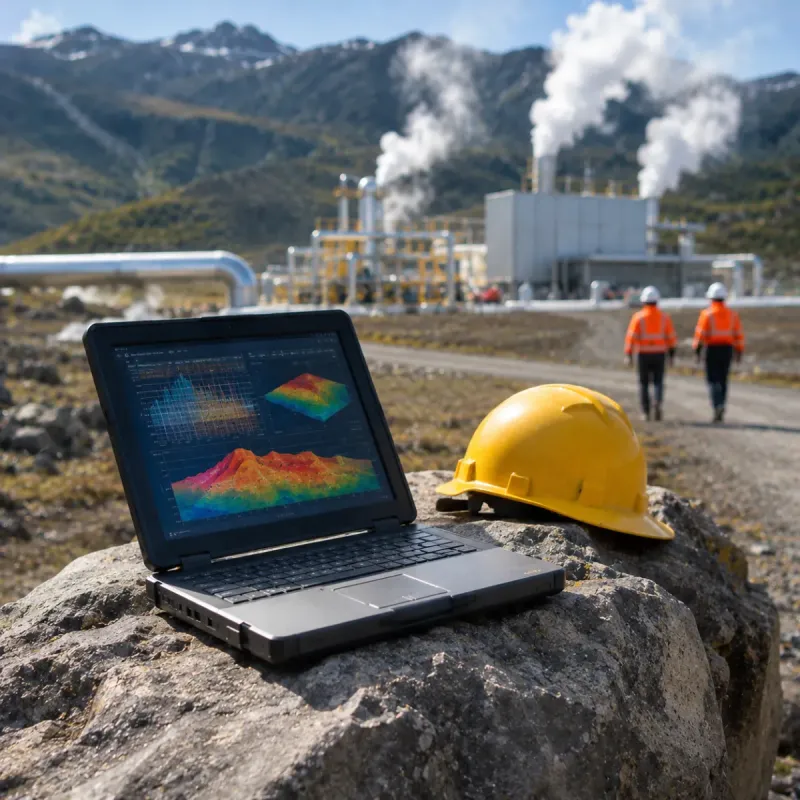
Cost and Performance Improvements Support Commercialization
Main Purpose: Reduce deployment costs
EGS development depends on lowering drilling costs, improving reservoir performance, and learning from demonstration projects. A Princeton analysis suggests that wider deployment and learning from the technology could make the systems increasingly competitive, although future capacity estimates depend on costs, policies, and geological conditions.
- Cost reduction
- Technology development
- Commercial scaling
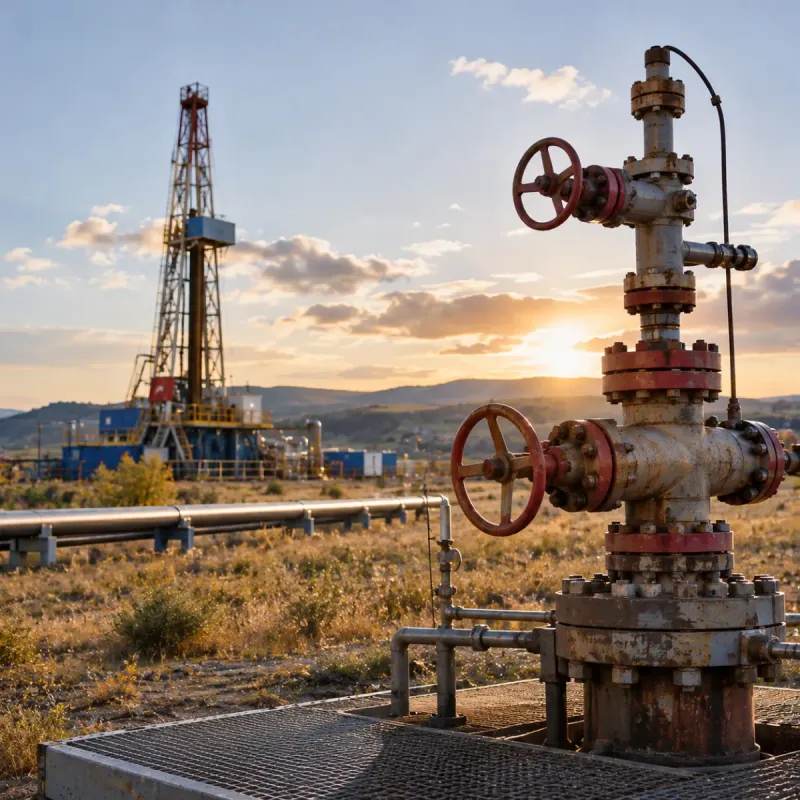
Existing Oil and Gas Wells Offer New Opportunities
Main Purpose: Expand geothermal access
Some inactive or unproductive oil and gas wells may provide opportunities for geothermal development through retrofitting. Existing industry knowledge, drilling equipment, and infrastructure could also support geothermal projects and reduce the need to develop every site from scratch.
- Existing wells
- Drilling expertise
- Infrastructure reuse
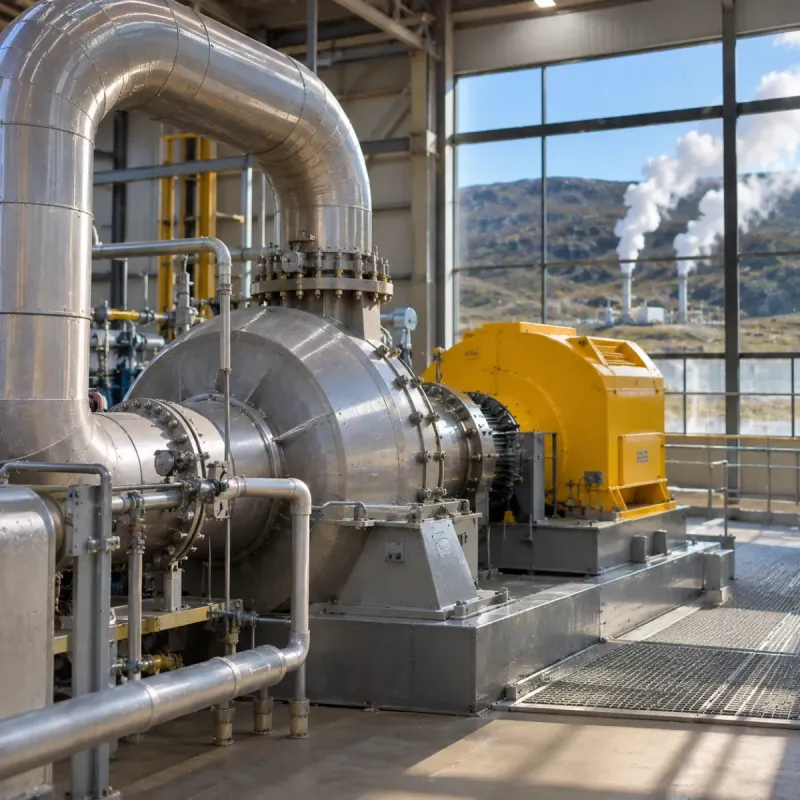
Geothermal Power Plants Convert Heat Into Electricity
Main Purpose: Produce electricity
At the surface, extracted hot water can produce steam directly or transfer heat to another working fluid. The resulting vapor drives a turbine connected to an electricity generator, converting underground thermal energy into usable power.
- Heat conversion
- Turbine operation
- Grid electricity
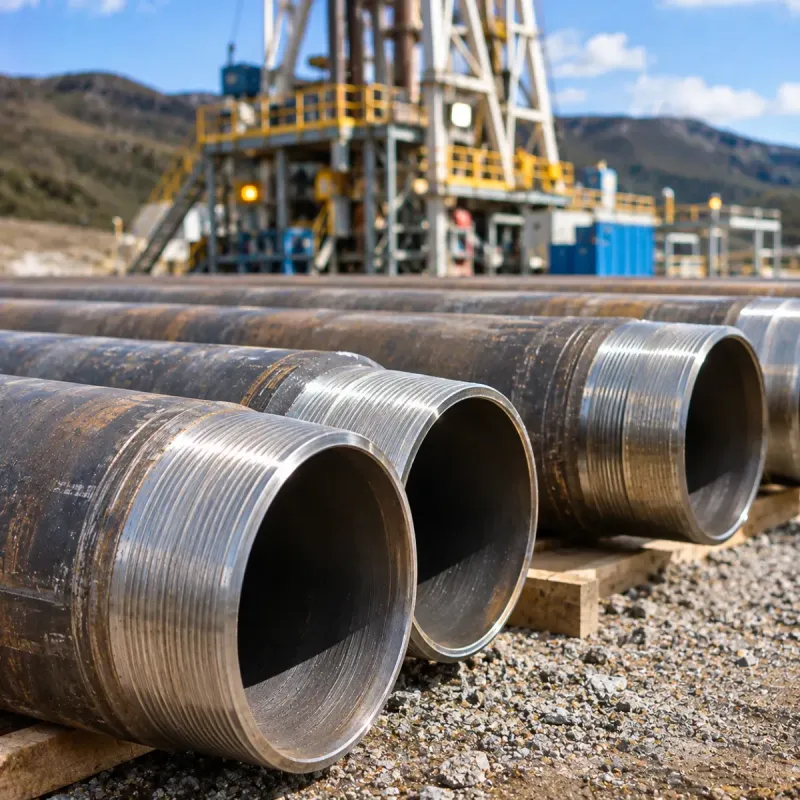
Advanced Well Construction Improves Reliability
Main Purpose: Protect geothermal wells
Well casings and cementing materials protect geothermal wells under demanding underground conditions. Developing materials and evaluation methods suited to high temperatures can reduce construction challenges, improve well performance, and lower overall project costs.
- Durable casing
- Advanced cementing
- Well assessment
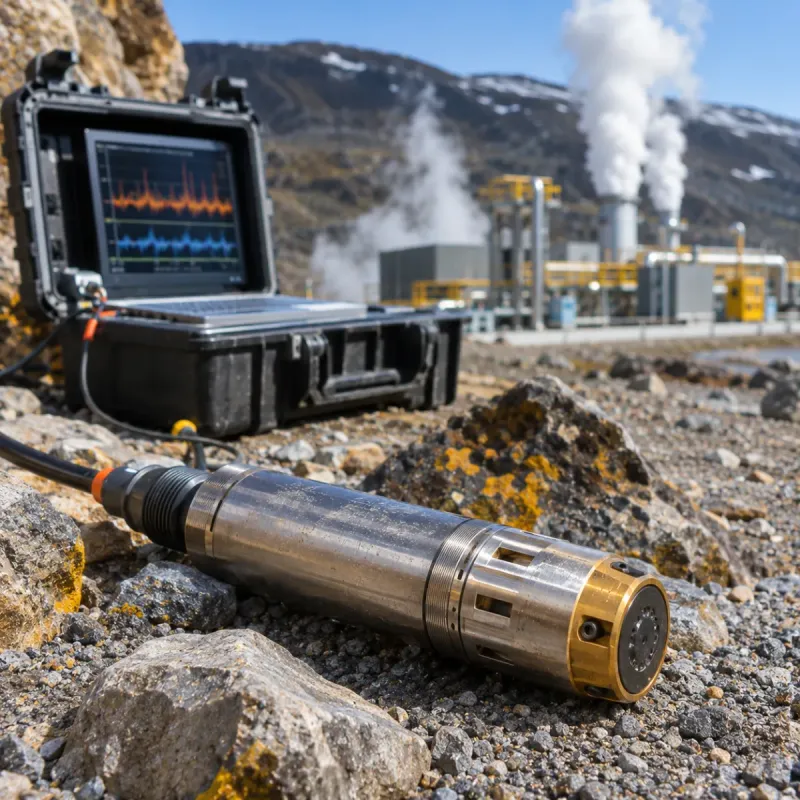
High-Temperature Sensors Monitor Underground Conditions
Main Purpose: Measure subsurface conditions
Specialized sensors and geothermal geophones help researchers collect information about underground reservoirs and operating conditions. These instruments must withstand high temperatures, hard rock, and corrosive fluids while providing data to support reservoir development and monitoring.
- Seismic monitoring
- Temperature measurement
- Reservoir data
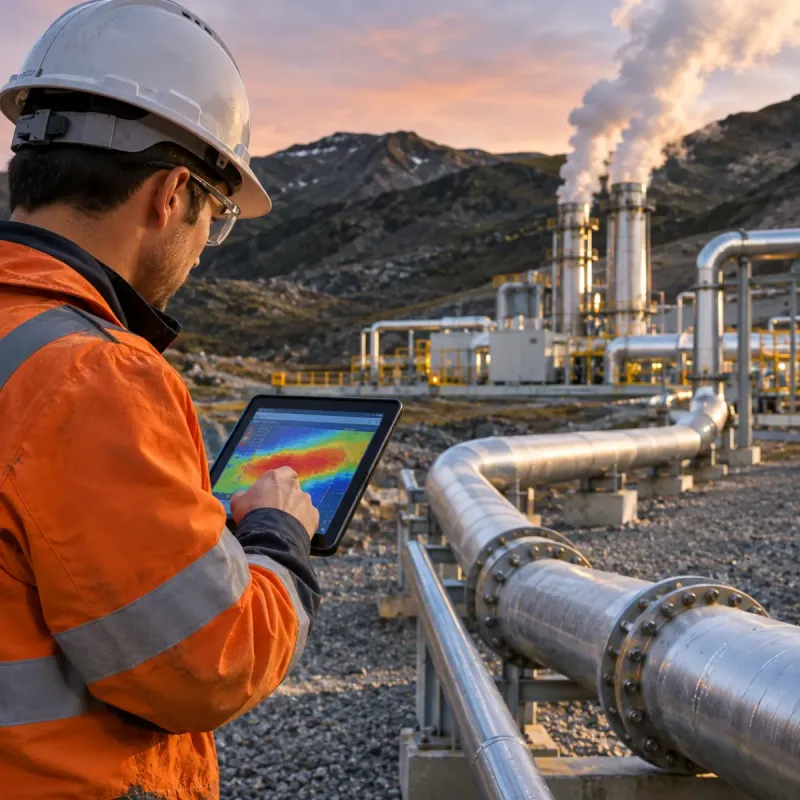
Hydraulic Flow Control Optimizes Heat Extraction
Main Purpose: Improve heat recovery
Controlling fluid movement inside an engineered reservoir is essential for effective heat recovery. Researchers are developing methods to modify fracture permeability, helping distribute fluid through the rock and improve reservoir efficiency and operating life.
- Flow management
- Permeability control
- Reservoir longevity
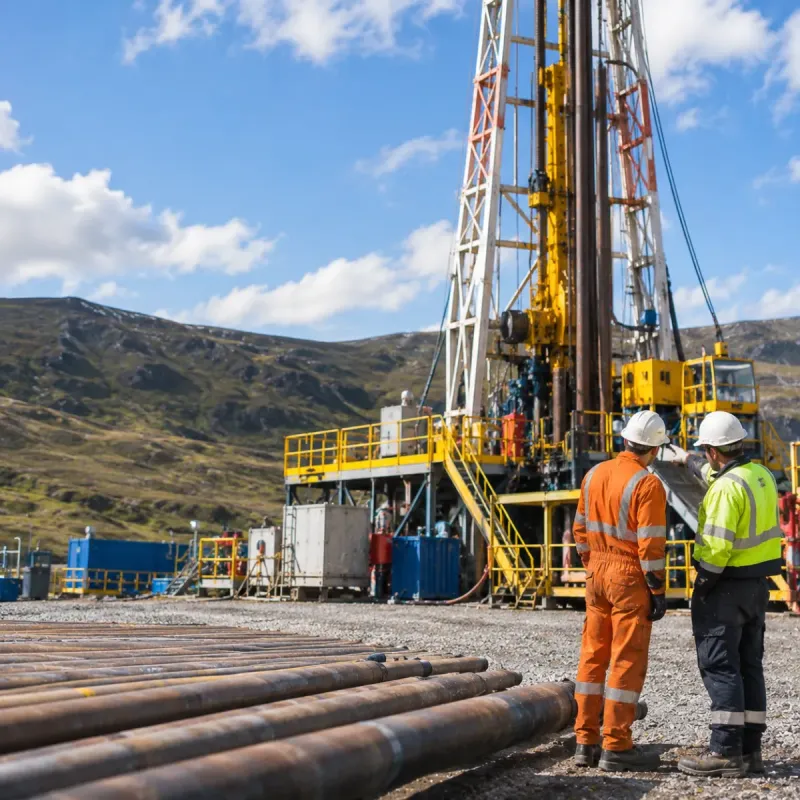
Horizontal and Multistage Wells Improve Reservoir Development
Main Purpose: Improve reservoir connectivity
Advanced well configurations can help connect larger sections of a geothermal formation. EGS research examines horizontal drilling and multistage stimulation to improve access to underground rock and create more extensive fluid pathways.
- Horizontal wells
- Multistage drilling
- Extended access
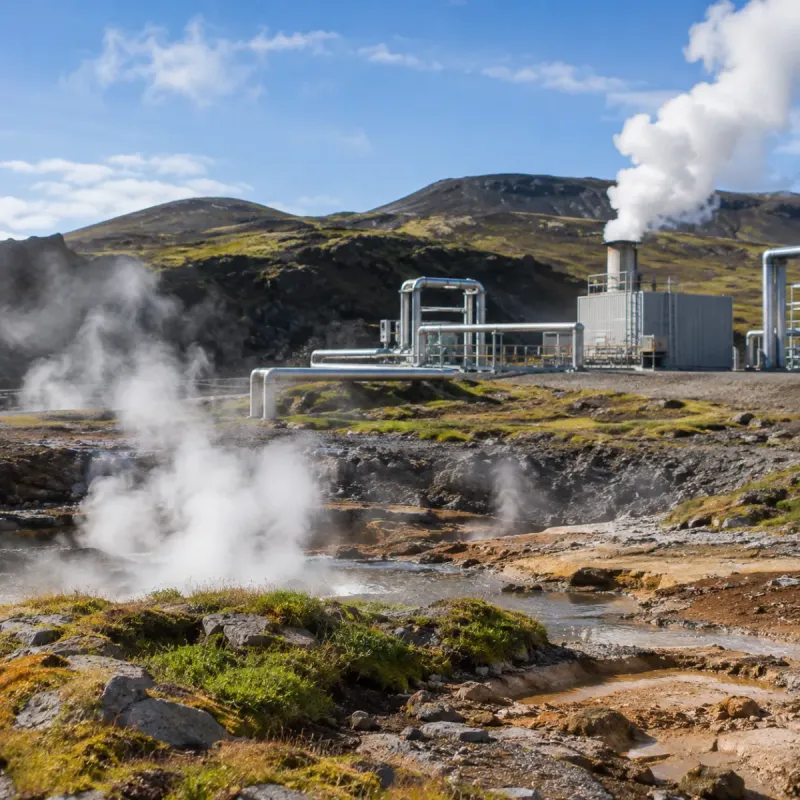
Engineered Reservoirs Expand Geothermal Access
Main Purpose: Access unconventional resources
Unlike conventional geothermal systems, EGS does not depend entirely on naturally permeable rock formations with sufficient underground water. It creates or improves the conditions needed for fluid circulation, potentially making hot-rock resources accessible in more geological settings.
- Enhanced permeability
- Hot-rock resources
- Expanded locations
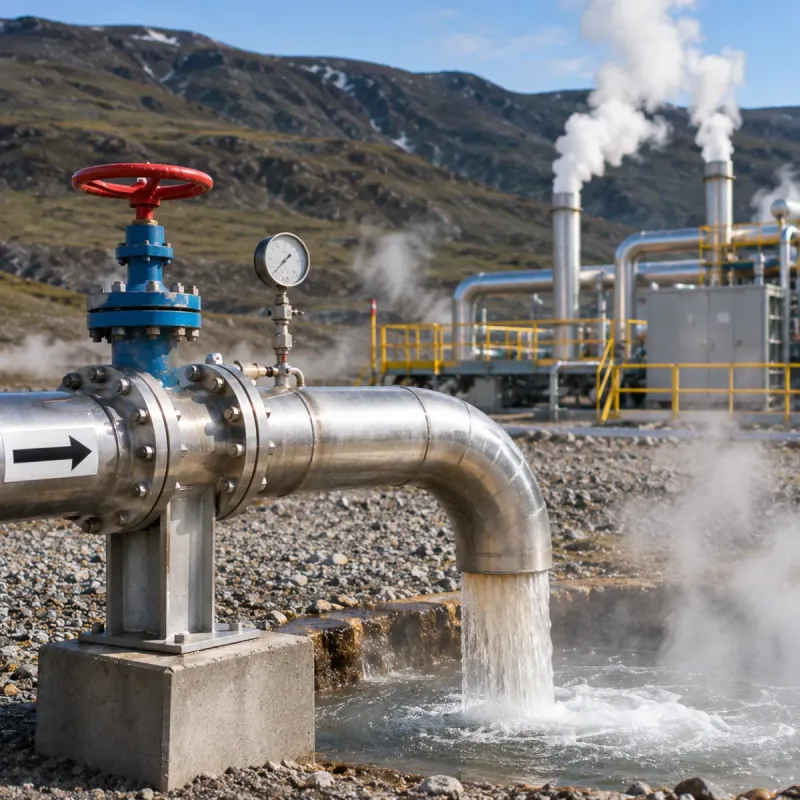
Production Wells Bring Heated Water to the Surface
Main Purpose: Recover underground heat
After circulating through the underground reservoir, the heated fluid is extracted through a separate production well. This creates a circulation pathway between injection and production wells, allowing underground heat to be transported to surface equipment.
- Hot-water extraction
- Fluid circulation
- Surface delivery
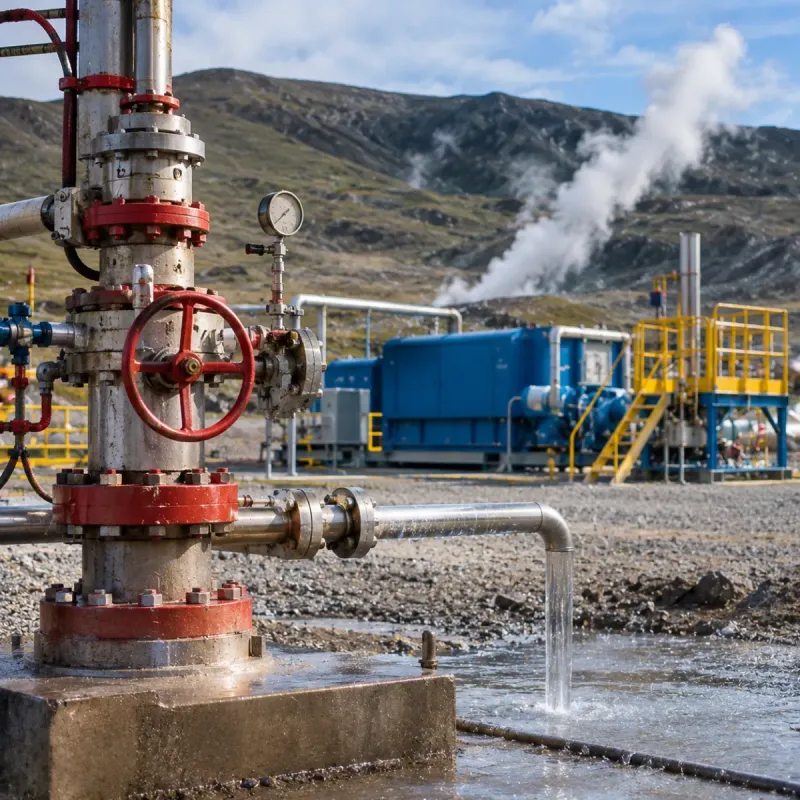
Hydraulic Stimulation Creates Artificial Fracture Networks
Main Purpose: Improve rock permeability
Hydraulic stimulation increases hot-rock permeability by creating new fractures or reopening existing ones. These interconnected pathways allow fluid to move through formations that would otherwise have insufficient natural flow for geothermal energy production.
- Rock stimulation
- Fracture creation
- Improved permeability
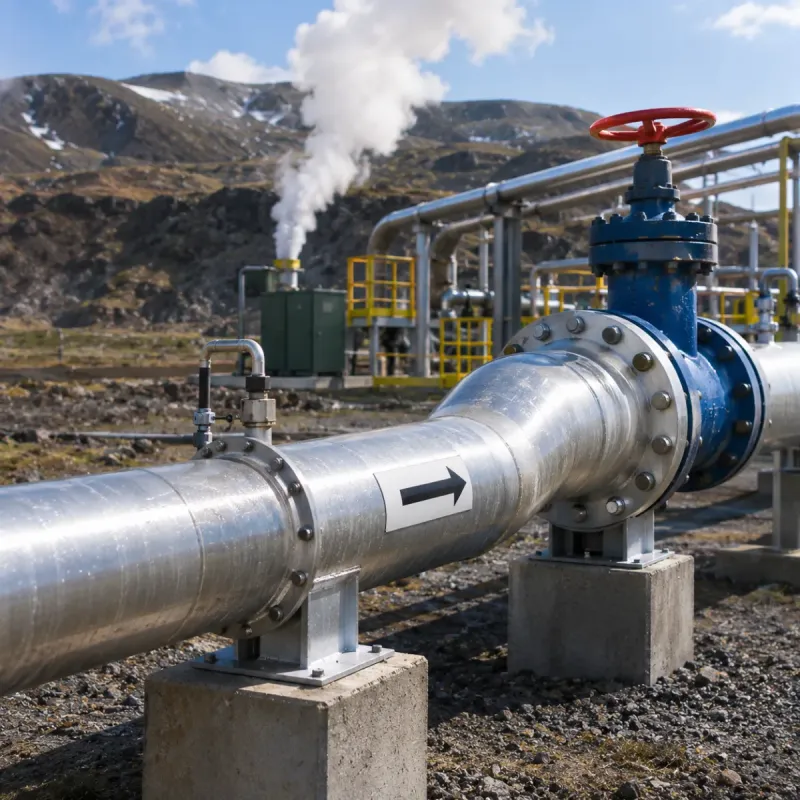
Injection Wells Deliver Fluid Into Hot Rock
Main Purpose: Supply reservoir fluid
An injection well carries water or another suitable fluid deep underground into the targeted rock formation. The fluid is introduced under carefully controlled conditions to create or reopen fractures, improving pathways for heat collection.
- Fluid injection
- Pressure control
- Underground access
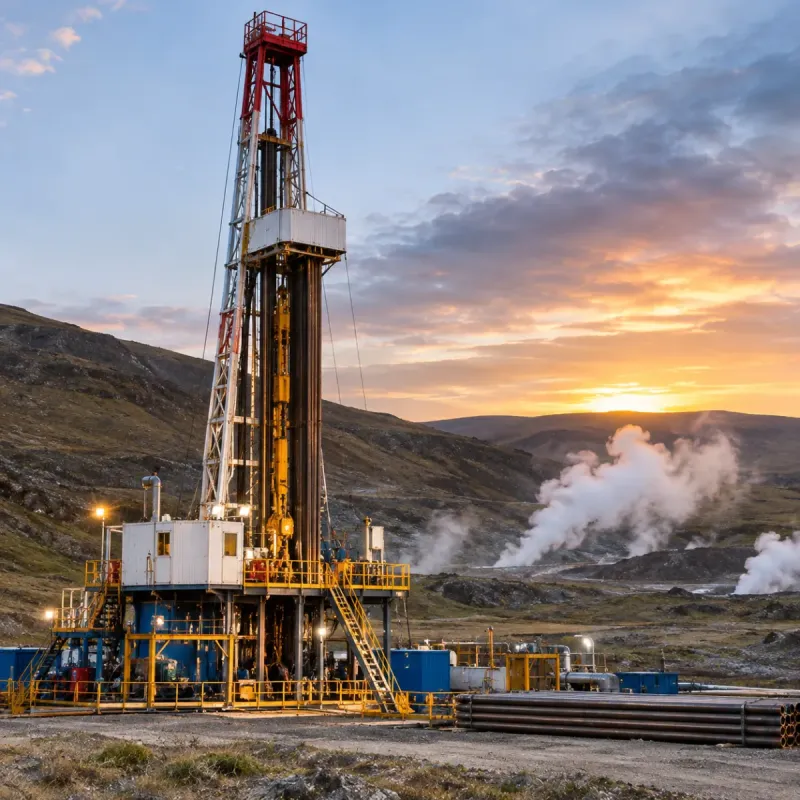
Deep Geothermal Drilling Reaches Underground Heat
Main Purpose: Access geothermal heat
EGS projects use deep wells to reach hot rock formations beneath the Earth's surface. Improvements in drilling methods and equipment are important because well depth, temperature, rock hardness, and construction costs strongly influence project feasibility.
- Deep drilling
- Hard-rock access
- High-temperature tools
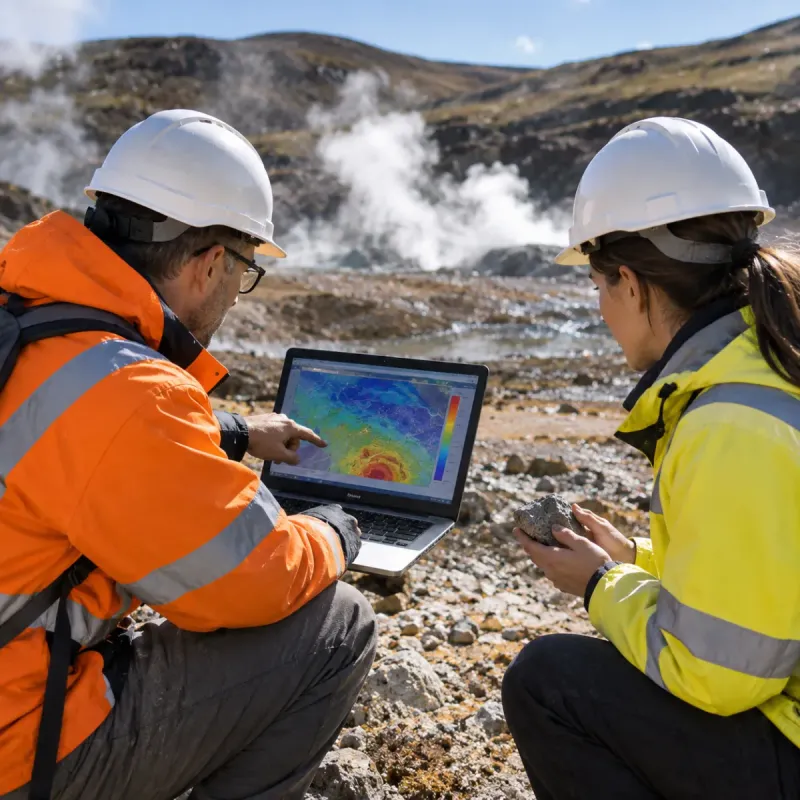
Geological Site Characterization Identifies Suitable Locations
Main Purpose: Identify viable sites
Before construction begins, researchers examine underground temperature, rock properties, natural fractures, and geological stress. This information helps determine whether a location has enough accessible heat and suitable conditions for creating an engineered geothermal reservoir.
- Temperature mapping
- Rock analysis
- Site assessment