


 24 November 2026
Active matter is a field of physics that examines systems whose individual components consume energy to move and interact with their surroundings.
From swimming bacteria and bird flocks to microscopic robots, these systems demonstrate how simple active units can create complex patterns, coordinated movement, and self-organization.
12 Examples of Active Matter in Nature and Technology
Synthetic Biology and 15 Breakthroughs Transforming the Future of Life
 Inside the List
12 Items
Microrobots and Nanomotors
Type: Synthetic active technology
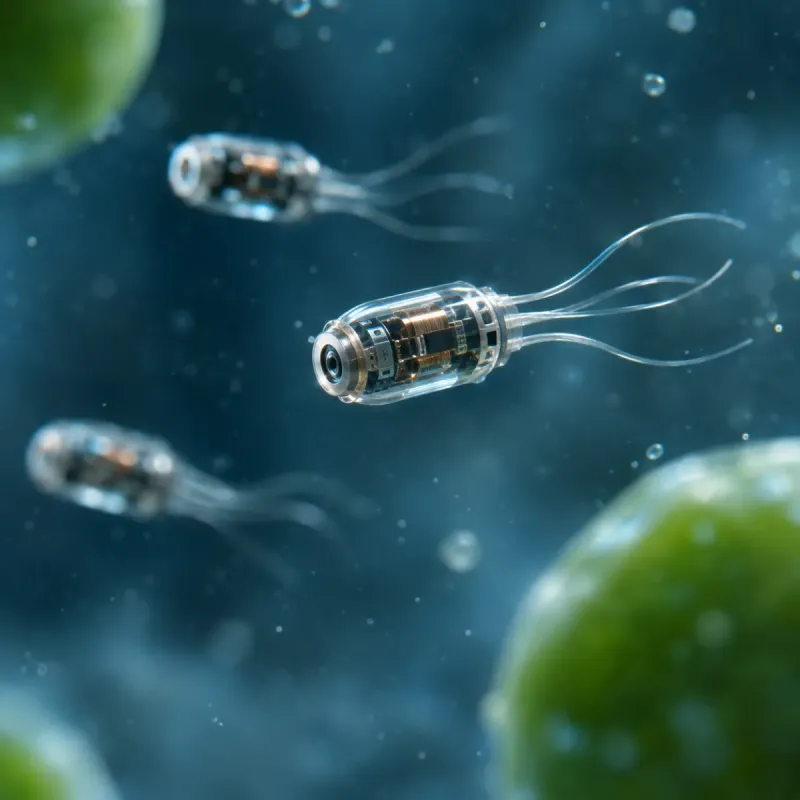
Microrobots and nanomotors are engineered miniature systems that convert stored or environmental energy into movement. Researchers are investigating their potential applications in areas such as healthcare, microscopic material transport, and targeted operations.
- Miniature machines
- Autonomous movement
- Targeted transport
Fish Schools and Animal Herds
Type: Biological active systems
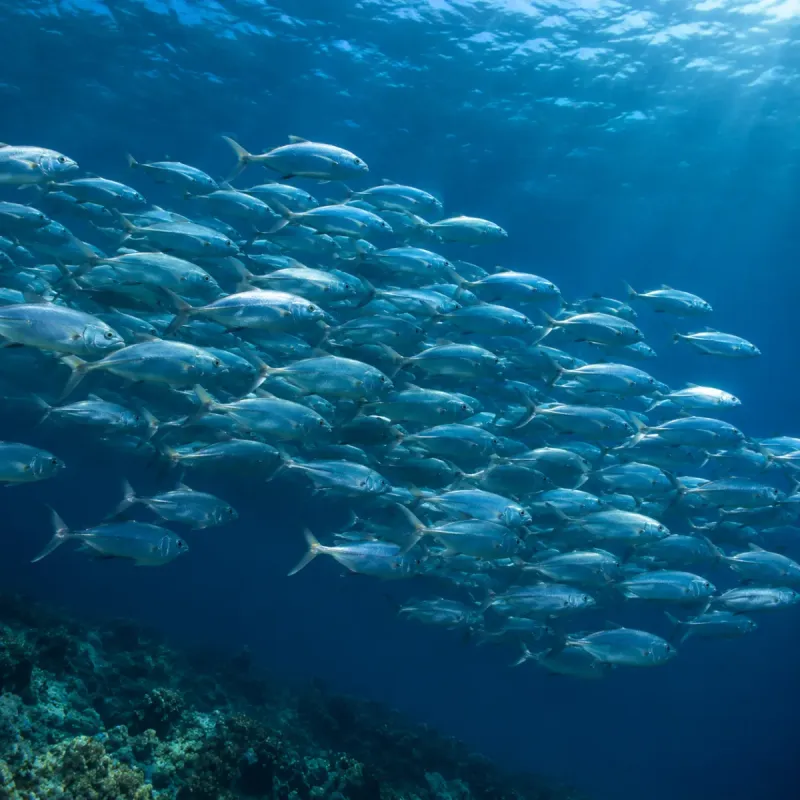
Fish schools and animal herds demonstrate active matter at larger scales. Individual animals move using their own energy, while local interactions with nearby members create coordinated group movement and collective responses to environmental changes.
- Collective movement
- Local interactions
- Group responses
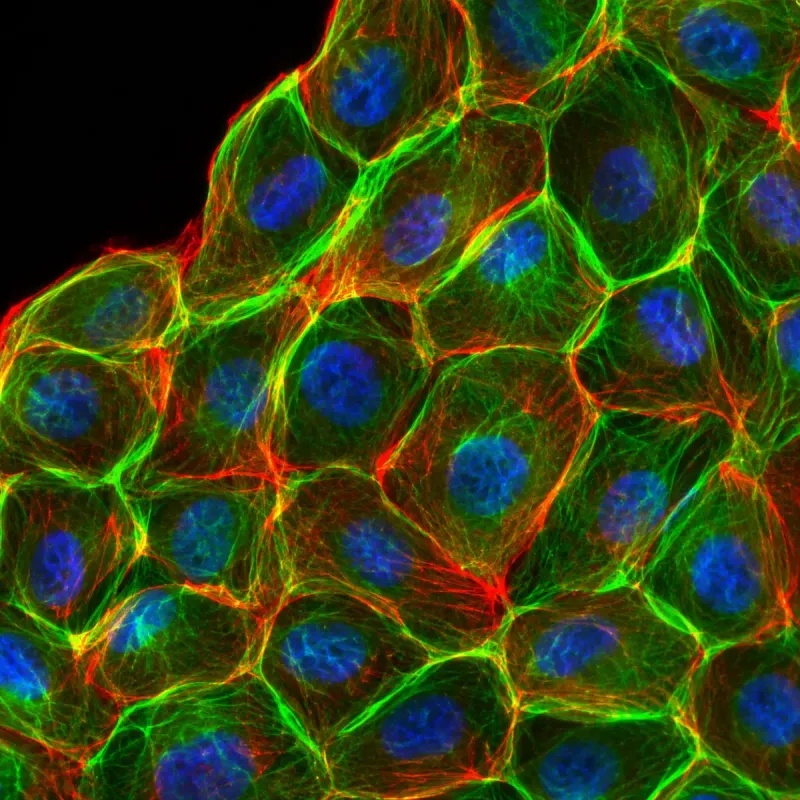
Active Cell Tissues
Type: Biological active material
Groups of living cells can behave as active materials because their internal biological machinery generates forces and movement. These forces influence how tissues change shape, reorganize, and interact with their surroundings.
- Cellular interactions
- Shape changes
- Force generation
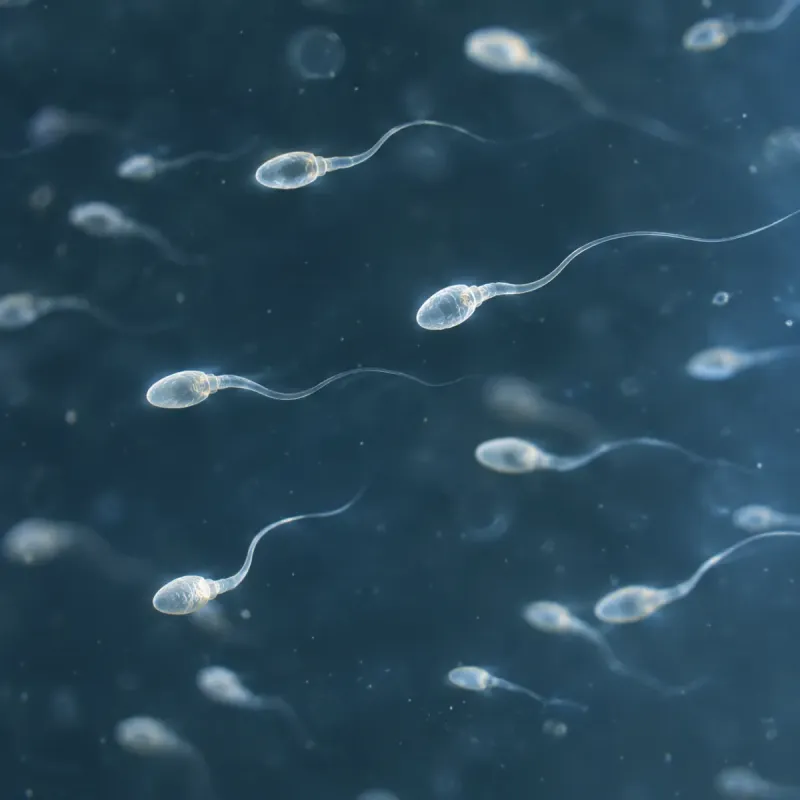
Sperm Cells as Microswimmers
Type: Biological active matter
Sperm cells are biological microswimmers that use energy to move through fluid environments. Their flagellar movement and responses to chemical signals make them valuable examples for understanding how active particles navigate complex surroundings.
- Flagellar movement
- Chemical guidance
- Fluid navigation
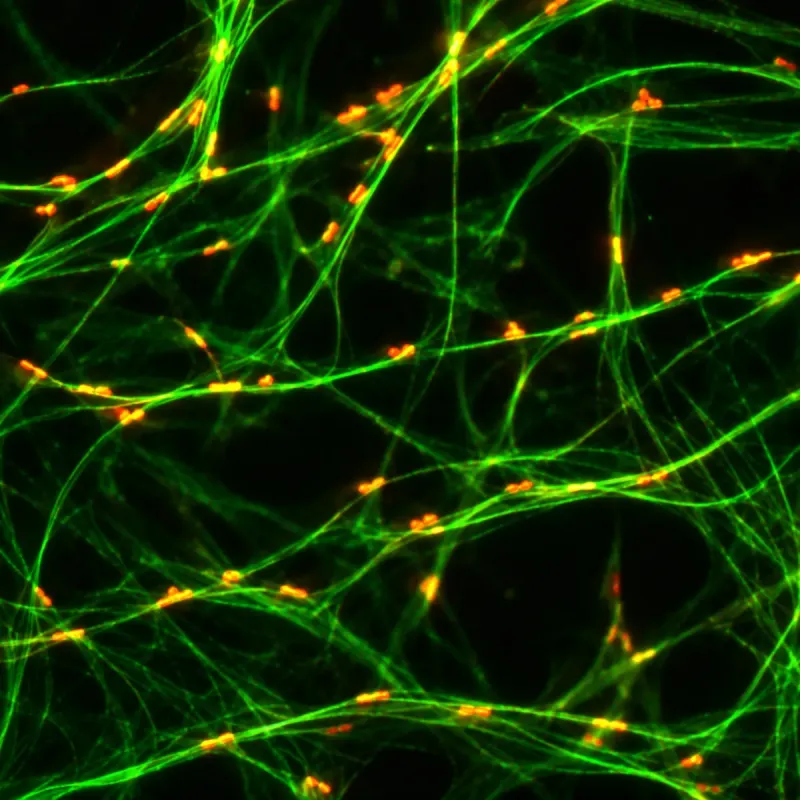
Microtubule and Kinesin Networks
Type: Engineered biological material
Microtubules are protein filaments, while kinesin proteins act as molecular motors that move along them using chemical energy. Together, they can form active networks that generate continuous motion, dynamic patterns, and complex flows in laboratory experiments.
- Protein filaments
- Molecular motors
- Dynamic networks
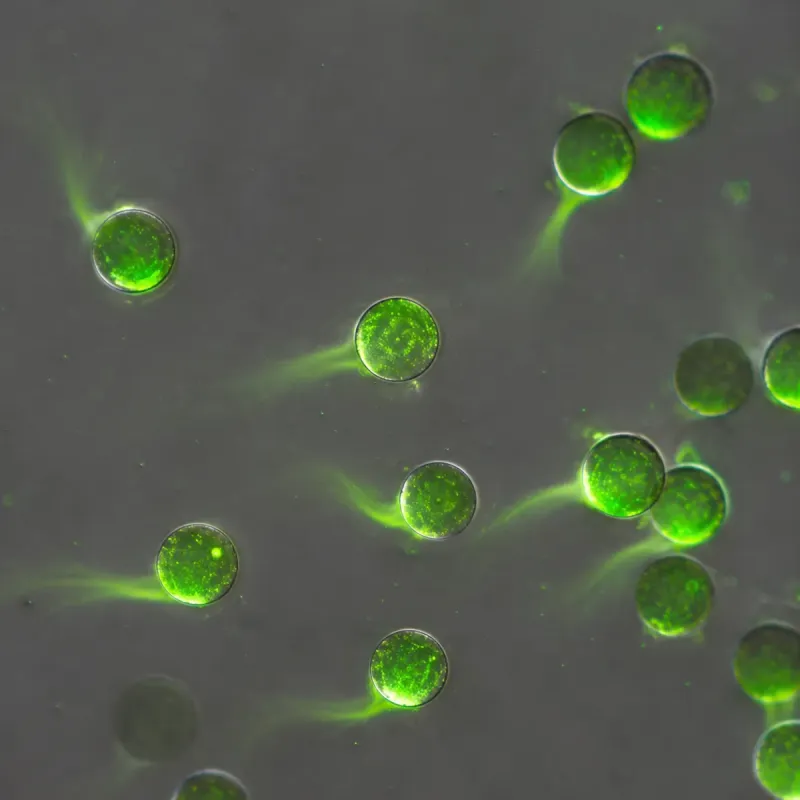
Self-Propelled Colloidal Particles
Type: Synthetic active particles
Self-propelled colloidal particles are microscopic objects designed to move by converting chemical energy into mechanical motion. Their interactions can produce organized structures and collective behavior that differ from those of ordinary passive particles.
- Microscopic movement
- Chemical propulsion
- Self-organization
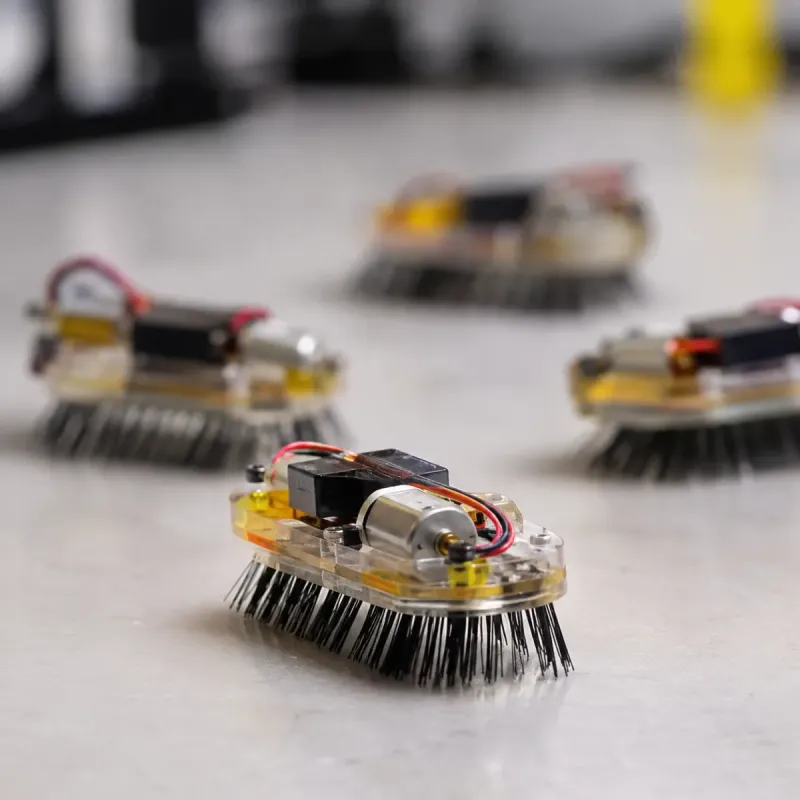
Bristlebots and Robotic Swarms
Type: Synthetic active matter
Bristlebots are miniature experimental robots that commonly use vibrating motors and brush-like bristles to move. When multiple units interact, their collisions and movements can create group patterns that help researchers understand how simple robotic systems organize themselves.
- Vibrating motors
- Simple construction
- Group interactions
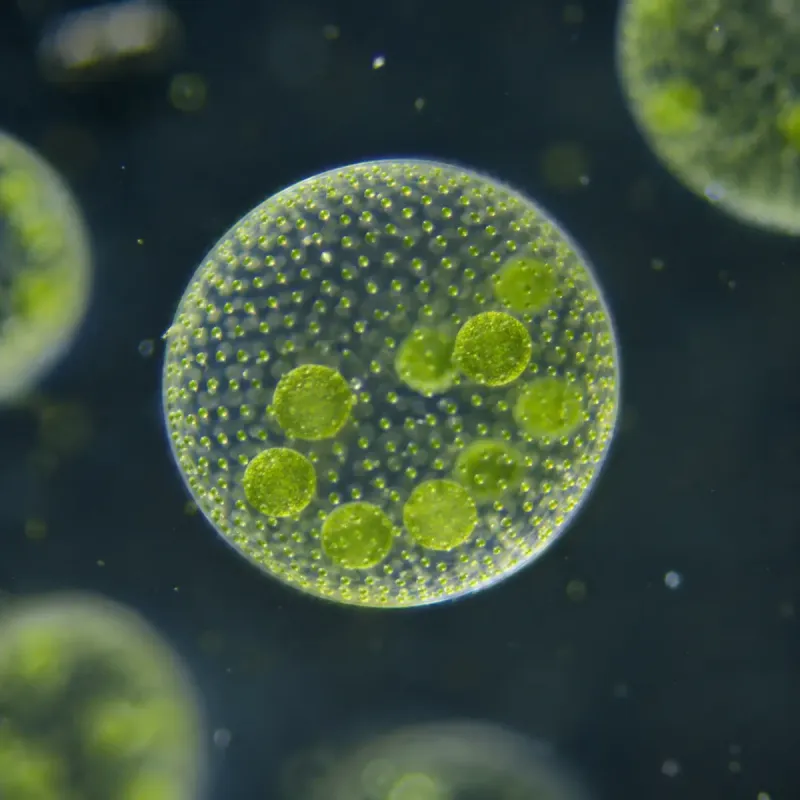
Volvox and Swimming Algae
Type: Colonial active matter
Volvox is a spherical colony of microscopic green algae that moves through water using coordinated cellular activity. Its organized structure and coordinated swimming make it an important model for studying how individual components produce group movement.
- Cellular colonies
- Fluid interactions
- Collective motion
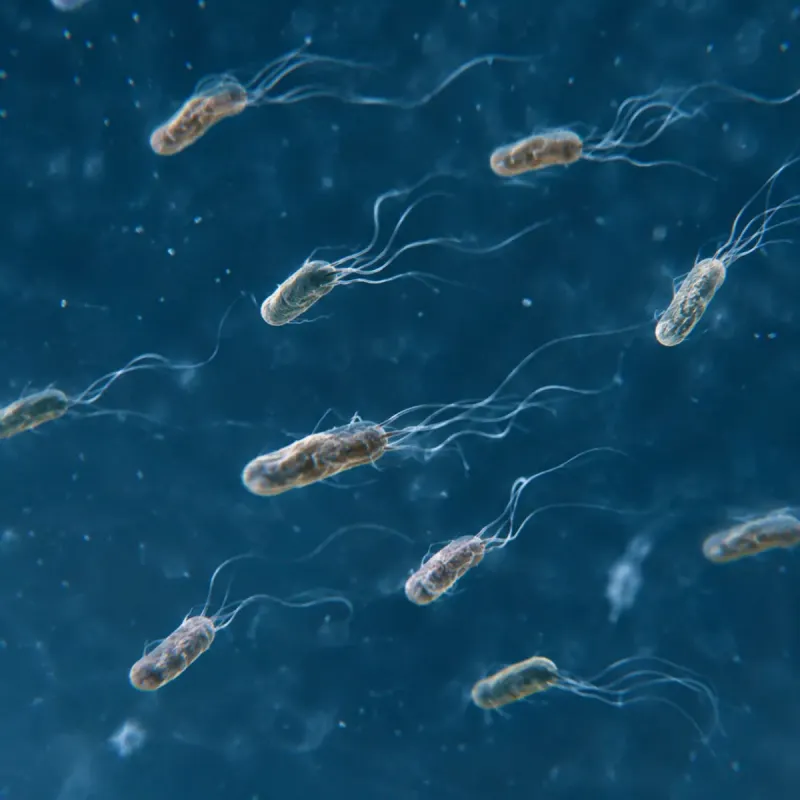
Swimming Bacteria
Type: Microbial active matter
Bacteria can convert chemical energy into movement using rotating flagella. When large populations swim together, interactions between individual bacteria and surrounding fluids can generate collective patterns, including coordinated swimming and swarming behavior.
- Self-propelled cells
- Collective swimming
- Fluid interactions
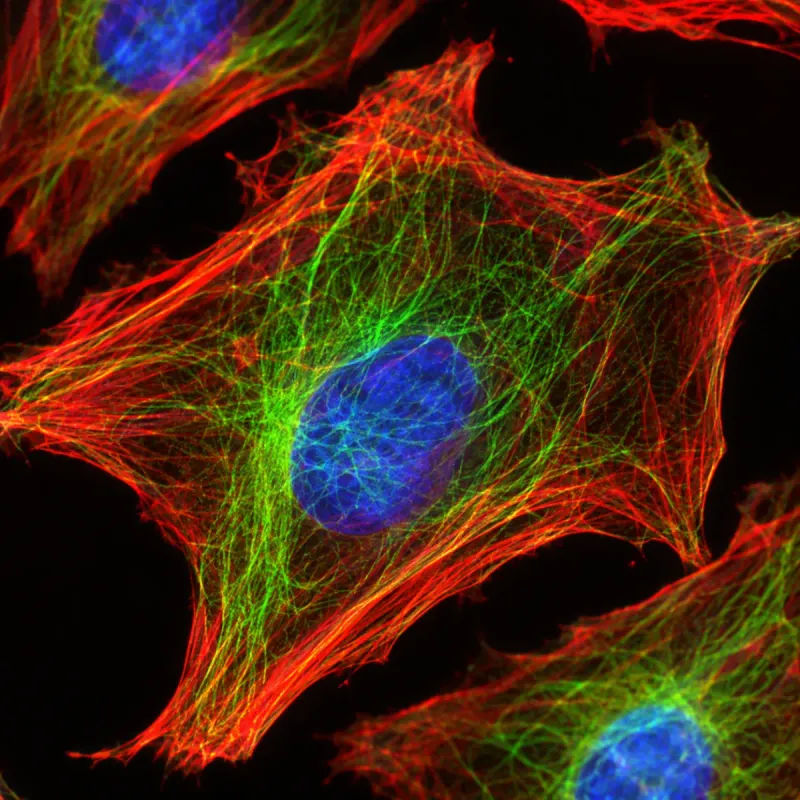
The Cellular Cytoskeleton
Type: Biological active material
The cellular cytoskeleton is a network of protein filaments and molecular motors that continuously reorganize inside living cells. By consuming chemical energy, these components generate forces that help cells maintain their shape, move, and perform essential functions.
- Protein networks
- Molecular motors
- Dynamic structures
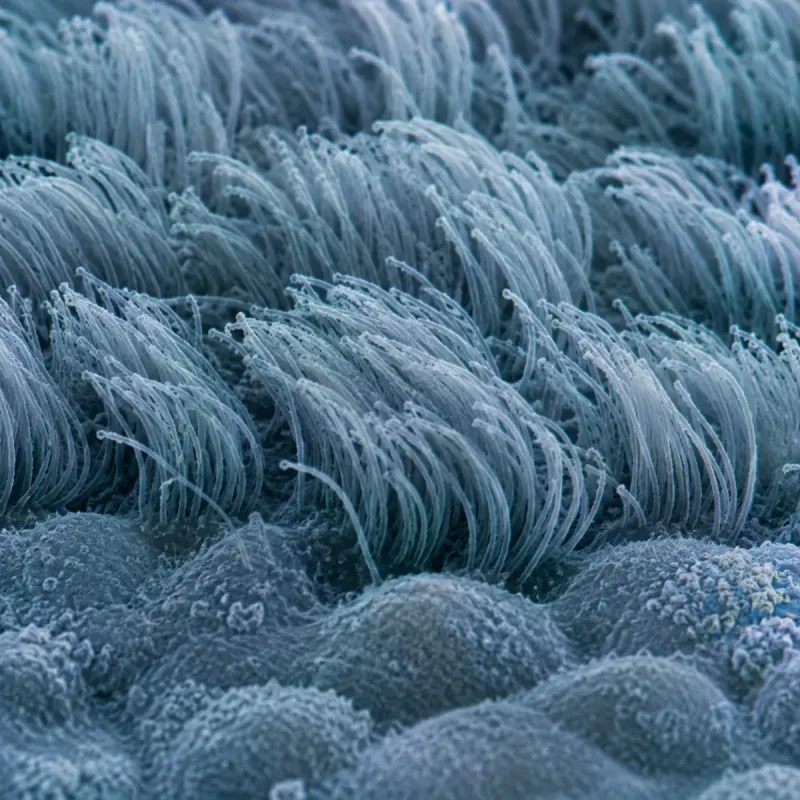
Cilia-Based Transport Systems
Type: Biological active matter
Cilia are tiny hair-like structures that move through coordinated beating patterns. In human airways, their synchronized movement helps move mucus and trapped particles, showing how microscopic active structures can perform useful biological functions.
- Rhythmic beating
- Fluid movement
- Particle clearance

Bird Flocks and Collective Motion
Type: Biological active matter
Bird flocks are classic examples of active matter. Each bird uses its own energy to fly, while interactions with nearby birds produce coordinated turns and collective movement without requiring a central leader.
- Self-propelled movement
- Neighbor alignment
- Collective coordination