



 25 November 2026
The mRNA flu vaccine represents a new approach to preventing influenza, using genetic instructions rather than traditional viral components to prepare the immune system.
With the approval of the first mRNA-based flu vaccine in the United States in 2026, this technology could reshape vaccine development, manufacturing, and seasonal protection.
15 Important Facts About the mRNA Flu Vaccine
How a Custom Vaccine Is Teaching the Body to Never Let Cancer Return
 Inside the List
16 Items

Electrostatic Accelerators
Design: High-voltage field
Electrostatic accelerators use a stable, high-voltage electric field to accelerate charged particles. Tandem accelerators are one example, supporting research in materials science, environmental monitoring, biomedical studies, and cultural heritage analysis.
- Static electric fields
- Ion acceleration
- Materials research

A Potential Foundation for Future Flu Vaccines
Type: Next-generation vaccine platform
The approval of mFLUSIVA demonstrates that mRNA vaccine technology can be applied to seasonal influenza. Its potential for faster updates and flexible manufacturing could support future improvements in influenza vaccine development, although broader use and long-term performance will require continued research and real-world evidence.
- Future development
- Flexible technology
- Ongoing research

An Egg-Free Vaccine Option
Type: Egg-free formulation
Because mFLUSIVA uses mRNA instructions rather than influenza viruses grown in eggs, it is an egg-free vaccine. This may matter for people with egg allergies, although other egg-free flu vaccines are also available. Health professionals can help determine which vaccine is appropriate for an individual's age and health circumstances.
- Egg-free production
- Alternative formulation
- Allergy considerations

Approval for Adults Aged 50 and Older
Type: Regulatory approval
The FDA approved mFLUSIVA for adults aged 50 and older. Approval for people aged 50–64 was based on clinical effectiveness results, while approval for those aged 65 and older followed an accelerated pathway supported by immunogenicity data. Further research is important to clarify its benefits compared with high-dose or adjuvanted vaccines commonly used in older adults.
- Adults aged 50+
- FDA authorization
- Further research

Serious Adverse Events in Clinical Trials
Type: Safety evaluation
Serious adverse events were reported in 2.2% of mRNA-1010 recipients and 1.9% of standard-dose vaccine recipients in the Phase 3 trial. Investigators considered three events in the mRNA group and two in the comparison group to be vaccine-related. These findings are part of the ongoing vaccine safety assessment.
- Adverse event tracking
- Safety comparison
- Ongoing monitoring

Common Short-Term Side Effects
Type: Vaccine reactogenicity
Clinical trials found that injection-site pain, fatigue, headaches, and muscle aches occurred more frequently among mRNA-1010 recipients than among people who received the standard-dose comparator. Most reported reactions were mild to moderate and temporary.
- Injection-site soreness
- Muscle aches
- Temporary fatigue

Temporary Instructions Without Changing DNA
Type: Cellular instruction
The vaccine's mRNA provides temporary instructions for cells to produce an influenza protein. It does not become part of a person's genetic code, and the body breaks it down after it delivers its instructions.
- Temporary activity
- Natural breakdown
- No DNA alteration

A Different Manufacturing Process
Type: Vaccine manufacturing
Traditional flu vaccine production commonly involves growing viruses in eggs or cell cultures, or using other established methods to produce viral antigens. mRNA manufacturing instead produces the genetic instructions the vaccine uses, offering a different production pathway that doesn't depend on growing influenza viruses.
- RNA synthesis
- No virus cultivation
- Scalable platform

Greater Flexibility for Updating Vaccines
Type: Vaccine adaptation
Influenza viruses change over time, and vaccine manufacturers must select target strains months before a flu season begins. The mRNA platform could make it easier to modify genetic instructions when influenza strains change, potentially improving the match between vaccines and circulating viruses.
- Flexible formulation
- Updated sequences
- Strain adaptation

Faster Vaccine Development Potential
Type: Vaccine development
Traditional influenza vaccines often require several months to manufacture because they rely on growing influenza viruses or producing viral components. mRNA technology does not require growing the influenza virus, so manufacturers can prepare updated formulations more quickly.
- No virus cultivation
- Flexible production
- Faster preparation

Higher Relative Vaccine Effectiveness
Type: Clinical effectiveness
The trial reported 26.6% relative vaccine effectiveness compared with the standard-dose vaccine. This means the mRNA vaccine reduced the relative risk of the specified influenza-like illness outcome compared with the study's standard-dose comparator. It does not mean that 26.6% of vaccinated people were completely protected.
- 26.6% relative effectiveness
- Reduced illness rate
- Standard-dose comparison

Clinical Trial Results
Type: Phase 3 research
A Phase 3 clinical trial involving more than 40,000 adults aged 50 and older compared mRNA-1010 with a licensed standard-dose flu vaccine. Laboratory-confirmed influenza-like illness occurred in 2.0% of mRNA vaccine recipients and 2.8% of the comparison group.
- 40,703 participants
- Six-month follow-up
- Laboratory confirmation

Protection Against Multiple Influenza Strains
Type: Trivalent vaccine
The first approved formulation is trivalent, meaning it targets three influenza strains selected according to public health recommendations. This approach prepares the immune system to recognize multiple influenza threats during flu season.
- Three strains
- Seasonal formulation
- Multiple targets
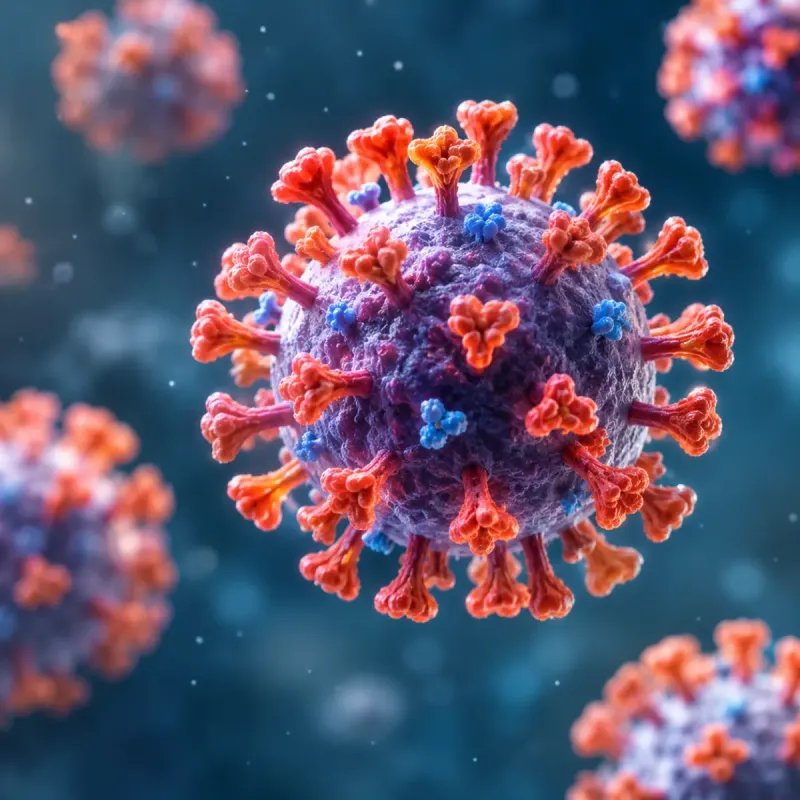
Targeting Influenza Hemagglutinin
Type: Antigen-targeting technology
The mRNA-1010 vaccine encodes hemagglutinin proteins found on the surface of influenza viruses. These proteins help the virus attach to host cells, making them important targets for the immune system's protective response.
- Surface proteins
- Targeted immune response
- Viral recognition

How mRNA Technology Works
Type: RNA-based vaccine
Unlike traditional flu shots, which introduce inactivated viruses or viral proteins, an mRNA vaccine delivers genetic instructions to cells. These instructions tell cells to produce a harmless influenza protein that the immune system can recognize and respond to.
- Temporary instructions
- Protein production
- Immune recognition

The First Approved mRNA Flu Vaccine
Type: Seasonal influenza vaccine
In August 2026, the U.S. Food and Drug Administration (FDA) approved Moderna's mFLUSIVA, also known as mRNA-1010. It became the first mRNA-based influenza vaccine approved in the United States, offering a new option for adults aged 50 and older.
- First approval
- Moderna technology
- Adult vaccination