

 26 November 2026
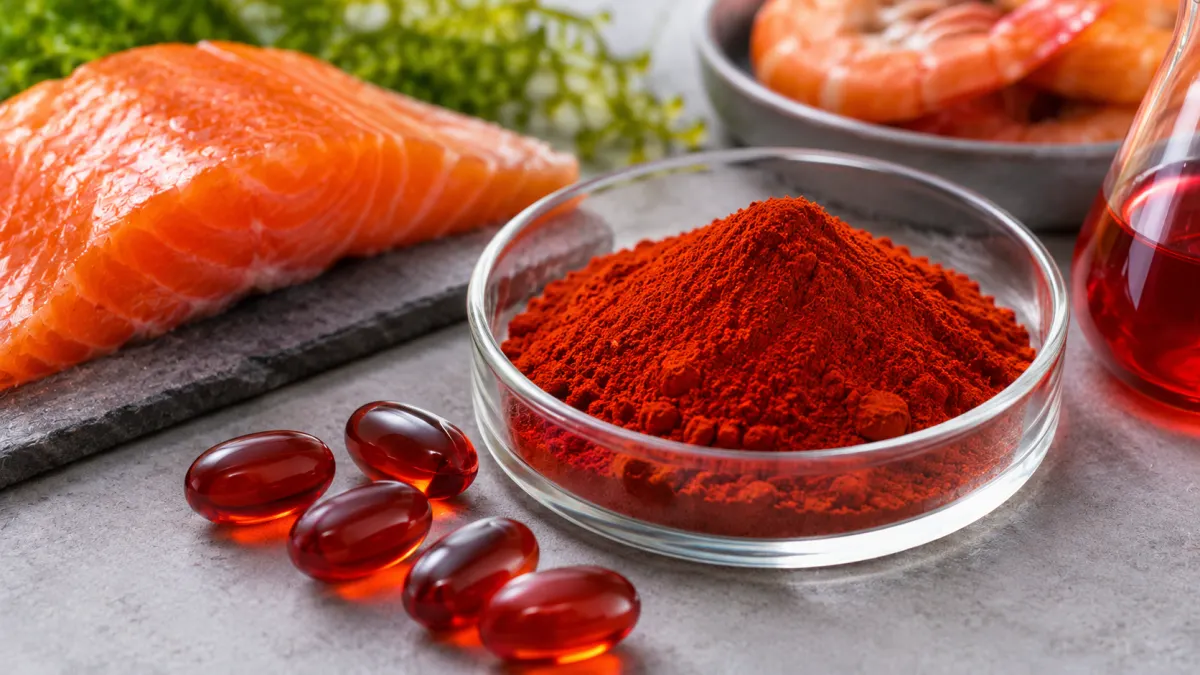
Astaxanthin is a naturally occurring red-orange carotenoid found in microalgae and various aquatic organisms.
Valued for its antioxidant properties and widely used in aquaculture and supplements, this pigment has become a key focus in marine biotechnology and nutritional research.
13 Important Aspects of Astaxanthin and Its Applications
Egg Massage: The Unusual 1960s Skincare Treatment That Still Fascinates Today
 Inside the List
13 Items
Supplement Safety and Quality
Type: Safety assessment
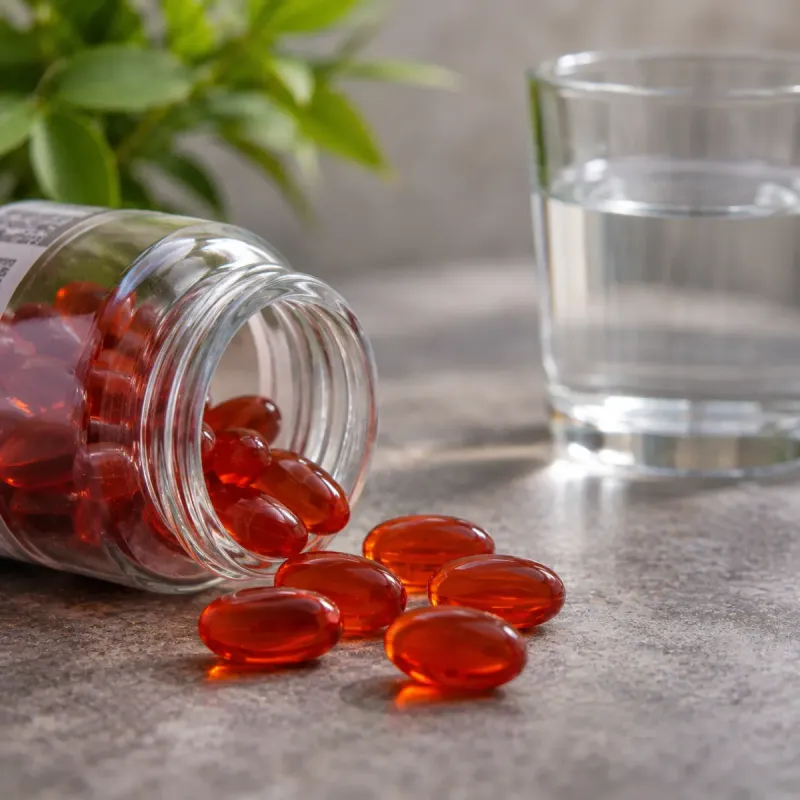
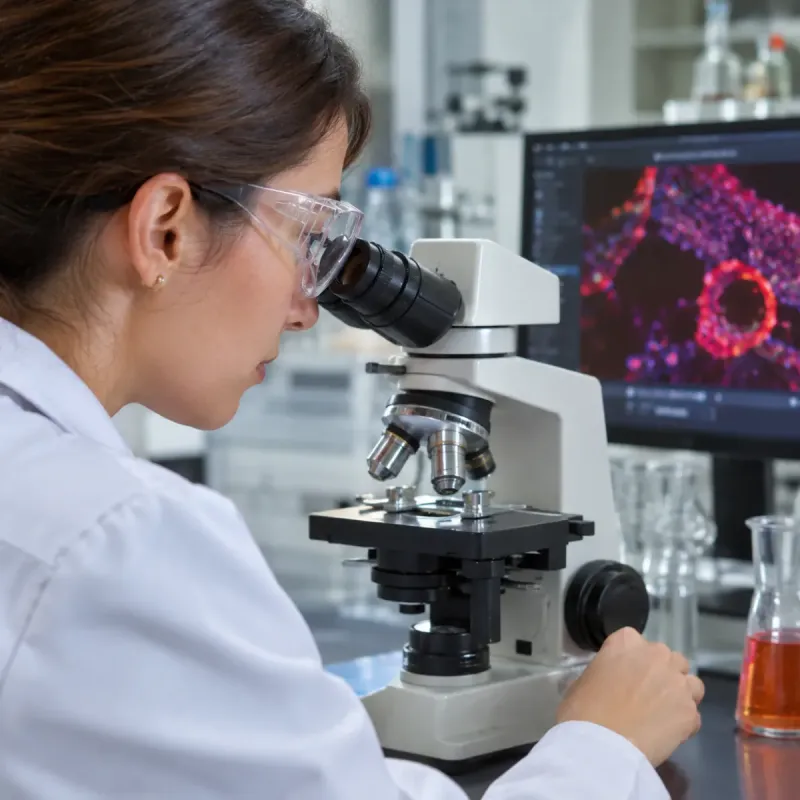
Astaxanthin supplements require careful attention to dosage, source, and possible interactions. Pregnancy, breastfeeding, medication use, and crustacean allergies require particular caution.
- Dosage limits
- Source identification
- Allergy precautions
Health Research and Evidence Limitations
Type: Nutritional research
Researchers investigate astaxanthin's potential effects on inflammation, eye health, and other biological processes, but convincing human evidence for many advertised benefits remains insufficient.
- Human studies
- Eye health
- Inflammation research
Antioxidant Properties
Type: Antioxidant compound
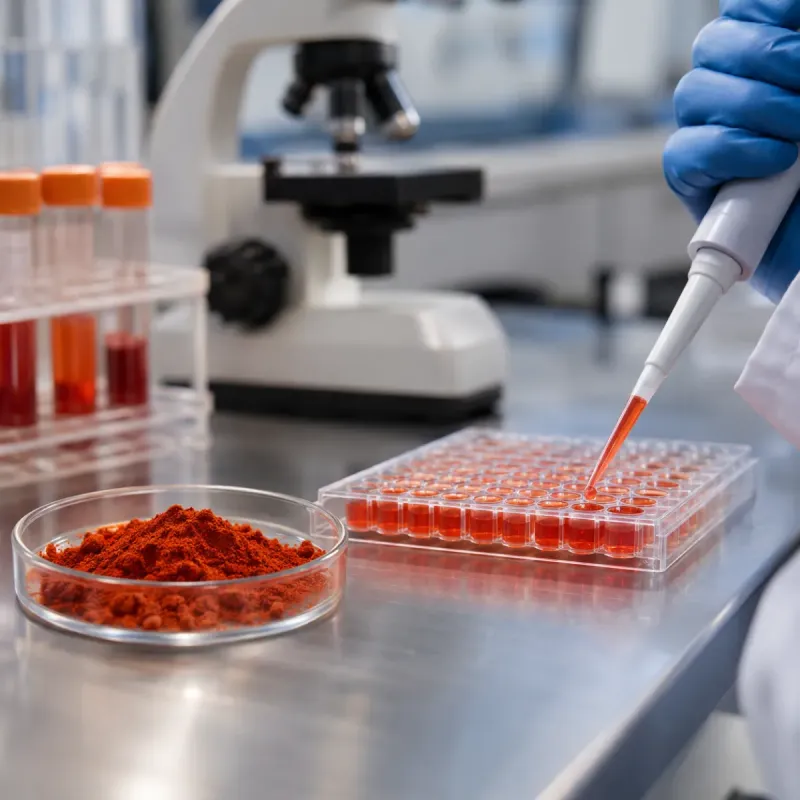
Astaxanthin has antioxidant properties and is studied for its interactions with oxidative stress. However, laboratory findings do not automatically establish health benefits from supplementation in humans.
- Oxidative stress
- Free radicals
- Cellular research
Oil-Based Astaxanthin Formulations
Type: Supplement formulation
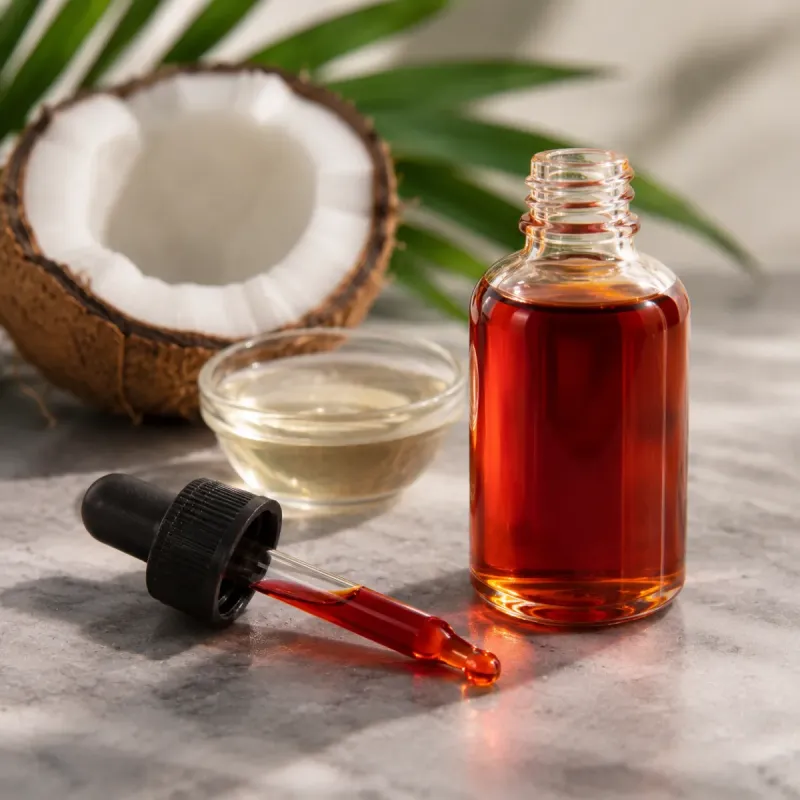
Because astaxanthin is fat-soluble, some supplement manufacturers combine it with carrier oils. NATURTREU, for example, uses coconut-derived MCT oil in its liquid formulation.
- MCT oil
- Liquid formulation
- Fat solubility
Astaxanthin Dietary Supplements
Type: Nutritional supplement
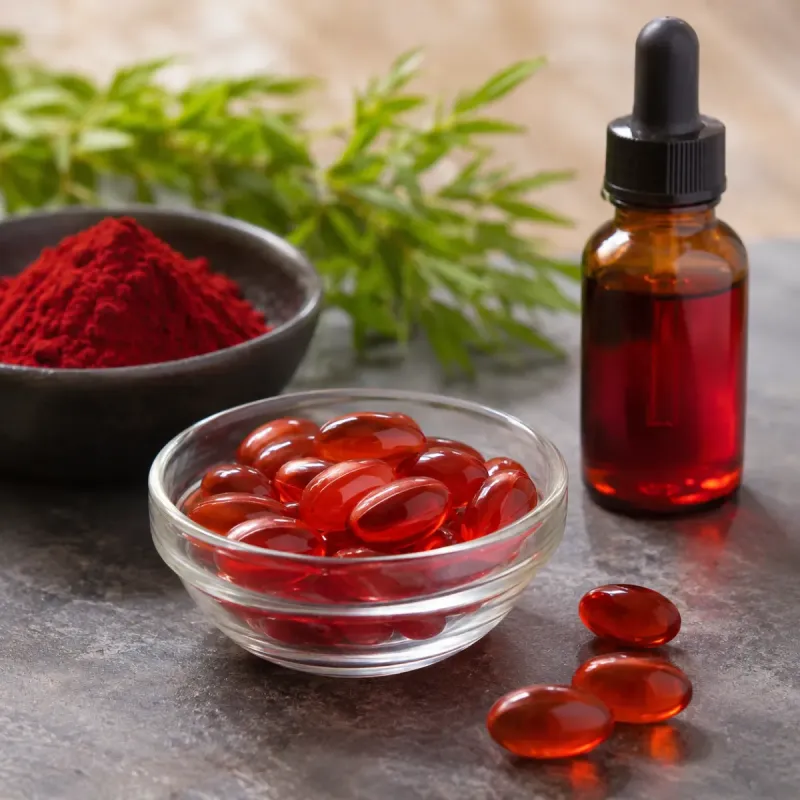
Astaxanthin supplements commonly contain extracts from Haematococcus pluvialis. Products are available in different formulations, including capsules and liquid drops.
- Algal extracts
- Liquid drops
- Supplement capsules
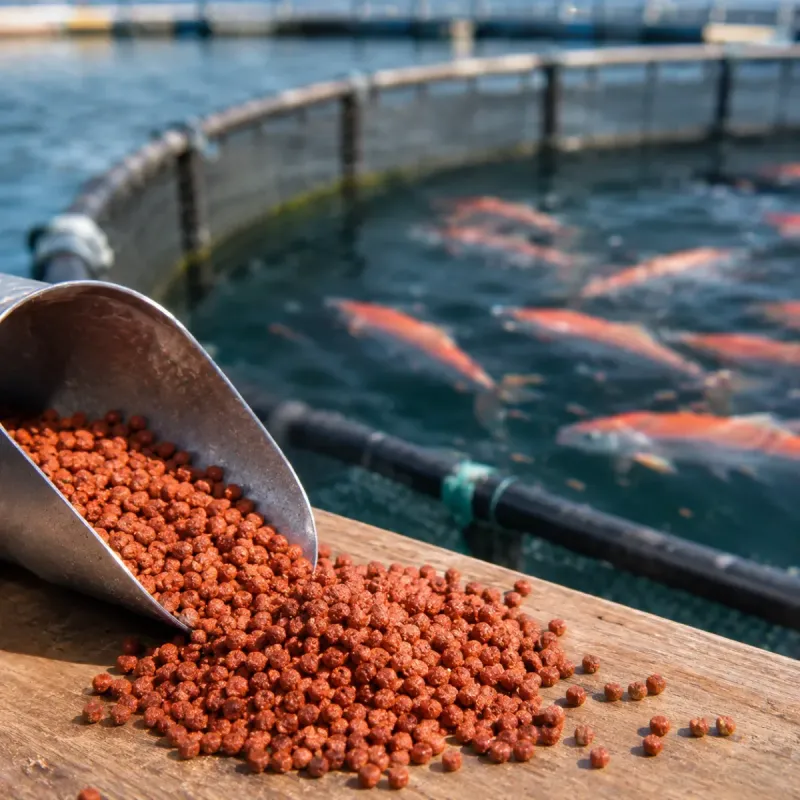
Aquaculture Feed Additives
Type: Feed additive
Aquaculture feed uses astaxanthin to give farmed fish pigmentation similar to that of naturally colored wild species.
- Fish feed
- Pigment supplementation
- Aquaculture production
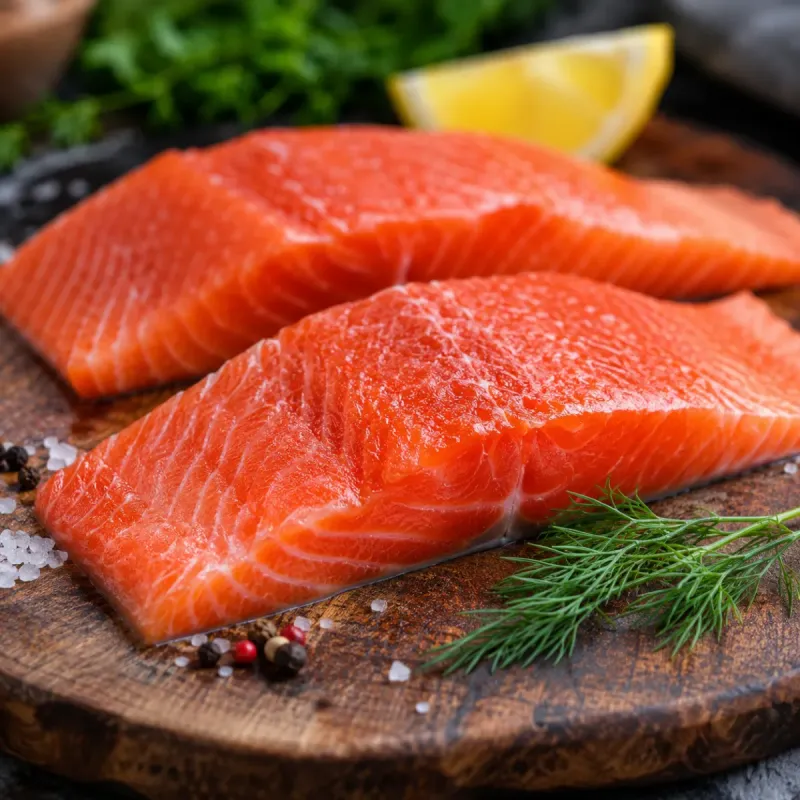
Salmon and Trout Pigmentation
Type: Aquatic pigmentation
Salmon and trout accumulate astaxanthin from their diets, which contributes to their characteristic pink or reddish flesh. Pigment levels vary by species and feeding conditions.
- Salmon pigmentation
- Trout coloration
- Dietary sources
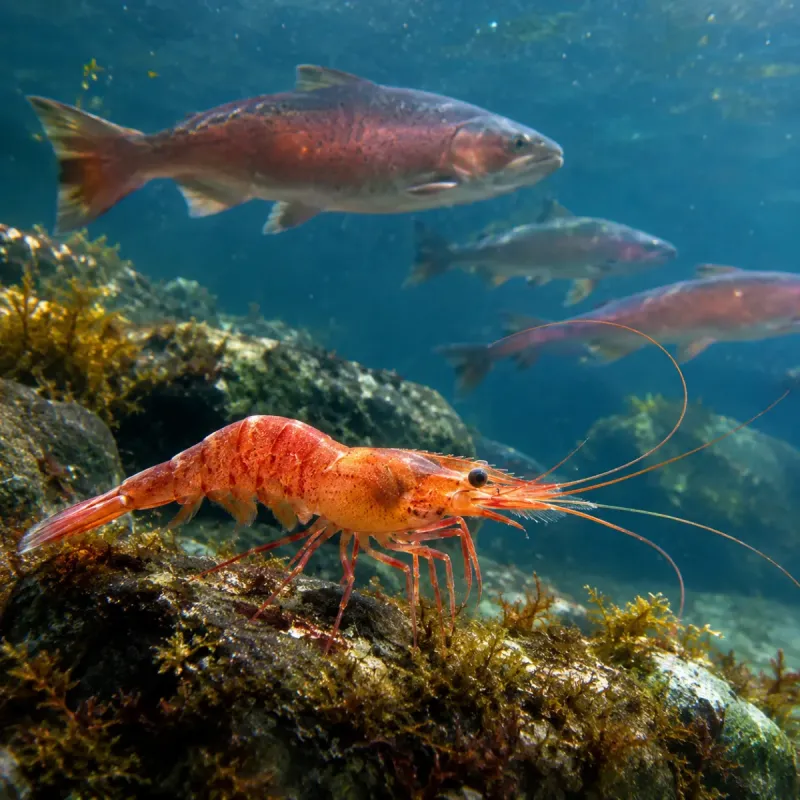
Natural Aquatic Food Chains
Type: Natural pigment transfer
Astaxanthin moves through aquatic food chains when organisms consume pigment-producing algae. It contributes to the characteristic reddish or pink coloration of several marine animals.
- Algal consumption
- Natural pigmentation
- Aquatic organisms
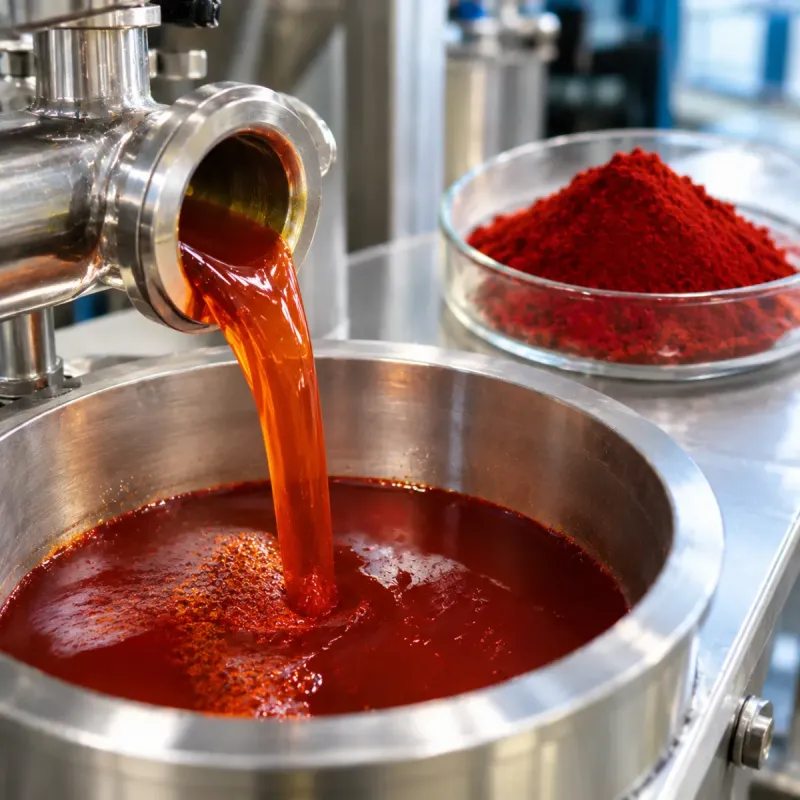
Astaxanthin Extraction Technology
Type: Extraction technology
After cultivation, microalgal biomass must be harvested and processed to recover its pigment. Extraction methods influence production efficiency, product quality, and manufacturing costs.
- Biomass harvesting
- Cell disruption
- Pigment extraction
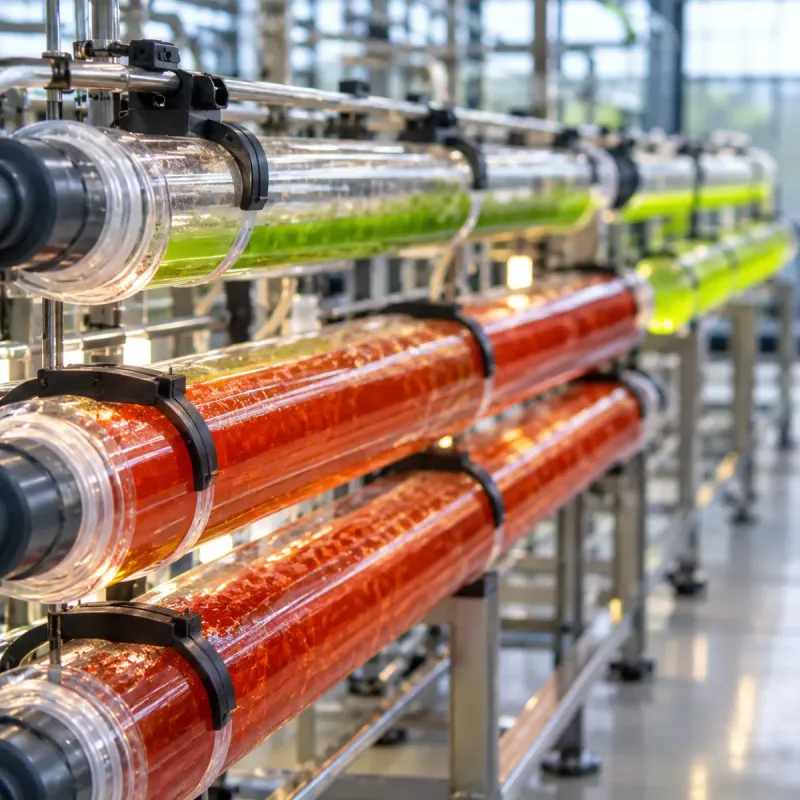
Microalgae Cultivation Systems
Type: Biotechnology process
Astaxanthin production involves cultivating microalgae under controlled conditions, balancing biomass growth and pigment accumulation.
- Algae cultivation
- Growth monitoring
- Process control
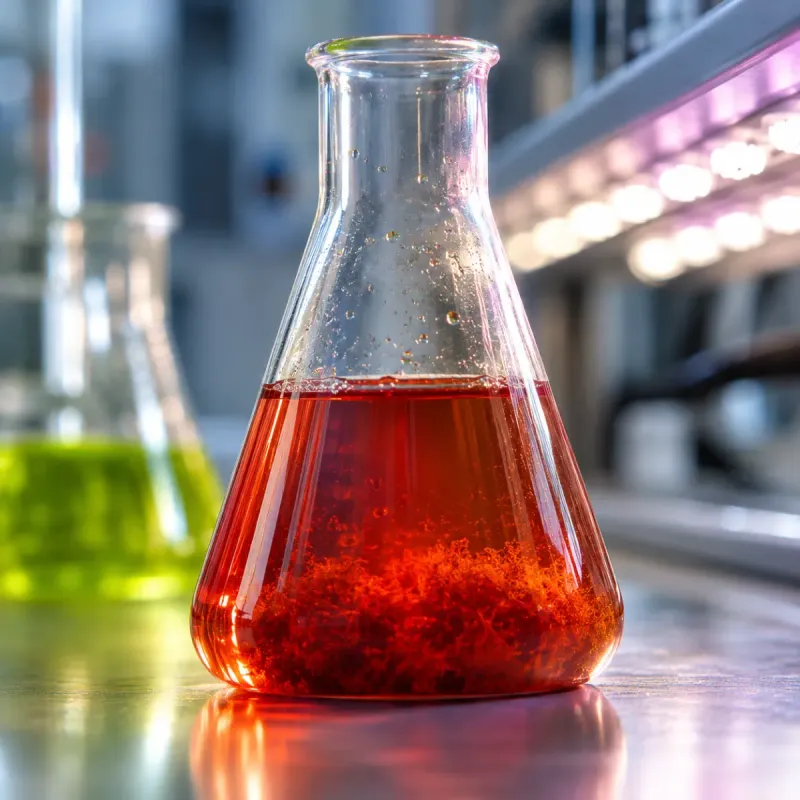
Stress-Triggered Pigment Production
Type: Biological response
When exposed to intense light, nutrient shortages, or environmental stress, Haematococcus pluvialis accumulates astaxanthin in response.
- High-light exposure
- Nutrient limitation
- Oxidative protection
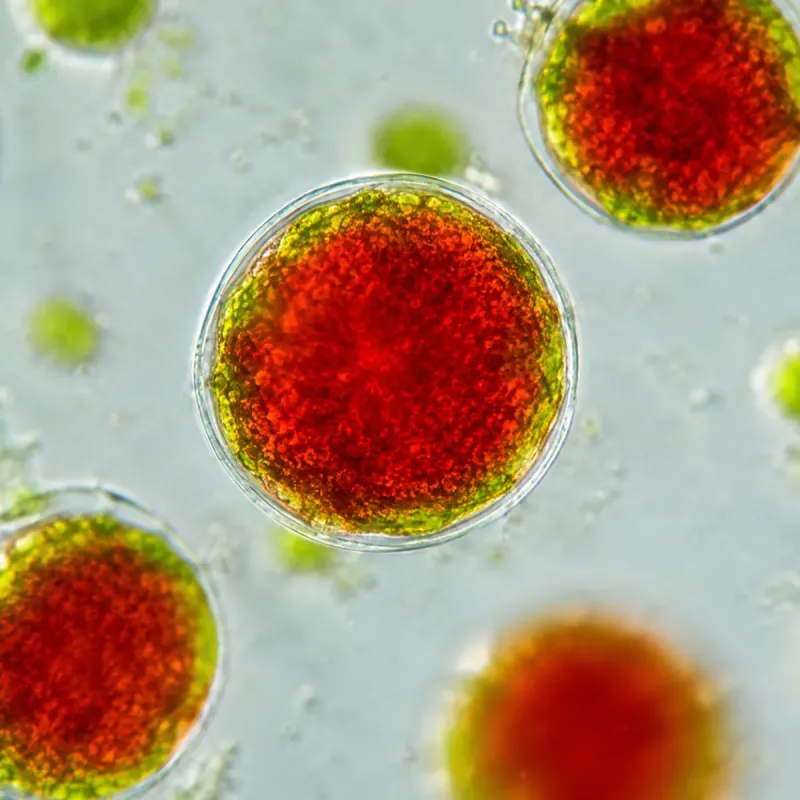
Haematococcus pluvialis Microalgae
Type: Microalgae source
The freshwater microalga Haematococcus pluvialis is one of the richest natural sources of astaxanthin and a major organism used for commercial production.
- Freshwater species
- High accumulation
- Commercial cultivation
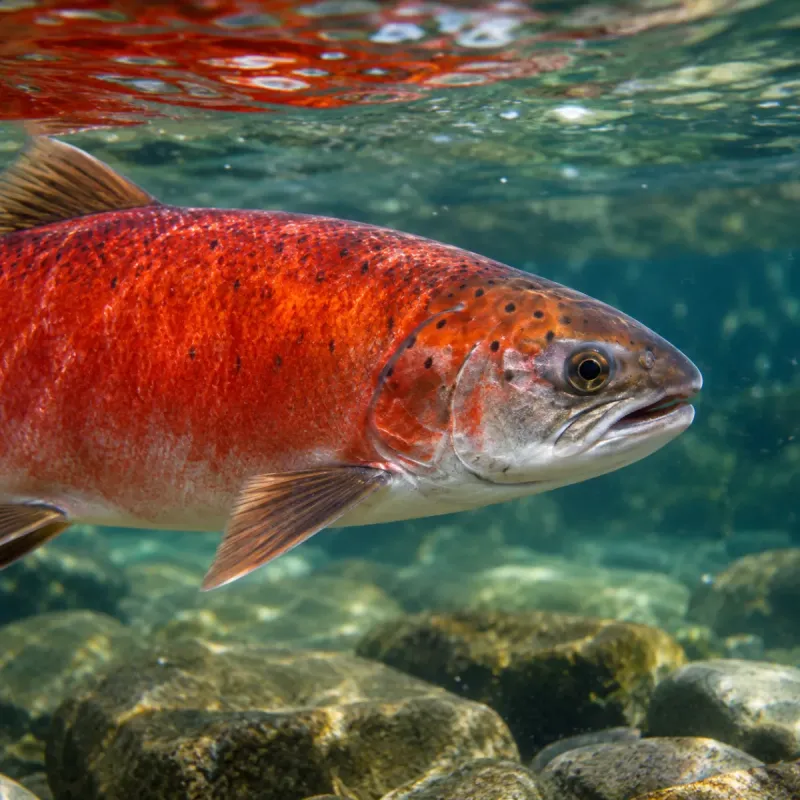
A Powerful Natural Carotenoid
Type: Natural carotenoid
Astaxanthin belongs to the xanthophyll family, a group of carotenoids responsible for yellow, orange, and red pigmentation in many organisms.
- Xanthophyll carotenoid
- Natural pigment
- Fat-soluble compound