


 27 November 2026
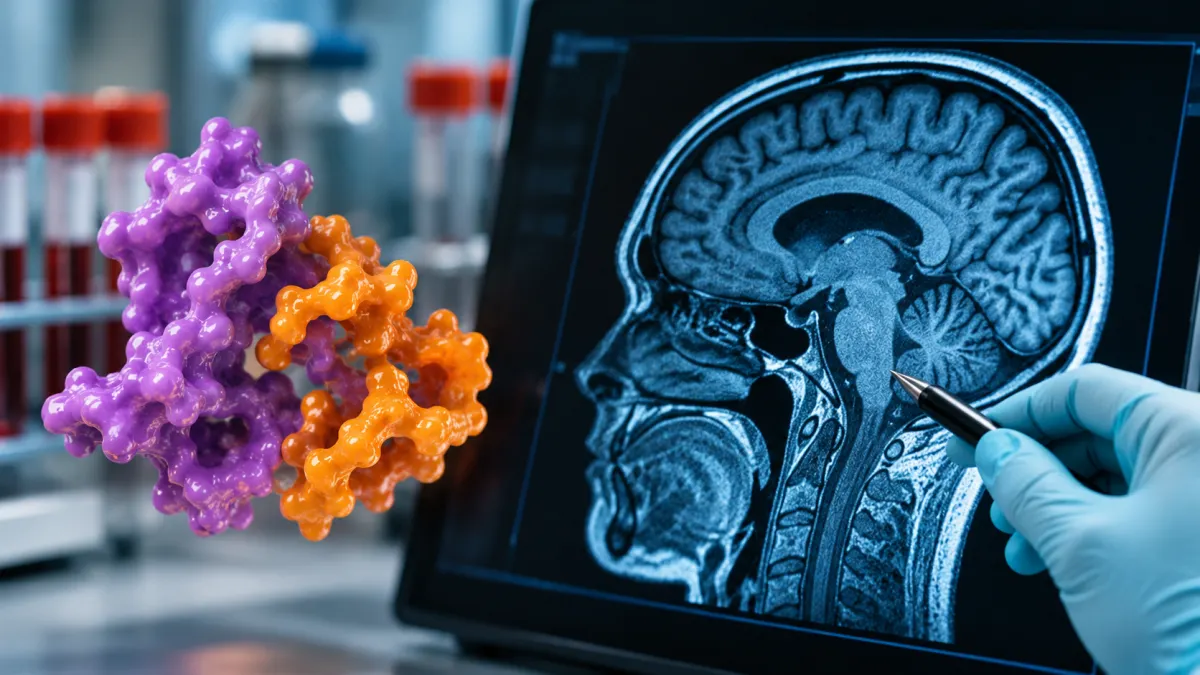
Prion disease is a rare group of serious neurological disorders caused by abnormally folded proteins that damage the brain.
From Creutzfeldt-Jakob disease to animal conditions such as mad cow disease, these disorders reveal how a protein can trigger a chain reaction with devastating consequences.
11 Important Aspects of Prion Disease and Its Different Forms
Read More


 Inside the List
11 Items

Symptoms, Diagnosis, and Clinical Care
Main Purpose: Diagnosis and care
Prion disease may cause rapidly worsening dementia, movement difficulties, muscle stiffness, confusion, and hallucinations; diagnosis uses neurological assessment, MRI, spinal-fluid tests, and other investigations.
- Rapid dementia
- MRI scans
- Supportive care

Chronic Wasting Disease
Main Purpose: Wildlife disease monitoring
Chronic wasting disease affects deer, elk, moose, and reindeer, causing progressive neurological deterioration; no human cases have been identified, although potential transmission remains under study.
- Wildlife infection
- Neurological decline
- Ongoing research
Bovine Spongiform Encephalopathy
Main Purpose: Animal neurological disease
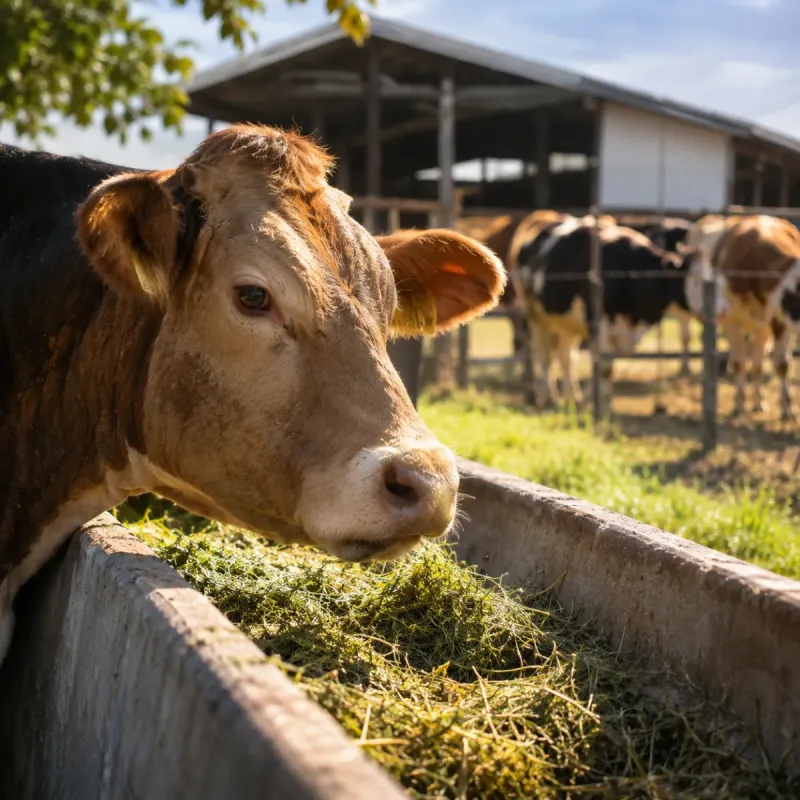
Bovine spongiform encephalopathy, or BSE, is an animal prion disease that affects cattle and became widely known after major outbreaks in the United Kingdom.
- Cattle infection
- Mad cow disease
- Food safety

Kuru: A Historically Documented Prion Disease
Main Purpose: Historical disease example
Kuru was linked to exposure to infected human brain tissue during funeral practices in Papua New Guinea; changes in these practices made the disease rare.
- Historical outbreak
- Tissue transmission
- Rare occurrence today

GSS syndrome or GSS
Main Purpose: Neurological degeneration
GSS syndrome is an extremely rare inherited prion disease, often beginning earlier in adulthood and associated with progressive neurological impairment.
- Rare condition
- Early onset
- Progressive impairment

Fatal Familial and Sporadic Insomnia
Main Purpose: Sleep regulation disruption
Fatal insomnia is a rare prion disorder involving progressive sleep disturbances; it can occur through inherited genetic changes or, more rarely, without an inherited mutation.
- Severe insomnia
- Progressive symptoms
- Genetic forms
Variant Creutzfeldt-Jakob Disease
Main Purpose: Human neurological disease
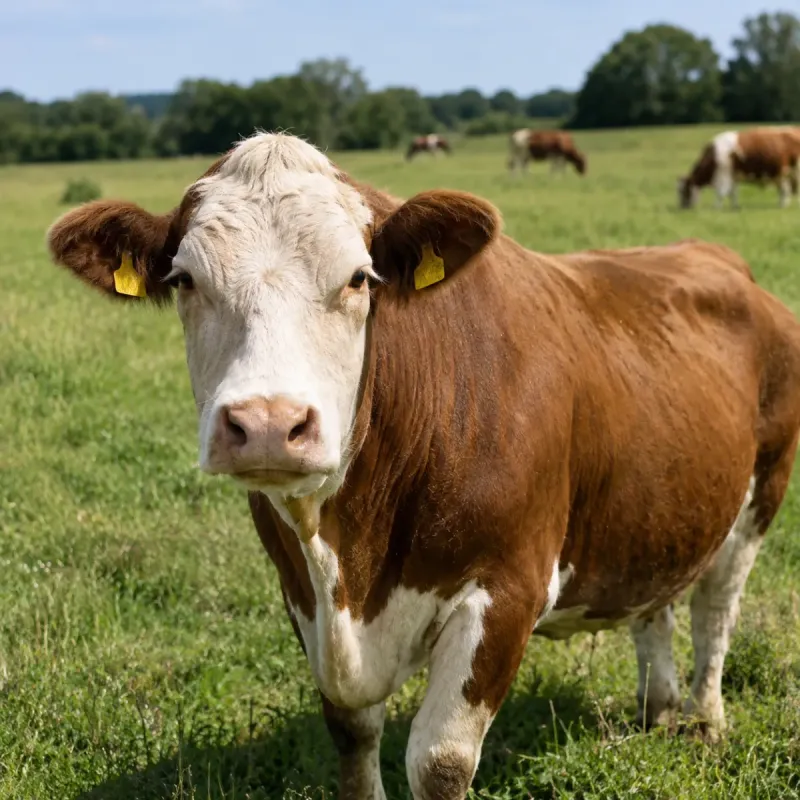
Variant CJD is associated with consuming beef from cattle affected by bovine spongiform encephalopathy, commonly known as mad cow disease.
- Mad cow disease link
- Foodborne exposure
- Younger patients

Acquired and Iatrogenic CJD
Main Purpose: Infection-related degeneration
Acquired CJD can develop following exposure to infectious prions through contaminated medical equipment or certain transplanted tissues, although these cases are uncommon.
- Contaminated equipment
- Tissue exposure
- Rare transmission

Inherited Prion Diseases
Main Purpose: Hereditary disease development
Genetic mutations can increase susceptibility to prion disorders, including familial CJD, fatal familial insomnia, and Gerstmann-Sträussler-Scheinker syndrome.
- Genetic mutations
- Family history
- Inherited risk
Sporadic Creutzfeldt-Jakob Disease
Main Purpose: Neurological degeneration
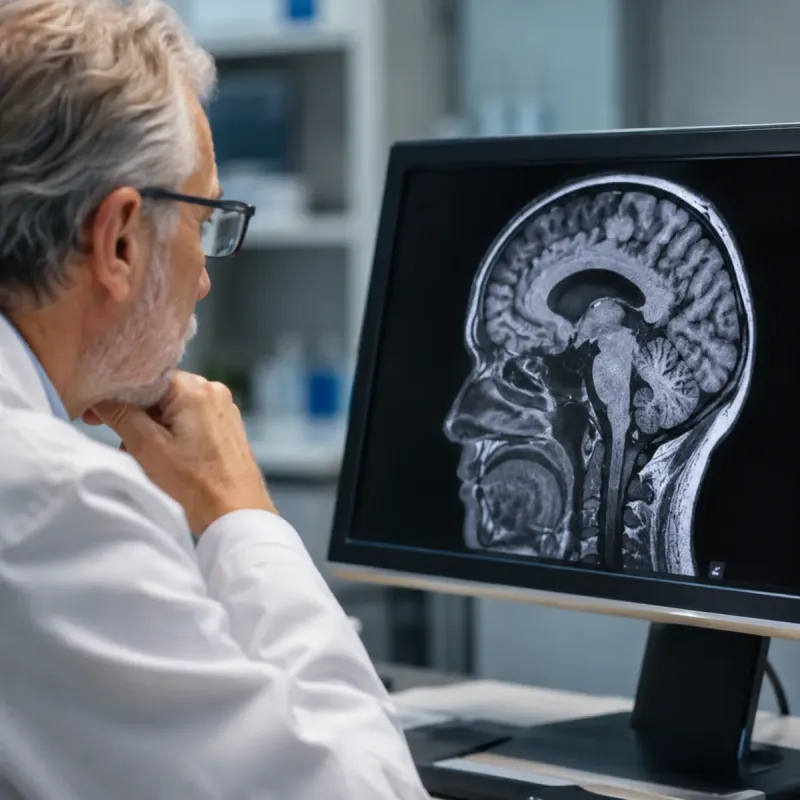
Sporadic CJD is the most common human prion disease, usually appearing without an identifiable cause and progressing rapidly after neurological symptoms begin.
- Most common form
- Rapid progression
- Older adults
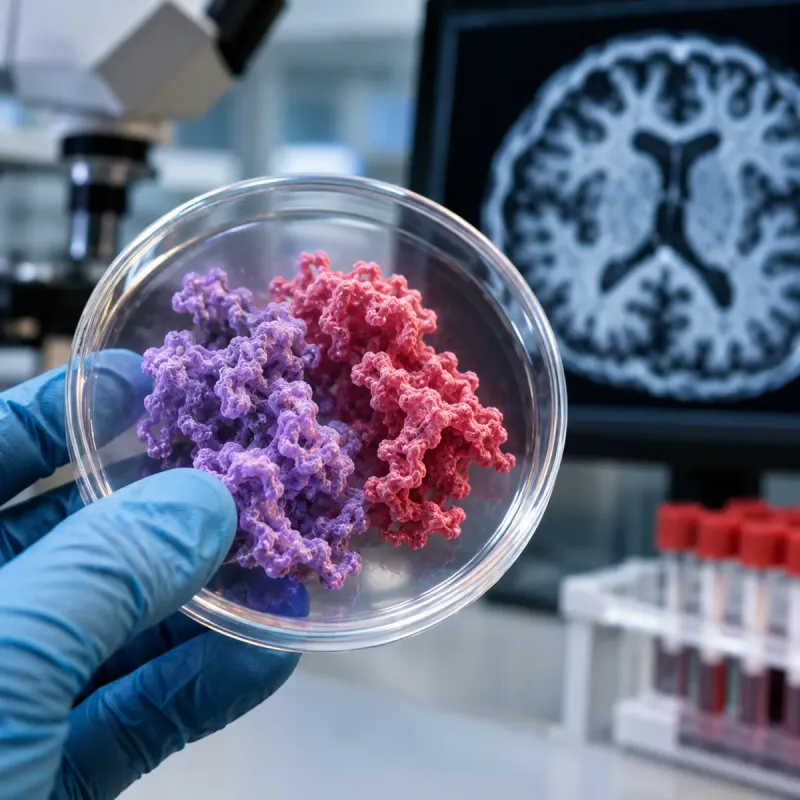
The Science Behind Prion Proteins
Main Purpose: Disease mechanism
Prion diseases develop when normal proteins change their structure and cause other proteins to misfold, forming abnormal deposits linked to brain damage.
- Protein misfolding
- Abnormal aggregation
- Neurological damage