

 22 November 2026
Synthetic biology combines biology and engineering to design new biological systems or give existing organisms useful capabilities.
From engineered microorganisms and advanced medical treatments to sustainable materials and environmental solutions, it is expanding what biotechnology can produce.
15 Key Applications and Technologies in Synthetic Biology
How a Custom Vaccine Is Teaching the Body to Never Let Cancer Return
 Inside the List
15 Items

Require Strong Biosafety and Ethical Oversight
Type: Technology governance
Engineering living systems raises questions about environmental effects, public safety, responsible research, and fair access to new technologies. Risk assessment, appropriate regulation, public engagement, and international cooperation are important for managing these challenges.
- Biosafety measures
- Risk assessment
- Ethical oversight
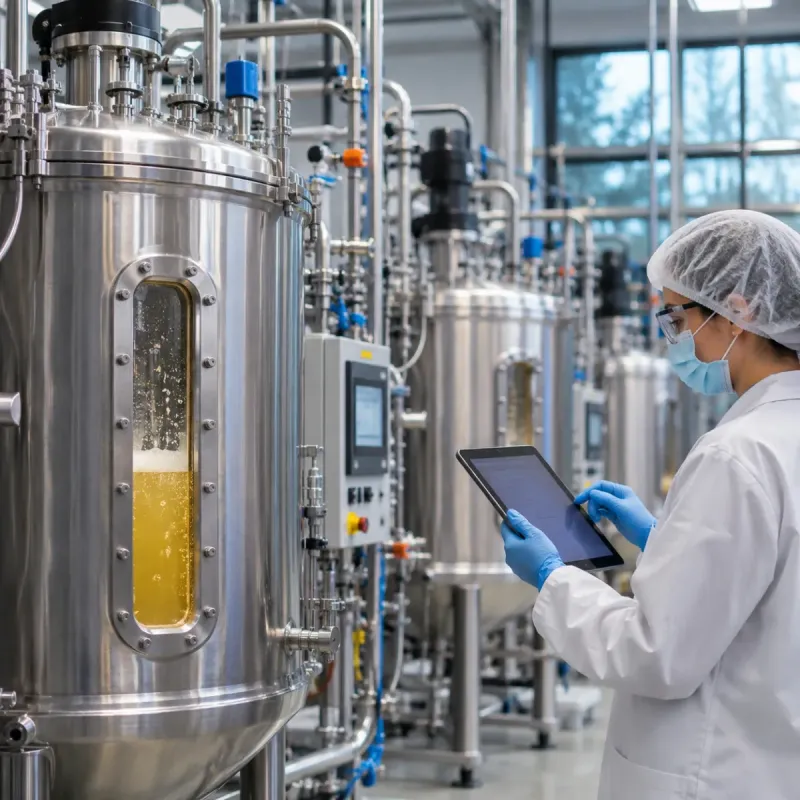
Expand Industrial Biomanufacturing
Type: Biomanufacturing
Synthetic biology supports biomanufacturing, using engineered biological systems to produce materials, chemicals, and other useful substances. Decentralized production facilities could also help bring manufacturing closer to users and strengthen supply chain resilience.
- Scalable production
- Local manufacturing
- Supply resilience
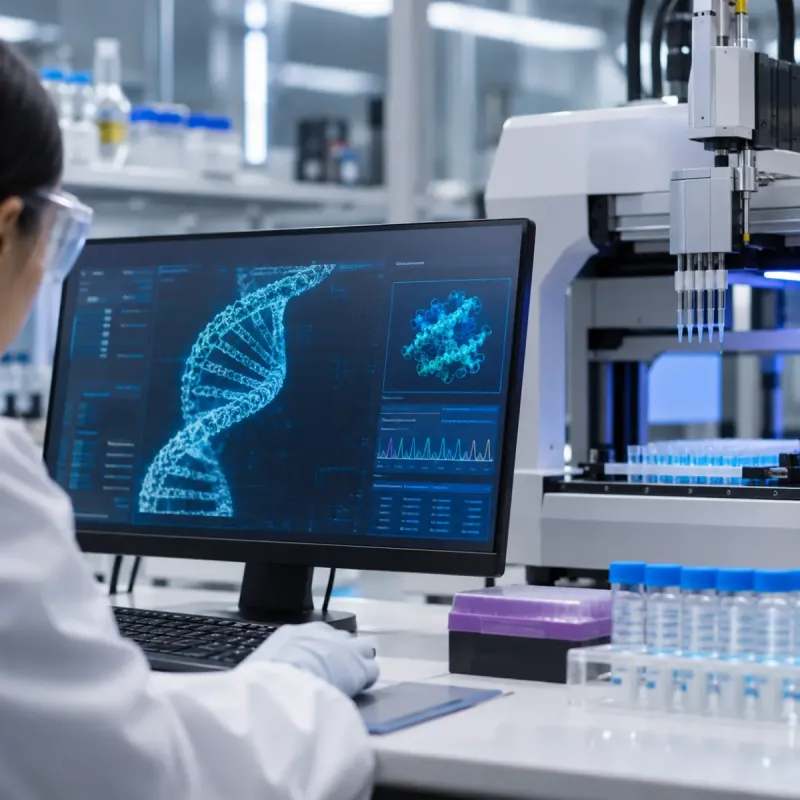
Combine Biology with AI and Automation
Type: Technology convergence
Artificial intelligence, digital technologies, and automated laboratory tools are increasingly used in synthetic biology research. These technologies can help researchers analyze biological information, accelerate experimentation, and manage more complex engineering projects.
- AI integration
- Lab automation
- Data analysis
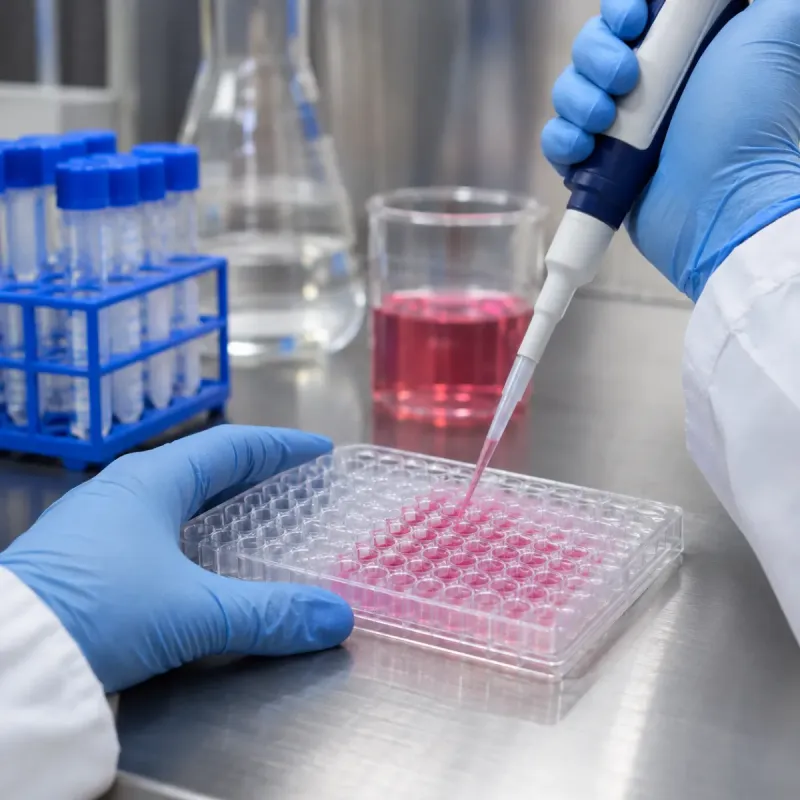
Design Artificial Biological Pathways
Type: Pathway engineering
Biological pathways are sequences of processes through which cells produce or transform substances. Synthetic biology allows researchers to design new pathways or redesign existing ones to support specific functions and produce useful compounds.
- Pathway design
- Cellular processes
- Novel functions
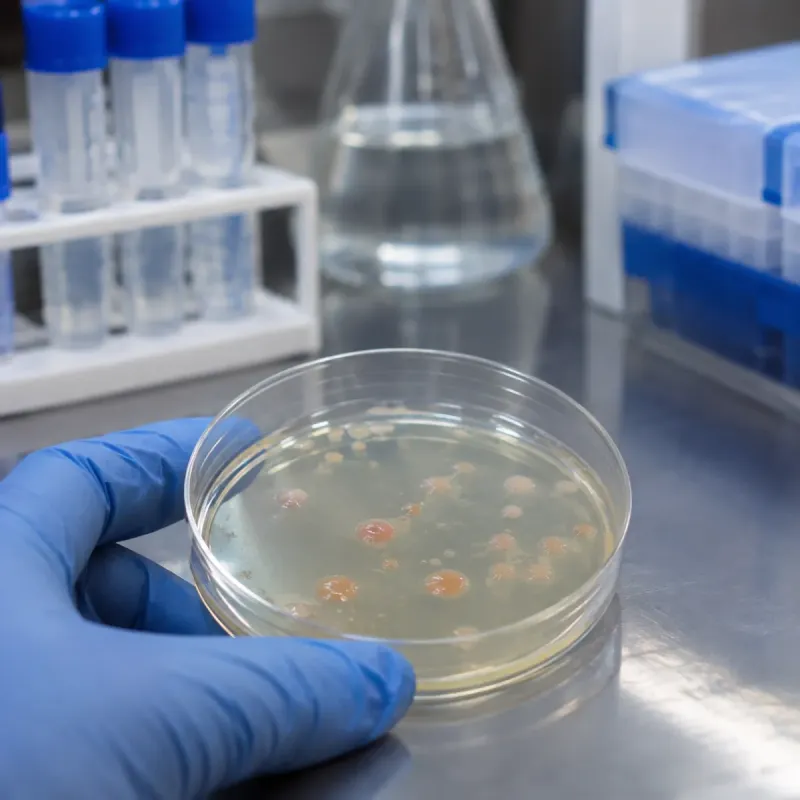
Develop Biological Sensors
Type: Biosensing technology
Synthetic biology can give organisms or biological systems the ability to detect specific substances or environmental changes. These engineered sensing capabilities could support monitoring applications in healthcare, agriculture, and environmental research.
- Biological sensors
- Signal detection
- Environmental monitoring
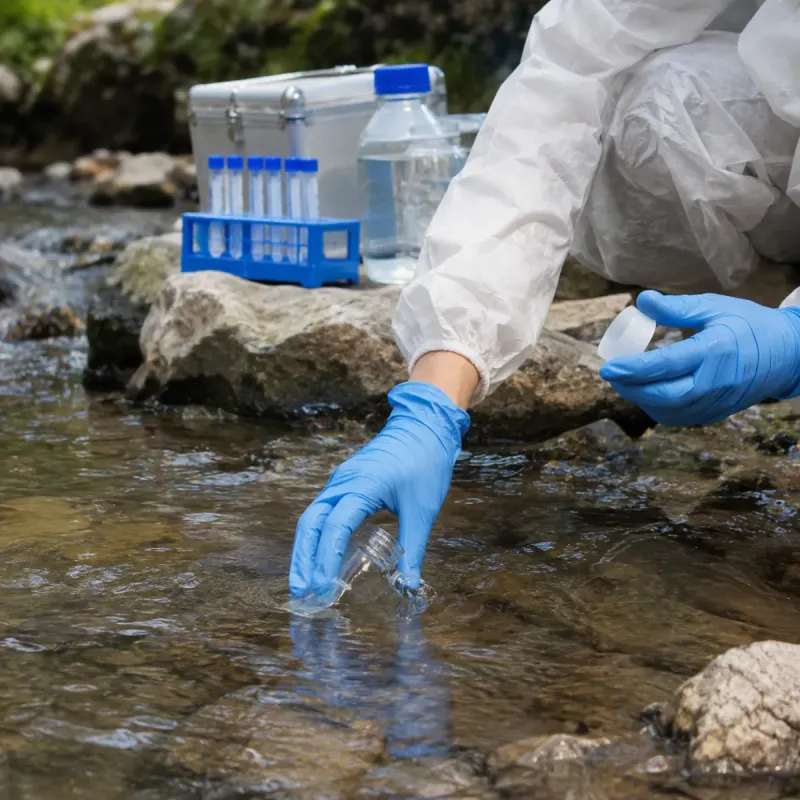
Clean Environmental Pollution
Type: Environmental biotechnology
Some engineered microorganisms can be used in bioremediation, a process that uses biological systems to help remove or break down pollutants. Synthetic biology may improve these capabilities for environmental applications involving contaminated water, soil, and air.
- Bioremediation
- Pollutant removal
- Environmental cleanup

Manufacture Bio-Based Materials
Type: Industrial biotechnology
Engineered organisms can produce chemicals and materials that can replace products traditionally made through fossil-based industrial processes. Potential applications include bio-based dyes, clothing materials, and other everyday products.
- Bio-based dyes
- Textile materials
- Sustainable products
Create Sustainable Fuels
Type: Bioenergy technology
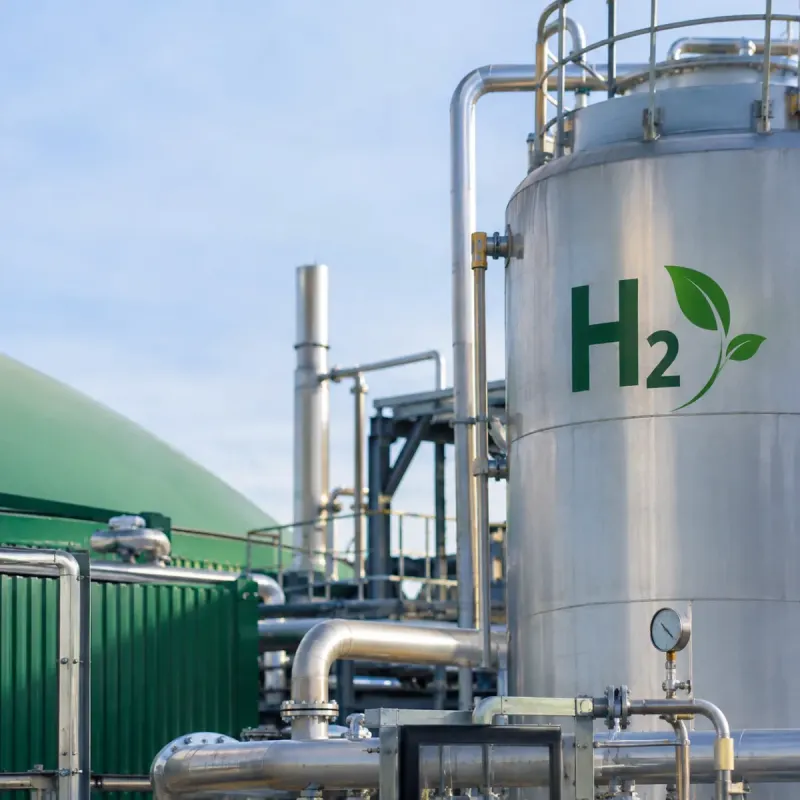
Synthetic biology can modify microorganisms and biological pathways to help produce fuels and other energy-related substances. Research areas include bio-based fuel production and green hydrogen, offering potential alternatives to some conventional industrial processes.
- Bio-based fuels
- Green hydrogen
- Microbial production
Support Alternative Food Production
Type: Food biotechnology
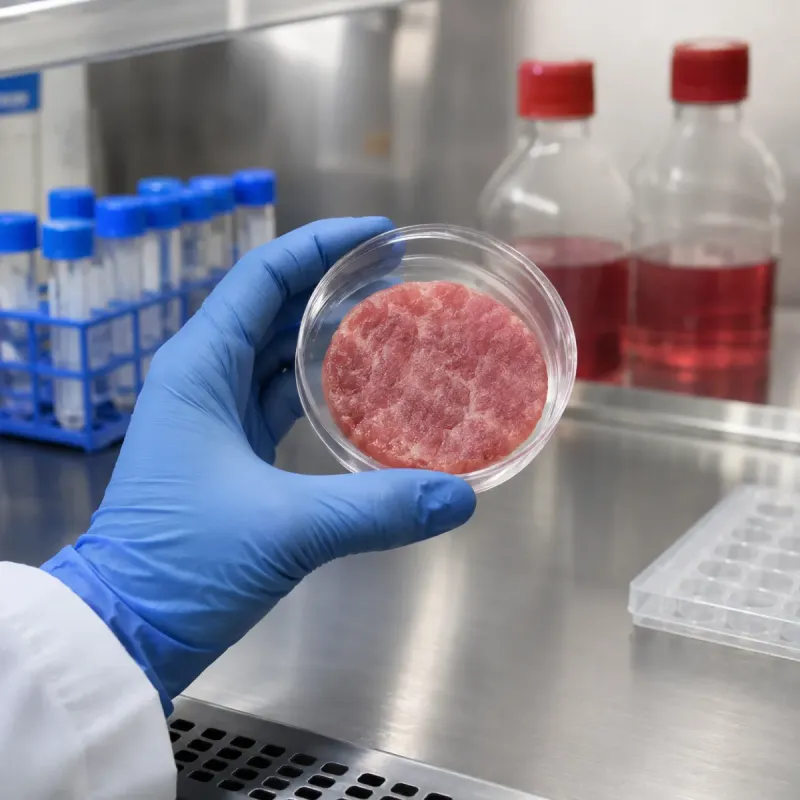
Engineered biological systems can create new ways to produce food and food ingredients. The OECD identifies lab-grown meat as an emerging application, alongside efforts to make food systems more efficient and resilient.
- Lab-grown meat
- Food ingredients
- Production efficiency

Improve Agricultural Crops
Type: Agricultural biotechnology
Synthetic biology can help modify crops to provide useful characteristics, including improved nutritional content. One example is rice engineered to produce beta-carotene, a vitamin A precursor, showing how biological engineering can address nutritional challenges.
- Nutritional enhancement
- Crop modification
- Food security
Produce Medicines More Efficiently
Type: Pharmaceutical biotechnology
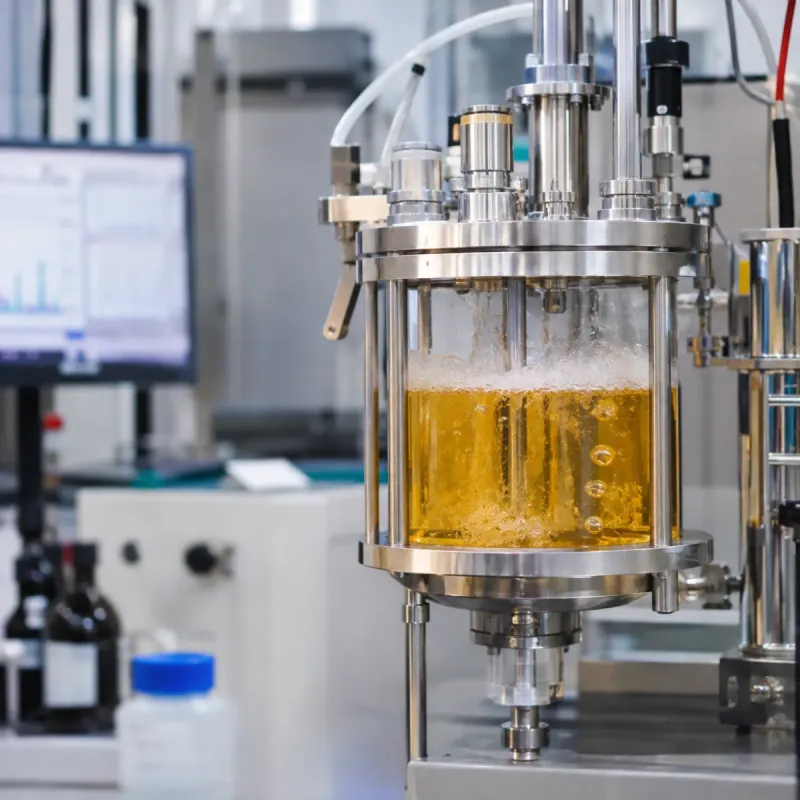
Engineered organisms can be designed to manufacture valuable pharmaceutical substances. Researchers have investigated synthetic biology to produce medicines, including compounds to treat diseases such as malaria, potentially offering alternatives to conventional production methods.
- Drug production
- Engineered microbes
- Medical compounds
Develop New Medical Treatments
Type: Medical biotechnology
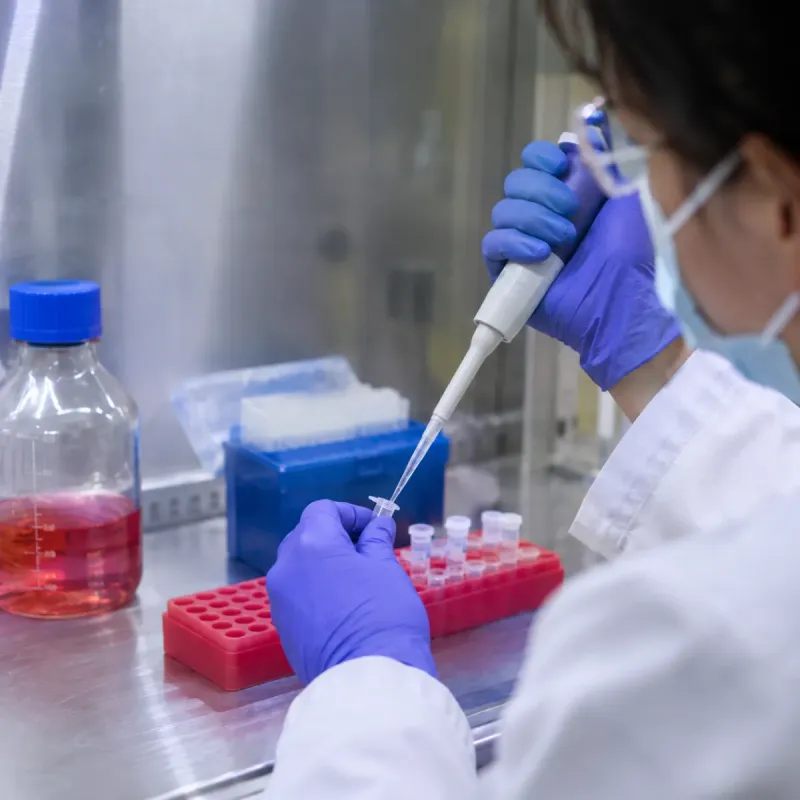
Synthetic biology can support the development of advanced treatments by creating or modifying biological systems for medical purposes. Applications include personalized gene therapies and programmable cells being investigated for their potential to target cancer.
- Gene therapies
- Programmable cells
- Targeted treatment
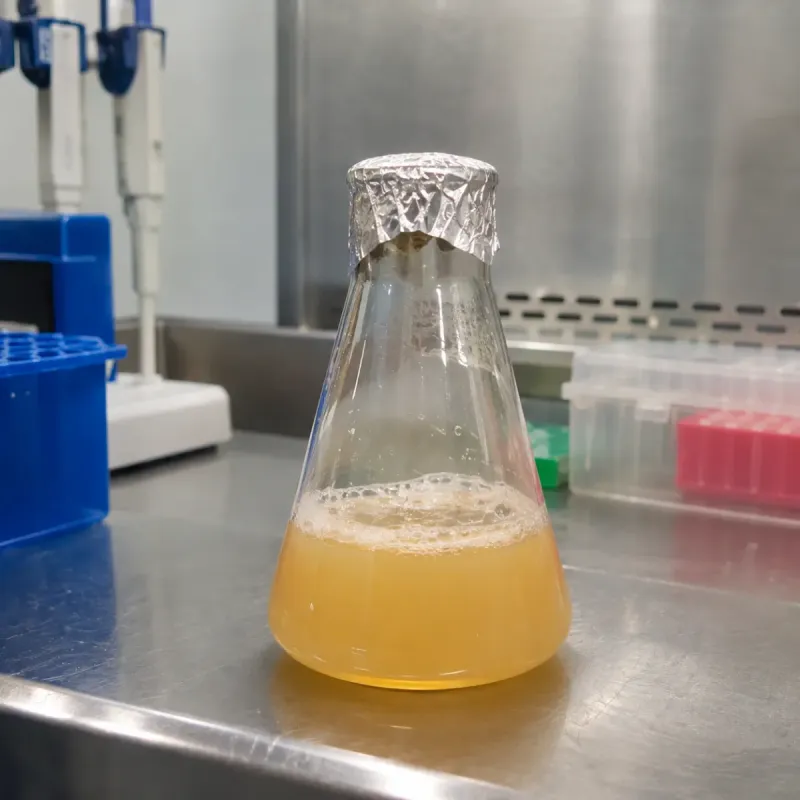
Engineer Microorganisms for Production
Type: Microbial engineering
Scientists can redesign bacteria and yeast to produce useful substances, including medicines, fuels, and industrial ingredients. These engineered microorganisms act as biological production systems that can support applications across biotechnology and manufacturing.
- Engineered bacteria
- Modified yeast
- Biological production
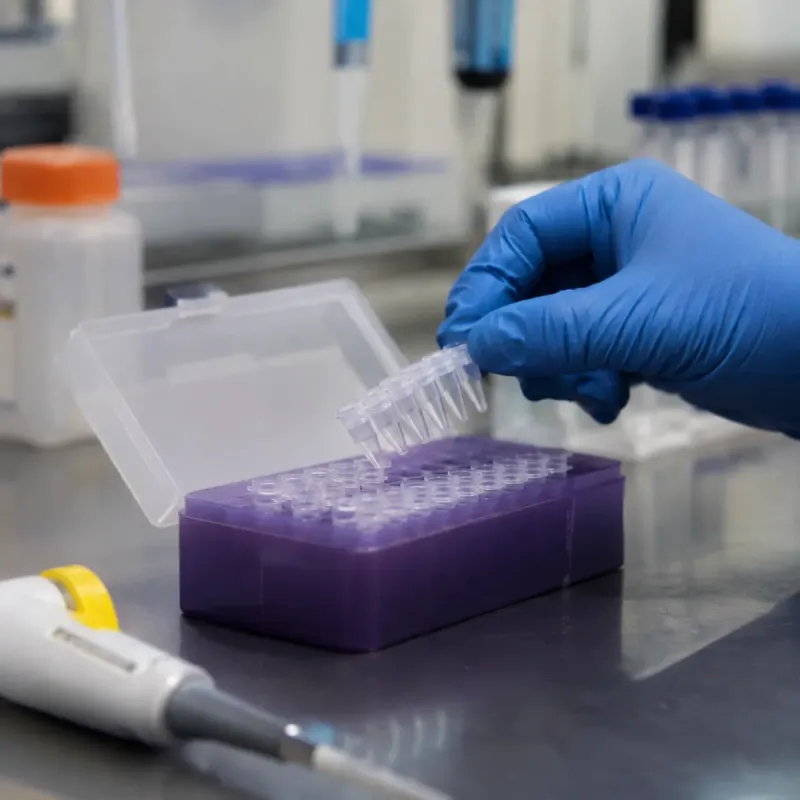
Build New DNA Sequences
Type: Genetic technology
DNA synthesis allows researchers to create genetic sequences for use in engineered biological systems. These sequences can come from naturally occurring genes or be designed to introduce functions that do not already exist in an organism.
- DNA synthesis
- Designed sequences
- Genetic instructions
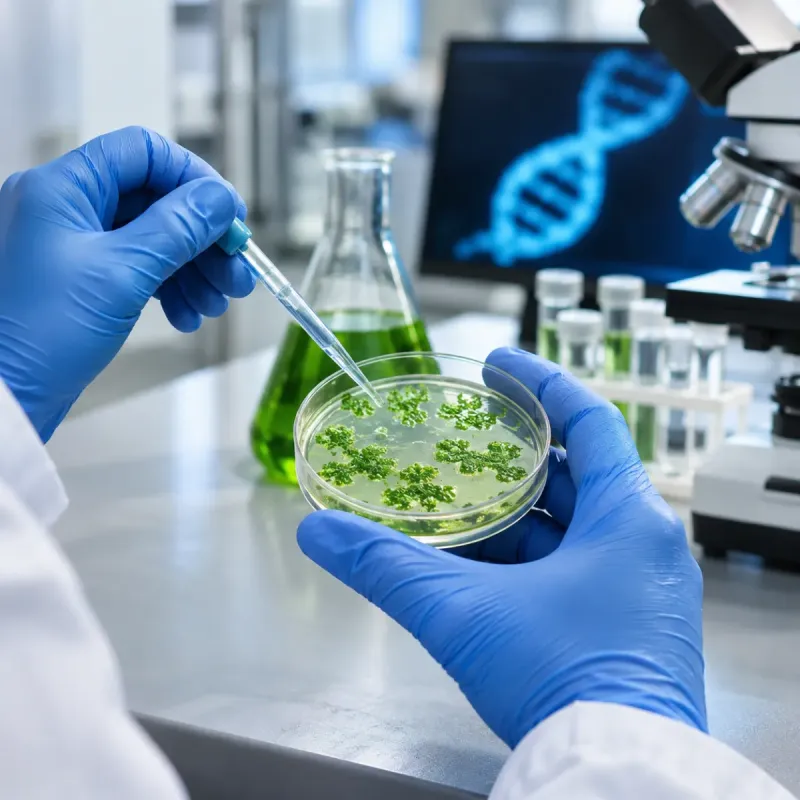
Redesign Existing Biological Systems
Type: Biological engineering
Synthetic biology involves modifying natural biological systems or designing new ones to perform specific functions. Scientists combine biological knowledge with engineering principles to create organisms, pathways, and devices for practical applications.
- System redesign
- Engineered organisms
- Novel functions