

 22 November 2026
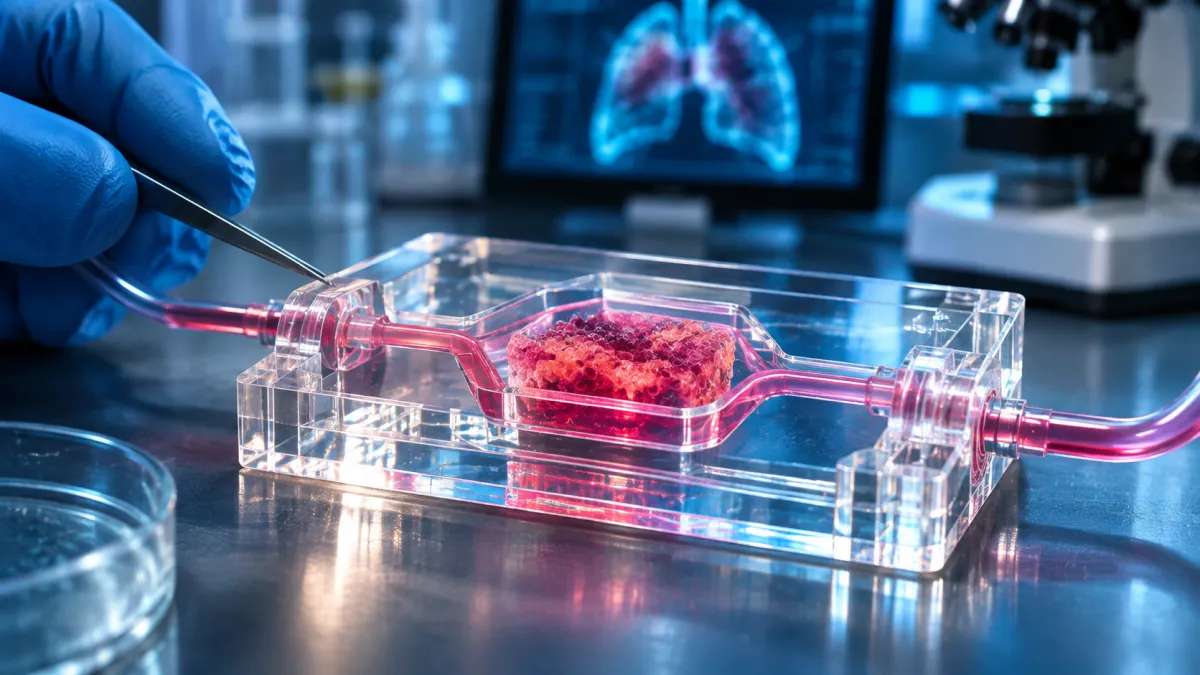
Organ-on-a-chip technology recreates selected functions of human organs inside small microfluidic devices containing living cells.
By combining tissue engineering with carefully controlled fluid flow, these systems give researchers new ways to study diseases, test drugs, and investigate human biology outside the body.
12 Key Applications and Technologies Behind Organ-on-a-Chip
Read More

 Inside the List
12 Items
Patient-Specific Chips Support Personalized Medicine
Main Purpose: Study individual responses
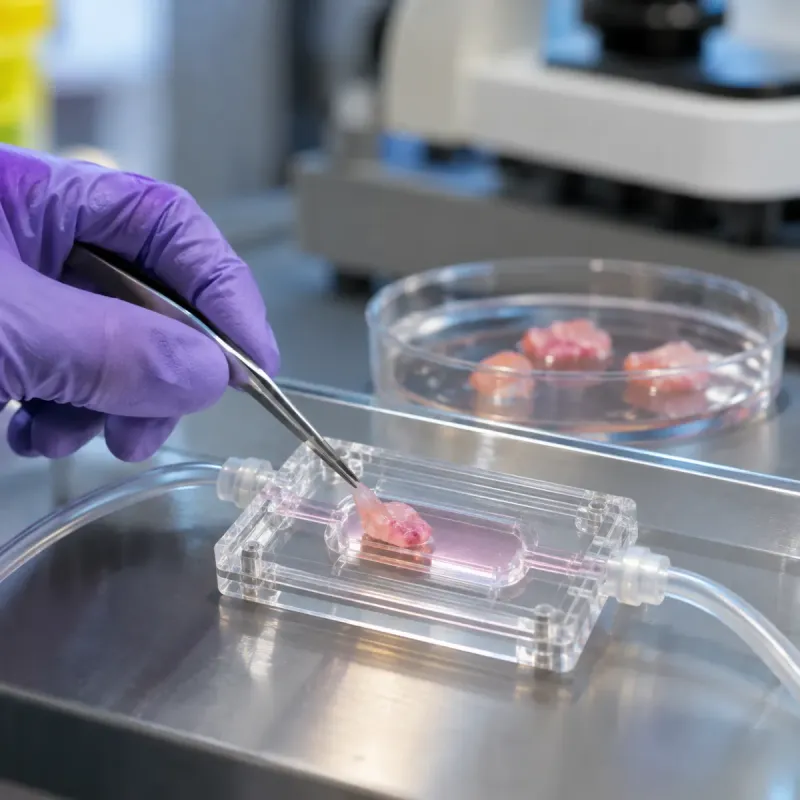
Researchers can use patient-derived cells, including cells generated from induced pluripotent stem cells, to build models that reflect individual biological characteristics. These systems may help investigate differences in treatment responses and support future personalized medicine approaches.
- Patient-specific models
- Stem cell technology
- Treatment research
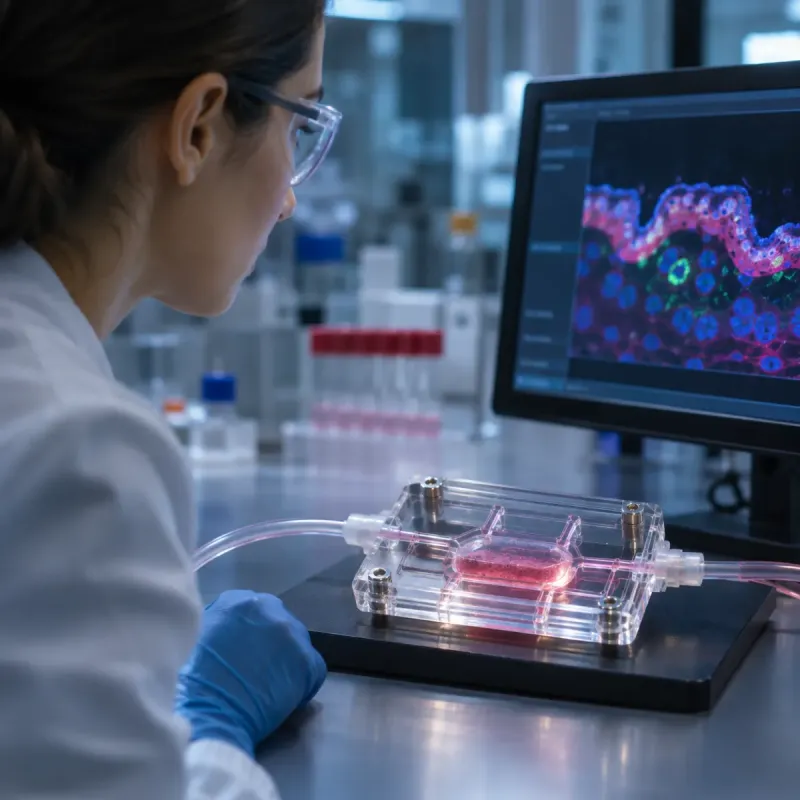
Disease Models Investigate Human Conditions
Main Purpose: Investigate disease processes
Organ-on-a-chip systems can recreate selected features of diseases, allowing researchers to examine how tissues behave under specific pathological conditions. Researchers have applied the technology to studies of infections, inflammation, respiratory conditions, and other human diseases.
- Disease simulation
- Tissue analysis
- Infection research
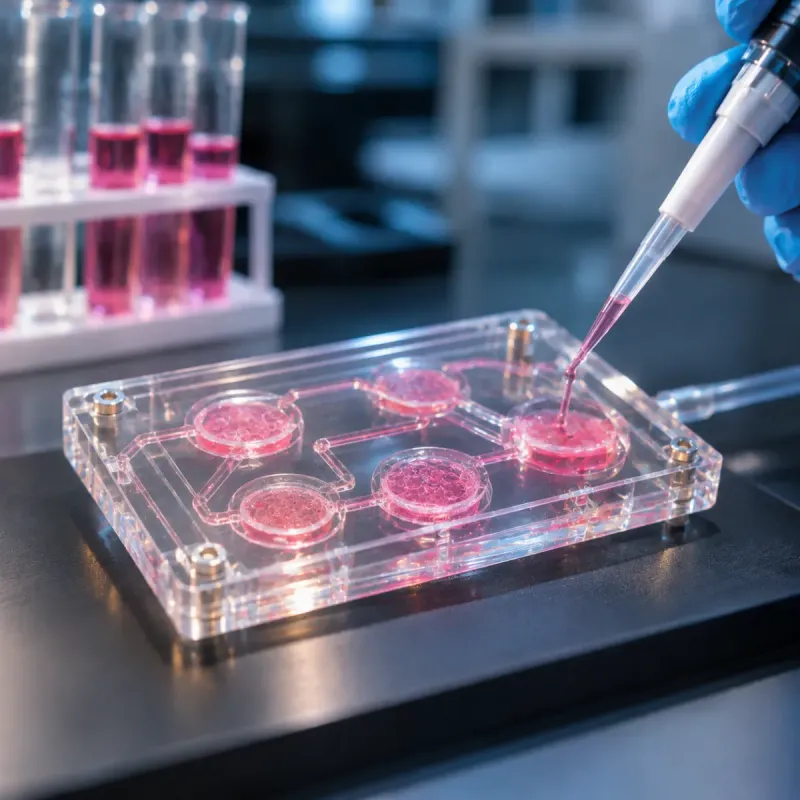
Drug Testing Evaluates Treatment Responses
Main Purpose: Evaluate drug responses
Researchers can introduce drug compounds into organ-on-a-chip systems and observe how living tissues respond. These experiments support preclinical research by providing human-cell-based models for evaluating potential effects, toxicity, and dosage-related responses.
- Drug screening
- Toxicity analysis
- Dose evaluation
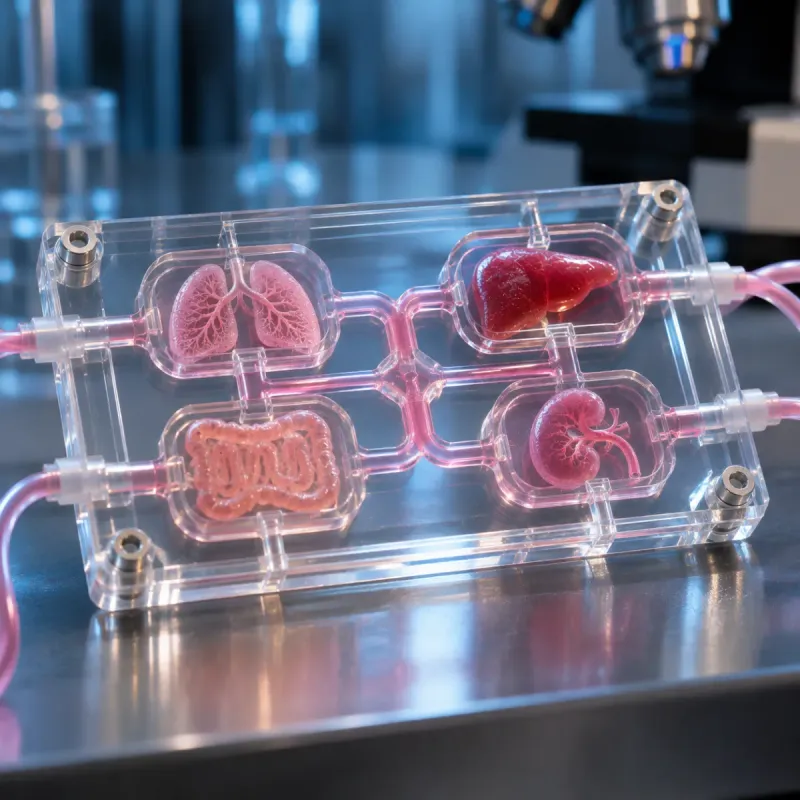
Multi-Organ Chips Connect Different Tissues
Main Purpose: Study organ interactions
Multi-organ systems link separate tissue models through fluid channels, allowing substances and signalling molecules to move between them. Often called body-on-a-chip systems, they help researchers examine how one organ may influence another.
- Connected tissues
- Shared circulation
- Systemic responses
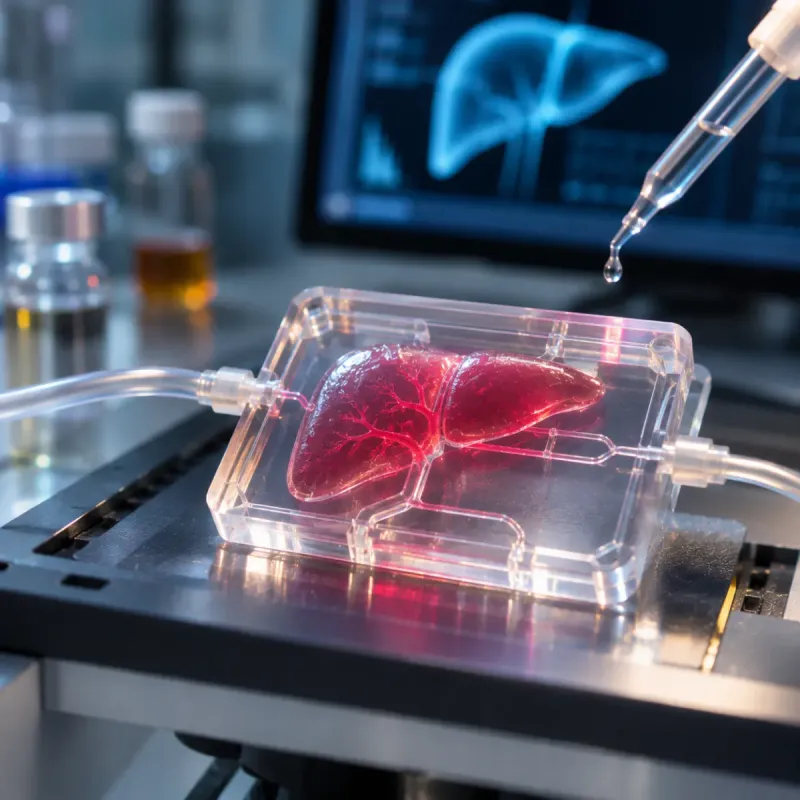
Liver-on-a-Chip Examines Drug Metabolism
Main Purpose: Study drug metabolism
Liver chips provide a controlled environment for studying how liver cells process compounds and respond to potential toxins. They are especially relevant to drug development, where researchers need to assess potential liver injury before clinical testing.
- Drug metabolism
- Toxicity testing
- Liver function
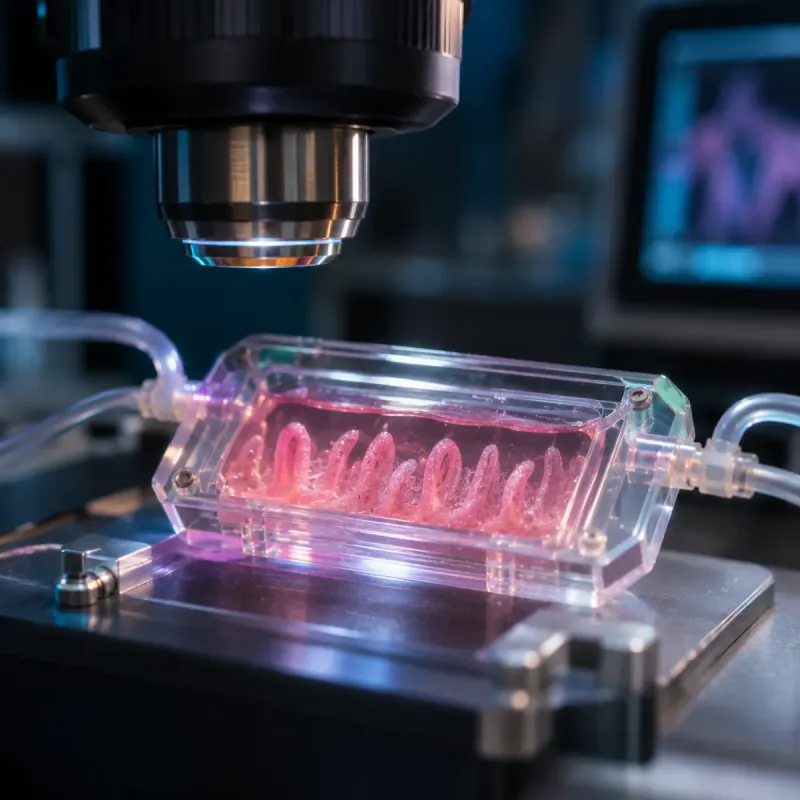
Gut-on-a-Chip Studies Digestion and Microbes
Main Purpose: Study gut biology
Gut-on-a-chip models recreate aspects of the intestinal environment, including tissue barriers and interactions with microorganisms. They can help researchers investigate intestinal diseases, microbial activity, and how substances move across the gut lining.
- Intestinal cells
- Microbial interactions
- Barrier function
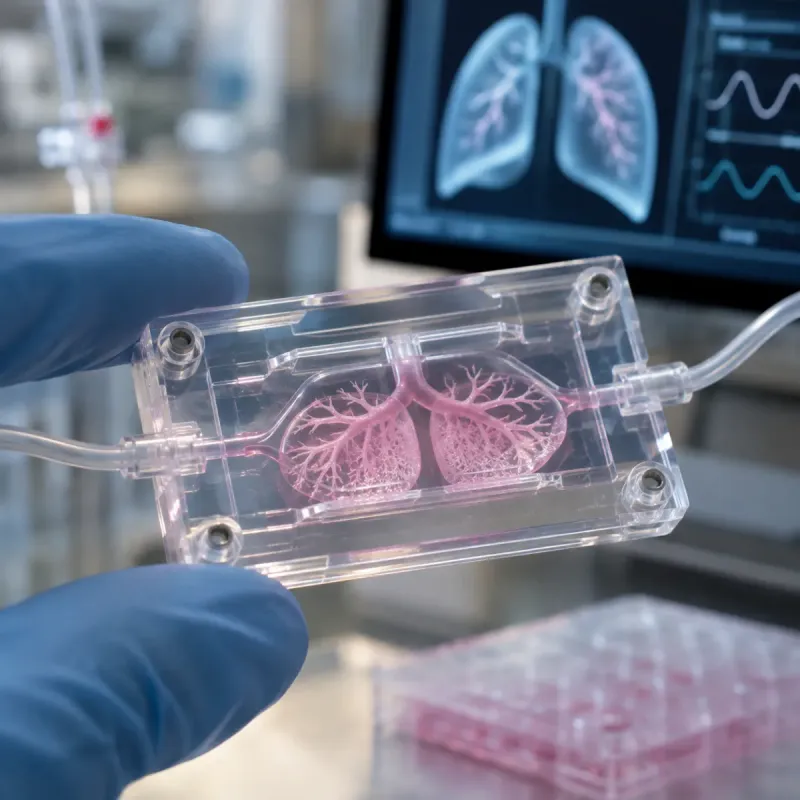
Lung-on-a-Chip Models Respiratory Functions
Main Purpose: Study lung function
Lung-on-a-chip systems recreate selected features of the human lung, including tissue interfaces and mechanical behaviour associated with breathing. Researchers can use them to investigate respiratory diseases and study how treatments affect lung tissue.
- Breathing simulation
- Lung tissue
- Drug testing
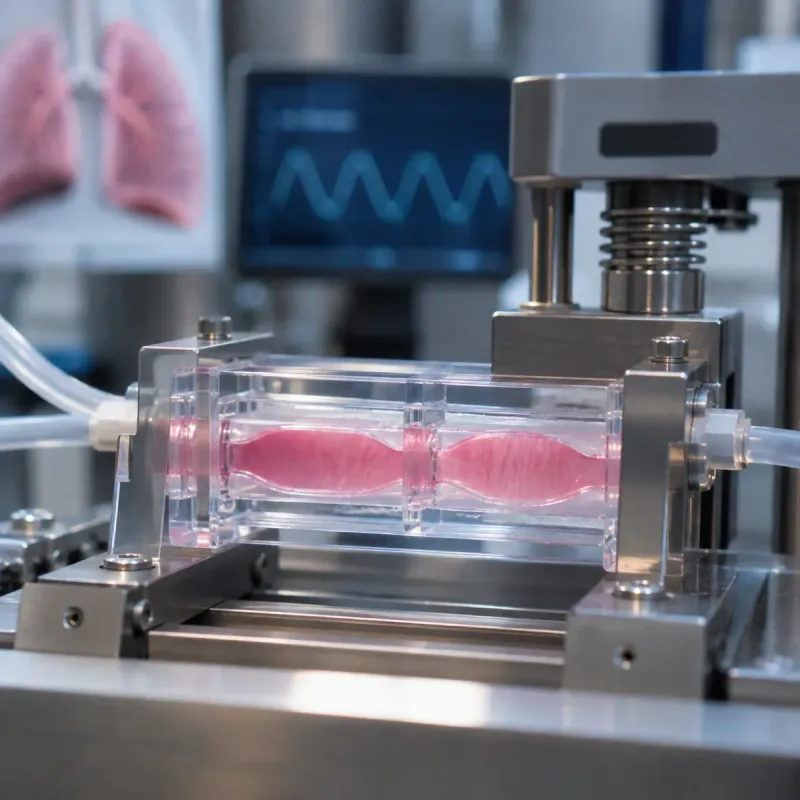
Mechanical Forces Reproduce Organ Movement
Main Purpose: Simulate physical activity
Certain organ-on-a-chip models recreate physical forces that affect living tissues. For example, lung chips can simulate breathing-related stretching, while intestinal models can reproduce peristaltic movements.
- Mechanical stimulation
- Tissue stretching
- Dynamic conditions
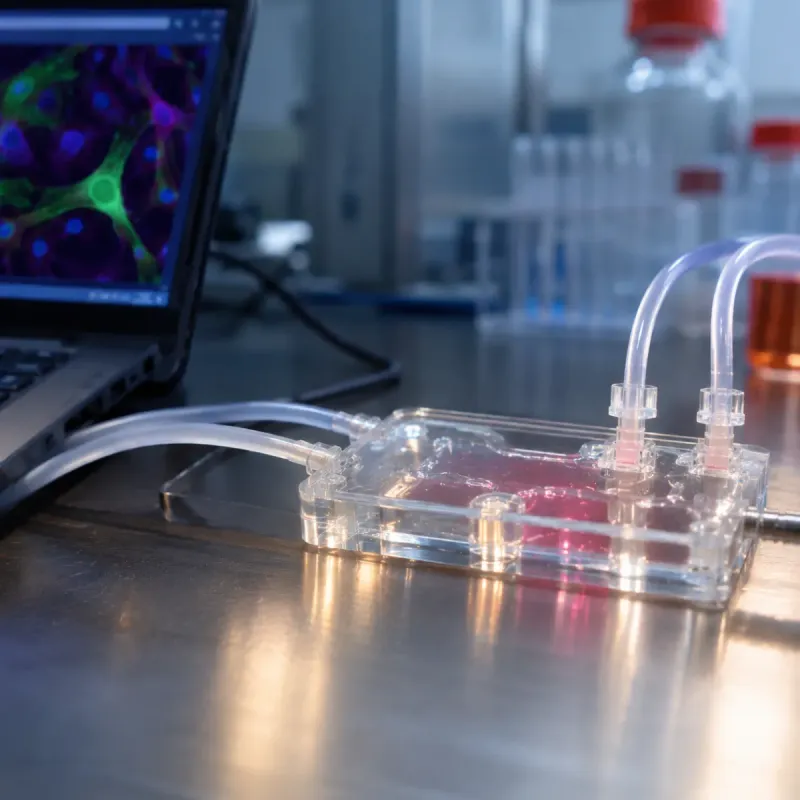
Fluid Flow Mimics Circulation Inside the Body
Main Purpose: Maintain tissue conditions
Pumps move culture fluid through the chip, supplying nutrients and removing cellular waste. This process, known as perfusion, can reproduce aspects of blood flow and other fluid movements that influence how tissues behave.
- Continuous flow
- Nutrient delivery
- Waste removal
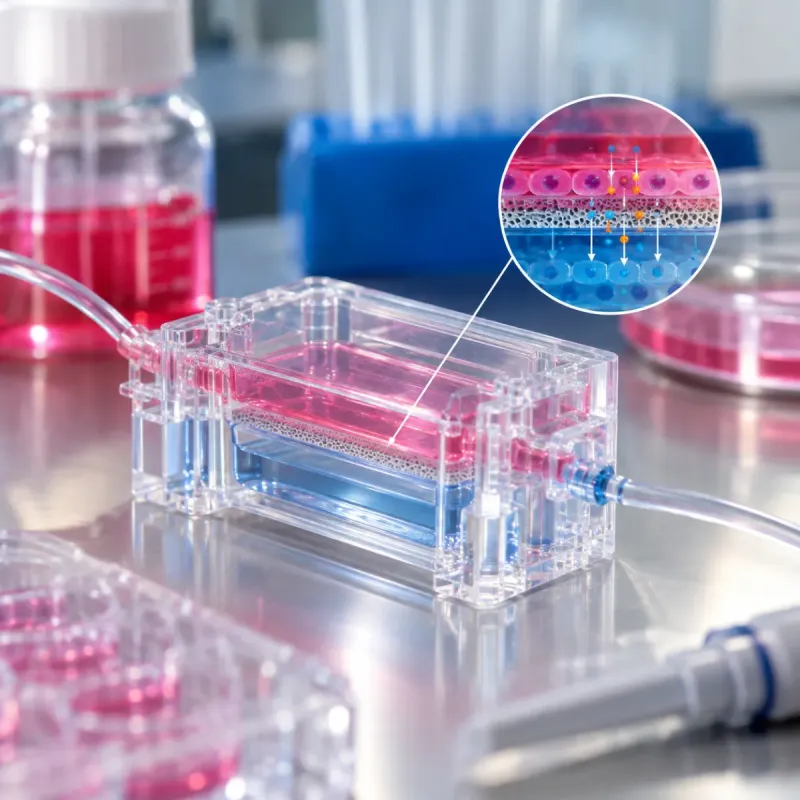
Porous Membranes Create Tissue Barriers
Main Purpose: Study tissue interfaces
Some devices use porous membranes to separate cell layers while allowing molecules to pass between compartments. This arrangement helps researchers study biological barriers, including those found in the lungs, intestines, and blood vessels.
- Porous membranes
- Cell layers
- Molecular transport
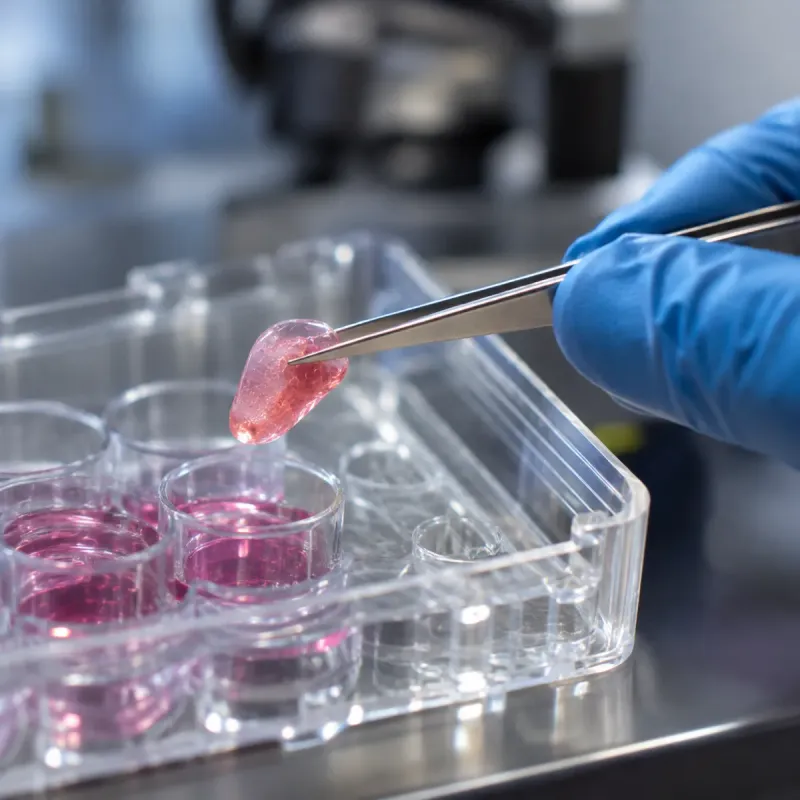
Living Human Cells Recreate Tissue Functions
Main Purpose: Reproduce organ functions
The chips are lined or populated with living cells that form miniature tissue models. These cells may come from primary tissue, established cell lines, or stem-cell-derived sources, depending on the research goal.
- Living cells
- Tissue structures
- Human biology
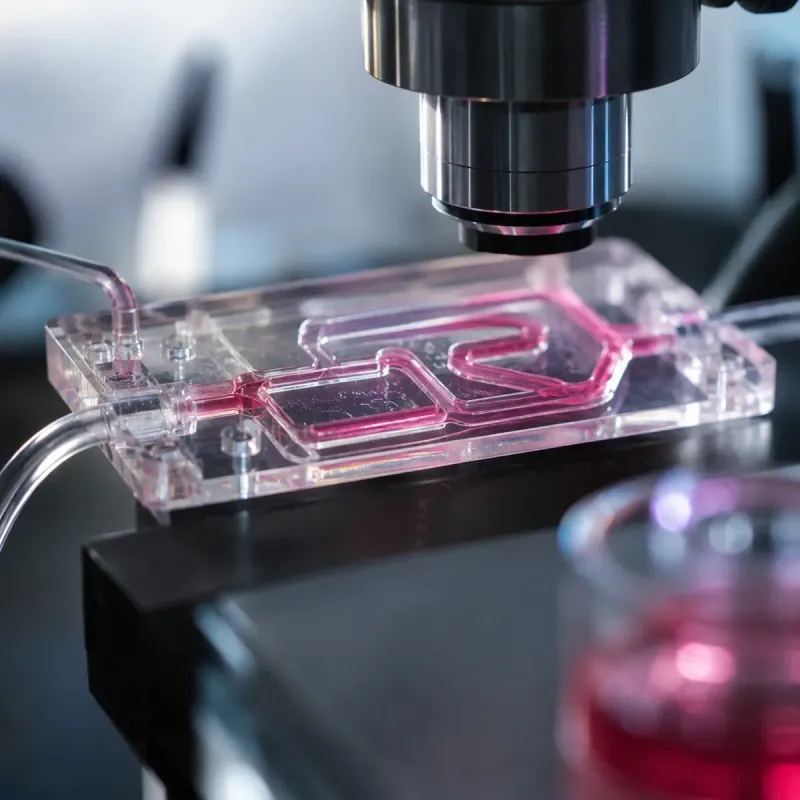
Microfluidic Channels Control the Environment
Main Purpose: Control the cell environment
Organ-on-a-chip devices contain networks of tiny channels that guide small volumes of liquid around living cells. This controlled environment helps researchers recreate selected conditions found inside human organs.
- Fluid control
- Microchannels
- Precise conditions