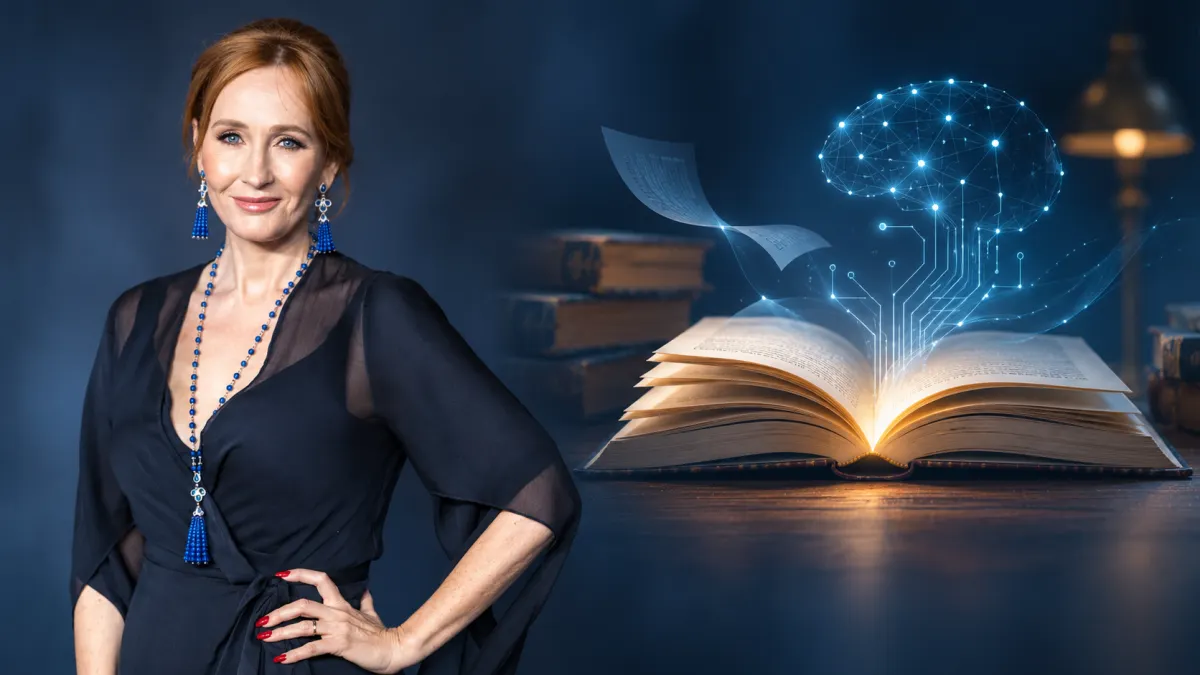

Bloomsbury, the publisher behind the famous Harry Potter series, is against using artificial intelligence to write books. But as AI tools get better, spotting AI-generated writing is becoming harder. The debate raises an important question: what does this mean for human creativity and the future of publishing?
Why Is Bloomsbury Against AI-Written Books?
Bloomsbury accepts that AI can be useful for research, but it doesn't want the technology to replace authors when it comes to writing books.
Nigel Newton, Bloomsbury's chief executive, has also pointed out how difficult it's becoming to identify AI-generated writing. Editors still play an important role in reviewing manuscripts, but no method can reliably catch every case of AI use.
J. K. Rowling: The Author Behind Harry Potter
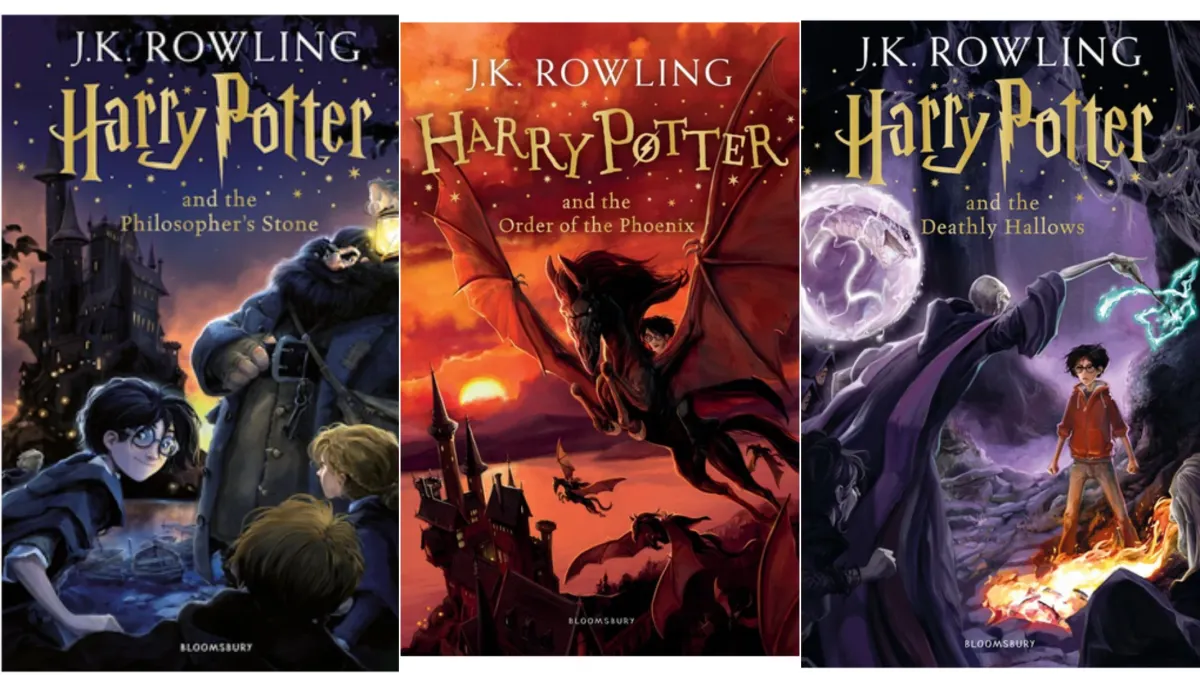
J. K. Rowling is the British author who created the seven-book Harry Potter series. The first book came out in 1997, and the final book was published in 2007.
With its memorable characters, magical world, and engaging storytelling, Harry Potter became one of the world's most successful book series. The books also inspired a hugely popular series of movies.
However, Bloomsbury's opposition to AI-written books doesn't automatically mean Rowling has personally made the same statement.
The Story Behind Temu: How Colin Huang Built a Global Shopping Empire
Can AI Replace Human Writers?
AI tools can now generate stories, characters, and dialogue. They can also help writers research topics, develop ideas, and edit their work.
But producing fluent text isn't the same as creating an original work of literature. Good storytelling takes imagination, believable characters, a consistent plot, and creative decisions.
Of course, not every AI-generated text is bad, and not every human-written piece is great. What matters is the originality of the work and how much the author actually contributes.
Why Is AI Writing Getting Harder to Spot?
Modern AI models can produce natural-sounding text and imitate different writing styles. When a human edits that text, figuring out where it came from becomes even harder.
AI detection tools aren't always accurate, either. Their results alone aren't enough to prove whether a person or an AI wrote something.
Publishers may need to look beyond detection software and pay closer attention to writing quality, the creative process, and how openly authors discuss their use of AI.
Is Using AI to Write a Book Wrong?
Not necessarily. Using AI doesn't always mean handing over the entire writing process to a machine. Authors can use it to research a topic, organize ideas, or polish their own writing.
But when AI produces most of a book, questions arise about originality, authorship, and how the work should be presented to readers.
The key difference is whether AI acts as a tool that supports the author or takes over the author's creative role.
The Future of Publishing in the Age of AI
Publishers need to decide which uses of AI they will accept and how they can protect authors' rights. Copyright, originality, and transparency are becoming major issues across the publishing industry.
It's still unclear whether publishers will introduce stricter restrictions or allow AI use under specific rules.