
The Stack of Angry Letters on Harold's Desk
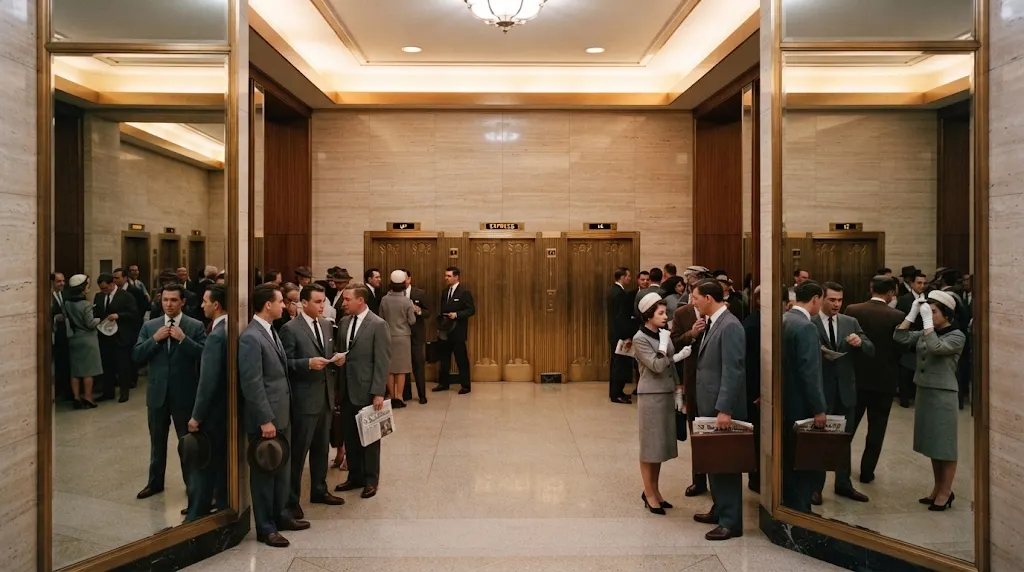
In the sweltering summer of 1951, a commercial building manager named Harold Vance sat behind a mahogany desk in downtown Manhattan, staring at a stack of twenty-two tenant complaint letters. Every letter said the exact same thing: the building's passenger elevators were insufferably slow.
Law firms and corporate tenants on the upper floors complained that they were waiting up to eight minutes just to ride down to the street for lunch. Several valuable companies threatened to break their leases unless management installed modern high-speed elevators.
Harold called in elevator engineers, but their structural report delivered crushing news. Speeding up the cable hoists or carving out new elevator shafts would cost over two hundred thousand dollars and require shutting down the building for six months.
Gas Stations Barely Make Money on Gas. The Real Profit Engine Is the Snack Aisle
The Psychologist Who Solved an Engineering Nightmare
Desperate for a realistic solution, Harold consulted an industrial psychologist who studied human behavior in commercial workspaces. The psychologist spent two days observing office workers waiting in the lobby.
He noticed that when people waited for an elevator car with nothing to occupy their hands or minds, their perception of time distorted dramatically. A two-minute wait in an empty hallway felt like ten agonizing minutes.
The psychologist told Harold that the elevators did not actually need to move faster. What needed to change was what tenants did while waiting.
The Involuntary Power of the Looking Glass
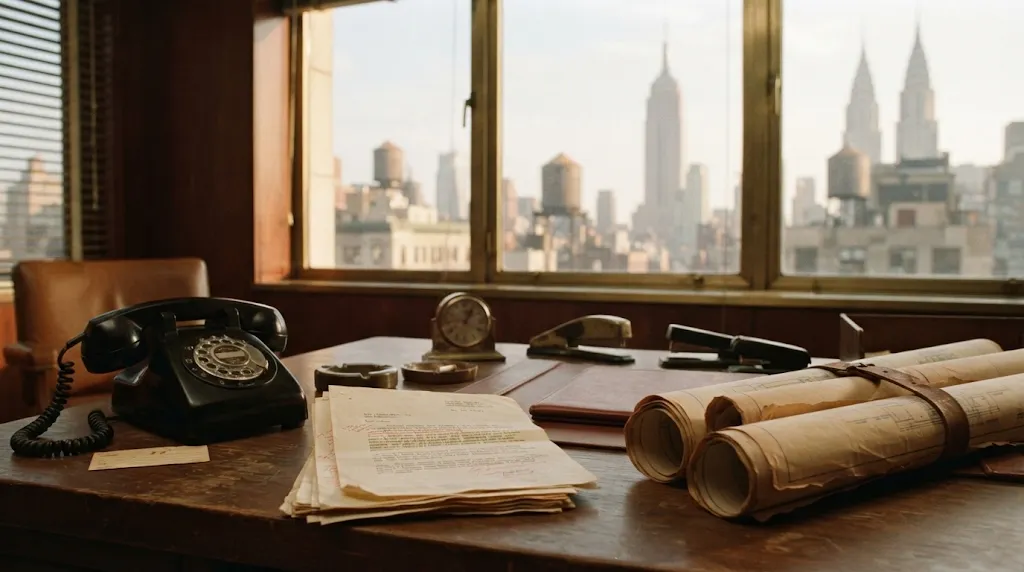
The psychologist proposed a remarkably cheap experiment: install full-length mirrors on the lobby walls directly beside the elevator call buttons. Harold was skeptical, but mirrors cost a tiny fraction of new mechanical hoists.
Within days of installing the mirrors, tenant behavior transformed completely. Instead of pacing back and forth, sighing, and tapping their watches, people stood calmly in front of the glass.
Men adjusted their neckties, checked their jacket lapels, and combed their hair. Women checked their makeup and adjusted their hats. Even people who had no intention of looking found themselves involuntarily checking their reflection.
Occupied Time Versus Empty Agony
Human psychology operates on a fundamental principle of time perception: occupied time always feels significantly shorter than unoccupied time.
When our brains have zero sensory input or tasks to process, we focus entirely on the passage of seconds. Every tick of the clock becomes a point of irritation and impatience.
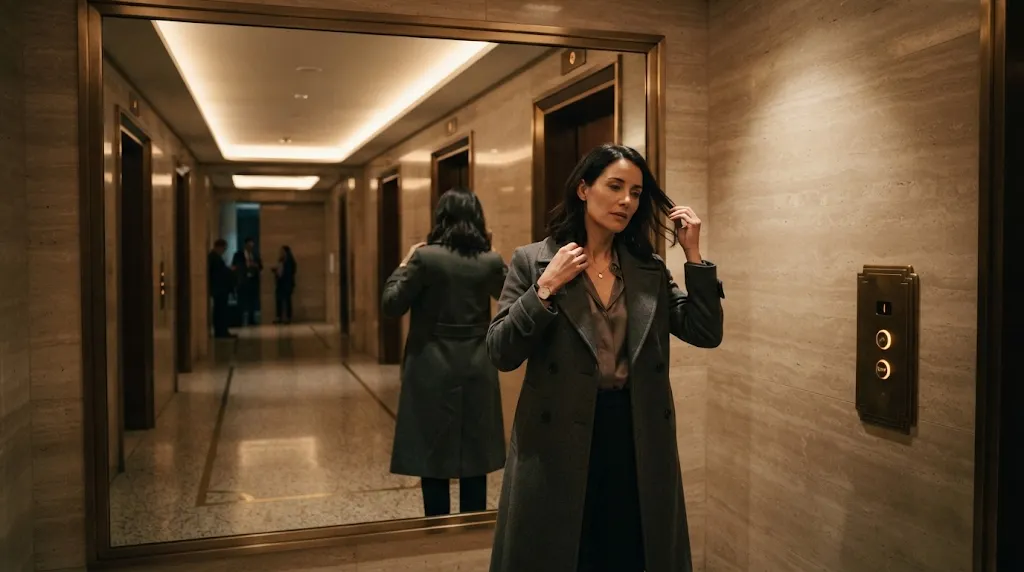
Gazing at one's own reflection engages personal vanity, social awareness, and curiosity. While tenants fixed their collars, the elevator doors slid open before they even realized time had passed.
How Complaint Letters Vanished Overnight
The practical result was astonishing. The mechanical elevators ran at the exact same physical speed as before, but tenant complaints dropped to zero within three weeks.
Several tenants even wrote thank-you notes praising management for finally upgrading the elevator machinery, completely unaware that not a single bolt or motor had been touched.
Word of the Manhattan mirror trick spread rapidly through commercial real estate circles. Within a decade, floor-to-ceiling lobby mirrors became standard architectural equipment across high-rise buildings worldwide.
| Waiting Environment | Actual Wait Duration | Perceived Wait Duration | Tenant Frustration Level |
|---|---|---|---|
| Plain Hallway Wall | 2 minutes | 5 to 8 minutes | Extremely High (Watch-Tapping, Complaints) |
| Wall with Floor-Length Mirror | 2 minutes | 30 to 45 seconds | Near Zero (Grooming, People-Watching) |
| Modern Elevator Digital Displays | 2 minutes | 1 minute | Low (Passive Information Absorption) |
The Modern Evolution of Waiting Psychology
Today, architects and service designers use Harold Vance's mirror principle everywhere in daily life. Disneyland uses winding, themed waiting corridors packed with interactive props to make two-hour ride queues feel bearable.
Modern airports place luggage carousels far away from arrival gates intentionally. Walking ten minutes through the terminal feels productive, whereas standing still by a motionless baggage belt generates instant anger.
Computer operating systems use animated progress bars and spinning wheels for the exact same psychological reason, keeping user minds engaged during data downloads.
The Subtle Art of Solving the Right Problem
The next time you stand before an elevator bank and automatically check your hair in the mirror, remember Harold Vance and his Manhattan tenants.
Sometimes the most expensive engineering problem is not a mechanical failure at all, but a simple flaw in human perception.
A twenty-dollar pane of glass can solve a two-hundred-thousand-dollar engineering headache simply by giving the human mind something familiar to look at.