
Flight Search Cookies and the Private Window Myth
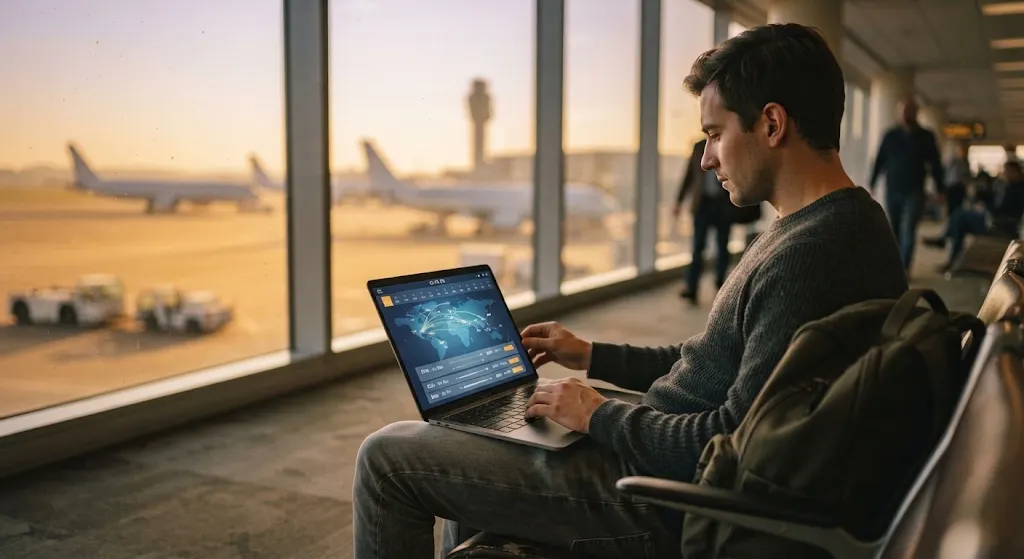
A few summers ago, my coworker Sarah spent two hours on her laptop hunting for round-trip flights from Chicago to Lisbon. Every time she refreshed the airline webpage, the ticket price climbed another forty dollars. Convinced the website algorithm was tracking her search history, she opened a private browser tab and cleared every cache file on her hard drive.
When she reloaded the flight in the incognito window, the fare jumped another eighty dollars. She was positive the carrier was punishing her for checking the route three times in one afternoon.
Talk to any experienced aviation ticketing specialist, and they will give you a straight answer: private browsing tabs do almost nothing to lower airfare. Airline pricing relies on massive global inventory databases rather than individual browser tracking cookies.
Tiny Bleed Holes and Oval Panes: How a 1954 Jet Crash Changed Commercial Flight
How Fare Buckets Control Every Seat on the Plane
A retired reservation supervisor named Jim, who spent twenty-six years managing inventory systems for United Airlines out of O'Hare, explained how carriers actually price economy seats.
"Airlines don't track your laptop screen," Jim told me over coffee. "They divide the coach cabin into invisible inventory groups called fare buckets."
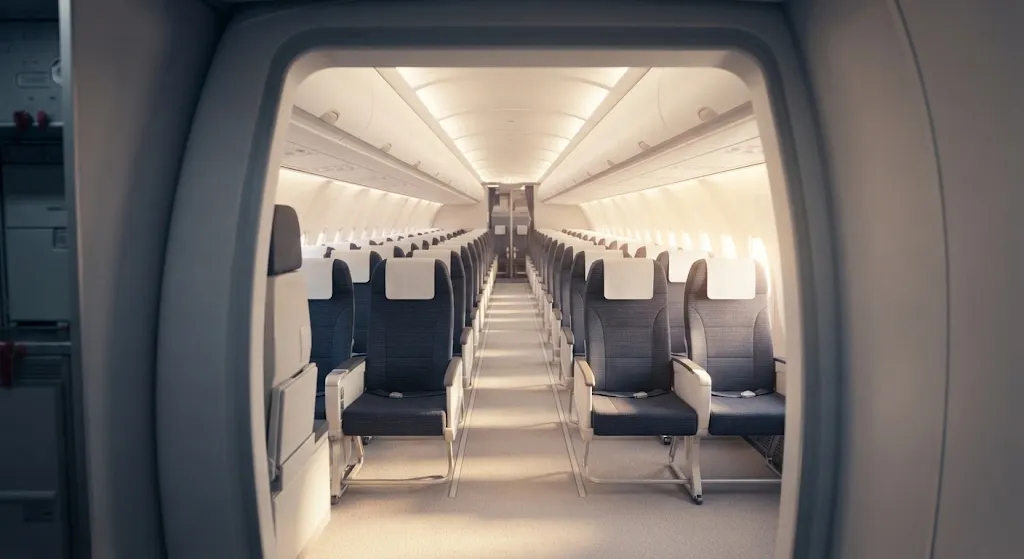
On a three-hundred-passenger flight across the Atlantic, an airline might allocate twelve seats to the cheapest discount bucket, twenty seats to a mid-tier bucket, and thirty seats to full-fare business travelers. Each bucket has an internal single-letter code like Q, V, or K.
"When someone in Atlanta or Boston buys that twelfth discount seat while you are comparing luggage rules, that lowest bucket vanishes instantly," Jim said. "The computer simply serves up the next bucket on the ladder."
Three Computer Giants Running Global Air Travel
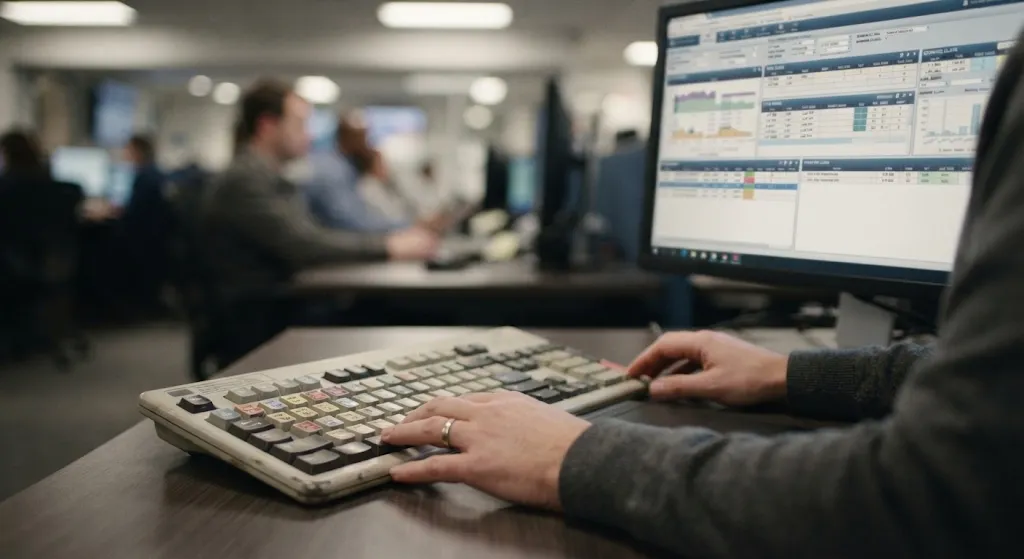
Carriers do not calculate airfare inside your web browser. Behind almost every travel website sit three massive legacy mainframe networks called Global Distribution Systems: Sabre, Amadeus, and Travelport.
These industrial data systems process millions of booking requests each day for travel portals, corporate booking desks, and airline counters worldwide. Every time a website checks a seat price, it sends a paid query into those mainframes.
"Because querying a GDS costs real computing money, airlines want quick inventory checks," Jim pointed out. "They have zero incentive to build complicated tracking systems just to hike a seat price by thirty dollars on an anonymous browser."
Why Prices Spike While You Are Comparing Flights
Jim pointed out why the private browsing myth feels so real to everyday shoppers. "Look at when people shop for plane tickets," Jim told me. "Folks sit down on Sunday nights after the kids are in bed, or check flights during a Monday lunch break."
During those exact peak windows, thousands of other travelers are eyeing the same beach holidays and holiday weekend routes. If a family of four in another state books seats while you are grabbing a glass of water, the cheaper fare tier disappears.
When you refresh the screen in a private window and see a higher number, it feels like an algorithm trap. In reality, another passenger simply beat you to the checkout button.
| Airfare Myth | Aviation Reality | Underlying System | What Actually Saves Money |
|---|---|---|---|
| Private Tabs Drop Prices | GDS networks ignore browser tracking cookies | Automated inventory tier exhaustion | Track fare classes directly on Google Flights |
| Tuesday Midnight Discounts | Prices fluctuate continuously based on demand | Real-time algorithmic yield management | Book domestic routes 3 to 7 weeks ahead |
| Round-Trip Is Always Cheaper | Two one-way tickets on rival carriers often win | Hub airport monopoly pricing | Split your departure and return on different airlines |
Foreign Currency Arbitrage and Point of Sale
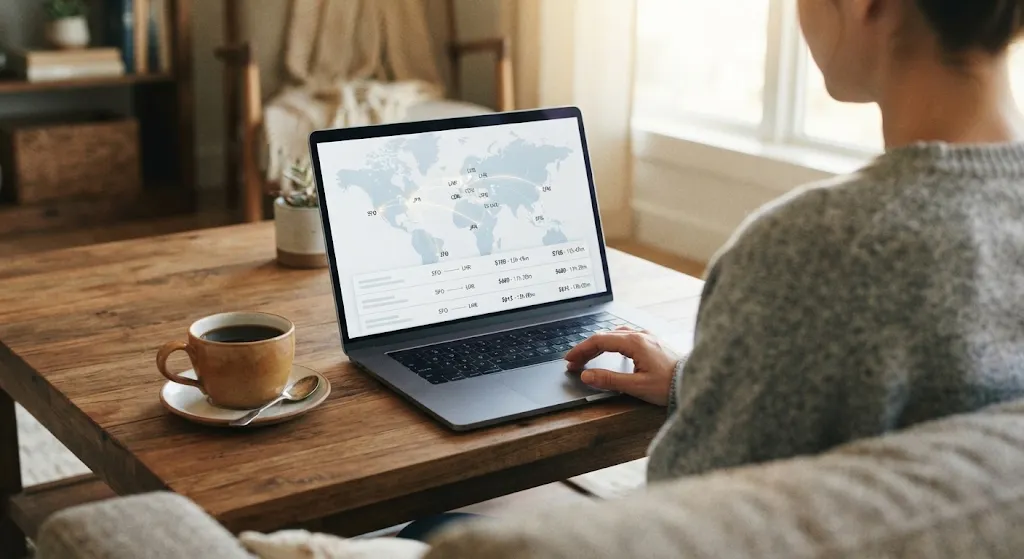
Jim showed me a genuine pricing trick that actually saves cash: point of sale arbitrage. "Airlines price international tickets based on the currency and country where the transaction takes place," Jim explained.
A flight from London to Lima bought through a United States portal in dollars is often listed at a higher tier than the exact same flight booked on the airline's local Peruvian portal in soles.
A travel writer friend of mine saved three hundred and forty dollars on a flight through Bogota simply by switching the site's regional drop-down menu to Colombia. As long as your credit card charges zero foreign transaction fees, you pay the domestic local rate.
The Hidden-City Strategy and the Hub Dilemma
Major carriers routinely charge higher prices for direct flights into their primary hub airports because business travelers will pay a premium to avoid layovers. This creates curious pricing gaps across connecting routes.
A direct flight from Denver to Charlotte on American Airlines might run three hundred and eighty dollars. Yet a flight from Denver to Raleigh with a layover in Charlotte might sell for two hundred and ten dollars on the exact same plane.
Travelers who fly with a backpack sometimes book the cheaper itinerary to Raleigh and simply step out of the terminal during the Charlotte layover. It carries risks, however, because checked bags will continue onward to the final ticketed destination.
The 24-Hour Federal Cancellation Safeguard
The Department of Transportation enforces a federal regulation that gives flight shoppers a powerful pricing weapon. Any airline operating flights to or from the United States must provide a full cash refund within twenty-four hours of booking, provided the flight is at least a week away.
This rule lets you lock in an attractive fare tier the instant you see it without second-guessing yourself. You buy the ticket to hold the seat against other shoppers browsing the same route.
If you find a cheaper flight or an alternate airport deal over the next twenty-four hours, you click cancel for a 100% refund straight back to your payment card.