
 25 May 2026
Hantaviruses are a family of zoonotic viruses that naturally live in rodents and occasionally jump to humans. Unlike COVID-19, this is not a newly discovered virus. The first clinical descriptions date back to the Korean War (1950–1953), when more than 3,000 United Nations soldiers fell ill with hemorrhagic fever with renal syndrome.
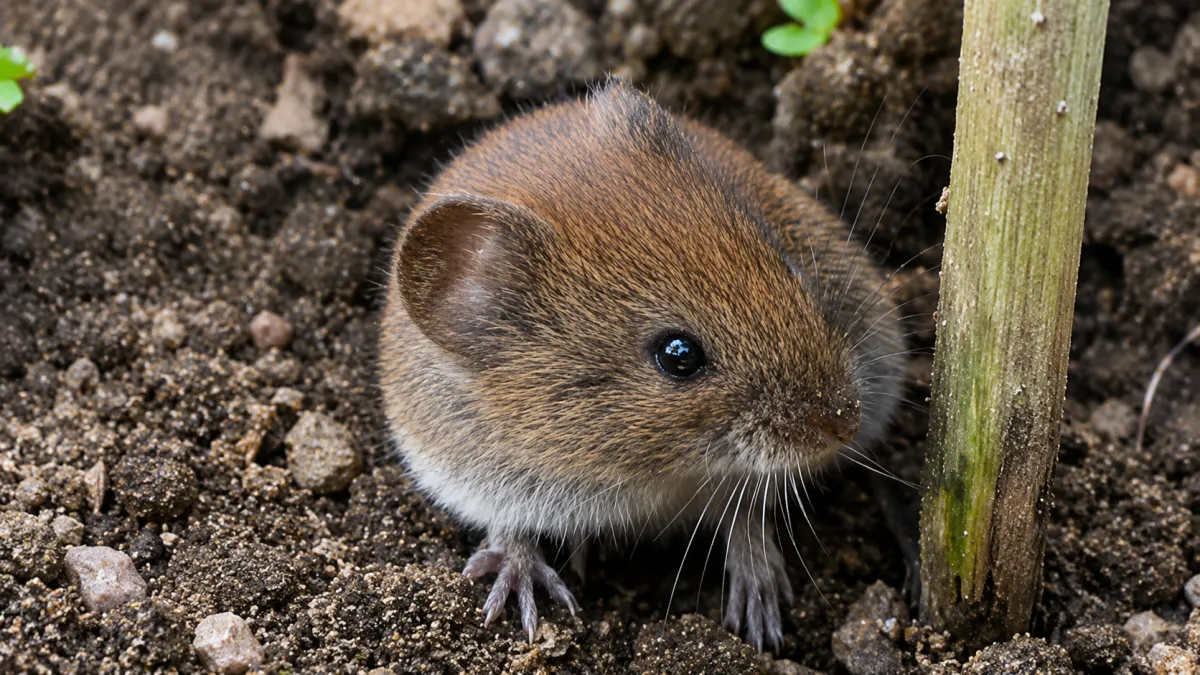
The virus itself was officially identified in 1976 by Professor Ho Wang Lee at Korea University. He isolated it from a striped field mouse (Apodemus agrarius) trapped near the Hantan River on the Korean Peninsula — and the virus was named after the river.
To date, more than 40 different strains have been identified worldwide, around 20 of which are pathogenic to humans.
The MV Hondius Cruise Ship Outbreak: What Actually Happened
In April 2026, the Dutch expedition cruise ship MV Hondius — which had picked up passengers in Argentina and was heading toward the Canary Islands — suddenly faced a hantavirus outbreak. The World Health Organization (WHO) officially confirmed the outbreak on May 4, 2026.
Confirmed figures from the event:
- At least 10 confirmed or suspected cases
- 3 deaths: a Dutch couple (a 70-year-old man and his 69-year-old wife) and a German woman
- Strain identified: Andes virus — the only hantavirus known to allow limited human-to-human transmission
- More than 140 passengers and crew aboard
- Final destination after quarantine: the port of Granadilla de Abona on the island of Tenerife (Canary Islands), reached on May 10, 2026
The Likely Origin of the Outbreak
Contrary to initial assumptions, investigations by Argentine officials and the WHO suggested the outbreak did not start on the ship. The leading hypothesis is that the Dutch couple contracted the virus during a bird-watching tour in Ushuaia, in Argentine Patagonia, before boarding the cruise. That region is a natural habitat for rodents carrying the Andes virus.
How Is Hantavirus Transmitted?
Unlike COVID-19, hantavirus transmission is very limited and requires specific conditions:
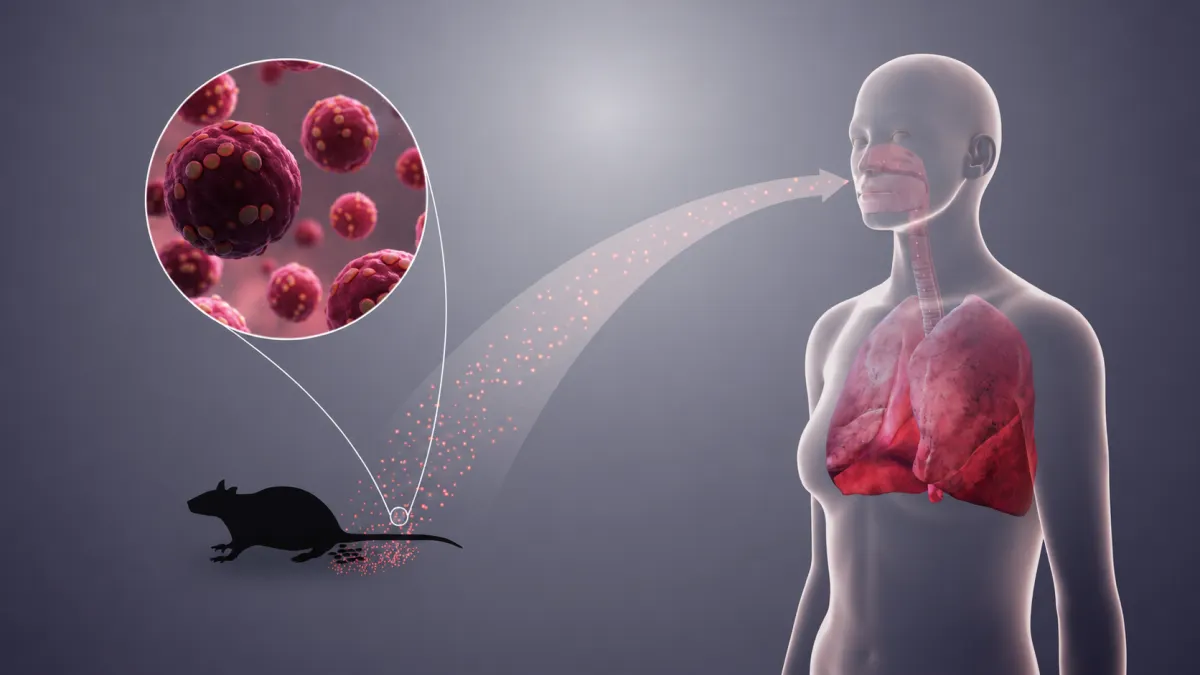
Primary transmission route: Contact with urine, droppings, or saliva of infected rodents. When these excretions dry and become aerosolized particles, inhaling them can lead to infection. That's why most documented cases involve people working in abandoned buildings, rural storage facilities, or enclosed spaces infested with rodents.
Human-to-human transmission: Only the Andes virus, found in South America, has shown limited spread between humans — typically among household members, intimate partners, or healthcare workers who have close and prolonged contact with a sick patient. The WHO still rates the risk of broad public spread as low.
Important note: Despite some rumors, hantavirus does not spread through casual handshakes, general breathing, or brief contact.
Symptoms of Hantavirus Infection
The incubation period is one to eight weeks after exposure. Symptoms appear in two phases:
Phase one (flu-like):
- High fever and chills
- Severe muscle pain
- Headache and extreme fatigue
- Nausea and vomiting
- Sometimes diarrhea and abdominal pain
Phase two (cardiopulmonary phase):
- Progressive shortness of breath
- Fluid buildup in the lungs
- Drop in blood pressure
- Irregular heart rate
- In European and Asian strains: kidney failure and blood in urine
The worrying part is that early symptoms are often confused with common viral illnesses, and patients typically seek emergency care only after their condition has worsened significantly.
What Is the Mortality Rate of Hantavirus?
The figure varies depending on the strain and geographic region:
- Hantavirus Cardiopulmonary Syndrome (HCPS) in the Americas: 30–60% mortality rate
- Andes strain (linked to the Hondius outbreak): roughly 35–40% mortality rate
- Hemorrhagic Fever with Renal Syndrome (HFRS) in Europe and Asia: 0.4–10%
- Seoul virus: less than 1%
Between 10,000 and 100,000 cases are recorded globally each year, mostly in Asia and Europe.
Is There a Cure or Vaccine for Hantavirus?
The short answer is: No, there is no specific treatment or globally approved vaccine. There is one exception — the Hantavax vaccine, developed in 1988 by Professor Ho Wang Lee's team in South Korea, which is used in that country for the Hantaan strain (not Andes).
For infected patients, supportive care is the only option:
- ICU admission
- Oxygen support and, in severe cases, mechanical ventilation
- Dialysis to prevent kidney failure in HFRS strains
- Blood pressure management and prevention of cardiogenic shock
The single most important survival factor is rapid hospital admission. Many patients who receive timely respiratory support recover completely.
Is a Second COVID on the Way? A Realistic Assessment
Despite surface-level similarities between the two events, experts believe hantavirus does not have the potential to become a global pandemic like COVID-19. The main reasons:
-
Human-to-human transmission is severely limited and occurs only in one strain (Andes) and only through very close contact.
-
The virus did not emerge from a lab and has been well-studied for the past 50 years.
-
Its natural reservoir is rodents, not humans, which severely limits its global circulation.
-
WHO epidemiologists continue to rate the public risk of the Hondius outbreak as «low.»
How to Protect Yourself From Hantavirus
While the chance of infection for the general public is very low, a few simple precautions reduce the risk to nearly zero:
- When cleaning enclosed spaces where rodents may have been (sheds, basements, abandoned houses), wear an N95 mask and gloves
- Instead of sweeping rodent droppings (which creates contaminated dust), clean them with wet disinfectant
- Store food in sealed containers to avoid attracting rodents
- On nature trips to rural areas of South America, North America, and East Asia, avoid sleeping in abandoned cabins