

 09 November 2026
AI in Medicine: Real Revolution or Just Hype?
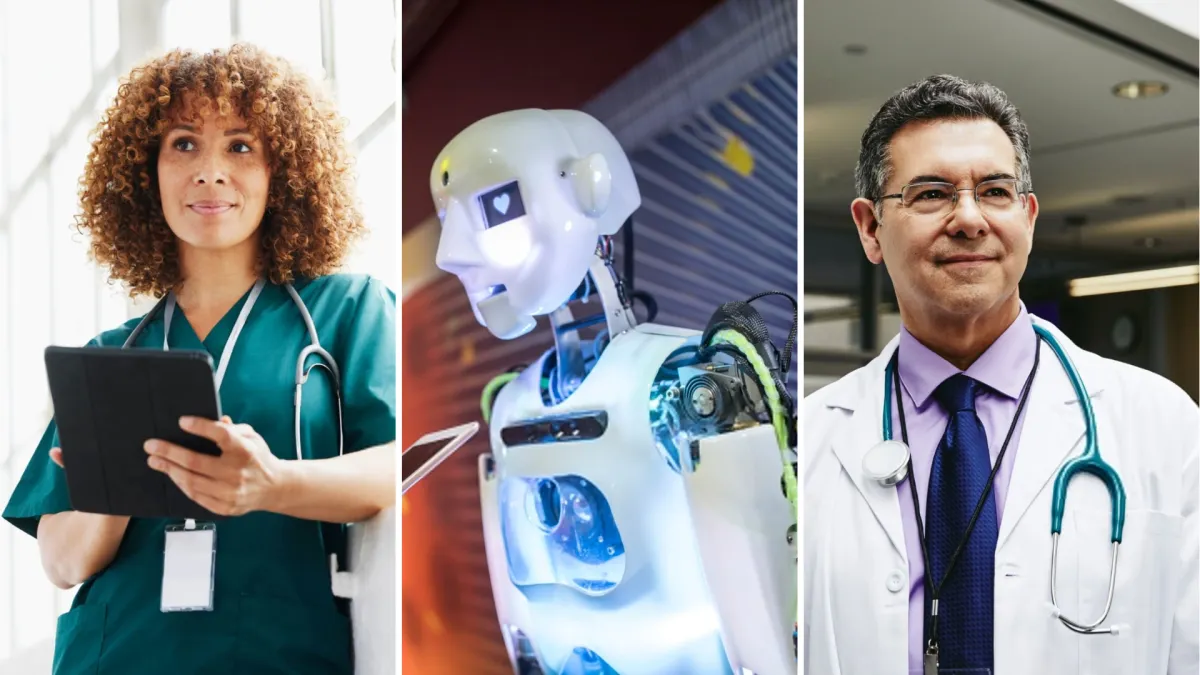
Artificial intelligence is rapidly transforming healthcare. With advanced AI systems like GPT-4, Google Med-PaLM 2, and AMIE entering clinical environments, many people are asking an important question:
Can AI replace general practitioners?
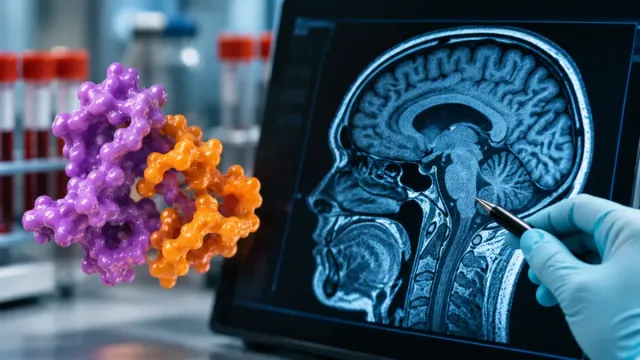
Over the past few years, AI has become increasingly capable of analyzing medical images, assisting with diagnoses, managing patient records, and even communicating with patients.
A study published in Nature revealed that Google’s AMIE system outperformed general practitioners in some differential diagnosis scenarios. This sparked global discussions about the future of doctors and whether AI could eventually replace them.
The short answer is no.
AI will not completely replace doctors, but it will permanently change how medicine is practiced.
How Artificial Intelligence Is Changing Healthcare
Modern medical AI systems are built using Transformer architecture and multimodal deep learning. These technologies can process and analyze multiple types of medical data simultaneously, including:
- Clinical notes and patient history
- Radiology and MRI images
- ECG signals
- Electronic Health Records (EHR)
- Laboratory results
For example, Med-PaLM 2 achieved approximately 86.5% on the USMLE medical exam, a score that seemed impossible only a few years ago.
Today, AI is already helping healthcare professionals with:
- Early disease detection
- Clinical decision support
- Medical imaging analysis
- Automated medical documentation
- Chronic disease monitoring
- Predictive healthcare analytics
Read More

Why AI Still Cannot Replace Human Doctors
Despite impressive advancements, artificial intelligence still faces major limitations that prevent it from fully replacing physicians.
1. AI Hallucinations
Large language models generate the most probable answer, not always the most accurate one.
In medicine, even a small mistake — such as an incorrect medication dosage or fabricated scientific reference — can be dangerous or even fatal.
2. Data Bias in Medical AI
Most AI training datasets are heavily based on Western populations.
As a result, AI models may perform less accurately for Middle Eastern patients or for regional diseases that are underrepresented in training data.
3. The Black Box Problem
Doctors need to understand why a diagnosis is suggested.
Many AI systems still lack full explainability, making it difficult for physicians to fully trust AI-generated recommendations.
4. Lack of Human Empathy and Clinical Intuition
Medicine is not only about data analysis.
Experienced doctors rely on subtle human observations such as body language, emotional state, breathing patterns, skin tone, and social context — signals that AI still cannot fully interpret.

What Doctors Think About the Future of AI in Medicine
Many healthcare professionals believe the future of medicine is not a competition between humans and machines.
Instead, it will be a collaboration.
AI will likely handle repetitive and time-consuming tasks such as:
- Medical documentation
- Initial patient screening
- Routine image interpretation
- Administrative workflows
- Chronic patient monitoring
Meanwhile, physicians will focus more on:
- Complex clinical judgment
- Patient communication
- Empathy and emotional support
- Personalized treatment decisions
- Ethical and legal responsibility

Why Doctors Must Learn AI Skills
The reality is simple:
AI will not replace doctors, but doctors who use AI may replace doctors who do not.
This is why AI literacy is becoming an essential skill for modern healthcare professionals.
Important AI Skills for Future Doctors
Clinical Prompt Engineering
Doctors need to learn how to write effective prompts to get accurate and useful outputs from AI systems like GPT-4 and OpenEvidence.
Critical Evaluation of AI Outputs
Healthcare professionals must be able to identify hallucinations, verify sources, and compare AI recommendations with trusted medical guidelines.
Integrating AI Into Clinical Workflow
Doctors are increasingly using tools such as:
- Abridge
- Nuance DAX
- OpenEvidence
- AI-powered medical imaging software
Understanding Data Privacy and Security
Patient privacy remains critical.
Doctors must follow healthcare regulations such as HIPAA when using cloud-based AI systems.
Top Medical Schools Are Already Teaching AI
Leading institutions such as Stanford, Harvard, and Johns Hopkins have already introduced “AI in Medicine” into their medical education programs.
This reflects a major shift in healthcare education worldwide.
The future doctor will not only need medical knowledge, but also technological fluency.
The Future of Medicine: Human and AI Collaboration
The most realistic future scenario is not AI replacing doctors.
Instead, AI will become a powerful assistant that helps physicians work faster, reduce errors, and spend more time with patients.
Artificial intelligence can improve efficiency, but human doctors will continue to provide:
- Clinical reasoning
- Ethical responsibility
- Human empathy
- Personalized care
- Complex decision-making
The final medical decision will still belong to humans.
Can AI diagnose diseases better than doctors?
In some areas like medical imaging analysis, AI can achieve extremely high accuracy. However, it still cannot replace human clinical judgment and experience.
Will doctors lose their jobs because of AI?
Most experts believe doctors will not disappear, but their roles and workflows will evolve significantly.
What are the biggest uses of AI in healthcare?
AI is mainly used for medical imaging, diagnosis support, healthcare analytics, patient monitoring, and automated documentation.
Should medical students learn artificial intelligence?
Yes. AI literacy is becoming one of the most important skills for future healthcare professionals.