
The Hidden Reality Behind SpaceX's Multi-Billion-Dollar Orbit
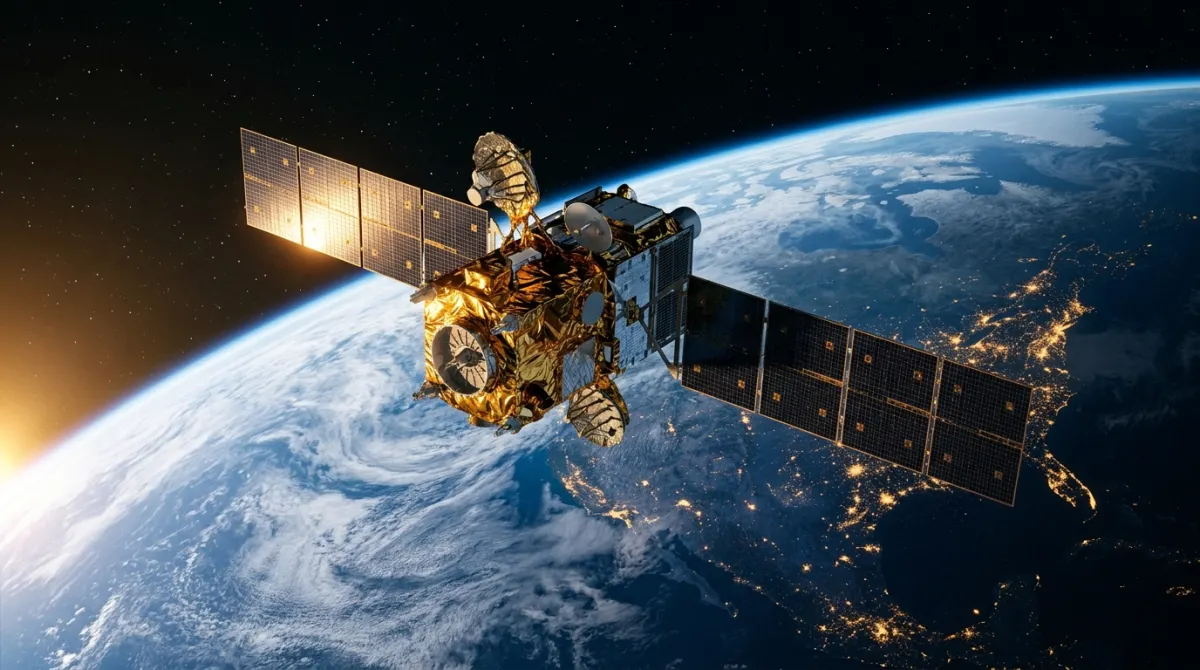
When SpaceX went public with a record-setting $85.7 billion listing, Wall Street fixated on Mars rockets and orbital ambitions. Behind the headline numbers sits a far more earthly reality: almost all of the company's operating profit flows from a single source. Starlink, the low-Earth orbit satellite network once viewed as an eccentric engineering gamble, has evolved into the financial foundation supporting Elon Musk's most capital-intensive ventures.
Now, that foundation faces a critical test. SpaceX is preparing to turn Starlink into a direct-to-cell mobile carrier, challenging telecom giants like AT&T, Verizon, and T-Mobile on their home turf. At the same time, Musk announced an unprecedented commitment to donate roughly $10.5 billion in SpaceX stock—one share for every child in America. Balancing massive public pledges, expensive new space architecture, and high-stakes consumer telecom expansion means Starlink cannot simply remain profitable. It has to become an economic engine unlike anything the aerospace industry has ever witnessed.

The Financial Engine Funding Deep Space
To understand why Starlink matters so much to SpaceX's balance sheet, you have to look at how the company makes and spends money. SpaceX operates across three main pillars: connectivity, space launch, and artificial intelligence infrastructure.
Heavy launch vehicles like Starship require billions of dollars in active development, testing facilities, and engine production. Similarly, developing generative artificial intelligence models and large-scale terrestrial data centres requires immense computing hardware and electricity. Among all these ambitious segments, connectivity through Starlink is the only division generating consistent operating profit.
That steady stream of subscription revenue acts as an internal shock absorber. When Starship test flights suffer delays or experimental hardware requires redesign, Starlink subscriptions from millions of rural households, maritime vessels, and aviation carriers keep cash moving. Without that operating profit, SpaceX would need to rely far more heavily on external debt or frequent equity sales.

From Rural Internet to Full Mobile Carrier
Transitioning from providing home broadband dishes to operating as a nationwide cellular provider changes the entire economic equation. Delivering satellite internet to a mounted rooftop receiver is technically demanding, but serving millions of handheld smartphones in dense urban canyons is a vastly different challenge.
To deliver direct-to-cell service without requiring specialized phones, satellites must carry larger, more sensitive antennas and operate with higher transmission power. SpaceX must also build out extensive ground station infrastructure, secure complex spectrum sharing agreements, and coordinate with international telecommunications regulators.
This buildout requires hundreds of additional satellite launches every year. Each launch consumes capital, factory capacity, and orbital slots. While capturing even a small fraction of the global wireless subscription market offers immense upside, the upfront capital expenditure risks squeezing Starlink's operating margins just as the broader business demands more funding.
The $10.5 Billion Equity Giveaway
Compounding the financial spotlight is Musk's recent announcement to give away one SpaceX share to every child across the United States. With approximately 72 million children in the country and SpaceX shares trading near $146 following its public debut, the pledge equates to roughly $10.5 billion in equity.
The proposal echoes recent initiatives like the federal child savings programs, where executives including SpaceX president Gwynne Shotwell previously pledged company stock. While transferring equity does not directly drain cash from SpaceX's bank accounts, distributing millions of shares to the public creates unique corporate governance and compliance considerations.
For parents working in regulated sectors like banking, asset management, or legal services, holding aerospace equities for minor children introduces reporting and conflict-of-interest requirements. More broadly, turning tens of millions of American families into direct SpaceX shareholders ties everyday household portfolios directly to Starlink's performance.
| Strategic Metric | Home Dish Broadband | Direct-to-Cell Mobile | Orbital Data Centres |
|---|---|---|---|
| Primary Customer | Rural homes & maritime | Standard smartphone users | AI & enterprise compute |
| Hardware Required | Phased-array terminal | Standard cellular handset | Radiation-hardened servers |
| Capital Intensity | Moderate (established) | High (dense constellation) | Extreme (new architecture) |
| Profit Contribution | Core operating income | Long-term growth target | Long-term speculative |
The Next Frontier: Orbiting Data Centres
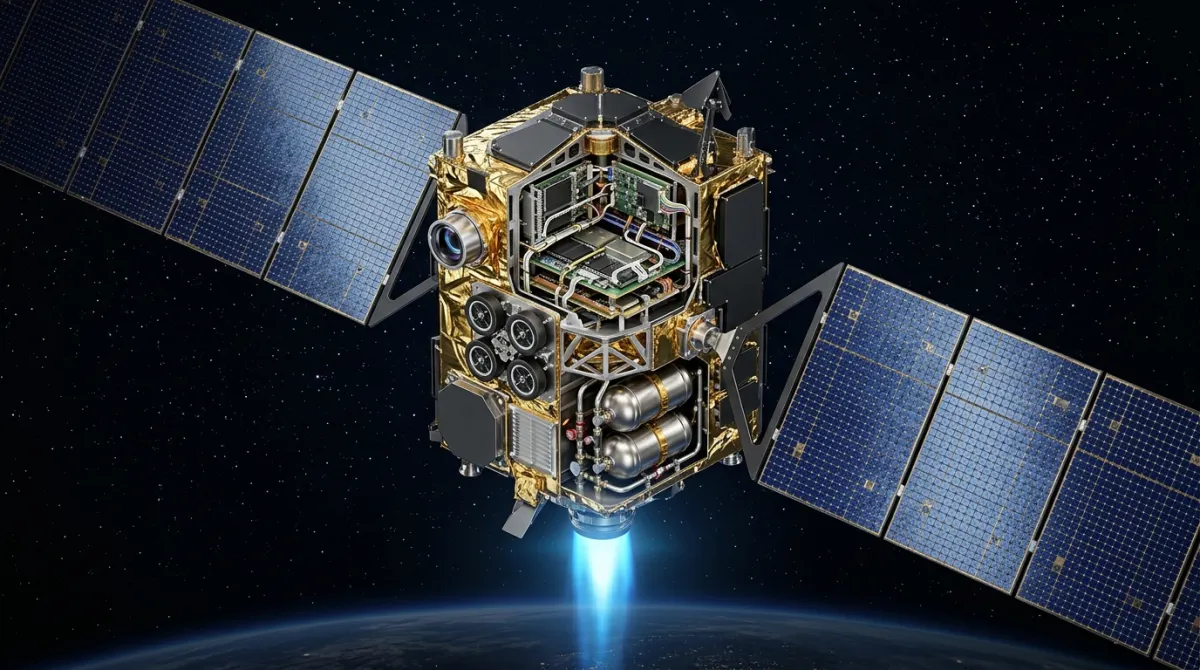
Even as Starlink prepares to enter the mobile market, SpaceX is quietly designing its next technological leap: data centres placed in orbit. Under the project name Starmind AI-1, the aerospace manufacturer plans to launch server racks directly into low-Earth orbit.
Terrestrial data centres currently face severe bottlenecks on land, including strained regional power grids, municipal water cooling constraints, and lengthy zoning battles. Placing servers in orbit could theoretically allow high-performance computing clusters to tap continuous solar power in space, radiating waste heat into the cold vacuum.
Yet building orbital servers demands specialized radiation shielding, ultra-reliable satellite bus designs, and secure high-bandwidth inter-satellite laser links. It is a bold concept that will once again demand billions in upfront research and development capital—capital that Starlink's commercial revenue will be expected to supply.
Can the Cash Cow Sustain the Vision?
SpaceX has repeatedly proved sceptics wrong, turning reusable booster landings from science fiction into routine weekly operations. Yet managing an established telecommunications network requires a very different set of skills than launching experimental rockets.
Consumer telecom brings relentless customer support demands, fierce regulatory scrutiny, and razor-thin margin battles against established wireless carriers. If capital expenditures on new satellite generations rise faster than subscriber additions, Starlink could risk morphing from a reliable cash cow into a capital-hungry division of its own.
As SpaceX navigates public market scrutiny, billions in stock distributions, and deep-space milestones, one thing is clear: the road to Mars, AI data centres, and global mobile coverage all runs directly through the health of a satellite constellation orbiting just 300 miles above our heads.