
 22 November 2026
Many household objects look so simple that we rarely stop to think about how we use them. Yet a small change in technique can make everyday tasks easier, more effective, and sometimes safer.
Here are 12 common items you might be using incorrectly—and a few practical tips to help you get more out of them.
How to Get Stubborn Red Sauce and Grease Out of Carpets in 10 Minutes (Without Bleach)
Think You Know How to Use These Things? Think Again!
 Inside the List
12 Items
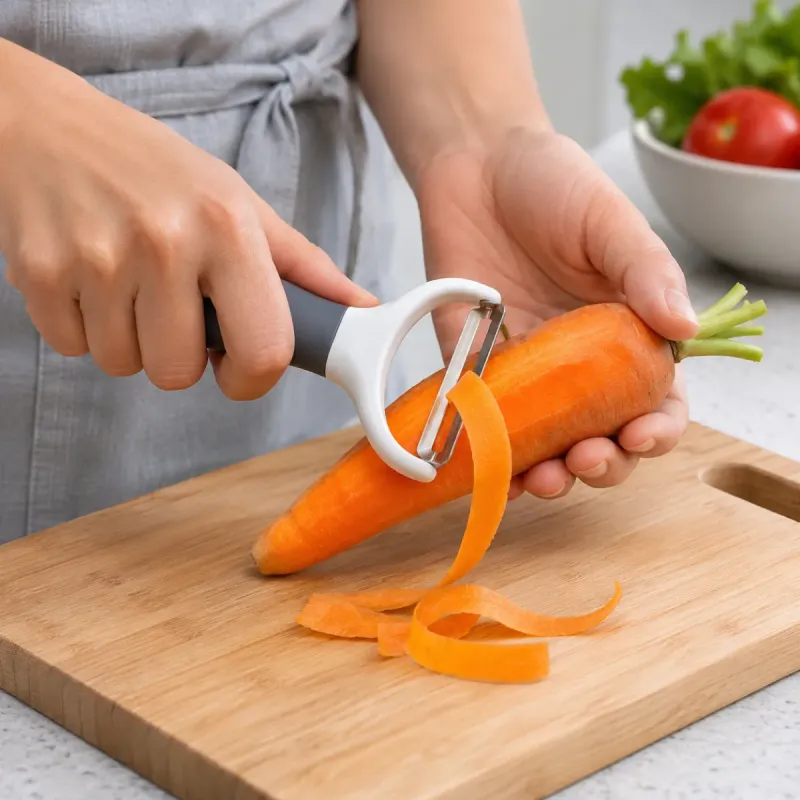
Vegetable Peeler
Use the blade at a comfortable angle.
A vegetable peeler works best when you hold its handle firmly and let the blade follow the shape of the vegetable. Use a stable cutting board and work carefully rather than pressing too hard.

Can Opener
Position the cutting wheel correctly.
A can opener may struggle when its cutting wheel is not properly aligned with the can's rim. Correct positioning helps it move smoothly and produce a more even opening.
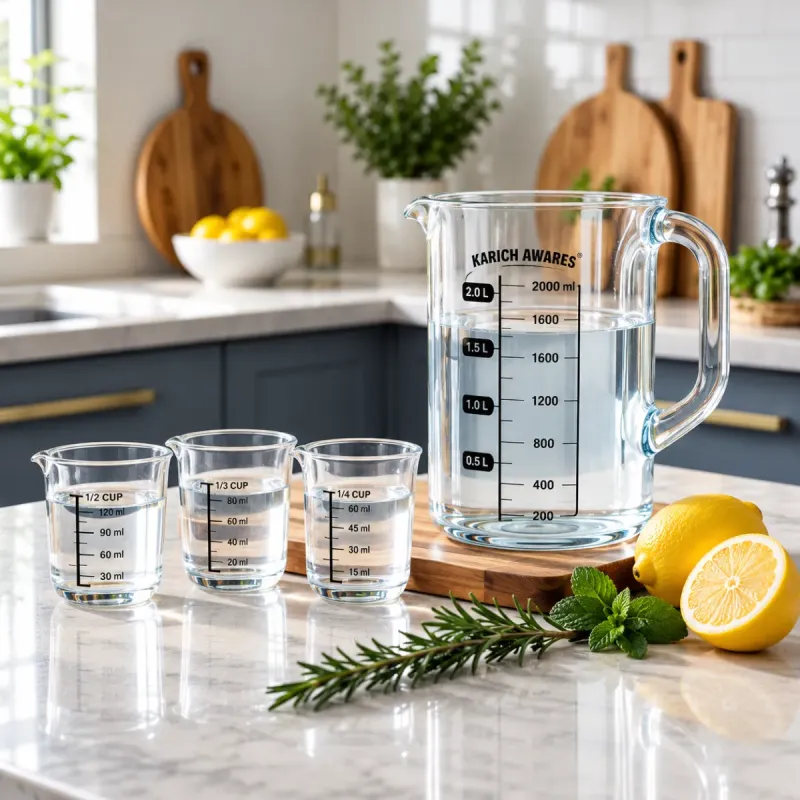
Measuring Cup
Choose the right cup for the ingredient.
Using the wrong measuring cup can affect a recipe. Liquid measuring jugs usually have a pouring spout and space above the measurement marks, while dry measuring cups are designed to be filled and leveled.

Aluminum Foil
Don't worry about which side faces out.
One common kitchen myth says food should always touch the shiny side of aluminum foil. For ordinary foil, the two sides are generally the result of the manufacturing process and do not have a meaningful difference.

Microwave
Stir and rotate food for even heating.
Food may become hot in some areas while remaining cooler in others. Simply heating it for longer does not always solve the problem, especially when the food is thick or unevenly arranged.

Dishwasher
Give water room to reach every dish.
Packing a dishwasher too tightly may seem efficient, but it can prevent water and detergent from reaching the dishes properly. Items placed at the wrong angle can also collect water instead of draining.

Plunger
Match the plunger to the drain.
Not all plungers are designed for the same job. A flat-bottomed cup plunger is commonly used for sinks and flat drains, while a flange plunger has an extended rubber section designed to fit many toilet outlets.

Toothpaste Tube
Use an appropriate amount of toothpaste.
Covering the entire toothbrush with a thick ribbon of toothpaste is usually unnecessary. Using the recommended amount helps avoid waste while still supporting a good brushing routine.

Toilet Paper Roll
The direction is mostly a matter of preference.
The debate over whether toilet paper should hang over or under the roll has lasted for years. Both arrangements can work, and the best choice often depends on the holder, available space, and personal preference.

Reusable Water Bottle
Clean the lid as carefully as the bottle.
Rinsing a reusable bottle quickly may leave residue in its lid, drinking spout, or rubber seals. These less visible areas need regular attention, especially when the bottle is used every day.
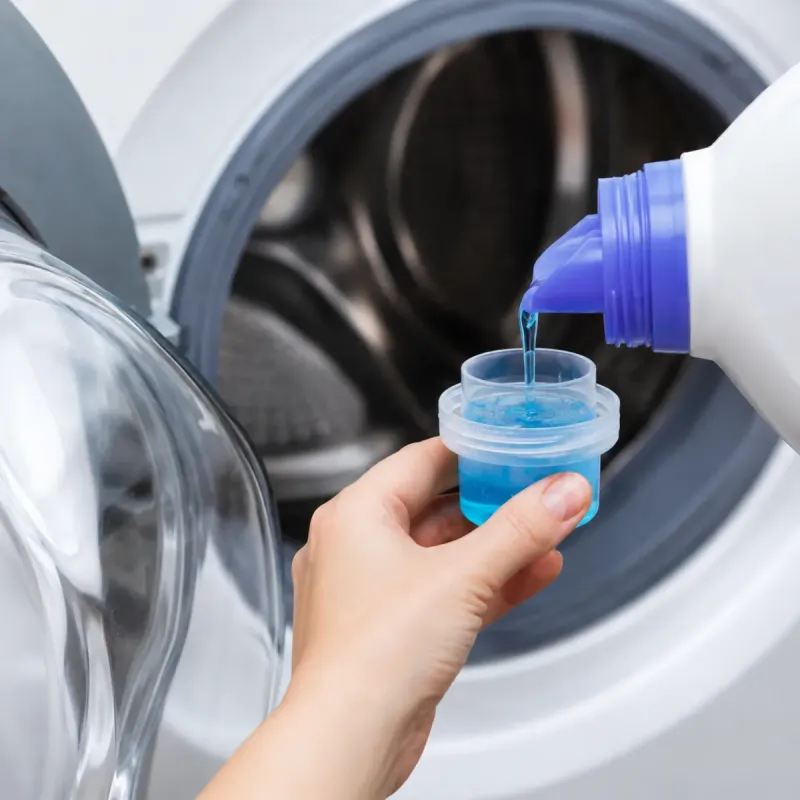
Laundry Detergent
Measure detergent instead of guessing.
Adding extra detergent does not necessarily make clothes cleaner. Too much can leave residue on fabrics or inside the washing machine, while too little may not clean a heavily soiled load effectively.
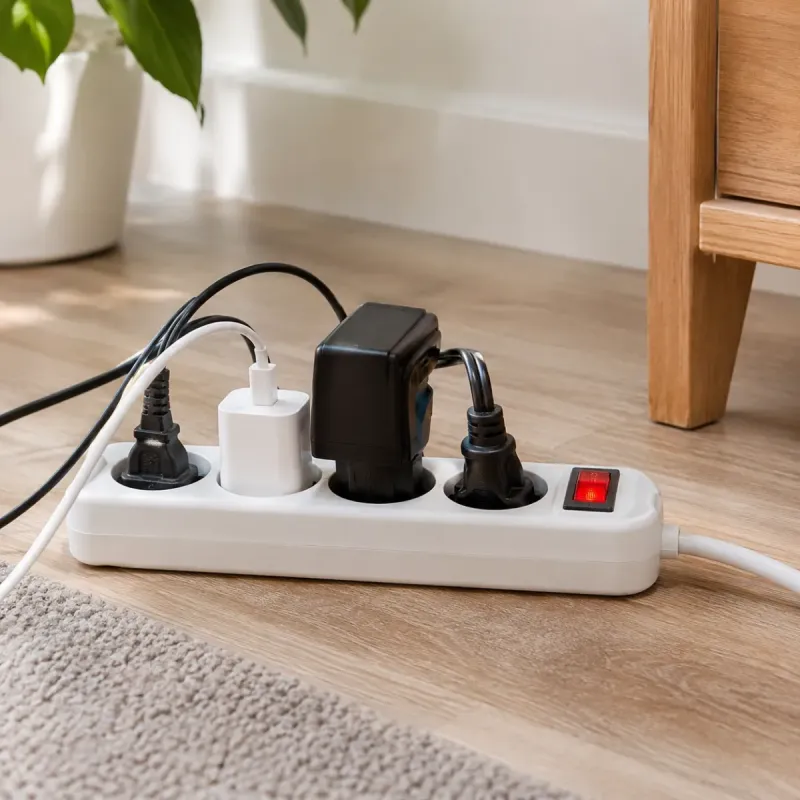
Extension Cord
Check its rating before connecting devices.
An extension cord is designed to provide temporary access to an electrical outlet, not to replace permanent wiring. Connecting equipment beyond its rated capacity can create a risk of overheating, electric shock, or fire.