


 25 November 2026
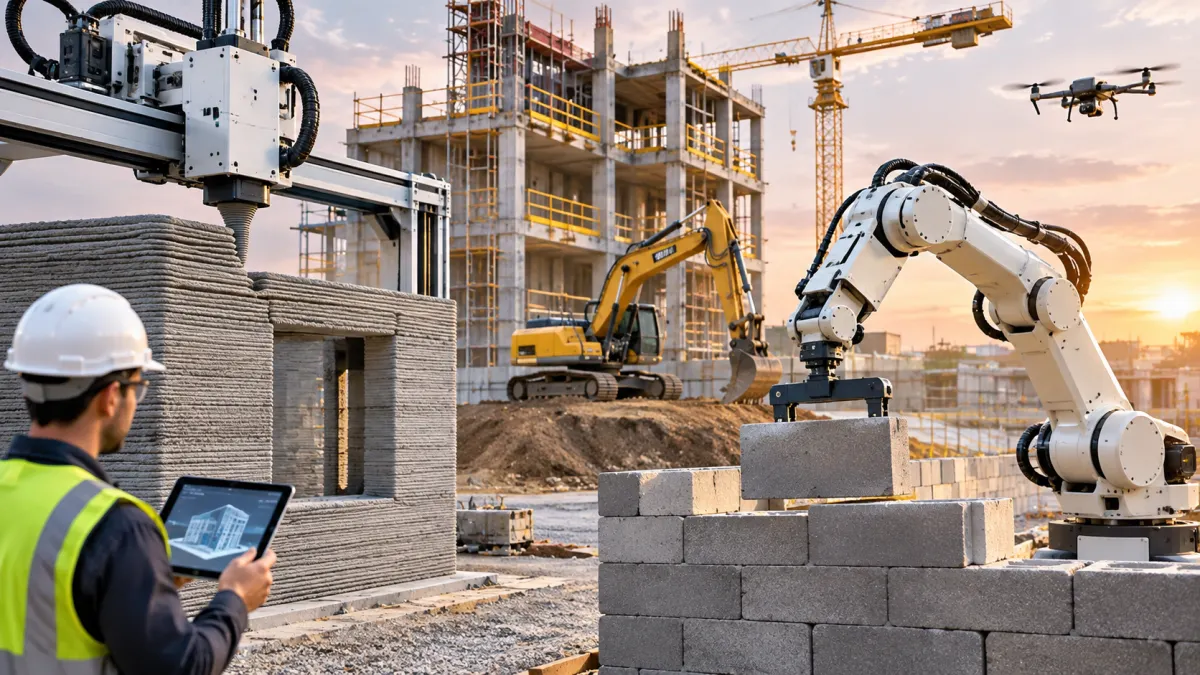
Automated construction is bringing robotics, intelligent machinery, and digital design systems onto building sites and into manufacturing facilities.
From autonomous excavators and 3D concrete printers to robotic bricklayers and AI-powered inspection tools, these technologies are changing how buildings and infrastructure are designed, assembled, and monitored.
13 Key Technologies and Applications of Automated Construction
 Inside the List
13 Items
Robotic Demolition and Remediation
Main Purpose: Support safer dismantling
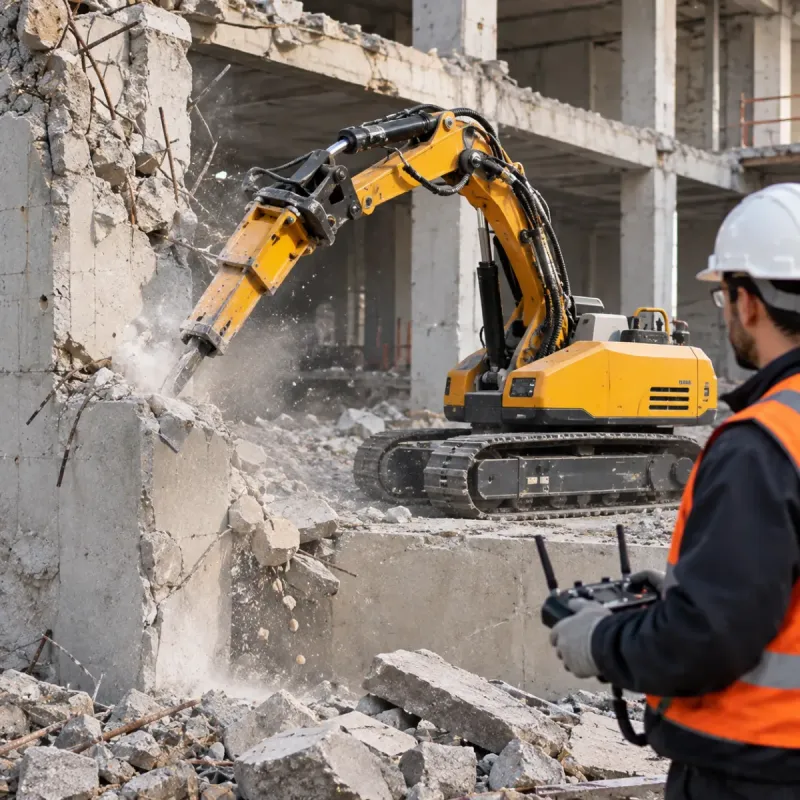
Robotic demolition equipment performs selected dismantling and remediation tasks using remotely operated or automated machinery. These systems can help workers handle hazardous, repetitive, or physically demanding operations while keeping them farther from dangerous work areas.
- Remote operation
- Precision demolition
- Worker safety
Automated Inspection and Quality Control
Main Purpose: Verify construction accuracy
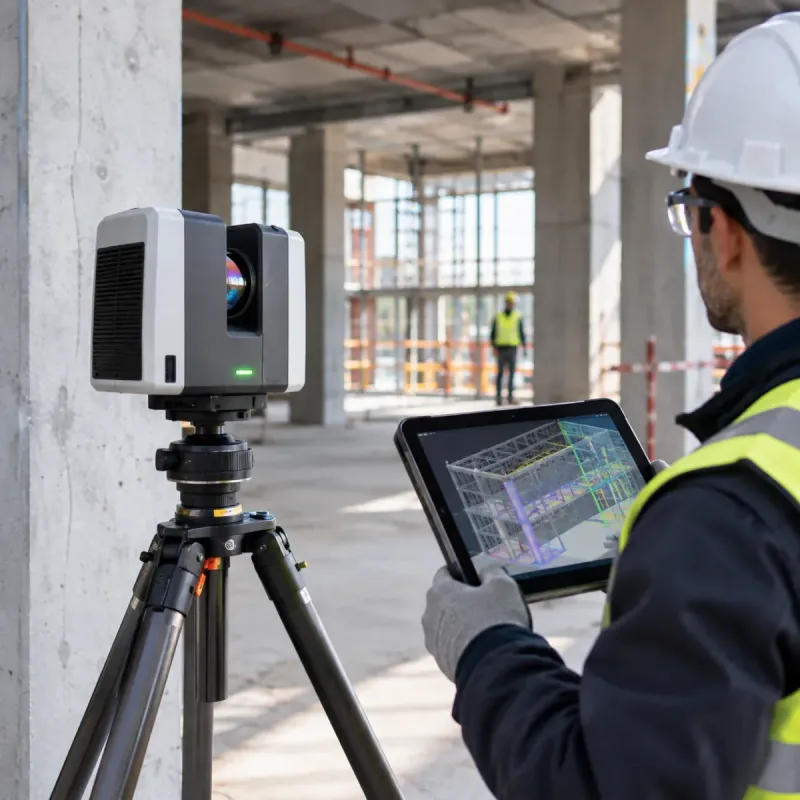
Automated inspection systems use technologies such as LiDAR scanners, computer vision, and digital measurement tools to examine completed construction work. Captured measurements can be compared with BIM models to identify deviations before the next construction stage begins.
- LiDAR scanning
- Visual inspection
- Error detection
Construction Drones
Main Purpose: Monitor construction sites
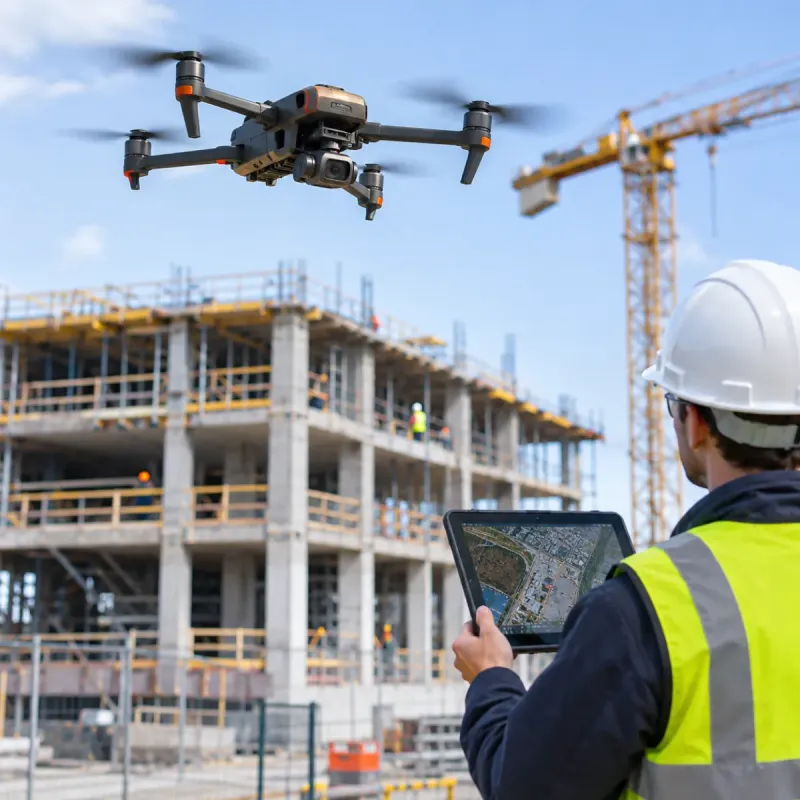
Construction drones collect aerial images and site information for surveying, mapping, and progress monitoring. Their data can help project teams compare actual site conditions with digital plans and identify changes throughout construction.
- Aerial mapping
- Site monitoring
- Progress tracking
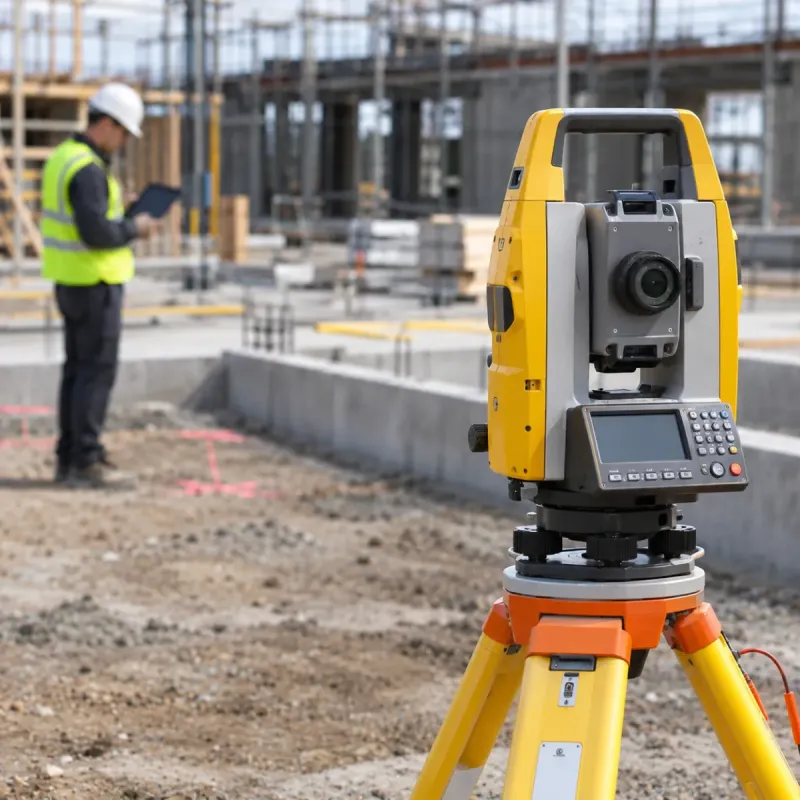
Robotic Construction Layout
Main Purpose: Transfer digital plans
Robotic total stations and automated surveying systems use digital building coordinates to mark locations for walls, foundations, anchors, and other construction elements. By connecting BIM data with field equipment, they can reduce manual measuring and improve positioning accuracy.
- Digital measurements
- Precision marking
- Site positioning
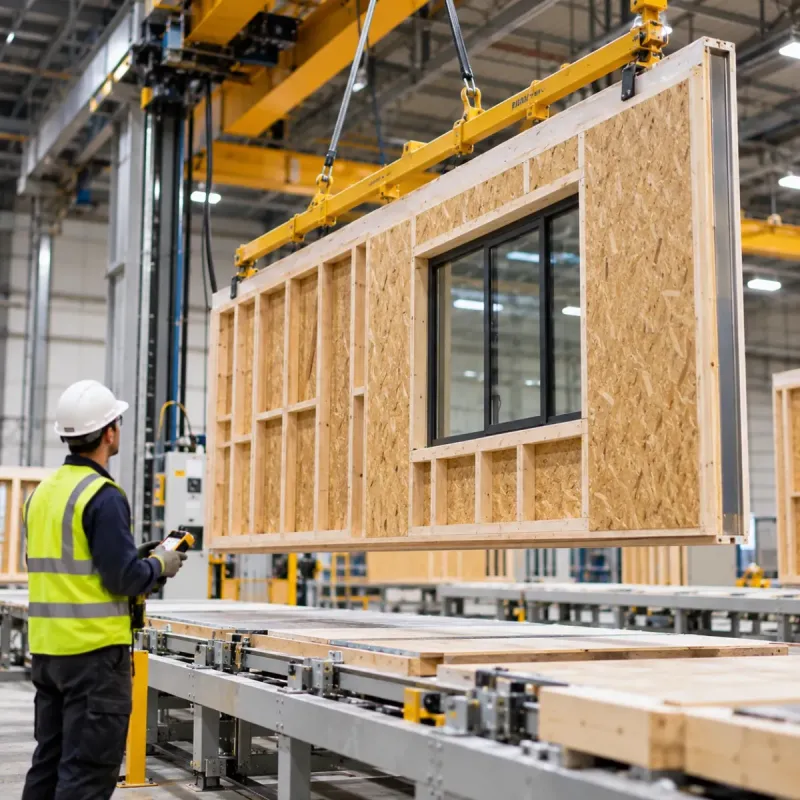
Automated Prefabrication
Main Purpose: Manufacture building components
Automated prefabrication moves selected construction activities from building sites into controlled manufacturing facilities. Robots and digital production systems can manufacture wall panels, building components, and modular sections before transporting them for on-site installation.
- Modular production
- Factory robotics
- Faster assembly
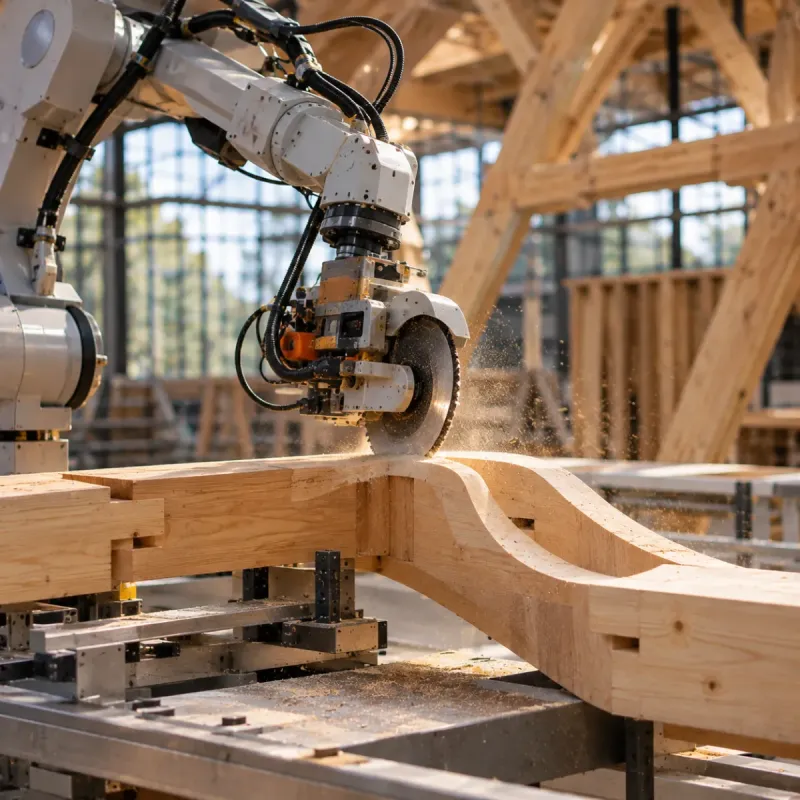
Robotic Timber Assembly
Main Purpose: Manufacture timber structures
Robotic timber assembly uses computer-controlled equipment to cut, drill, position, and connect wooden structural components. At the DFAB House, a multi-robotic system processed timber beams using digital design information before assembling them into structural elements.
- CNC cutting
- Automated drilling
- Beam positioning
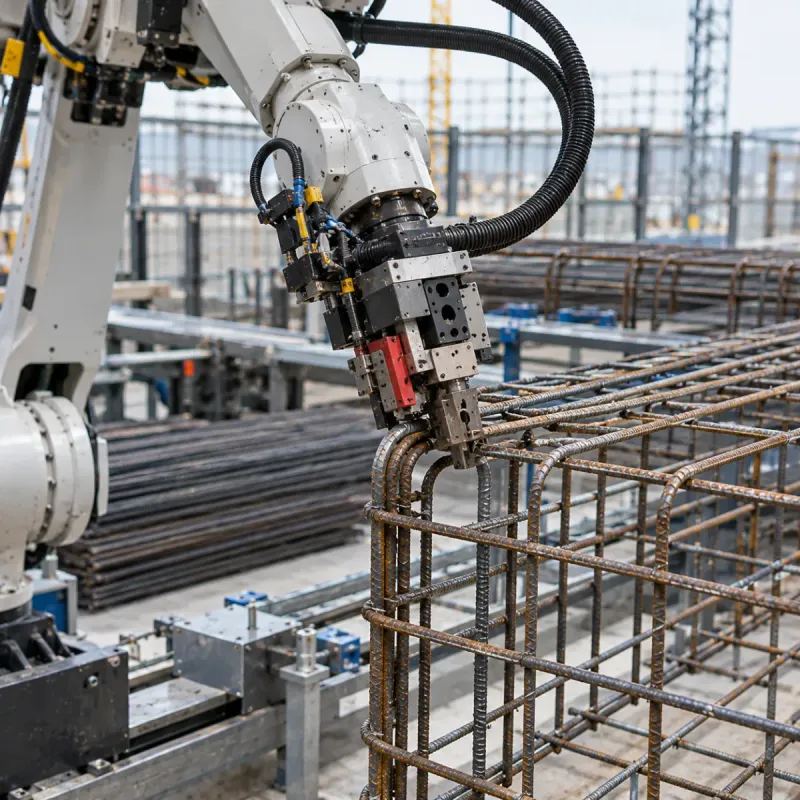
Automated Rebar Fabrication
Main Purpose: Prepare structural reinforcement
Automated reinforcement systems cut, position, bend, or assemble steel reinforcement according to digital construction plans. Robotic fabrication can also support more complex reinforcement structures, including the rebar work demonstrated by the In-Situ Fabricator at the DFAB House in Switzerland.
- Rebar positioning
- Automated welding
- Precision fabrication
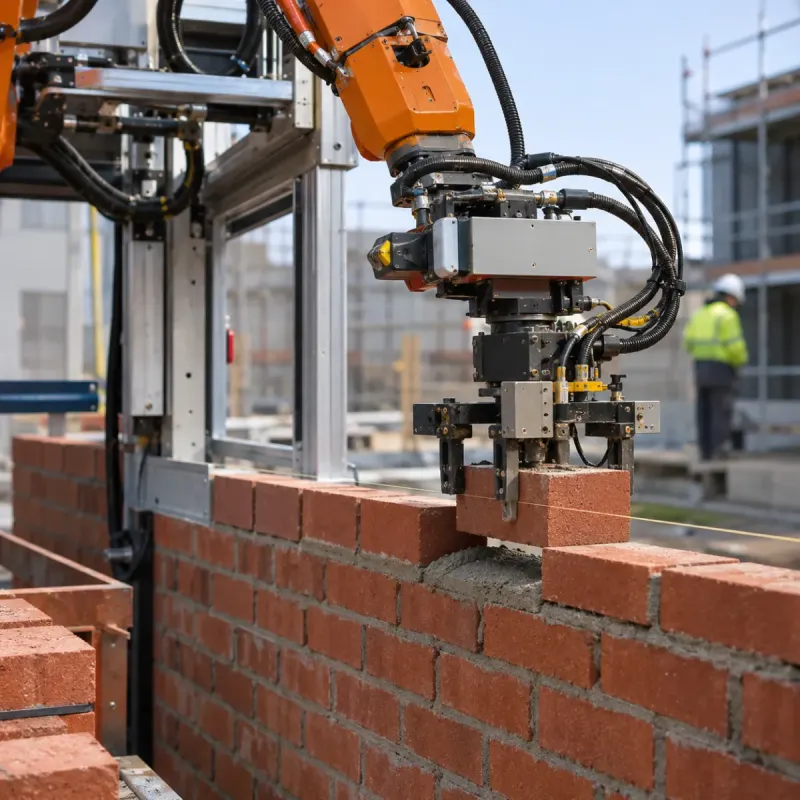
Robotic Bricklaying
Main Purpose: Construct masonry walls
Robotic bricklaying systems automate repetitive masonry tasks by positioning and placing bricks according to programmed construction patterns. These machines can support consistent placement and reduce the physical effort required for repetitive wall-building operations.
- Brick positioning
- Repetitive assembly
- Programmed patterns
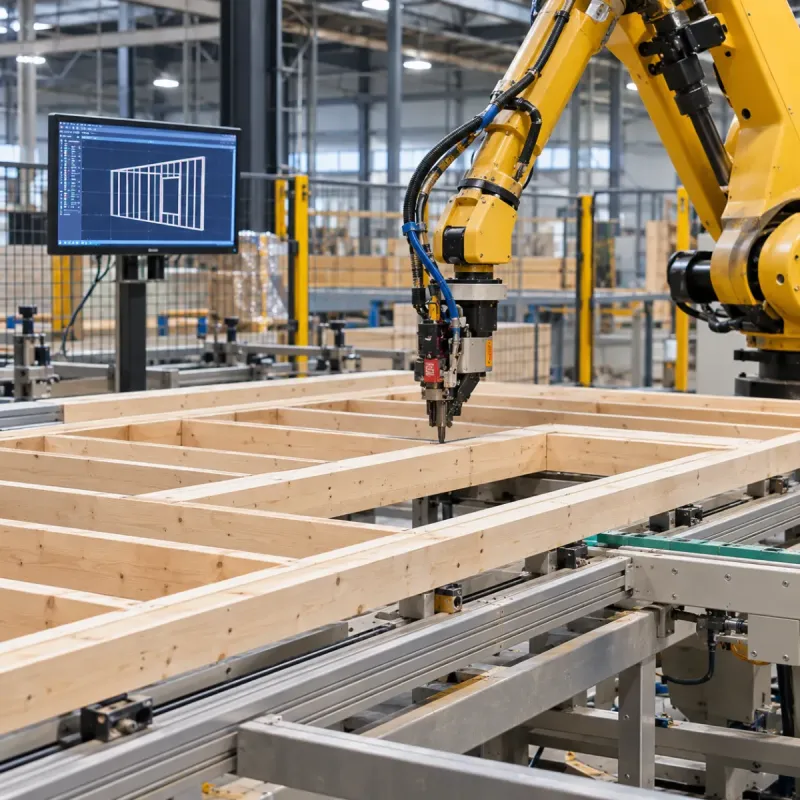
Robotic House Framing
Main Purpose: Assemble building frames
Robotic framing systems use robotic arms, computer vision, and specialized tools to assemble wooden wall panels and structural components. For example, BotBuilt uses digital building plans to calculate lumber requirements and guide automated framing operations.
- Automated cutting
- Panel assembly
- Computer vision
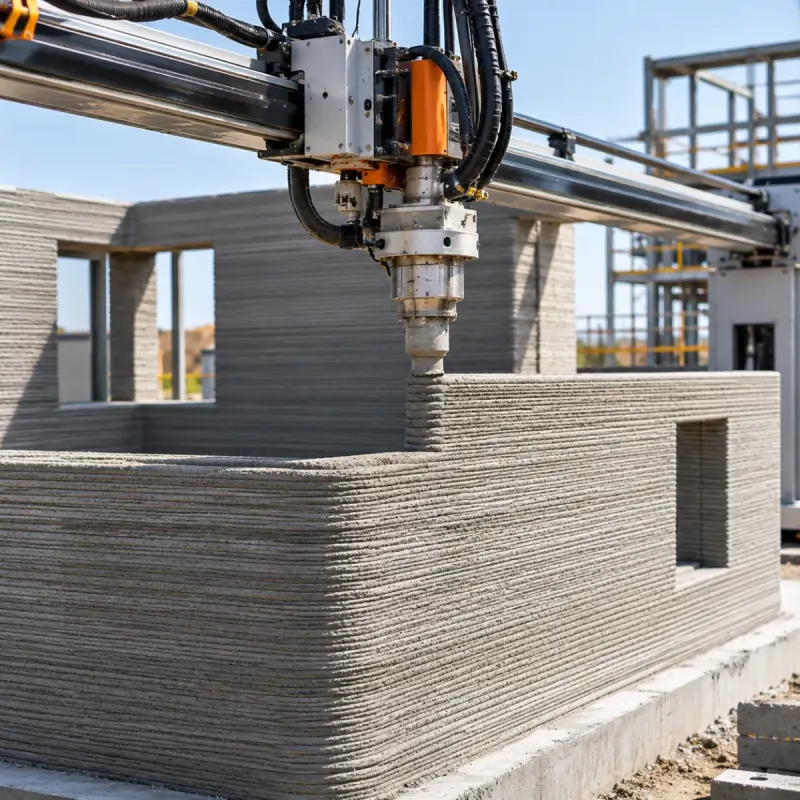
3D Concrete Printing
Main Purpose: Build concrete structures
3D concrete printing uses automated pumps and robotic nozzles to deposit construction material in successive layers. Guided by digital designs, these systems can produce walls and structural components with complex geometries without conventional formwork for every shape.
- Robotic extrusion
- Digital designs
- Complex geometries
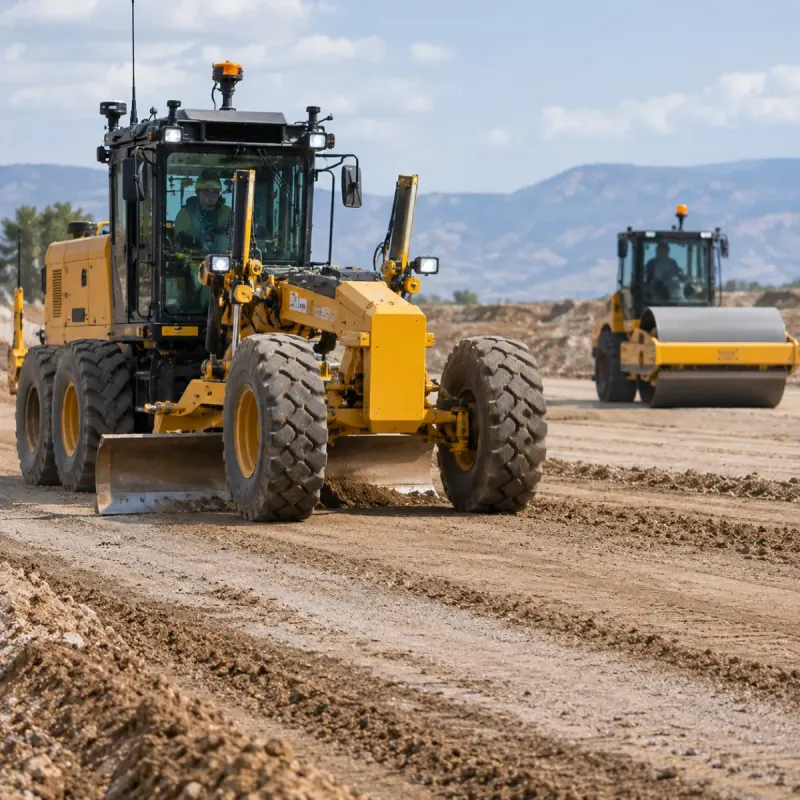
Automated Grading and Compaction
Main Purpose: Prepare construction surfaces
Automated graders and compactors use digital terrain models and positioning technology to prepare construction sites. These systems control ground levels and compaction operations more consistently than relying entirely on manual measurements.
- Precision grading
- Soil compaction
- Digital guidance
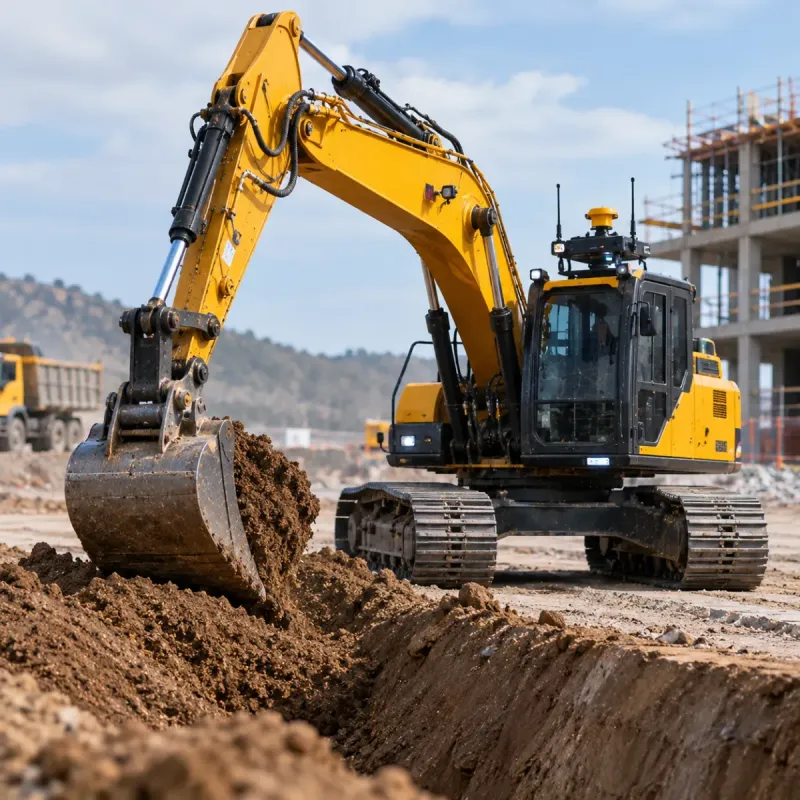
Autonomous Excavators
Main Purpose: Perform earthmoving tasks
Autonomous excavators use positioning systems, sensors, and automated hydraulic controls to dig and move earth. They can follow digital site plans while reducing the need for continuous manual equipment operation.
- Automated excavation
- GPS positioning
- Hydraulic control
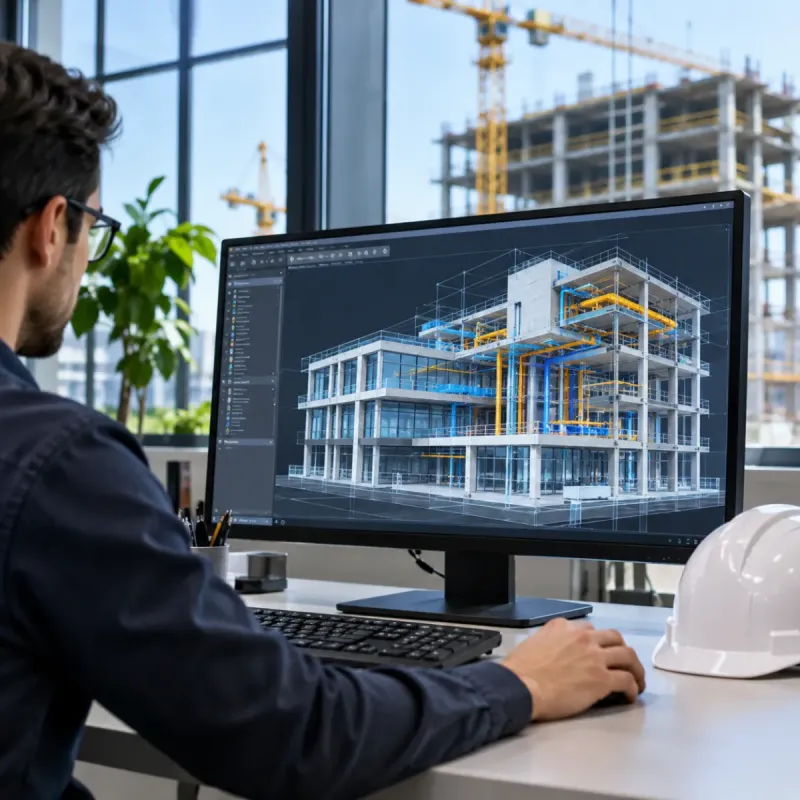
Building Information Modeling (BIM)
Main Purpose: Coordinate construction work
Building Information Modeling (BIM) creates coordinated digital representations of buildings and infrastructure. Automated construction systems can translate these models into machine instructions, connecting architectural designs with real-world building operations.
- Head-on collisions
- High-energy collisions
- New particle research