

 24 November 2026
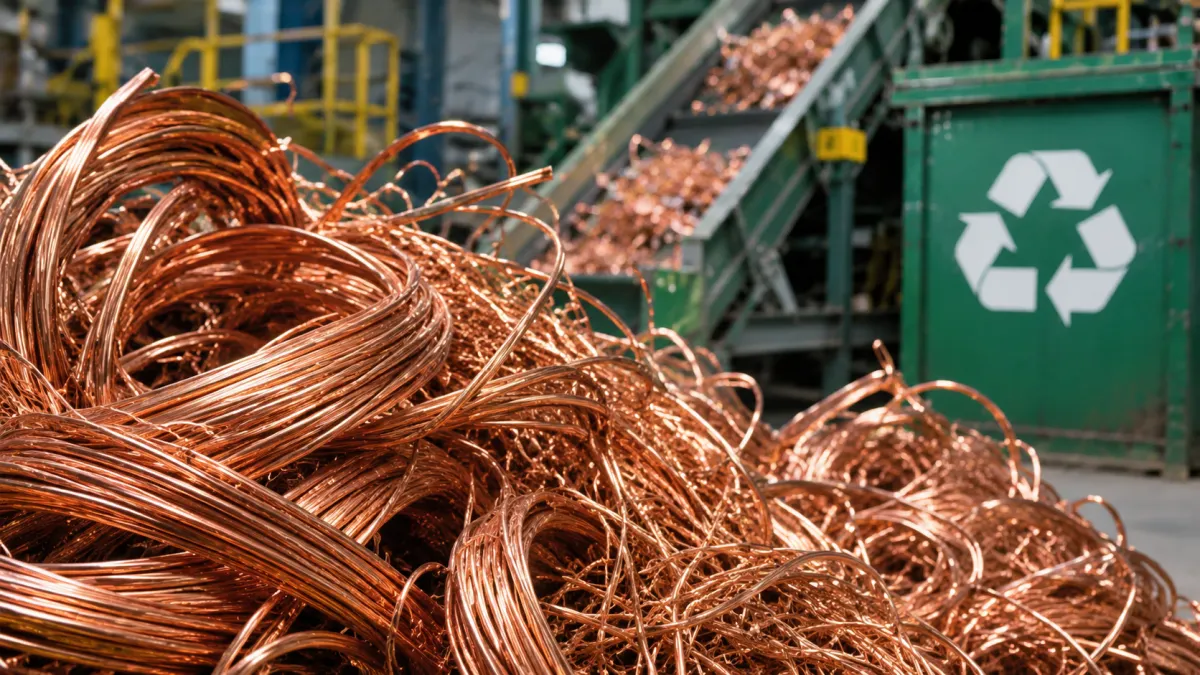
Copper recycling is essential to meeting growing demand for this versatile metal while reducing the need for newly mined resources.
Because copper can be recycled repeatedly without losing its key properties, modern recovery technologies turn discarded cables, electronics, industrial scrap, and used products into valuable raw materials for new manufacturing.
14 Key Processes and Technologies in Copper Recycling
Read More
 Inside the List
14 Items

Recycled Copper Manufacturing
Design: Recycled material production
After recovery and processing, recycled copper returns to industrial supply chains. Manufacturers use it to produce new electrical wires, cables, tubes, building materials, and other copper products, allowing the metal to re-enter the economy without losing its essential performance properties.
- Wire production
- Tube manufacturing
- Material reuse
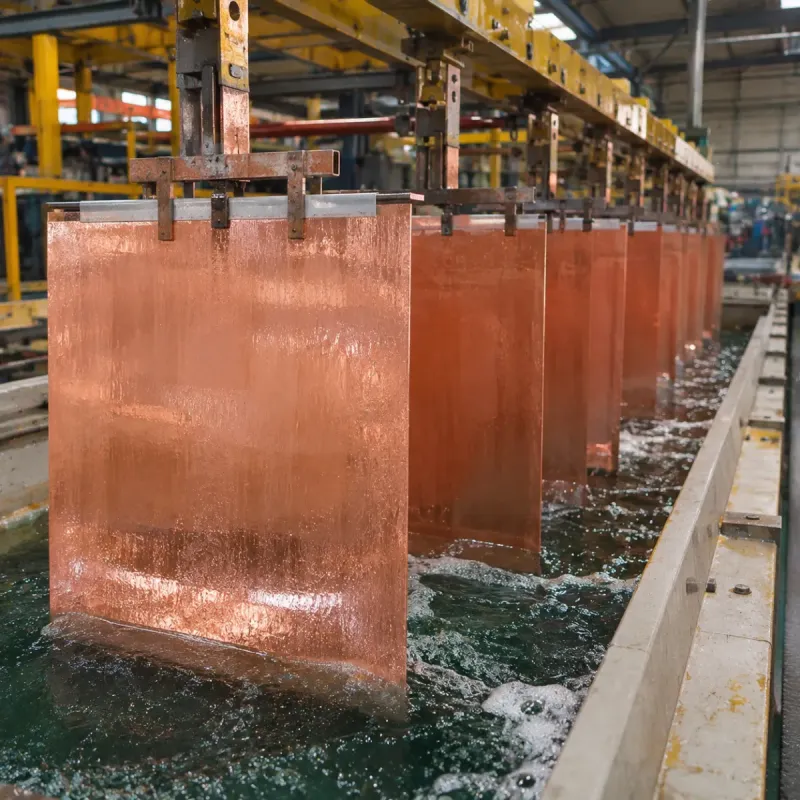
Smelting and Electrolytic Refining
Design: Smelting and electrolysis
Copper scrap with higher impurities may require smelting and further refining to reach the required purity. Electrolytic refining can produce high-purity copper cathodes, which can then be used as raw material for manufacturing new copper products.
- Impurity removal
- Copper cathodes
- High purity
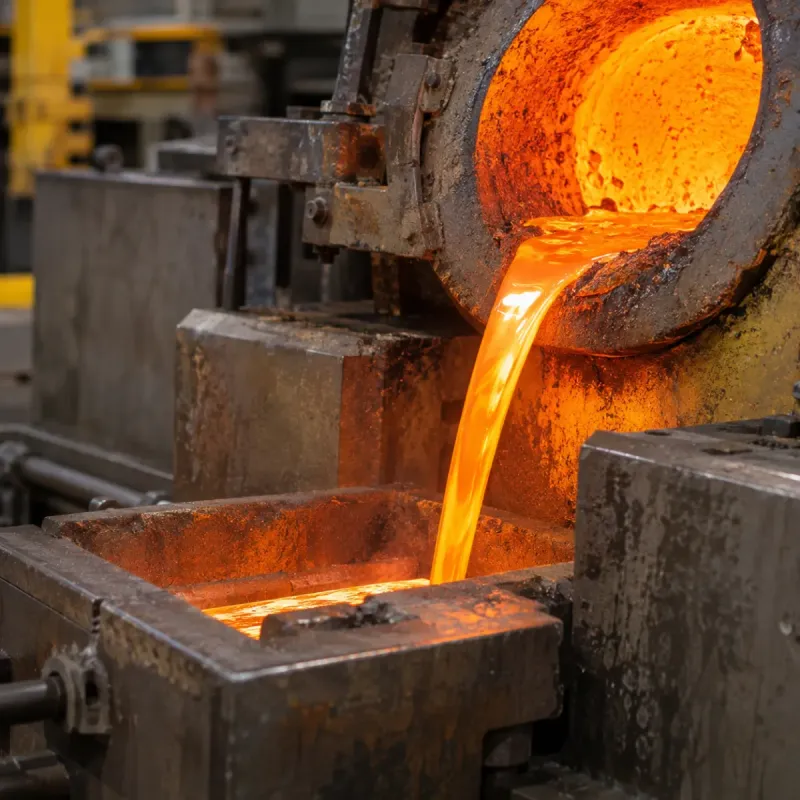
Direct Melting of High-Grade Scrap
Design: Direct melting
Clean, high-grade copper scrap can sometimes be melted directly without full refining. This approach is especially useful for suitable manufacturing scrap because it reduces the extra processing needed before the metal can be used to produce new semi-finished copper products.
- High-grade scrap
- Furnace processing
- Reduced refining
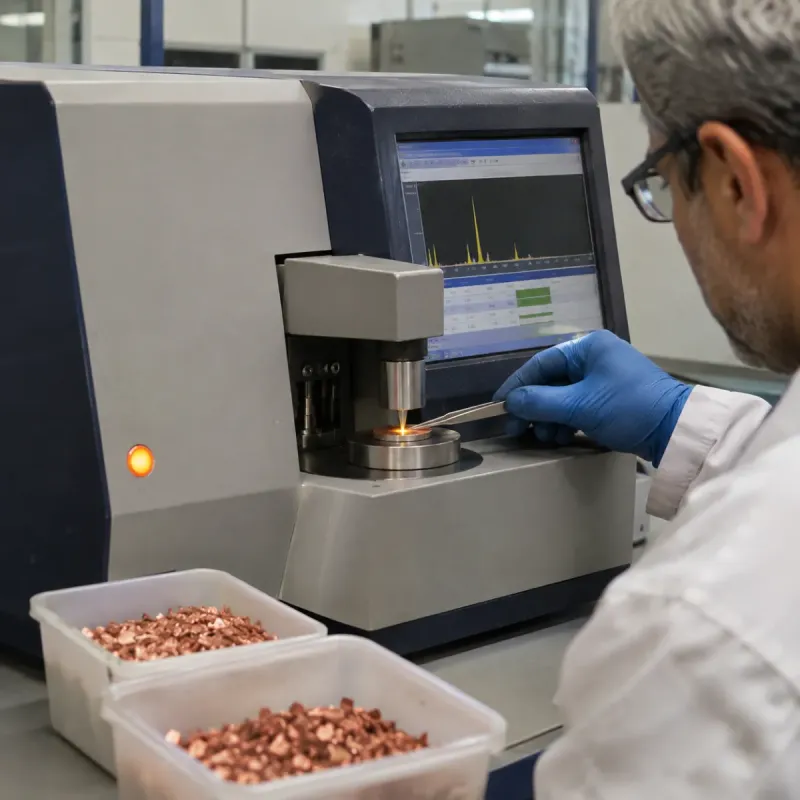
Spectrographic Copper Analysis
Design: Spectrometric analysis
Spectrographic analysis measures the chemical composition of recovered copper and identifies impurities such as aluminium, lead, tin, and zinc. This information helps recycling facilities determine material grades and assess whether the copper is suitable for particular industrial applications.
- Chemical analysis
- Impurity detection
- Grade verification
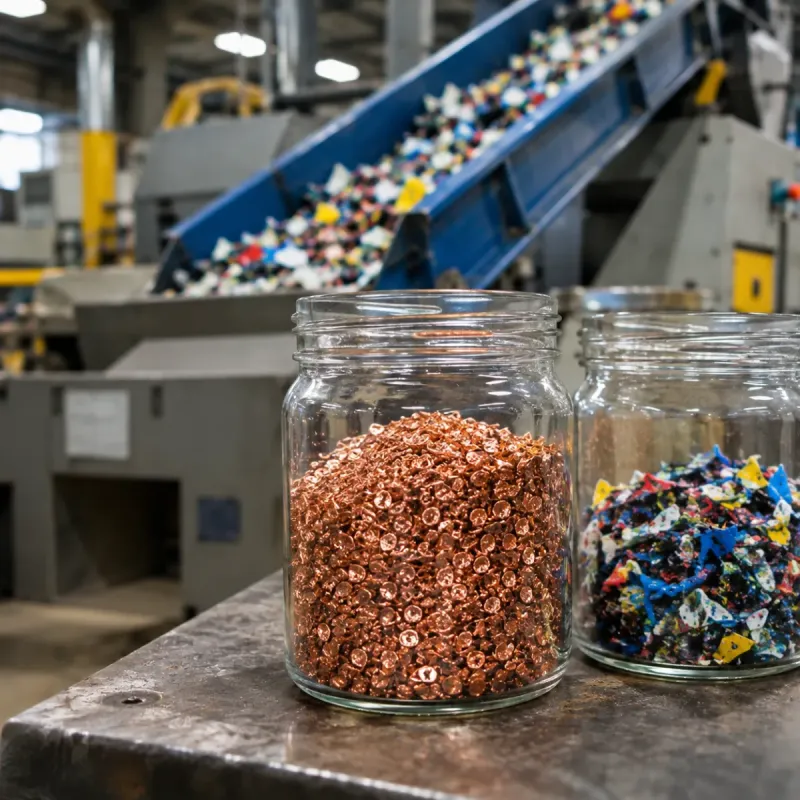
Density-Based Separation
Design: Density-based processing
After cable granulation, density separation helps distinguish heavier copper particles from lighter plastic insulation. This process produces a concentrated copper material that can be graded and directed toward wire manufacturing or further refining.
- Density separation
- Plastic removal
- Copper concentration
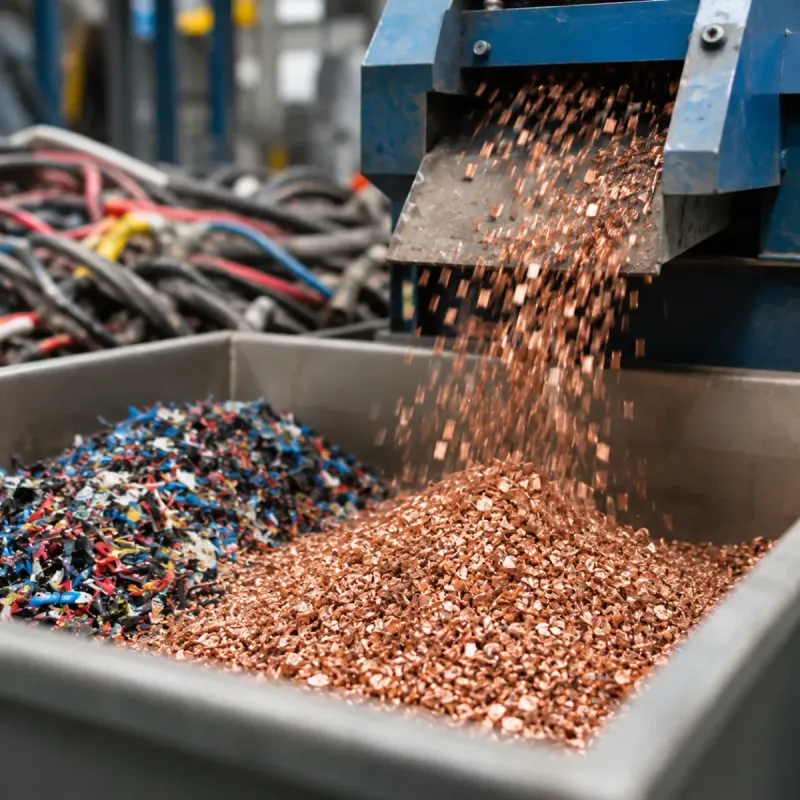
Cable Granulation Technology
Design: Granulation system
Cable granulation converts electrical cables into small particles through chopping and mechanical processing. The resulting mixture can then be separated to recover copper granules while removing plastic insulation and other unwanted materials.
- Cable chopping
- Particle separation
- Copper granules
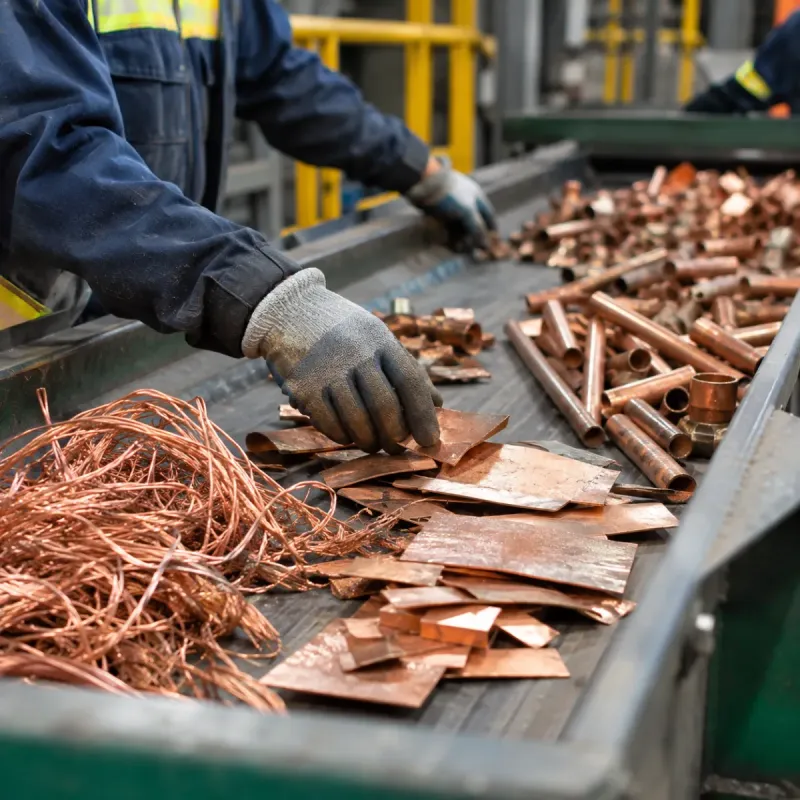
Automated Scrap Sorting
Design: Automated and manual sorting
Sorting separates copper materials according to their type, size, composition, and contamination level. Industrial recycling facilities use visual inspection and specialized sorting systems to prepare different scrap grades for appropriate recovery processes.
- Grade identification
- Contamination checks
- Material classification
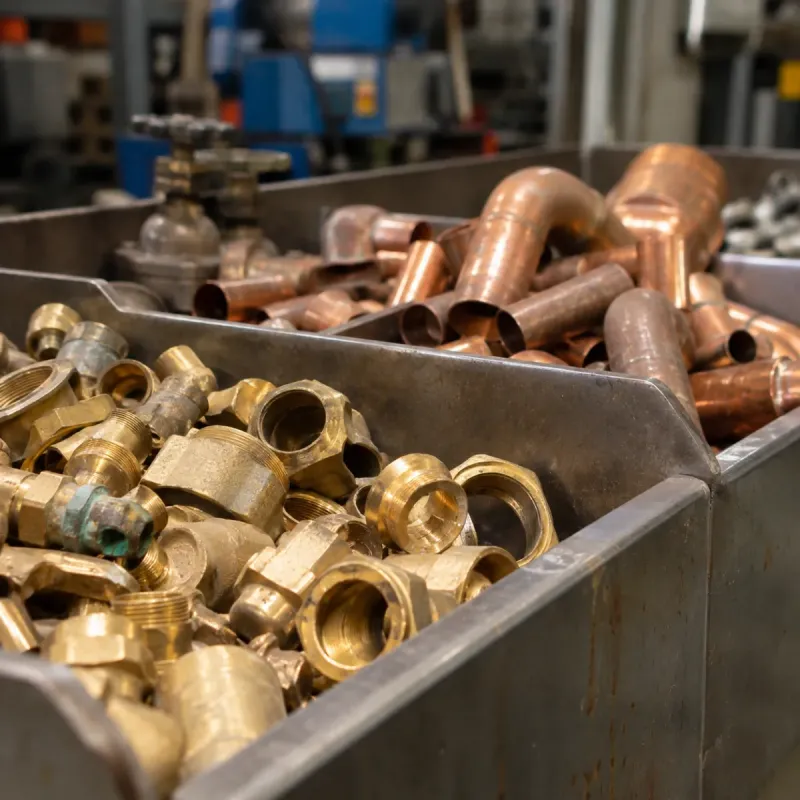
Copper Alloy Recycling
Design: Composition-based sorting
Copper alloys such as brass and bronze can also be recycled, but they require separate sorting because their compositions differ from pure copper. Identifying and separating these materials helps ensure recovered metals go to suitable manufacturing processes.
- Brass recovery
- Bronze recycling
- Alloy separation
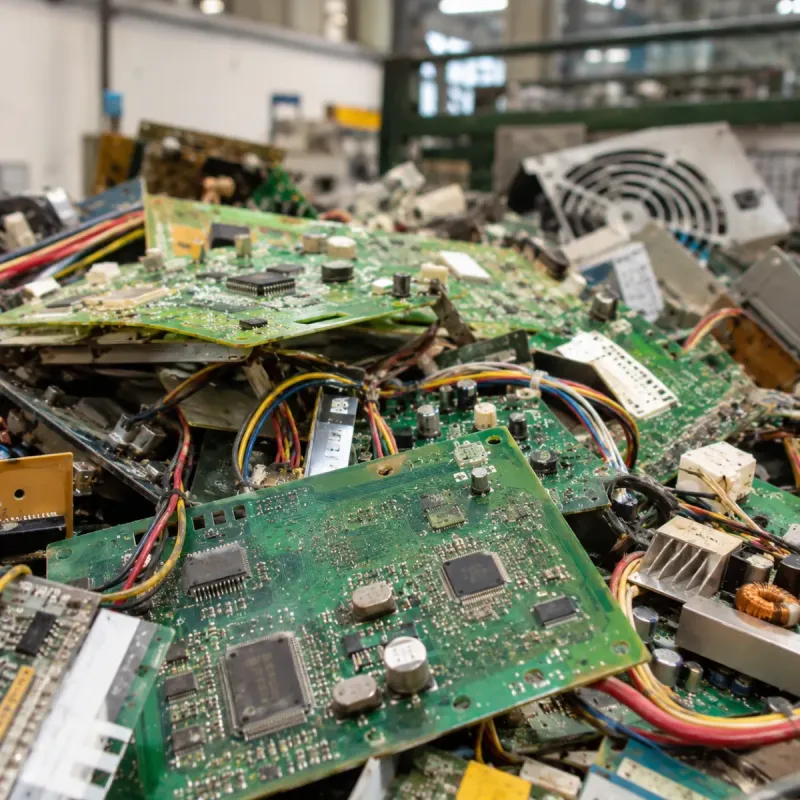
Electronic Waste Copper Recovery
Design: Multi-metal recovery
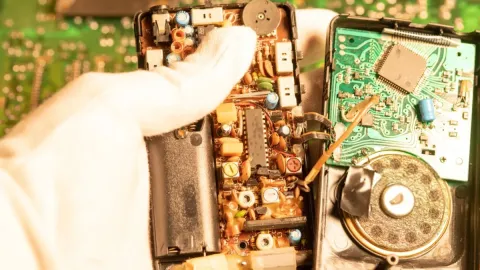
Electronic waste contains copper in circuit boards, wiring, connectors, and other components. Specialized recycling processes recover copper alongside valuable metals such as gold, silver, nickel, tin, lead, and zinc, making electronic waste an important source for urban mining.
- Circuit boards
- Precious metals
- Metal recovery
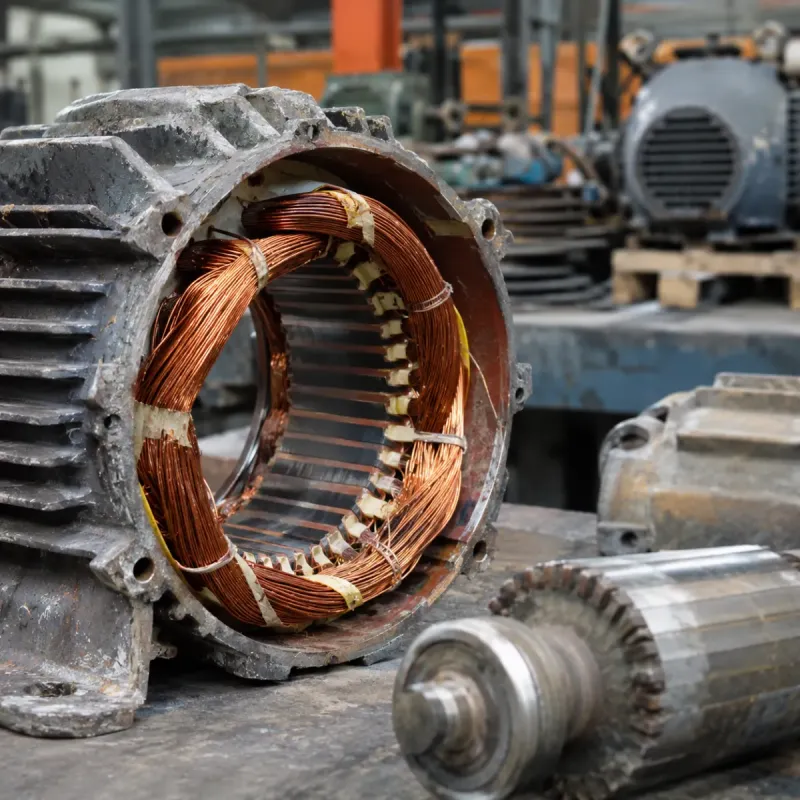
Motor and Transformer Recycling
Design: Component separation
Electric motors, transformers, and alternators contain copper windings that can be recovered during dismantling and material separation. Recycling facilities separate copper from iron components, insulation, and other materials before sending it for further processing.
- Winding recovery
- Metal separation
- Component dismantling
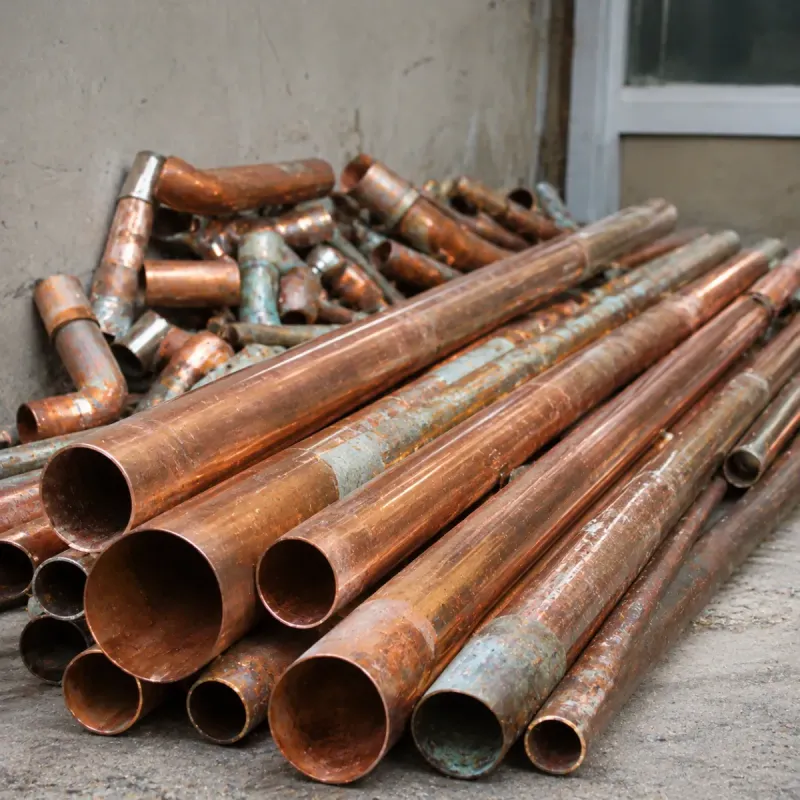
Copper Pipe and Tube Recycling
Design: Metal separation
Copper pipes from plumbing, heating, and cooling systems can be recovered and returned to industrial production. Before processing, facilities separate unwanted materials such as solder, brass fittings, paint, and dirt to improve the quality of the recovered copper.
- Pipe recovery
- Contaminant removal
- Material sorting
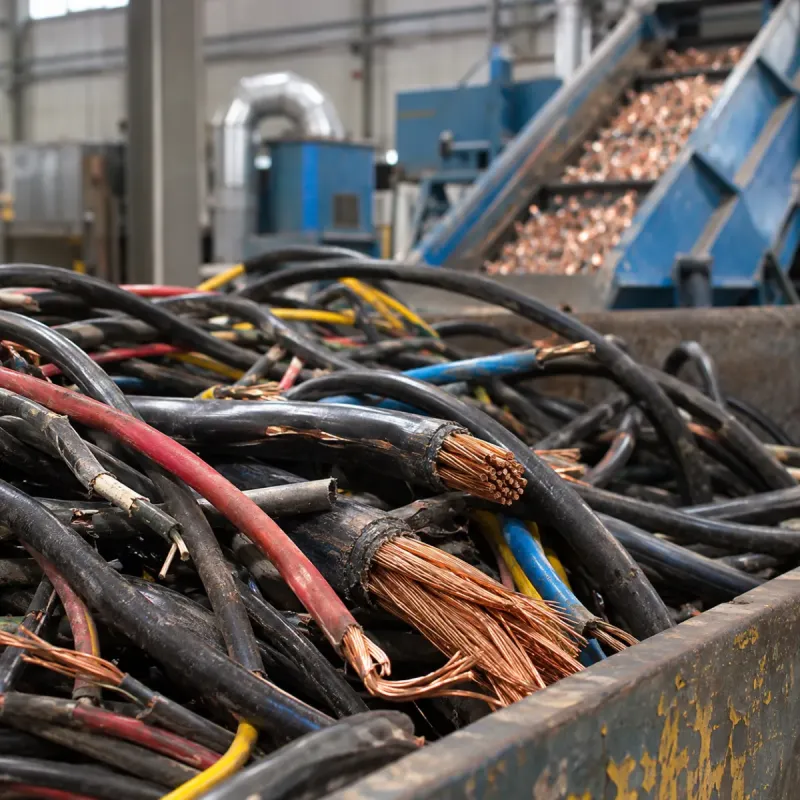
Copper Cable Recycling
Design: Cable processing
Electrical cables are a major source of recoverable copper. Recycling facilities remove connectors and other unwanted materials before processing the cables to separate valuable copper from plastic insulation and protective coverings.
- Cable sorting
- Insulation removal
- Copper recovery
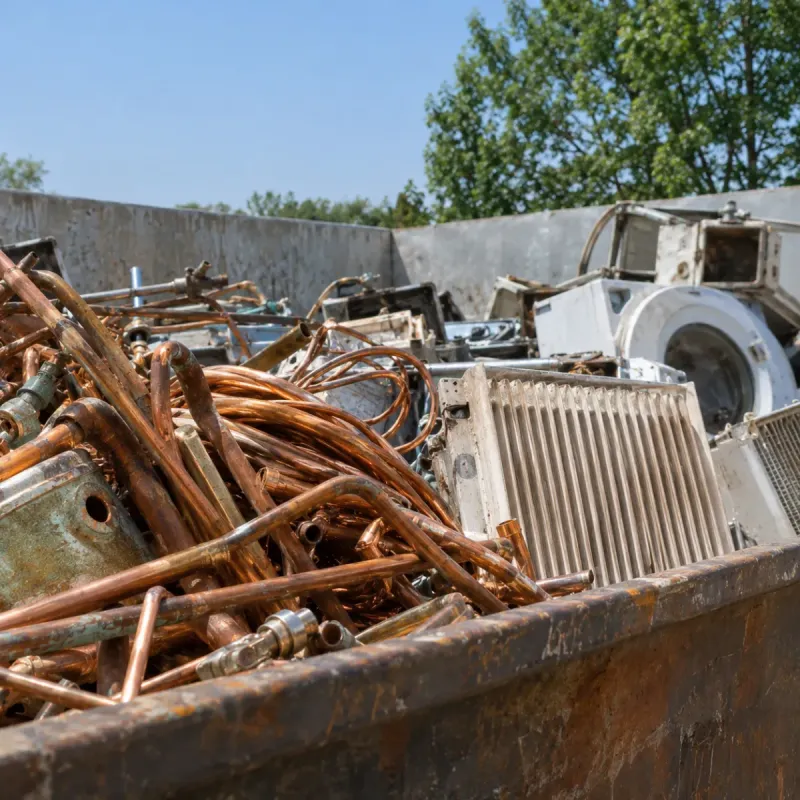
End-of-Life Copper Collection
Design: End-of-life collection
Old electrical equipment, vehicles, plumbing systems, and household products contain copper that can be recovered after they reach the end of their useful life. This old scrap forms an important part of the urban mine: valuable materials already present in buildings, infrastructure, and discarded products.
- Used products
- Urban mining
- Scrap collection
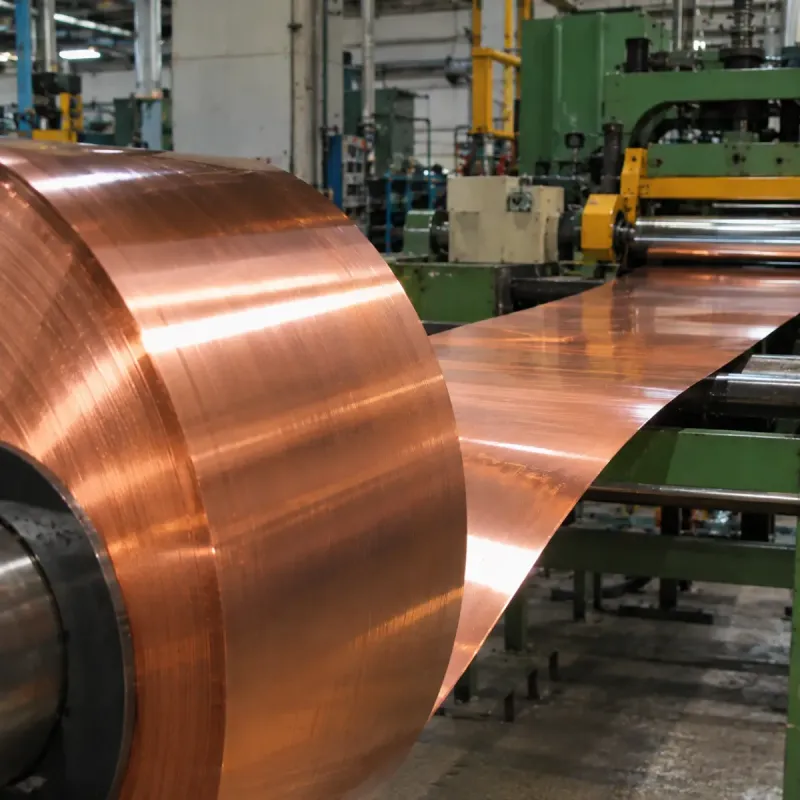
Industrial Copper Scrap Recovery
Design: Production scrap recovery
Manufacturing facilities generate copper scrap through cutting, stamping, machining, and other production activities. This material, often called new scrap, can be collected and returned to production before it becomes part of a finished product.
- Manufacturing offcuts
- Clean scrap
- Closed-loop recycling