

 26 November 2026
Strategic stockpiles help countries prepare for unexpected disruptions by maintaining reserves of essential materials, minerals, energy resources, and emergency supplies.
From rare earth elements used in advanced technologies to medicines needed during public health crises, these reserves can protect vital industries and support national security when normal supply chains fail.
11 Key Elements of Effective Strategic Stockpiles
Jevons Paradox and 10 Ways Efficiency Can Increase Resource Consumption
 Inside the List
11 Items

International Cooperation and Supply Diversification
Type: International strategy
International cooperation can make strategic stockpiles more efficient by coordinating purchases, sharing management expertise, and supporting alternative supply projects. However, reserves work best alongside broader measures such as recycling, material substitution, and diversified mining and refining capacity.
- Joint procurement
- Supply diversification
- Shared expertise

Financing and Long-Term Cost Management
Type: Financial framework
Building strategic stockpiles involves purchasing materials, financing inventories, maintaining warehouses, managing logistics, and replacing outdated supplies. Governments can cover these costs through public budgets, dedicated funds, loans, guarantees, subsidies, or partnerships with private companies.
- Budget planning
- Storage costs
- Financial support

Transparent Release and Distribution Rules
Type: Release policy
A stockpile is effective only when authorities can decide when and how to release its resources. Clear procedures help ensure that reserves address genuine emergencies and short-term supply interruptions rather than being used primarily to influence ordinary market prices.
- Release criteria
- Emergency allocation
- Market transparency
Emergency Medical Stockpiles
Type: Emergency reserve
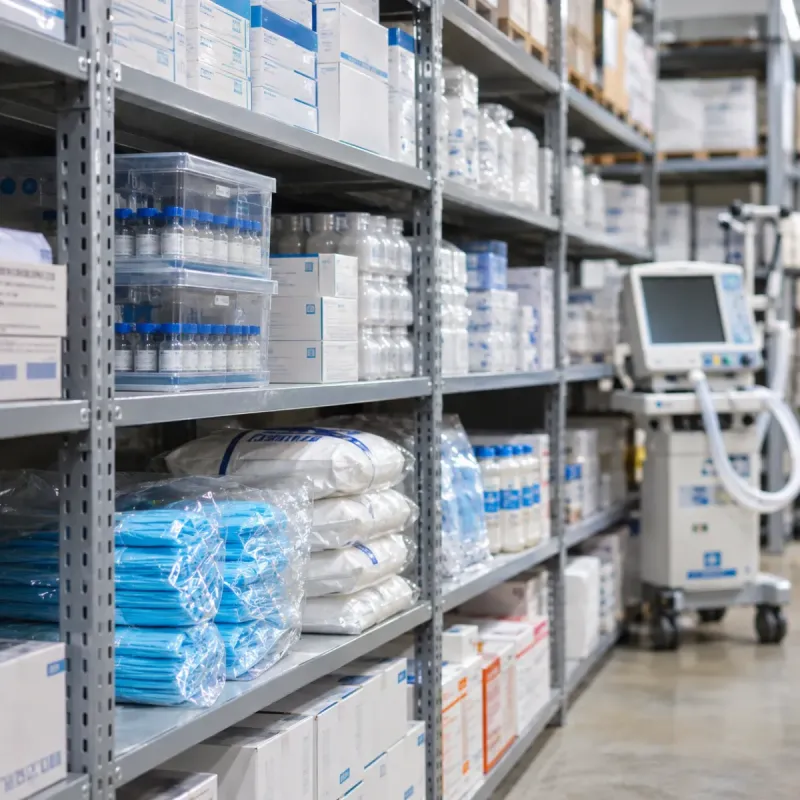
Medical stockpiles protect public health systems during pandemics, chemical incidents, biological threats, and other major emergencies. The United States Strategic National Stockpile, managed by HHS/ASPR, includes antibiotics, vaccines, antitoxins, antidotes, ventilators, and other medical supplies.
- Essential medicines
- Medical equipment
- Rapid deployment

Government and Industry Stockpiling Models
Type: Governance model
Governments can manage strategic reserves directly, private companies can hold them under public requirements, or arrangements can combine public ownership with private management. The most suitable approach depends on the material, industry structure, and national circumstances.
- Public ownership
- Industry participation
- Hybrid management

Specialized Storage and Stock Rotation
Type: Storage system
Strategic stockpiles require storage conditions suited to each material. Some minerals are sensitive to humidity, temperature, or air exposure, while products with limited shelf lives require regular inspection and replacement to remain usable.
- Climate control
- Safe packaging
- Stock rotation
Imported Material Stockpiling
Type: Supply chain reserve
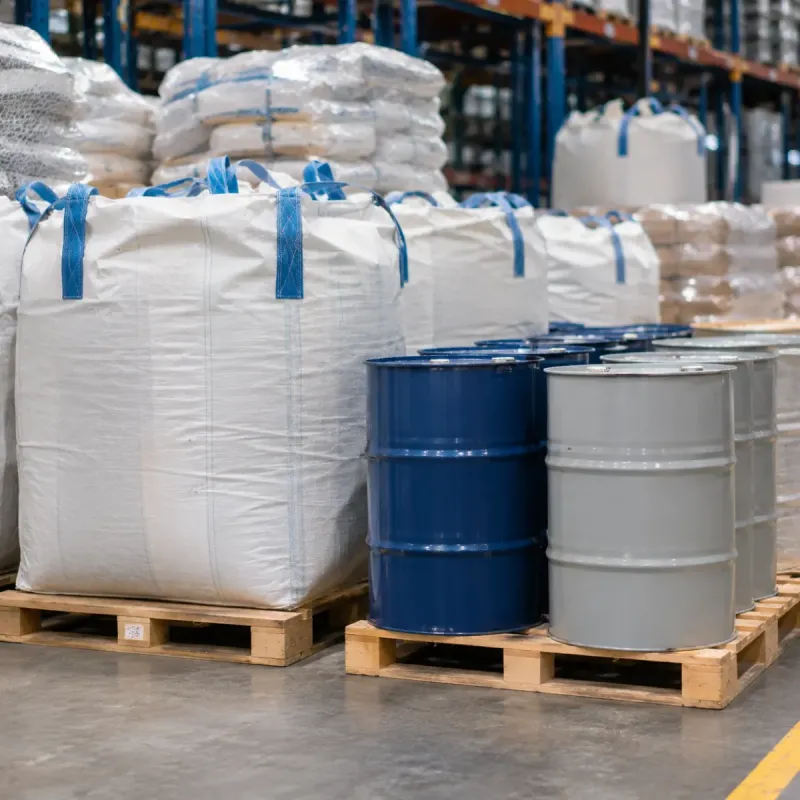
The form in which a material is stored can determine how quickly it becomes useful during a disruption. The International Energy Agency recommends considering imported material forms that domestic industries can use directly, avoiding dependence on additional overseas processing when supplies are interrupted.
- Material usability
- Processing readiness
- Reduced dependencies

Strategic Metals for Advanced Industries
Type: Strategic metal reserve
Metals such as gallium, germanium, tungsten, and manganese have important applications in semiconductors, electronics, aerospace, and defense. Maintaining strategic reserves can reduce the impact of supply interruptions, especially when production or refining is concentrated among a small number of suppliers.
- Semiconductor materials
- Aerospace applications
- Defense supply chains
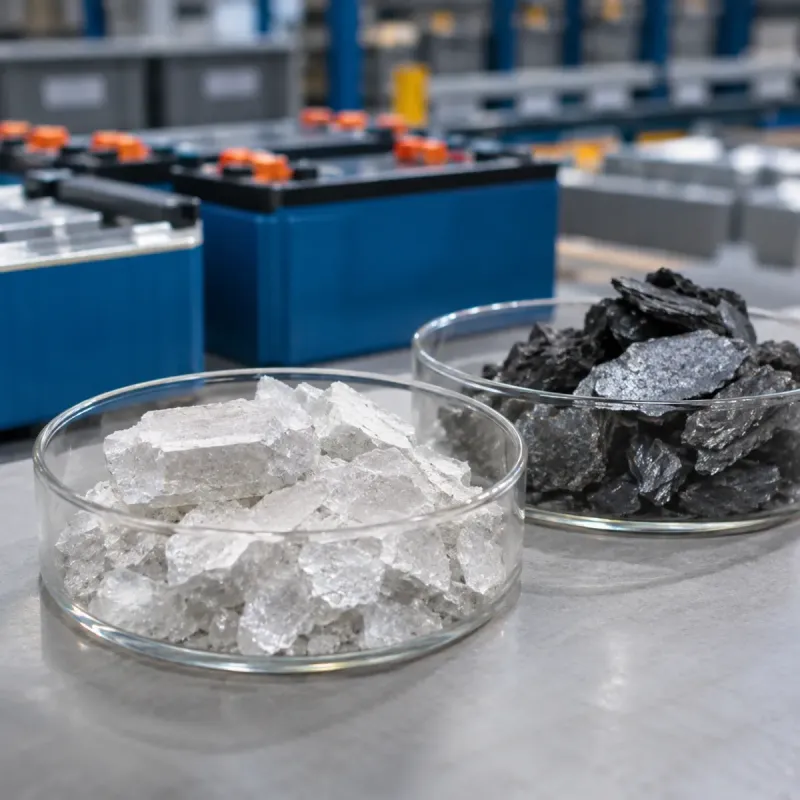
Battery Material Reserves
Type: Industrial reserve
Materials such as lithium and graphite support battery manufacturing and energy storage. Stockpiling selected forms of these materials can help manufacturers manage temporary shortages, but they must carefully consider storage conditions and material specifications.
- Lithium reserves
- Graphite materials
- Battery supply
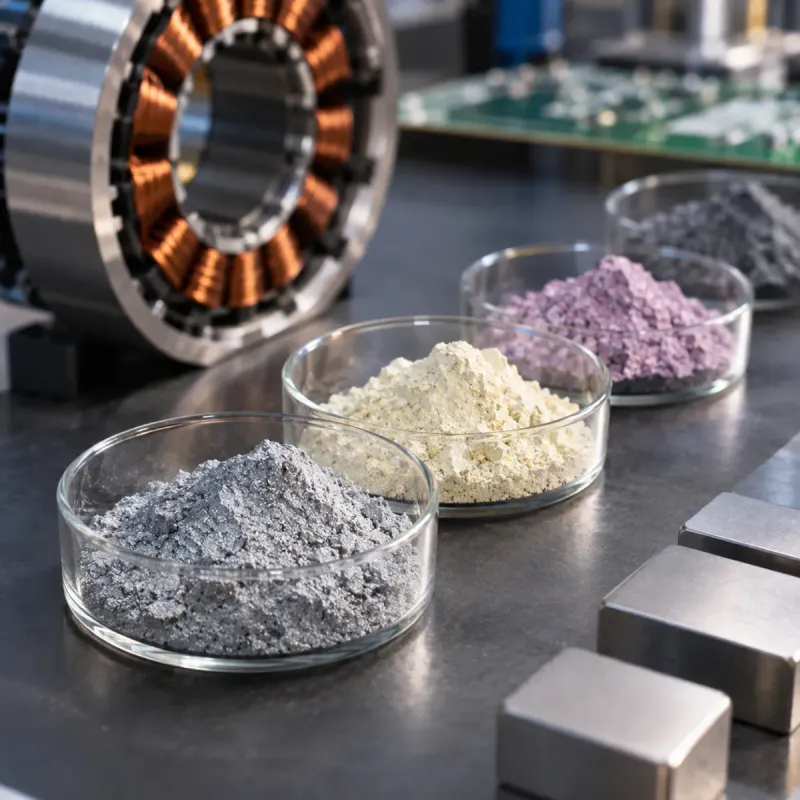
Rare Earth Element Stockpiles
Type: Mineral reserve
Rare earth elements, including neodymium, dysprosium, praseodymium, and terbium, are important for permanent magnets and other advanced technologies. Strategic reserves can reduce exposure to concentrated refining markets and sudden export restrictions.
- Magnet materials
- Refining security
- Export controls
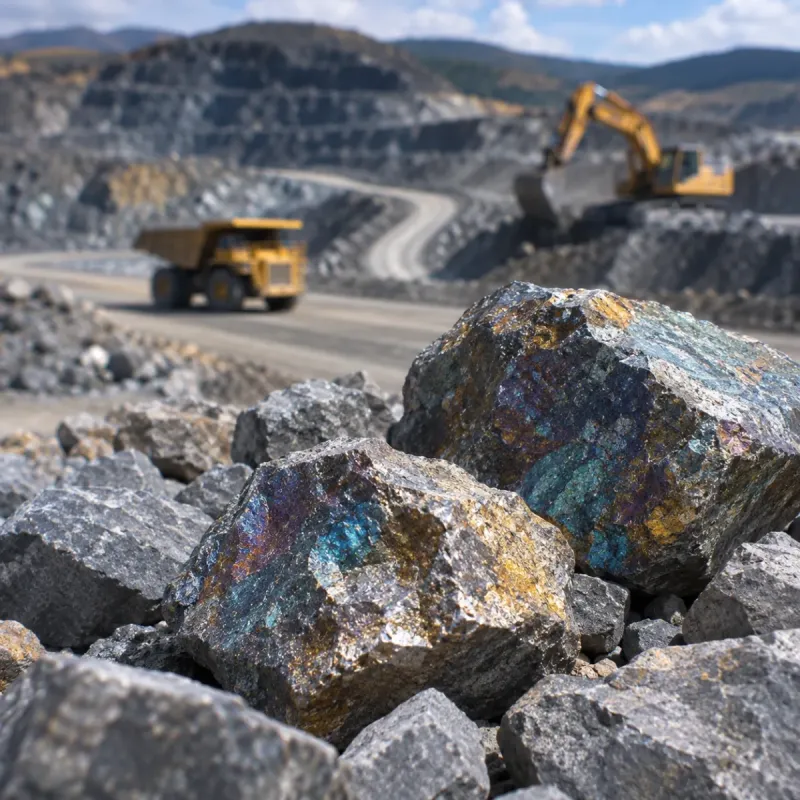
Critical Mineral Reserves
Type: Resource reserve
Critical mineral reserves protect industries against shortages of materials essential to manufacturing, energy systems, aerospace, and defense. Governments can maintain these supplies as a temporary buffer while developing alternative sources and more resilient supply chains.
- Mineral security
- Supply chain protection
- Industrial continuity