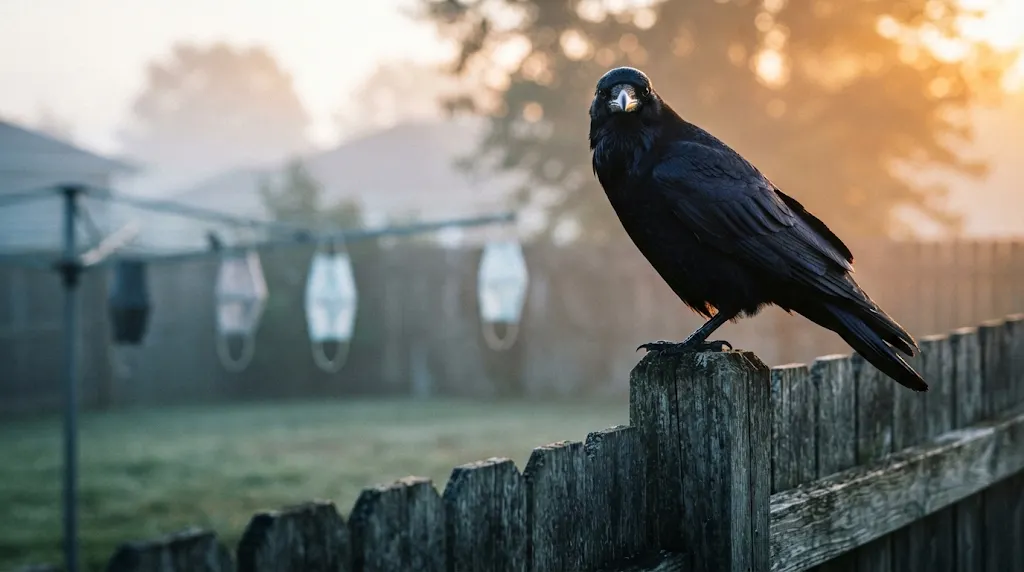

The Feathered Neighbors Watching Your Every Move
If you look closely out your kitchen window early in the morning, you might notice a pair of glossy black crows perched high upon your neighbor's roofline. They are not merely resting their wings or scanning the grass for earthworms. According to groundbreaking cognitive research from avian wildlife biologists, those crows are actively observing you, memorizing your facial structure, and cataloging whether your presence represents a generous friend or a dangerous threat.
For decades, casual observers dismissed urban and suburban crows as noisy backyard pests that tear into garbage cans and squawk aggressively at neighborhood pets. But scientists studying animal cognition at leading universities have uncovered a mind-bending truth: the common American and European crow possesses problem-solving intellect, social memory, and facial recognition skills that rival chimpanzees and young human children.
Key Highlights: The Surprising Science of Backyard Crows
- Facial Recognition Masters: Crows can differentiate individual human faces in a single encounter and retain that memory for up to five years without reinforcement.
- Generational Grudges: If a human threatens a crow, that bird communicates the offender's physical appearance to other flock members and their own offspring.
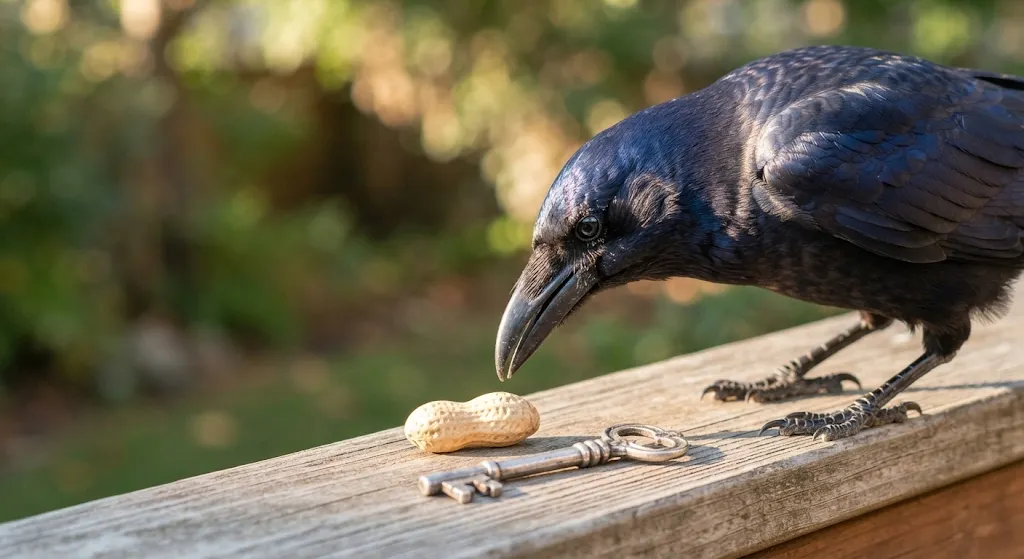
- The Gift Exchange Economy: Homeowners who regularly feed crows high-protein snacks often discover shiny trinkets, buttons, and keys left behind on patio railings.
- Backyard Harmony: Befriending a local crow family can naturally deter predatory hawks and invasive garden pests from damaging home landscapes.
The landmark study that forever changed our understanding of corvid intelligence took place on the campus of the University of Washington. Researchers wearing distinctive rubber masks captured, banded, and quickly released a small group of wild crows. In the weeks, months, and even years that followed, crows throughout the entire campus dive-bombed, screeched at, and mobbed anyone walking past while wearing that specific capture mask.
Even more astonishing was what happened when newborn chicks hatched years later. Young birds that were not even born during the initial trapping experiment joined in the mobbing behavior whenever the mask appeared. The parent birds had successfully taught their young to recognize and despise a specific human face, demonstrating complex cultural transmission of information across avian generations.
What Actually Happens When You Start Feeding Crows in Your Garden
When suburban homeowners decide to test this intelligence by leaving food out on a patio table or driveway, they trigger a fascinating behavioral feedback loop. Crows are naturally cautious creatures that assess novel situations with extreme skepticism. A wild crow will often watch a pile of unsalted peanuts from a safe telephone wire for days, studying who places the food, what time of day it arrives, and whether any cats or dogs are lurking nearby.
Once the birds determine that a homeowner is a consistent, non-threatening provider, their behavior transforms. They begin recognizing the homeowner's vehicle pulling into the driveway, the sound of the back patio door sliding open, and even the clothes the person wears. Regular backyard feeders report that their resident crow family greets them with gentle rolling vocalizations rather than harsh alarm caws.
| Interaction Type | Recommended Items | Items to Strictly Avoid | Expected Crow Response |
|---|---|---|---|
| Morning Protein Treat | Raw unsalted peanuts in shell, boiled egg quarters | Salted nuts, seasoned meats, chocolate | Quick fly-downs, vocal greeting whistles, daily routine visits |
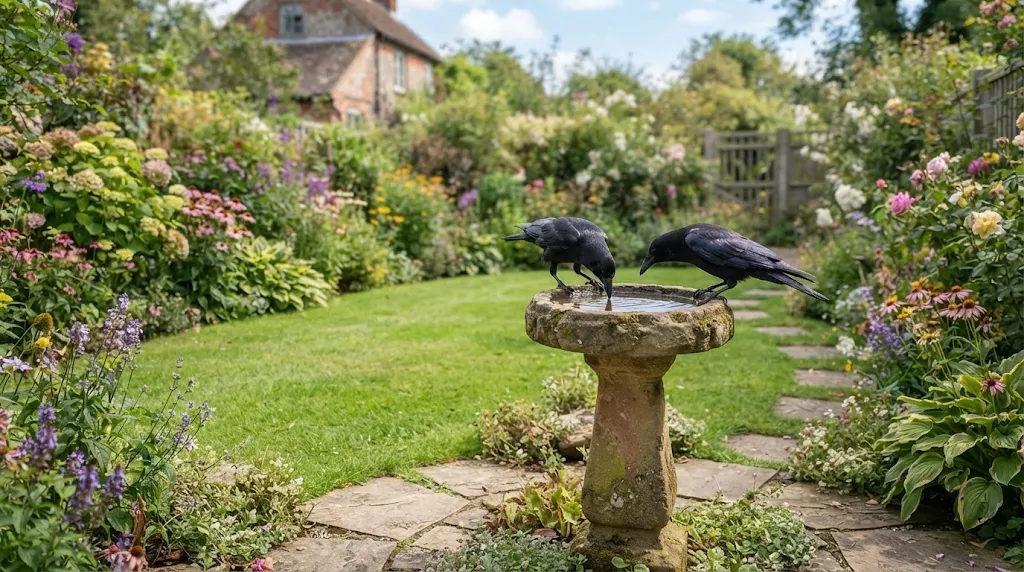
| Fresh Water Station | Shallow stone bird bath with clean water changed daily | Deep buckets where birds might drown, stagnant ponds | Food dunking rituals, feather washing, social gatherings |
| Winter Energy Boost | High-grade dry dog kibble, sunflower seeds, mealworms | Processed bread, crackers, dairy cheeses | Caching excess food under garden mulch, vocal sentry calls |
| Curiosity Stimulators | Puzzle feeding boxes, hidden peanut treats | Glass shards, small plastic rings that can choke | Tool use with twigs, playful solving, leaving shiny gifts |
One of the most heartwarming phenomena documented by backyard wildlife enthusiasts is the ritual of crow gifting. While not every crow leaves presents, numerous well-documented accounts show crows leaving colorful sea glass, polished pebbles, metal washers, bottle caps, and even lost house keys on outdoor railings where food is placed. Behavioral biologists believe these objects may represent genuine reciprocal social bonding or a form of communicative curiosity toward their human allies.
The Hidden Ecological Benefits of Having Crows on Your Side
Beyond the emotional delight of establishing a bond with intelligent wild animals, having an allied crow family guarding your backyard provides measurable practical advantages for your property. Crows are fiercely territorial birds that maintain watchful air superiority over their home nesting range. When dangerous predatory birds like Cooper's hawks or red-tailed hawks sweep through the neighborhood looking to snatch songbirds, crows will rally and chase the raptors away with coordinated aerial mobbing.
Furthermore, crows act as the neighborhood's early-warning security system. If a stray cat stalks through your flowerbeds, a raccoon attempts to climb a tree toward a robin's nest, or an unusual intruder walks through your back gate, crows emit distinct, sharp alert screams that tip off every other bird and squirrel in the area.
Important Rules for Responsible Crow Feeding
Never overfeed wild crows or leave large piles of food sitting out overnight, as this will inevitably attract unwanted rats, mice, and raccoons to your property. Only offer food in small portions during daylight hours when the birds are actively watching, and never feed crows bread or processed human snacks that lack essential avian nutrients.
Urban corvids also play a vital role in natural pest control for home gardeners. During the spring and summer months, adult crows scour lawns and shrubbery for beetle grubs, caterpillars, armyworms, and grasshoppers to nourish their rapidly growing fledglings. By welcoming them to your yard with a handful of clean peanuts and fresh water, you gain a natural, chemical-free lawn maintenance crew that works from dawn until dusk.
Establishing a respectful friendship with wild crows requires patience, consistency, and an understanding of animal boundaries. You should never attempt to tame, touch, or hold a wild crow captive, as corvids are wild protected wildlife under federal migratory bird acts. But by respecting their space and treating them with quiet kindness, you unlock one of the most rewarding and intellectually fascinating relationships between humans and the natural world right outside your backdoor.
How to Read Crow Body Language and Social Signals
As your relationship with local crows develops over weeks and months, you will begin to decode their subtle postural language. A relaxed crow will stand with smooth, sleek feathers and tilt its head sideways to study you with one eye. In contrast, an agitated crow fluffs its head feathers, rapidly flicks its tail wings up and down, and emits rapid-fire staccato clicks. Learning to recognize these visual cues ensures that your interactions remain peaceful, rewarding, and mutually respectful for years to come.